

Minimum Guests
2 Person
Activate Day
4 Nights/ 5 Days- Immerse in Song-style charm and Yuntai Mountain's stunning scenery with a 5-day immersive tour across Zhengzhou, Kaifeng, Luoyang—key cities of Henan's rich cultural and natural heritage.
- Cover world-class attractions: UNESCO sites (Yuntai Mountain, Longmen Grottoes), 5A/4A scenic spots (Shaolin Temple, White Horse Temple, Millennium City Park, Kaifeng Prefecture) and cultural hubs like Luoyi Ancient City.
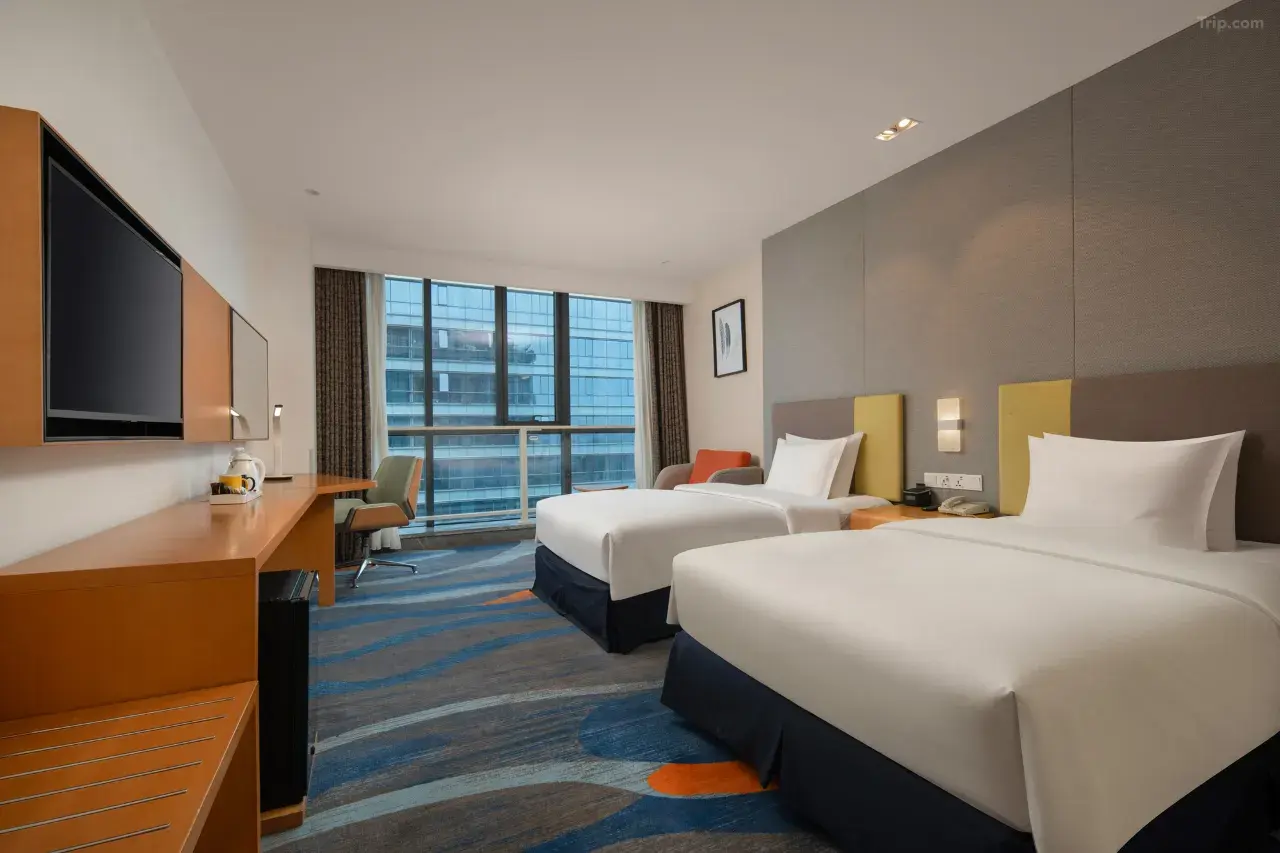
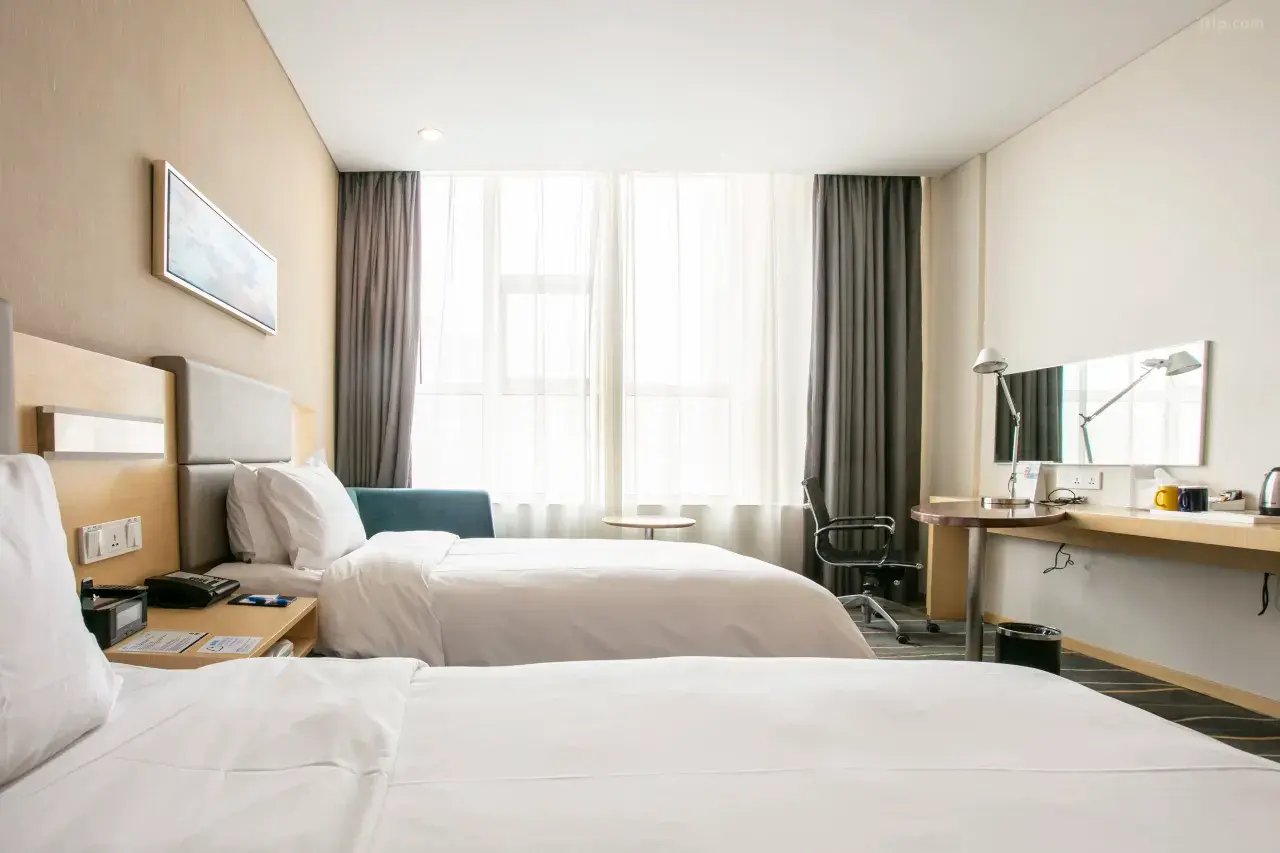
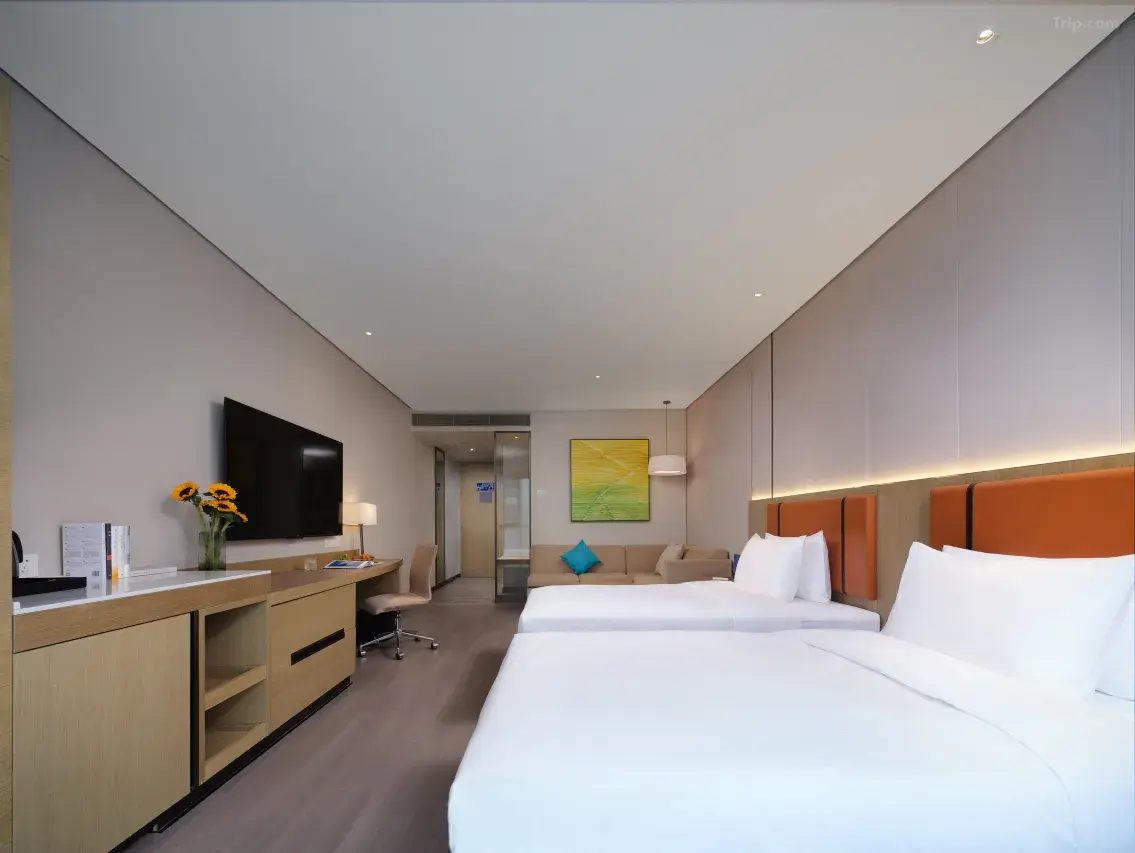
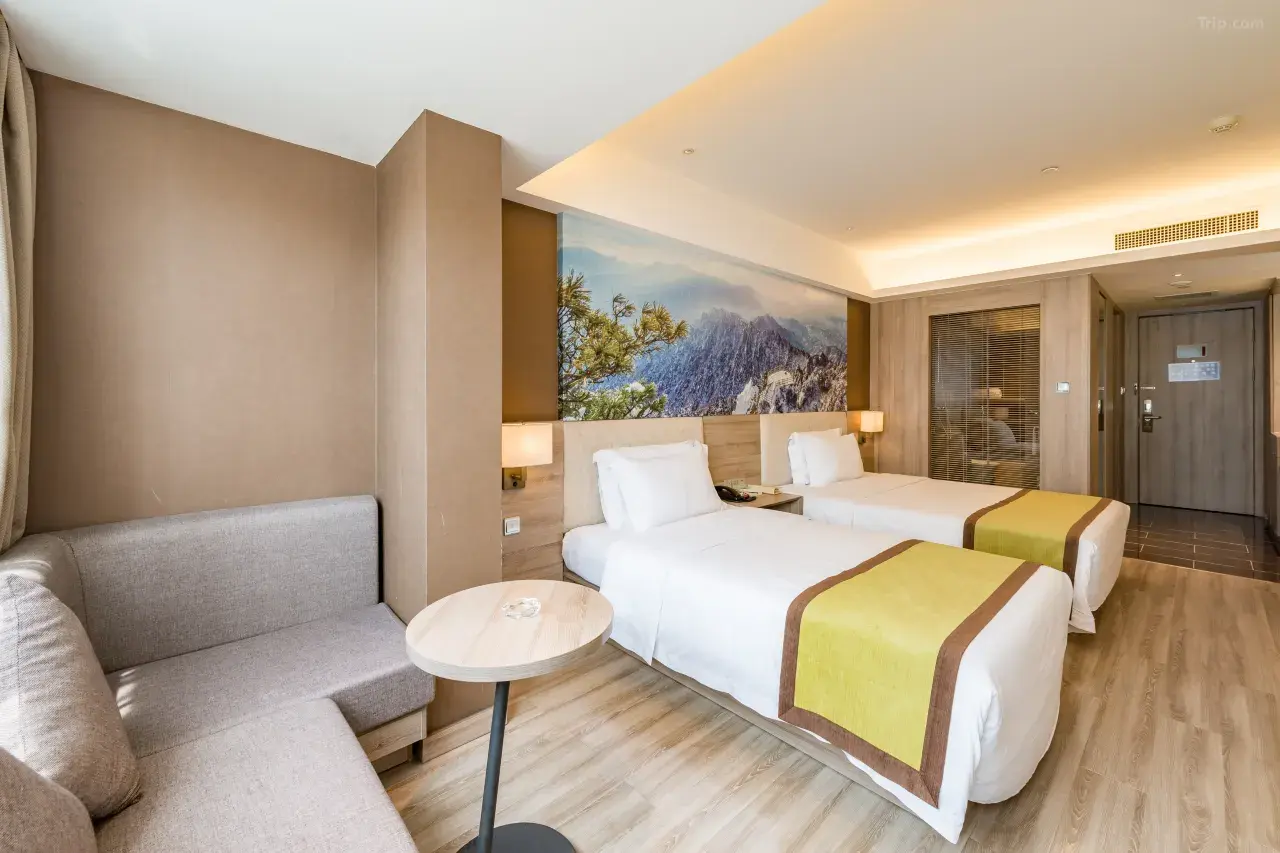
- Enjoy premium convenience: Private round-trip transfers (airport/train station pick-up/drop-off, inter-city travel), downtown 3/4/5-diamond hotels (twin/king bed optional) for a comfortable stay.
- Practical support: Driver cum guide for logistics, included daily breakfast, Yuntai Mountain shuttle bus, and complimentary audio guides at Shaolin Temple & Longmen Grottoes for in-depth explanations.
- Flexible free time: Explore freely during spare hours—visit Henan Museum, try local snacks (Ge’s Braised Pancakes, He’s Lamb Noodle Soup) or wander night markets like Xisi Night Market at your own pace.
- User-friendly arrangements: Lenient cancellation policy (no fee if canceled 7 days in advance, excluding air/train ticket losses if booked by the agency); adaptive adjustments (e.g., Peony Garden replacement during April’s Peony Festival, free upgrade to Yingtianmen Ruins Museum if White Horse Temple tickets are unavailable).
- Well-rounded experience: Blend natural landscapes (red cliffs, waterfalls, gorges), ancient culture (Song Dynasty life, Buddhist heritage, Kung Fu shows), and local customs for a authentic Henan journey.
Tour Timeline
If you need to increase or reduce the number of travellers, please contact us for customised arrangements.
- Enjoy a private drop-off from your hotel to your departure point with a professional driver.
- None
- Private Van
- No guide service
-
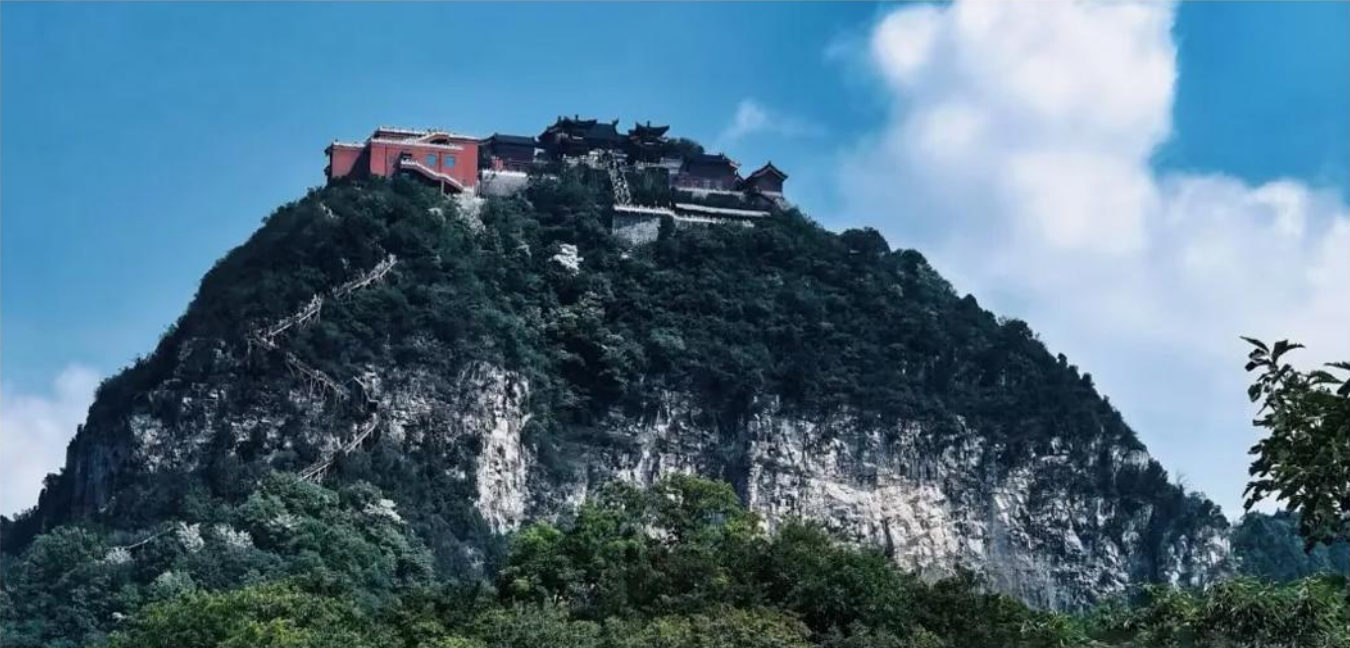
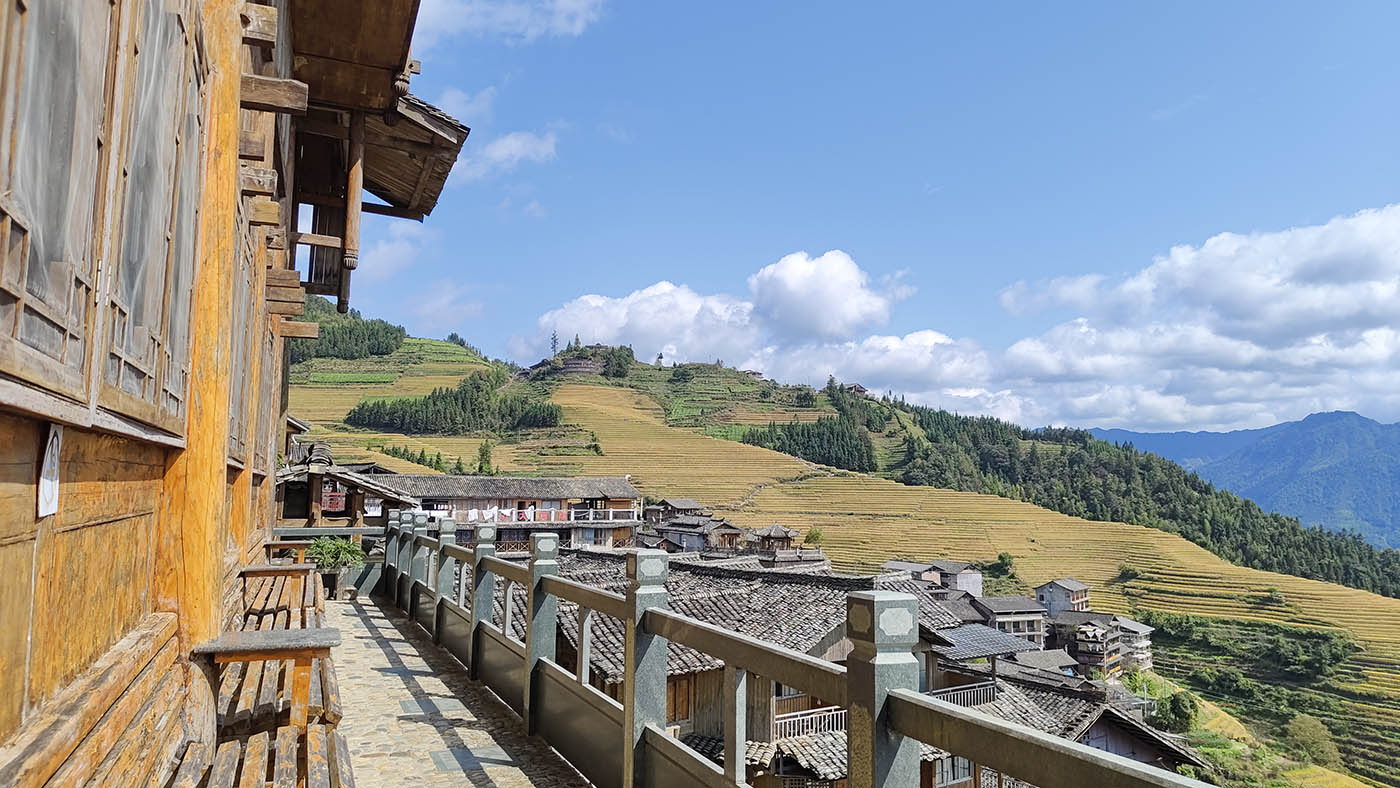
Yuntai Mountain (Red Stone Gorge + Tanpu Gorge + Zhuyu Peak)
Yuntai Mountain, part of the Taihang Mountains, was historically known as Fufu Mountain and Nvwa Mountain. It derives its name from the frequent white clouds that often swirl around its towering peaks. Located between 113°20′E and 113°26′E, and 35°5′N to 35°29′N, Yuntai Mountain sits in Xiuwu County, Jiaozuo City, Henan Province. It stands at the eastern end of the Taihang Mountains in the north and borders the Yellow River to the south. Its main peak, Zhuyu Peak, reaches an elevation of 1297.6 meters. Characterized by a Yuntai landform, Yuntai Mountain enjoys a warm temperate continental monsoon climate with distinct four seasons. The surface rivers of Yuntai Mountain primarily consist of seasonal natural streams such as Zhifanggou River, Shanmen River, and Qingshui River. Precipitation serves as their primary replenishment source, resulting in dry or scarce water during the dry season and tumultuous floods during the flood season.
- Breakfast
- Private Van
- Full-day English-speaking local guide
-
Kaifeng Prefecture
Kaifeng Prefecture (Kaifeng Fu, Kaifeng Palace), located on the north bank of Baogong East Lake in Kaifeng City, Henan Province, covers an area of over 60 acres. It was an important institution in the Northern Song Dynasty responsible for managing the capital and the surrounding areas, and was known as the "First Prefecture under Heaven". It is a scenic spot themed around Song Dynasty culture.
Kaifeng Prefecture, also known as the Southern Yamen, was initially established in the first year of Kaiping era of the Liang Dynasty during the Five Dynasties period (907 AD). Due to damage from warfare and flooding from the Yellow River, the former Kaifeng Prefecture no longer exists. The present Kaifeng Prefecture is a cultural tourist attraction built on the prototype of the Kaifeng Yamen in the Song Dynasty, and it officially opened on August 14, 2003. Kaifeng Prefecture comprises nine functional areas, including the Yamen Cultural Area, Bao Zheng Cultural Area, and Taoist Cultural Area. It also hosts live performances such as "Opening the Yamen to Welcome Guests" and "The Case of the Fair Judge".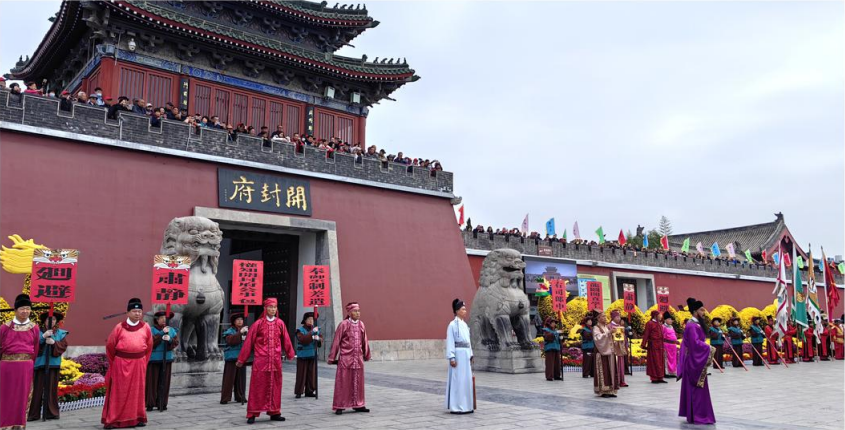
-
Millennium City Park
The Millennium City Park in Kaifeng, located at No. 5 Longting West Road, Kaifeng City, Henan Province, is a large-scale historical and cultural theme park of the Song Dynasty, which is a 1:1 scale replica of the painting "Along the River During the Qingming Festival". It covers an area of over 600 acres, including 180 acres of water surface, and has a landscape building area of over 30,000 square meters.
Qingming Riverside Park features functional areas such as inn, folk customs, and Song culture exhibition, as well as four cultural squares: the training ground, Hongqiao, folk customs, and Song capital. There are also major scenic spots such as Hongqiao, the welcome gate, the bronze sculpture of "Riverside Scene at Qingming Festival", and the Fuyun Pavilion. It has become an important scenic spot on the Central Plains Yellow River tourism route. The completion of Qingming Riverside Park has reproduced the prosperous scene of the Song Dynasty in "Riverside Scene at Qingming Festival", realizing a magnificent transformation from "famous painting" to "famous park", and is an inheritance and innovation of Song culture.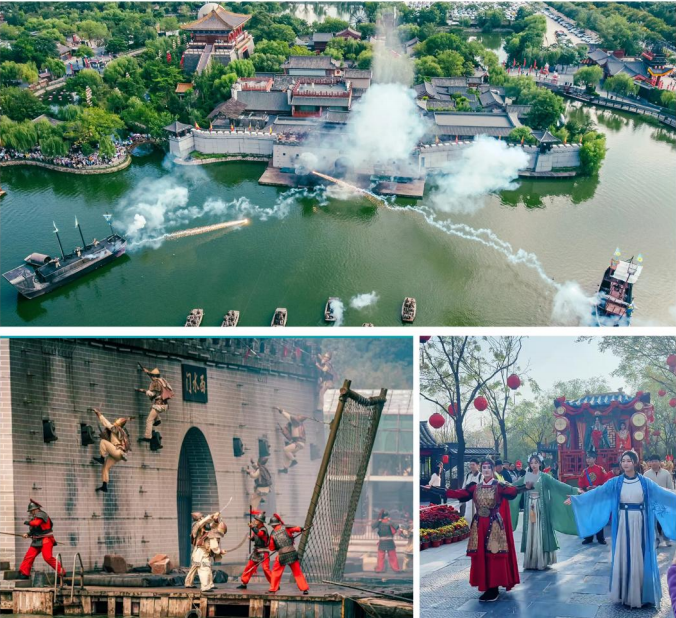
-
Xisi Night Market
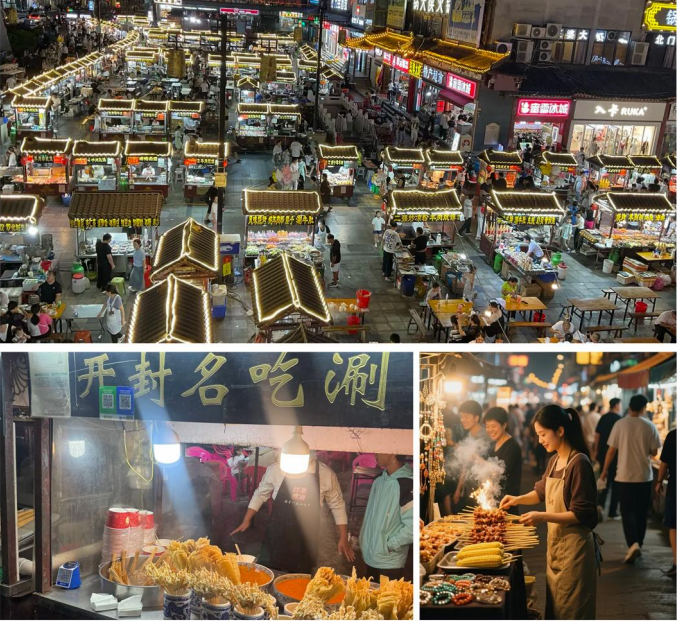
Xisi Night Market, located on Dingjiao Street near the Baogong Temple in Kaifeng City, is a night market primarily featuring local snacks from Kaifeng. It specializes in traditional delicacies such as braised fish in soy sauce, almond tea, spicy lamb hooves, stir-fried rice noodles, and lamb and steamed buns. As one of the main night markets in Kaifeng, its history can be traced back to the night market tradition recorded in the "Dream of the Eastern Capital" during the Northern Song Dynasty. Its daily operating hours are from 18:30 to 1:00 the next day, featuring a concentrated display of Central Plains food culture
- Breakfast
- Private Van
- Full-day English-speaking local guide
-
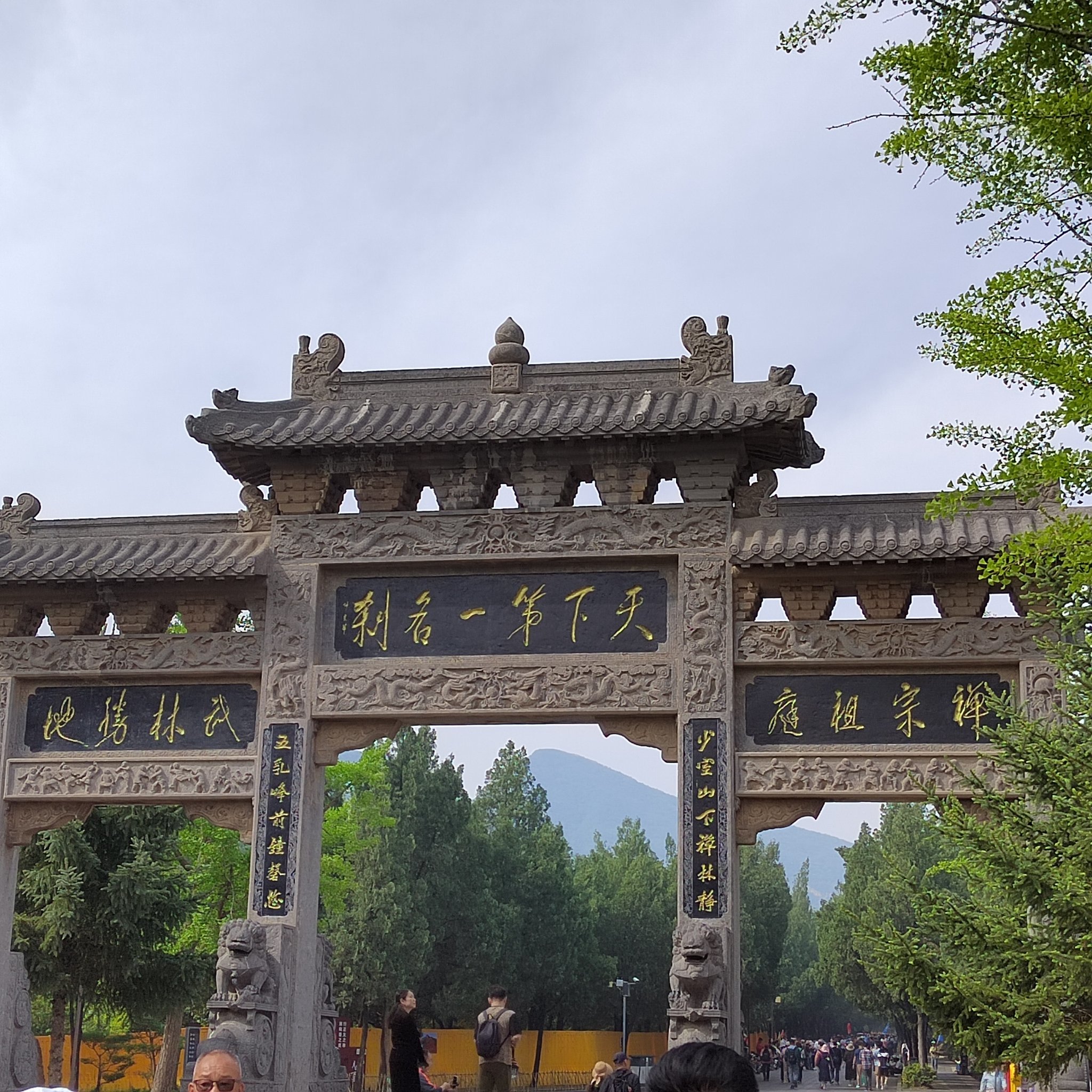
Shaolin Temple
The Shaolin Temple was founded in the 19th year of the Northern Wei Dynasty's Taihe era (495 AD), when Emperor Xiaowen, Tuoba Hong, ordered its construction at the northern foothills of Mount Shaoshi in Songshan to accommodate the Indian monk Batuo, who came to China to teach Hinayana Buddhism.
In the first year of the Yongping era (506 AD), the Indian eminent monks Lama Motie and Bodhi Ruzhi successively arrived at Shaolin Temple to establish translation centers, setting up a scripture translation hall at the stupa on the west terrace of the temple to translate Buddhist scriptures. Subsequently, Hui Guang propagated the teachings of the Four-Part Vinaya and other masters at Shaolin Temple. Over generations of development, the Four-Part Vinaya tradition was eventually formed in later generations.
In the third year of Xiaochang era of Emperor Xiaoming of the Northern Wei Dynasty (527 AD), Bodhidharma, the twenty-eighth disciple of Sakyamuni Buddha, arrived at the Shaolin Temple. Building upon the foundation established by Ba Tuo, he gathered a large number of followers and taught the Zen tradition. In the third year of Tianping era of Emperor Xiaojing of the Eastern Wei Dynasty, he passed on his teachings to Huike, marking the beginning of Zen's establishment and dissemination at the Shaolin Temple.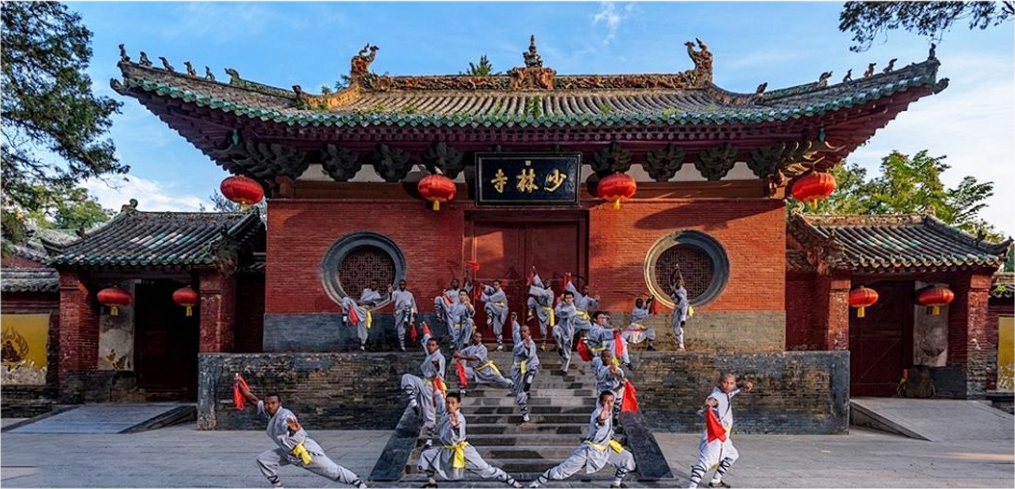
-
White Horse Temple
White Horse Temple, located beside National Highway 310 in Baimasi Town, Chanhe Hui District, Luoyang City, Henan Province, is the birthplace of Chinese Buddhism. It was built in the 11th year of the Yongping era of the Eastern Han Dynasty (68 AD) and is the first officially-run temple constructed after Buddhism was introduced into China. It is regarded as the "origin of Buddhism" and "ancestral home" of Buddhism in China, Vietnam, North Korea, Japan, Europe, and the United States.
White Horse Temple spread Buddhism to Korea, Japan, and Southeast Asia, popularizing it across Asia. Later, it entered Europe and America, becoming a sacred site for Buddhist believers worldwide. Therefore, since the end of the 20th century, Japan has donated funds to rebuild the bell tower of White Horse Temple and erect a statue of Kongō; the governments of Thailand, India, and Myanmar have successively funded the construction of Buddhist temples at White Horse Temple, making it the only international temple in the world with Buddhist temples in Chinese, Indian, Burmese, and Thai styles. South Korea, Singapore, and Malaysia have all come here to receive ordination, and the United States, Germany, and Canada have all attended the abbot's promotion ceremony at this temple. As the most internationalized temple, White Horse Temple truly deserves its reputation as the "No. 1 Temple in the World".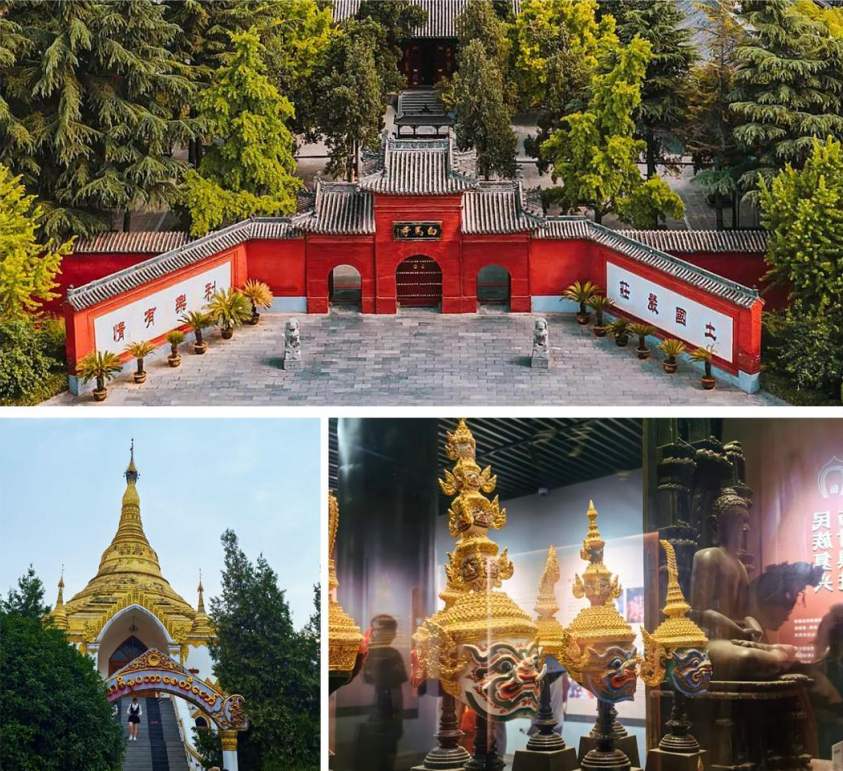
-
Luoyi Ancient City
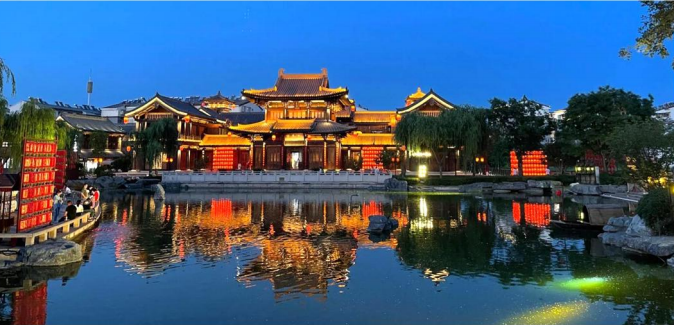
Luoyi was founded in the early years of the Western Zhou Dynasty. Luoyi, also known as Luoyi, was expanded under the supervision of Duke Zhou during the reign of King Cheng of the Western Zhou Dynasty and became known as Zhoucheng; During the Warring States period, it was renamed Luoyang; During the Three Kingdoms period, Luo was changed to Luo; After the construction of the Sui and Tang dynasties, the scale of Luoyang city gradually expanded, and Luoyi Ancient City is an important part of it. Luoyi Ancient City, as the old urban area of Luoyang City, consists of two parts: the first phase project Wenfeng Pagoda Intangible Cultural Heritage Park and the first phase continuation project, from April 2017 to August 2024. The scenic area extends from Xinjie in the east, Jinye Road in the west, Nanhucheng River in the south, and Zhongzhou East Road in the north. It includes protected buildings from multiple historical periods such as Wenfeng Pagoda, Henan Fu Confucian Temple, Tuoling Palace, Siyanjing, and Jinyuan Ancient City Wall Ruins. The main theme of the construction is the architectural styles of Tang, Song, Yuan, Ming, Qing, and Republic of China periods. Based on historical culture, it combines tourism, catering, accommodation, entertainment, and other comprehensive formats to comprehensively build a cultural and entertainment complex. A historical and cultural ancient city that integrates tourism, commerce, leisure, and vacation
- Breakfast
- Private Van
- Full-day English-speaking local guide
-
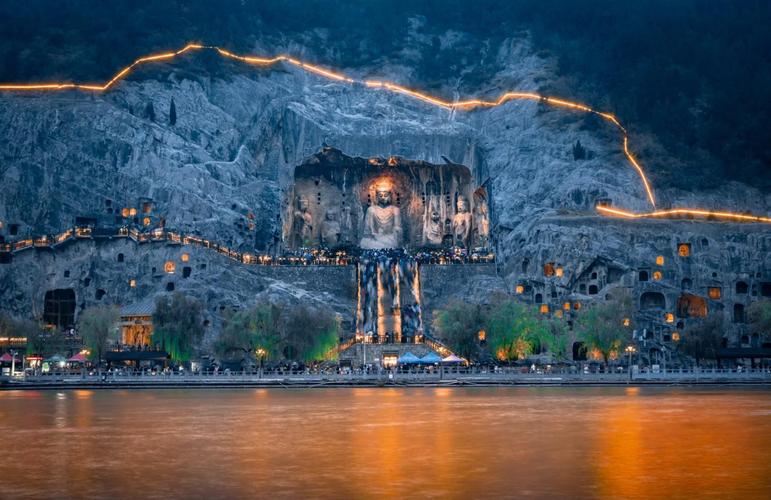
Longmen Caves
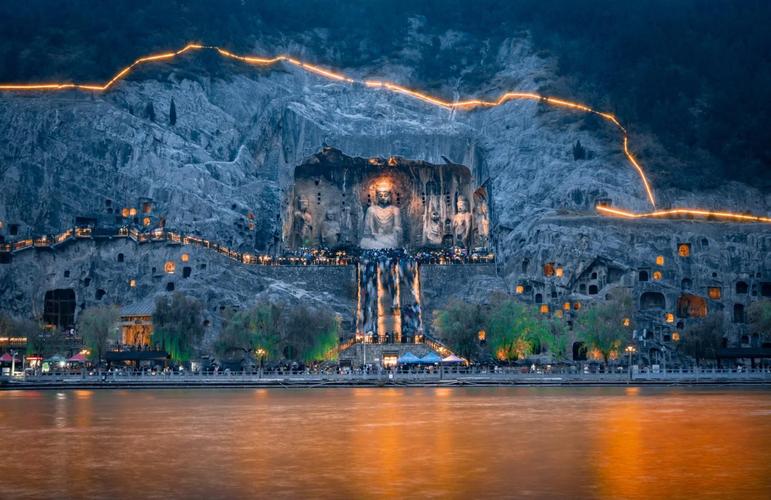
Visit UNESCO-listed Longmen Caves, home to thousands of Buddhist statues carved into limestone cliffs. Dating back to 493 AD, the grottoes represent a pinnacle of Chinese stone carving art. Admire sculptures from 1 inch to 57 feet tall—a true highlight of cultural heritage in China.
- Breakfast
- Private Van
- English-speaking local guide
Accommodation
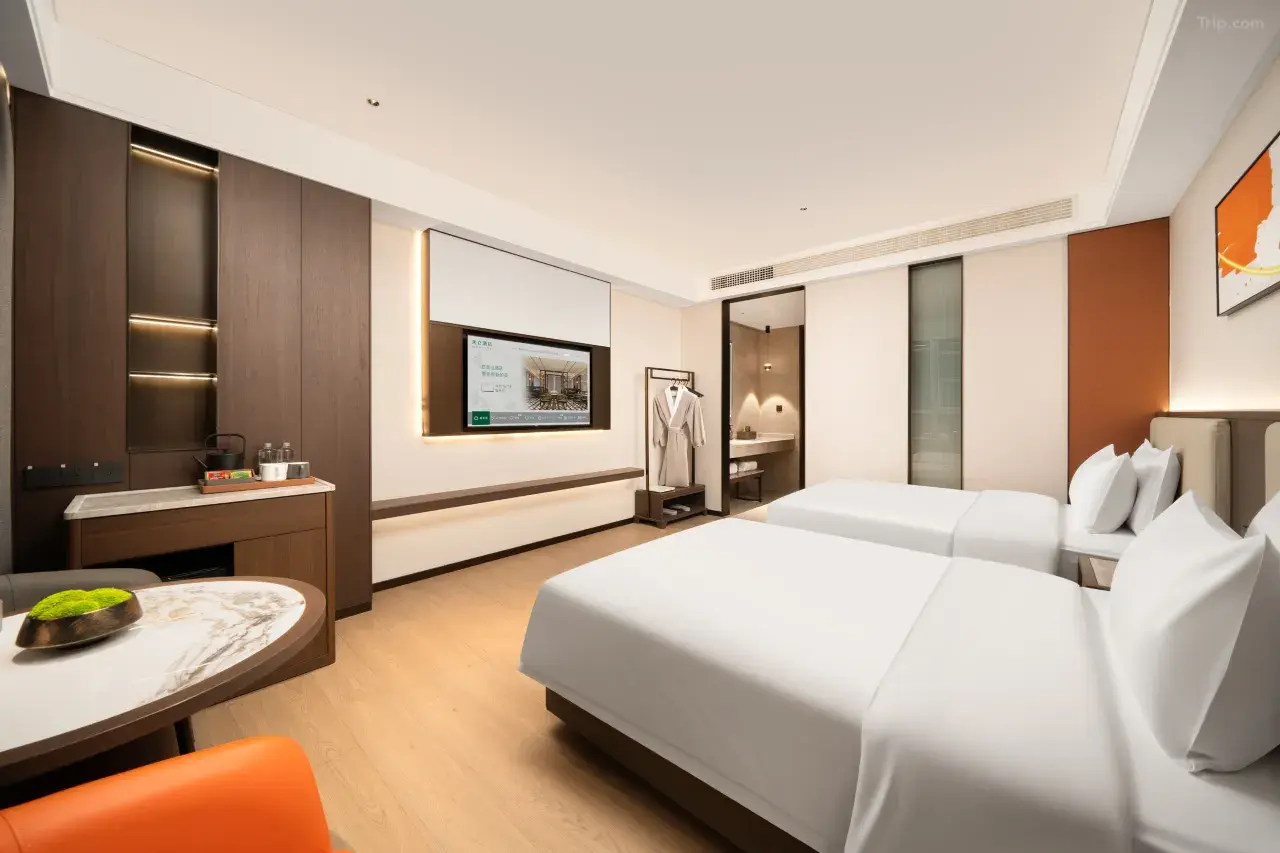
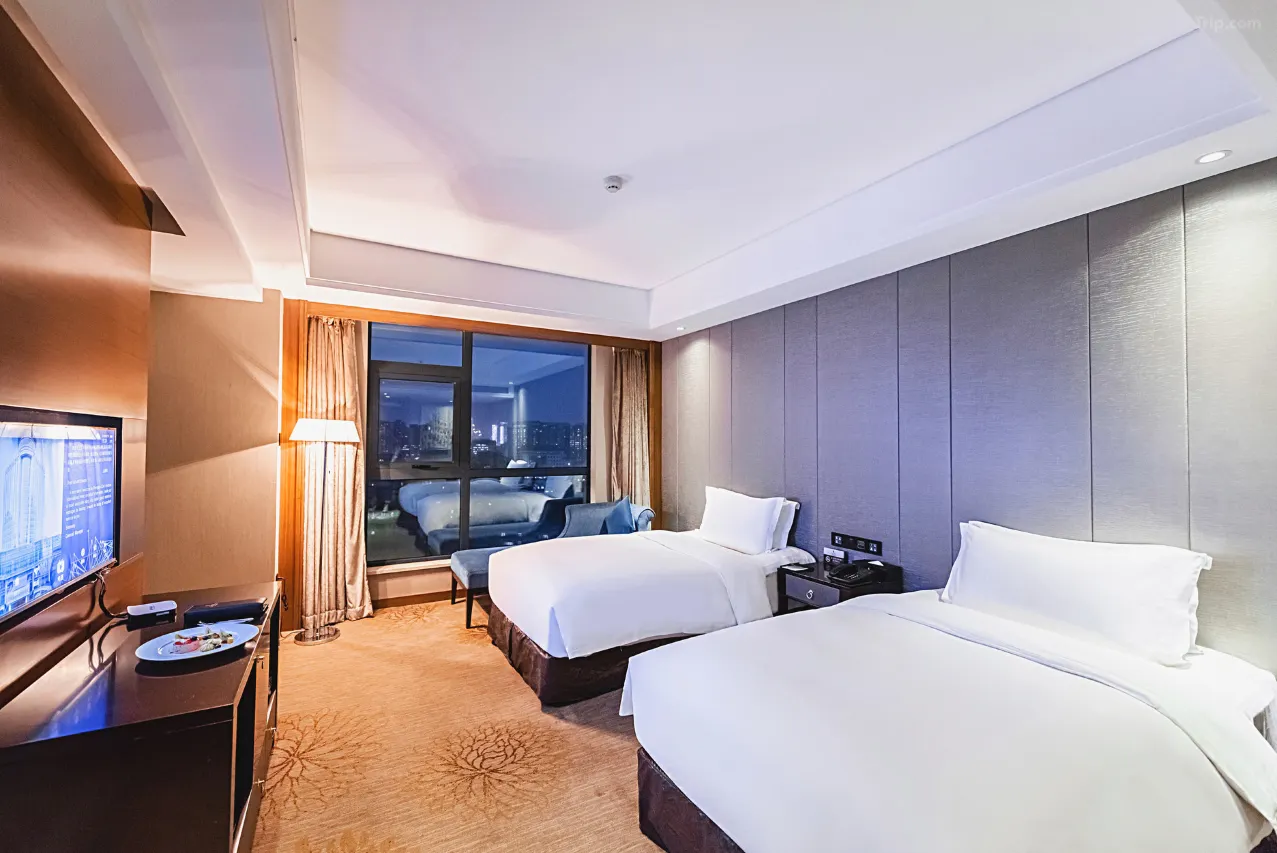
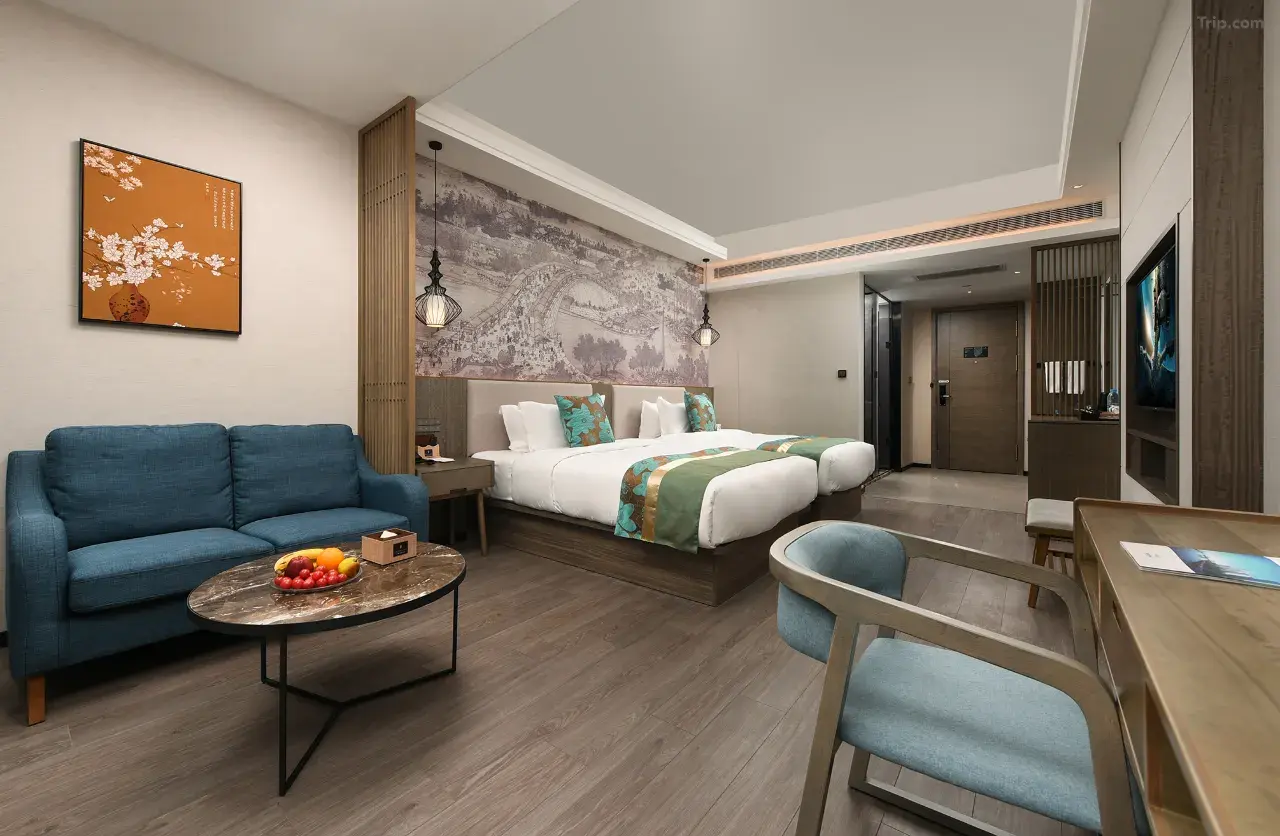
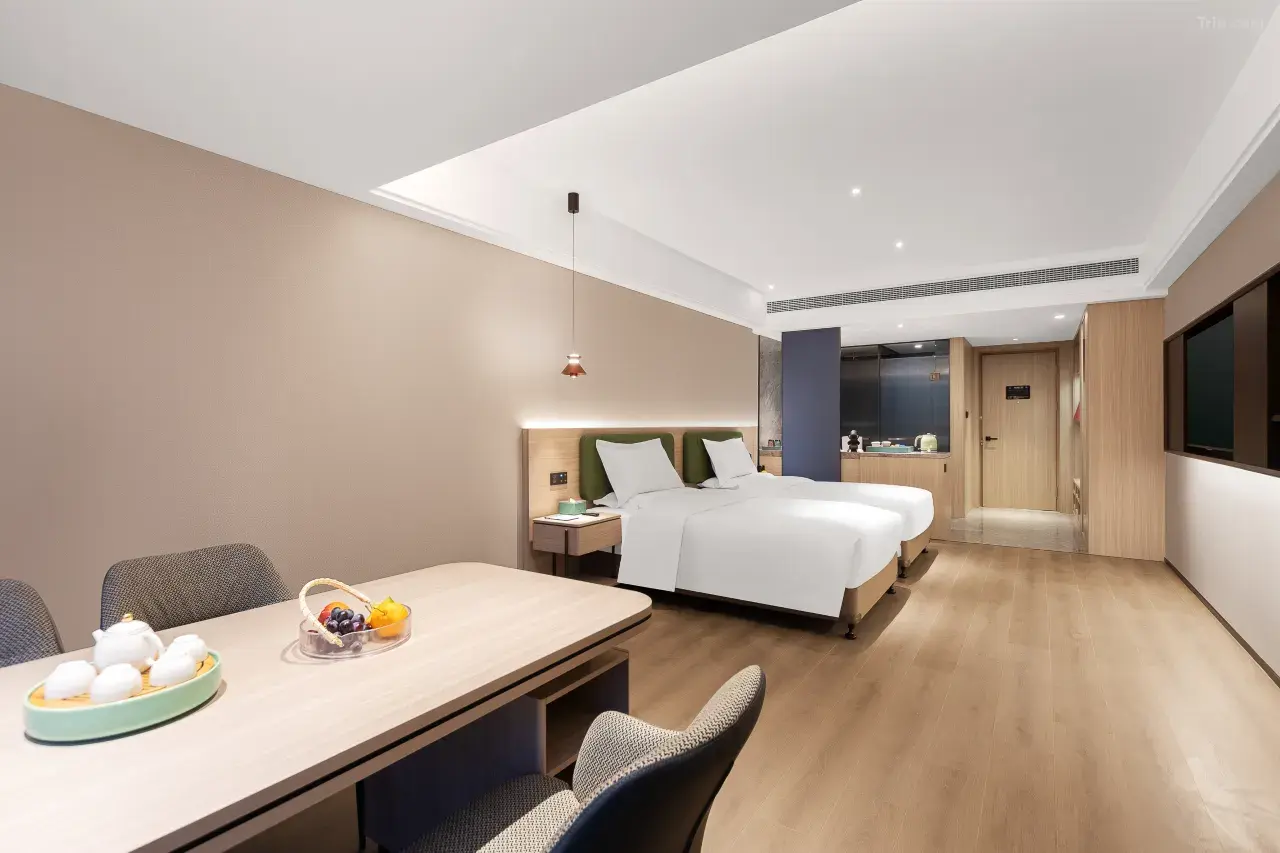
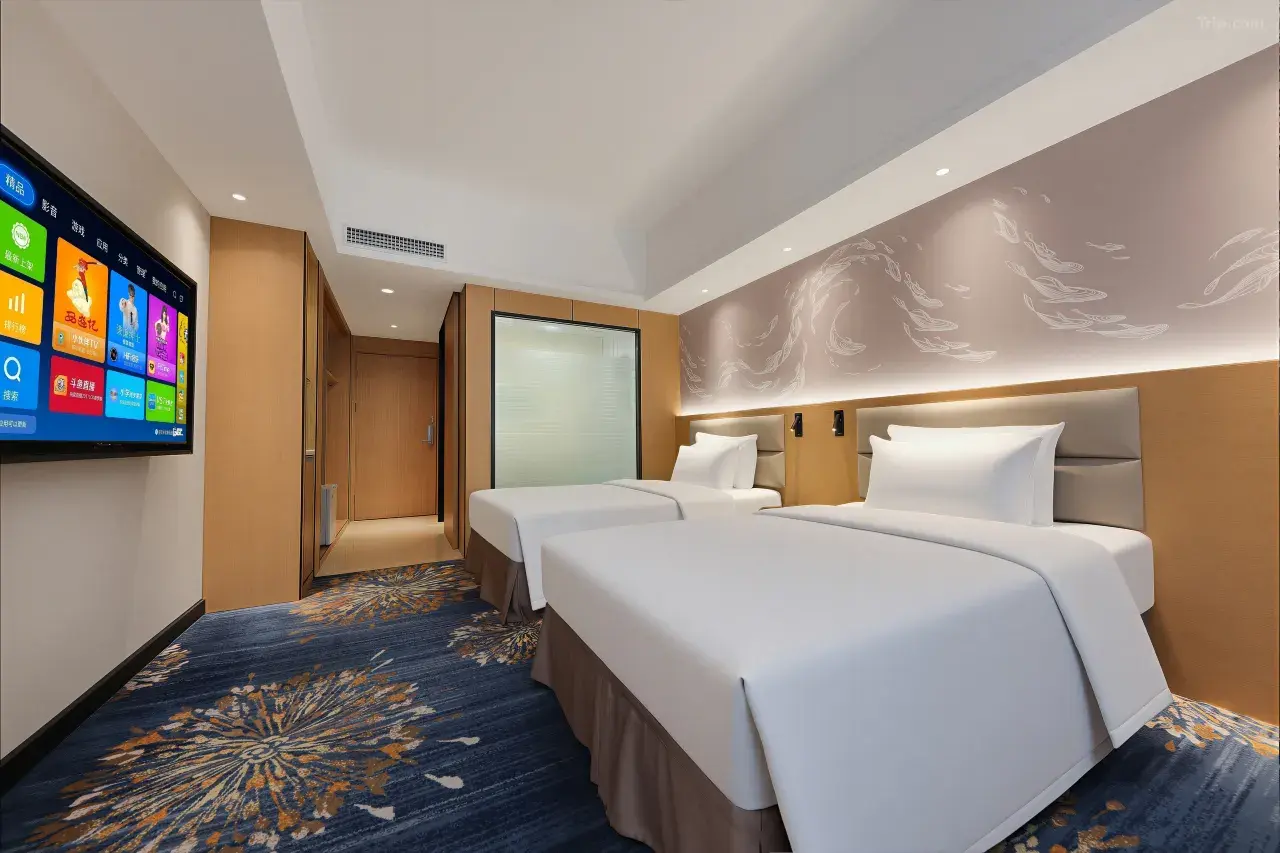
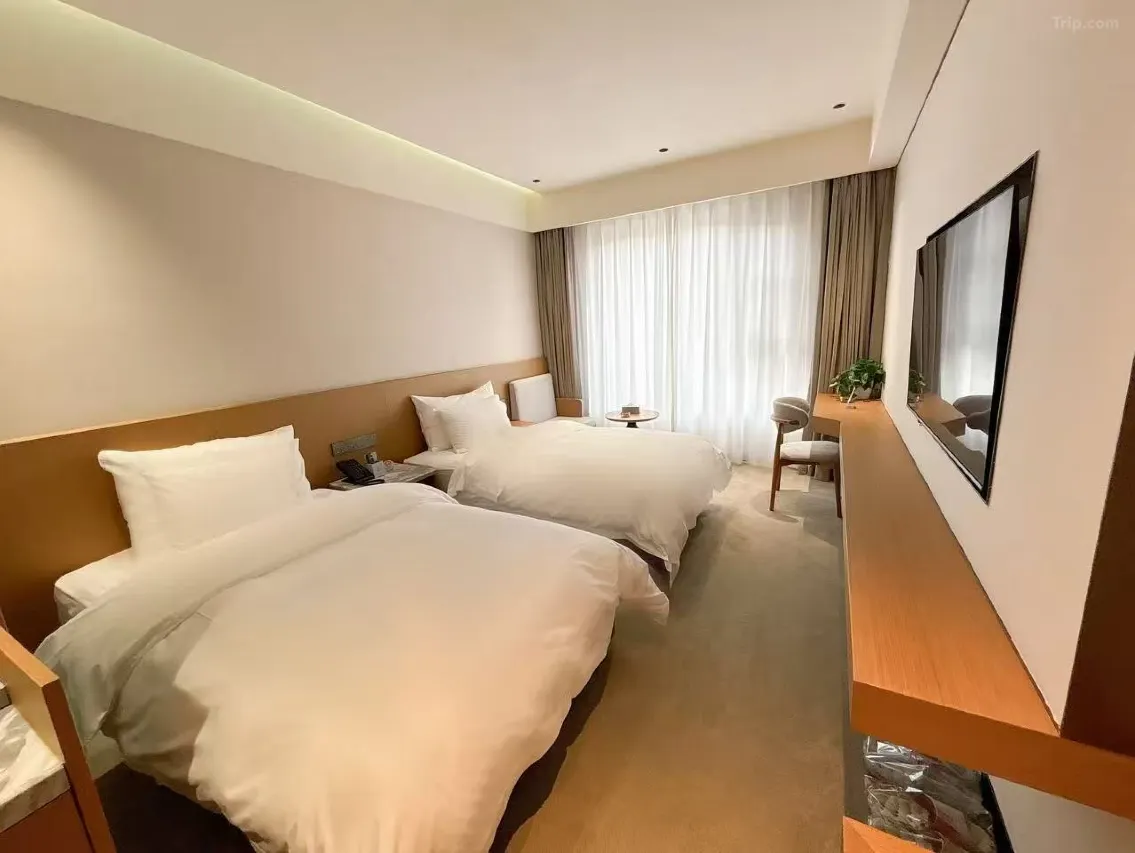
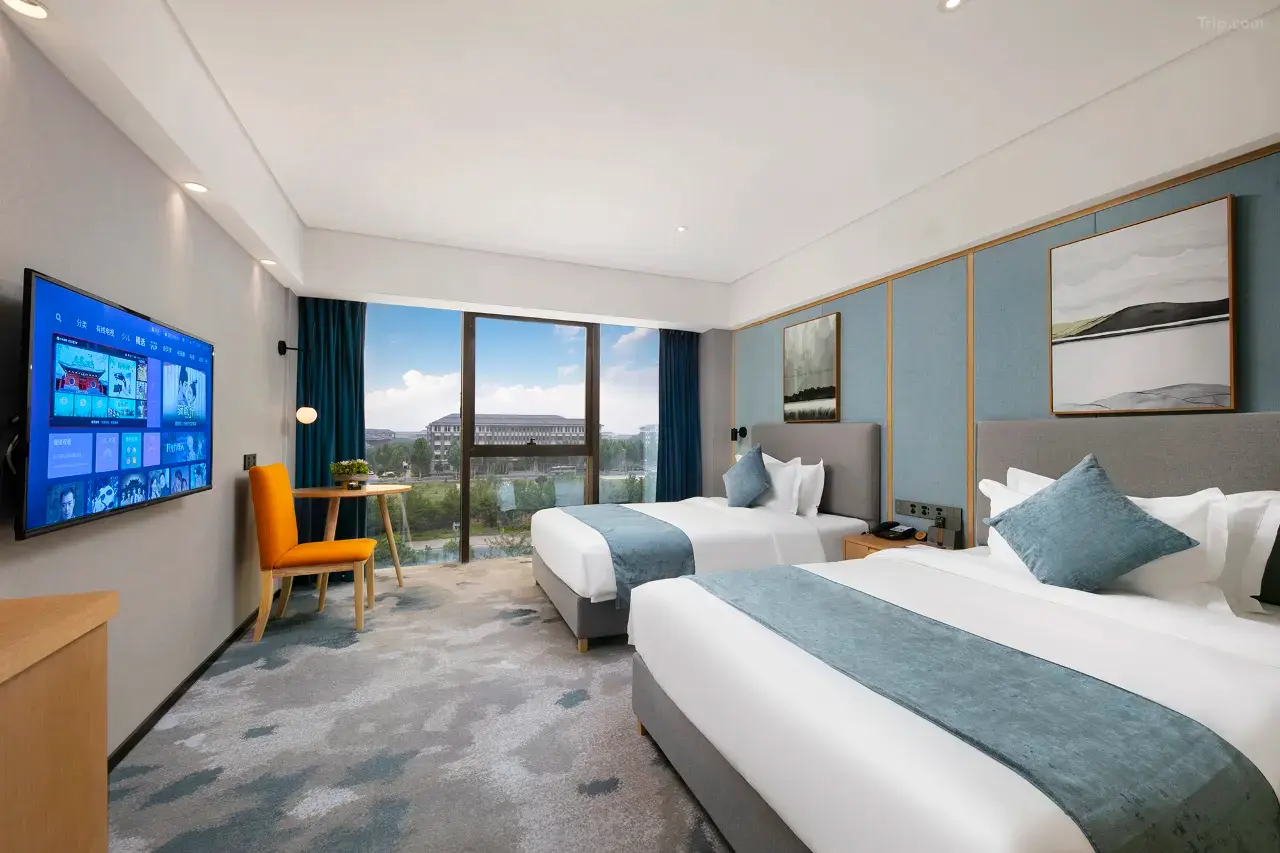
We draw from a wide range of hotels on our holidays, each one is chosen to suit the tour you are travelling on meaning your accommodation can range from a smart business hotel in one city to a family run guesthouse in a smaller town. Here are some examples of the type of hotel you can expect to find on this tour.


Top 03 Recommends

Your Feedback