

Minimum Guests
2 Person
Activate Day
6 Nights/ 7 DaysTour Timeline
If you need to increase or reduce the number of travellers, please contact us for customised arrangements.
- Enjoy a private pickup from your arrival point directly to your hotel with a professional driver.
- None
- Private Van
-
Dazaifu Tenmangu Shrine
Visit Dazaifu Tenmangu Shrine, dedicated to the god of learning. Explore gardens, architecture, and cultural exhibitions. Perfect for photography, family visits, and cultural sightseeing. 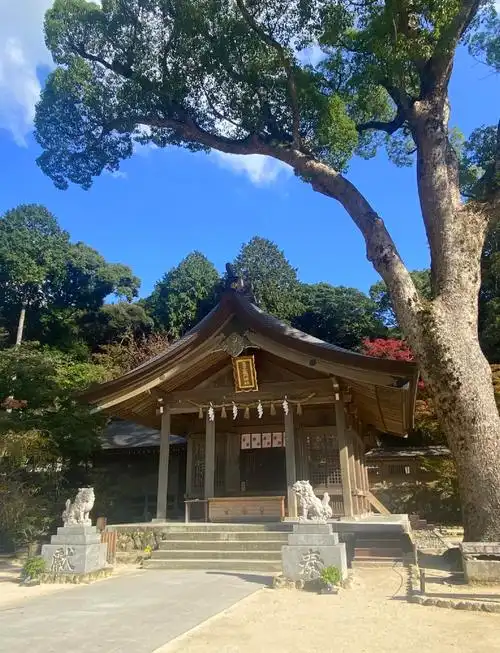
-
Kyushu National Museum
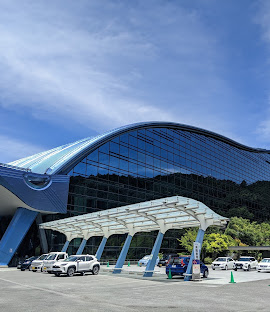
Kyushu National Museum, situated in Dazaifu near Fukuoka, is Japan’s modern cultural gem dedicated to exploring cross-cultural exchanges between Kyushu and Asia. Opened in 2005, its striking architecture blends with mountain surroundings, housing curated exhibits—including the permanent “Ocean Ways, Asian Paths” collection and rotating temporary shows—that trace historical connections from prehistory to the Edo period. With multi-language guides, interactive displays, and easy access from Dazaifu Tenmangu Shrine, it offers a concise yet rich insight into regional and pan-Asian cultural interactions.
-
Nanzoin Temple
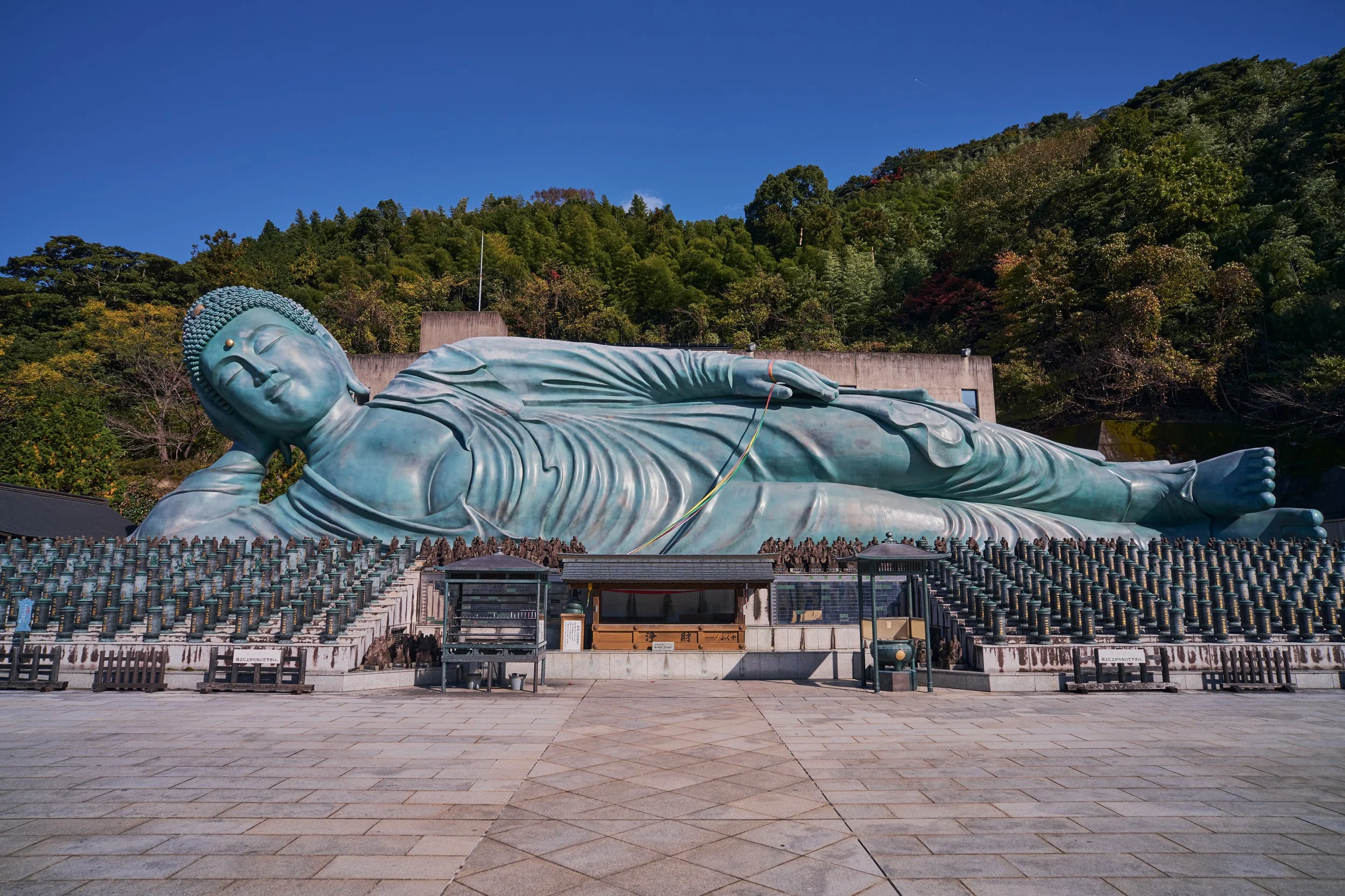
Nanzoin Temple, a serene Buddhist sanctuary in Sasaguri, Fukuoka Prefecture, is renowned for housing the world’s largest bronze reclining Buddha statue—an imposing 41-meter-long masterpiece that exudes calm and reverence. Nestled amid lush, forested hills, the temple grounds offer peaceful walking paths, tranquil ponds, and traditional wooden pavilions, inviting visitors to unwind and reflect. With deep roots in Buddhist teachings, it serves as a spiritual retreat where travelers can admire intricate religious art, participate in meditation, or simply soak in the quiet ambiance. Easily accessible from Fukuoka, Nanzoin Temple blends natural beauty, cultural significance, and profound serenity, making it a must-visit for those seeking peace in Kyushu.
-
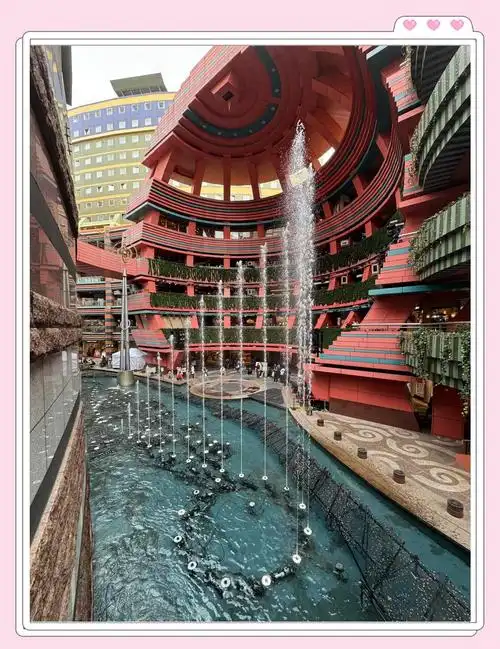
Canal City Hakata

- Breakfast
- Public Transportation
- Transfer from Fukuoka to Nagasaki by a private car. (Fukuoka to Nagasaki)
-
Nagasaki Peace Park
-
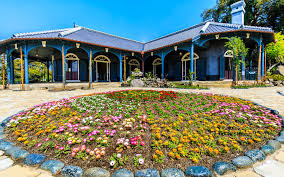
Glover Garden
Glover Garden, a charming hillside oasis in Nagasaki, showcases the city’s rich international heritage through beautifully preserved 19th-century Western-style mansions. Once home to foreign merchants (including Thomas Glover, a key figure in Japan’s modernization), the garden features elegant villas, manicured lawns, and panoramic views of Nagasaki Harbor. Blending Victorian, colonial, and Japanese design elements, the historic buildings house artifacts and exhibits detailing Nagasaki’s role as a gateway for Western culture during Japan’s Edo period. With cherry blossoms in spring and glowing lanterns in autumn, it’s a romantic and nostalgic spot that offers a unique glimpse into Japan’s cross-cultural past.
-
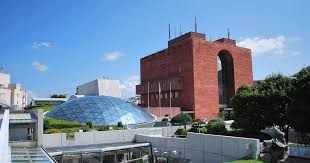
Nagasaki Atomic Bomb Museum
Nagasaki Atomic Bomb Museum, located near Nagasaki Peace Park, is a profound tribute to the victims of the 1945 atomic bombing and a powerful advocate for peace. Through haunting yet informative exhibits—including personal belongings, survivor testimonies, historical photographs, and scientific displays—the museum chronicles the bombing’s devastating impact, from the immediate destruction to long-term humanitarian consequences. Designed to foster reflection rather than despair, it balances factual accounts with stories of resilience, emphasizing the urgent need for nuclear disarmament. With a solemn yet educational atmosphere, the museum offers visitors a deeply moving experience that honors the past and inspires a commitment to a peaceful future.
-
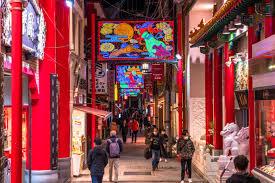
Shinchi Chinatown
Shinchi Chinatown, Nagasaki’s vibrant historic district and one of Japan’s oldest Chinatowns, is a feast for the senses blending Chinese culture and local charm. Lined with colorful red lanterns, traditional archways, and bustling streets, it’s home to authentic Cantonese, Sichuan, and Taiwanese restaurants serving dim sum, roast pork, and savory noodles—many passed down through generations. Quaint shops offer Chinese teas, confections, and handicrafts, while seasonal festivals (like Lunar New Year) bring dragon dances and lively celebrations. With its warm atmosphere, delicious cuisine, and rich cultural heritage, Shinchi Chinatown offers a delightful taste of China in the heart of Nagasaki, perfect for food lovers and culture seekers alike.
-
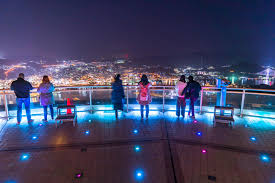
Mt. Inasayama Observation Deck
Mt. Inasayama Observation Deck, perched atop a hill overlooking Nagasaki, offers breathtaking panoramic views of the city’s iconic harbor, sprawling neighborhoods, and lush surrounding landscapes. A short hike or drive from downtown, this popular vantage point is renowned for its stunning sunsets—when the sky glows orange and pink, casting a warm hue over Nagasaki’s coastal beauty. By night, the twinkling city lights and harbor reflections create a magical, postcard-perfect scene. With well-maintained paths and viewing platforms, it’s an accessible spot for visitors to soak in Nagasaki’s scenic grandeur, making it a must-visit for anyone seeking unforgettable views of the city.
- Breakfast
- Private Van
- Transfer from Nagasaki to Kumamoto by a private car. (Nagasaki to Kumamoto)
-
Yanagawa
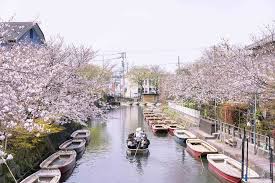
Yanagawa, a charming water town in Fukuoka Prefecture, is beloved for its winding canals, traditional kappa (river boat) cruises, and Edo-period charm. Often called “Kyushu’s Venice,” the town’s network of calm waterways is best explored via wooden boats, where pole-wielding boatmen share local stories and serenade visitors with folk songs. Lined with willow trees, historic samurai residences, and moss-covered stone bridges, the canals offer a peaceful escape into Japan’s pastoral past. Yanagawa is also famous for its savory “unagi” (eel) cuisine, grilled to perfection with sweet soy sauce. With its slow pace, natural beauty, and rich cultural heritage, it’s a delightful destination for travelers seeking tranquility and authentic rural Japanese experiences.
-
Kumamoto Castle
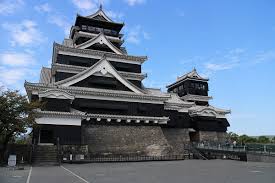
Kumamoto Castle, one of Japan’s renowned “Three Great Castles,” stands majestically in Kumamoto City, Kumamoto Prefecture, blending centuries of history, strategic architecture, and cultural legacy. Originally constructed in the late Muromachi period as Kubota Castle, it was rebuilt by Kato Kiyomasa between 1601 and 1608, spanning 980,000 square meters with a 9-kilometer perimeter—earning its nickname “Ginkgo Castle” due to the ginkgo trees planted by Kiyomasa for wartime provisions. Though much of the castle was destroyed in the 1877 Satsuma Rebellion and damaged by the 2016 Kumamoto Earthquake (with restoration ongoing), its reconstructed 1960 keep and iconic stone walls remain awe-inspiring. The castle’s architectural highlights include the “warrior’s return” stone walls—gently sloping at the base and steepening vertically at the top—and the connected watchtower-style tenshukaku (main keep), a 3-story structure with 6 levels total. Today, it stands as a symbol of resilience, inviting visitors to explore its historic grounds, learn about feudal-era warfare, and admire the blend of military ingenuity and traditional Japanese design that cements its status as a national treasure.
-
Suizenji Garden
-
Kumamon Square
Kumamon Square, the vibrant heart of Kumamoto’s beloved mascot culture, is a must-visit destination in downtown Kumamoto City. Located on the first floor of Tetoria Kumamoto Building, this free-entry hub celebrates Kumamon—Kumamoto Prefecture’s iconic “Sales and Happiness Manager”—with endless fun for visitors of all ages. Catch the fluffy bear’s lively daily performances on the 360-degree stage, snap SNS-worthy photos at themed spots, or engage with interactive AR games. The square also houses a “Fan’s House” showcasing Kumamon’s memorabilia, a bazaar stocked with exclusive merchandise, and a café serving cute bear-themed desserts made with local ingredients. Bursting with color, joy, and Kumamoto’s warm charm, it’s the perfect place to meet the world-famous mascot and take home unforgettable memories of Kyushu.

- Breakfast
- Private Van
-
Takachiho-jinja Shrine
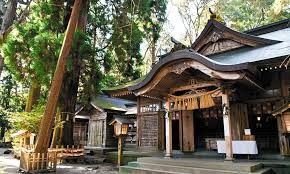
Takachiho-jinja Shrine, a sacred Shinto sanctuary nestled in the misty valleys of Takachiho, Miyazaki Prefecture, is deeply tied to Japan’s mythological origins—said to be where the sun goddess Amaterasu retreated to a cave, plunging the world into darkness. Surrounded by ancient cedar forests and the dramatic Gokase River Gorge, the shrine exudes an otherworldly tranquility, with its traditional vermilion torii gates, wooden pavilions, and stone paths winding through lush greenery. Highlights include the main hall, adorned with intricate carvings depicting Shinto myths, and the nearby “ Amano Iwato Shrine”—a small cave shrine marking the legendary site of Amaterasu’s hiding. Each evening, visitors gather to witness the “Yudate” fire ritual, where shrine priests perform a sacred dance with flaming torches, casting flickering light on the shrine’s grounds and honoring the gods. Blending myth, nature, and tradition, Takachiho-jinja Shrine offers a profound spiritual experience, inviting travelers to connect with Japan’s ancient folklore amid one of Kyushu’s most breathtaking natural settings.
-
Takachiho Gorge
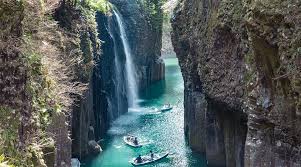
Takachiho Gorge, a breathtaking natural wonder in Miyazaki Prefecture, Kyushu, is a dramatic canyon carved by ancient lava flows from nearby Mount Aso. Renowned for its steep basalt cliffs, crystal-clear emerald waters, and the iconic 17-meter Manai Falls—where water cascades over moss-covered rocks—the gorge offers a surreal, almost otherworldly landscape. Visitors can explore its beauty via a scenic walking trail along the gorge’s edge or glide gently through the calm waters on rental boats, getting up close to the towering cliffs and cascading waterfalls. Bathed in soft light year-round, with cherry blossoms adding pink hues in spring and fiery foliage in autumn, Takachiho Gorge blends raw natural power with delicate beauty, making it a must-visit for nature lovers and photographers seeking to capture Kyushu’s most stunning scenery.
-
Mount Aso
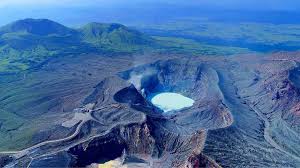
Mount Aso, an iconic active volcano complex in Kumamoto Prefecture, Kyushu, stands as one of Japan’s most awe-inspiring natural wonders. Dominated by the world’s largest caldera—spanning 25 km in diameter and encircling a landscape of volcanic peaks, lush plains, and thermal vents—it offers a dramatic blend of raw geological power and serene beauty. The highlight is Nakadake, the only currently active crater, where visitors can witness billowing plumes of sulfuric smoke rising from its fiery depths (access varies by volcanic activity). Beyond the crater, the surrounding area boasts scenic gems like Kusasenri, a verdant grassy plain dotted with ponds and grazing horses, and Mount Kishima, offering panoramic views of the caldera. Whether hiking its trails, soaking in nearby hot springs, or simply marveling at the stark, primal landscape, Mount Aso delivers an unforgettable experience that showcases Kyushu’s volcanic heritage and the immense power of nature.
-
Kusasenri
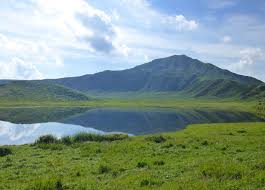
Kusasenri, a picturesque grassy plateau nestled within Mount Aso’s vast caldera in Kumamoto Prefecture, is one of Kyushu’s most serene and iconic natural landscapes. Stretching across rolling hills dotted with tranquil ponds, this emerald-green plain offers unobstructed views of Nakadake—Mount Aso’s active crater, where wispy sulfuric smoke drifts gently into the sky. Lush with seasonal vegetation, it blooms with wildflowers in spring, glows with vibrant greenery in summer, turns golden in autumn, and dusts with snow in winter, creating a ever-changing tapestry of beauty. Horses graze leisurely across the plains, adding to the pastoral charm, while hiking trails and horse-riding paths invite visitors to immerse themselves in the peaceful surroundings. As part of the Mount Aso Geopark, Kusasenri perfectly blends volcanic grandeur with gentle natural beauty, making it a beloved spot for relaxation, photography, and connecting with Kyushu’s awe-inspiring volcanic heritage.
- Breakfast , Dinner
- Private Van
- Transfer from Kumamoto to Fukuoka by a private car. (Kumamoto to Fukuoka)
-
Kokonoe Yume Grand Suspension Bridge
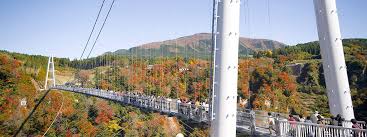
Kokonoe Yume Grand Suspension Bridge, a spectacular engineering marvel in Oita Prefecture’s Kokonoe Town, stands as Japan’s longest and highest pedestrian suspension bridge, offering adrenaline-pumping views of Kyushu’s rugged natural beauty. Spanning 390 meters across the Naruko River Valley and towering 173 meters above the ground, the bridge treats visitors to panoramic vistas of lush green mountains, cascading waterfalls (including the iconic Takachiho-no-Taki and Manai-no-Taki), and winding river below. Designed for pedestrians, its sturdy walkway provides a thrilling “walking-on-air” experience, with glass observation platforms (on select sections) amplifying the sense of height. Surrounded by seasonal splendor—cherry blossoms in spring, vibrant foliage in autumn, and snow-dusted peaks in winter—the bridge is not just a feat of engineering but a gateway to Kyushu’s wilderness. Whether seeking adventure, capturing stunning photographs, or simply marveling at the blend of human ingenuity and natural grandeur, Kokonoe Yume Grand Suspension Bridge delivers an unforgettable sky-high experience.
-
Lake Kinrin
-
Seven Hells of Beppu
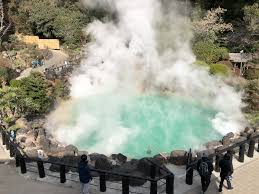
The Seven Hells of Beppu (Beppu Jigoku), a iconic cluster of hot spring sites in Beppu, Oita Prefecture, captivate visitors with their otherworldly landscapes and raw geothermal power. Named for their dramatic, hell-like appearances—steaming vents, boiling mud, and vividly colored waters—these seven distinct sites showcase nature’s fiery beauty. Highlights include Umi Jigoku (Sea Hell), with its striking cobalt-blue waters tinted by iron sulfate; Chinoike Jigoku (Blood Pond Hell), Japan’s oldest "hell" featuring blood-red mud from iron and magnesium oxides; and Tatsumaki Jigoku (Tornado Hell), where periodic geyser-like eruptions of hot water and steam astound onlookers. Shiraike Jigoku (White Pond Hell) boasts milky white waters from calcium carbonate, while Oniishi Bōzu Jigoku (Demon Stone Priest Hell) features bubbling gray mud resembling shaven priestly heads. Oniyama Jigoku (Demon Mountain Hell) adds a unique twist as a crocodile sanctuary, housing around 80 reptiles in its warm geothermal surroundings. Blending natural 奇观 (wonders) with cultural intrigue, the Seven Hells of Beppu offer a surreal journey into Kyushu’s geothermal heart, making them a must-visit for travelers seeking unforgettable natural and cultural experiences.
-
Yunotsubo Kaido Street
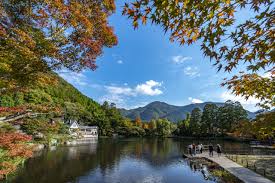
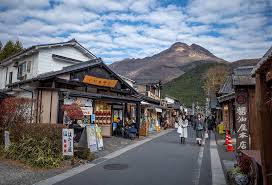
Yunotsubo Kaido Street, the enchanting pedestrian backbone of Yufuin in Oita Prefecture, weaves an 800-meter tapestry of charm between Yufuin Station and Lake Kinrin, framed by the iconic silhouette of Mount Yufu. Lined with traditional wooden storefronts, boutique shops, cozy cafes, and art galleries, this tree-draped thoroughfare blends rural serenity with artistic flair—adorned with seasonal blooms from cherry blossoms in spring to fiery maples in autumn. Wander at a leisurely pace to savor local delights: buttery Yufuin cheesecake, aromatic matcha, and steaming onsen manju (hot spring buns) filled with sweet red bean paste. Browse handcrafted ceramics, textiles, and artist-inspired souvenirs, or pause on a café terrace to soak in the mountain views. With its relaxed, timeless ambiance that marries tradition and modernity, Yunotsubo Kaido Street captures the very essence of Yufuin’s small-town magic, making it an unmissable highlight of any Kyushu journey.
- Breakfast
- Private Van
- Enjoy a private drop-off from your hotel, with a guide accompanying you and assisting throughout the transfer to your departure point.
- Breakfast
- Private Van
Accommodation
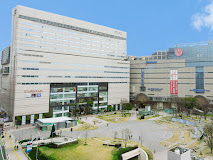
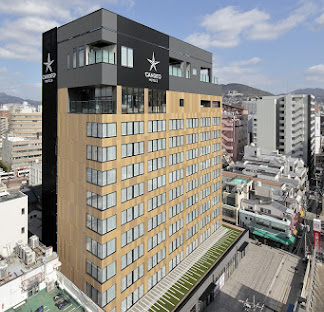
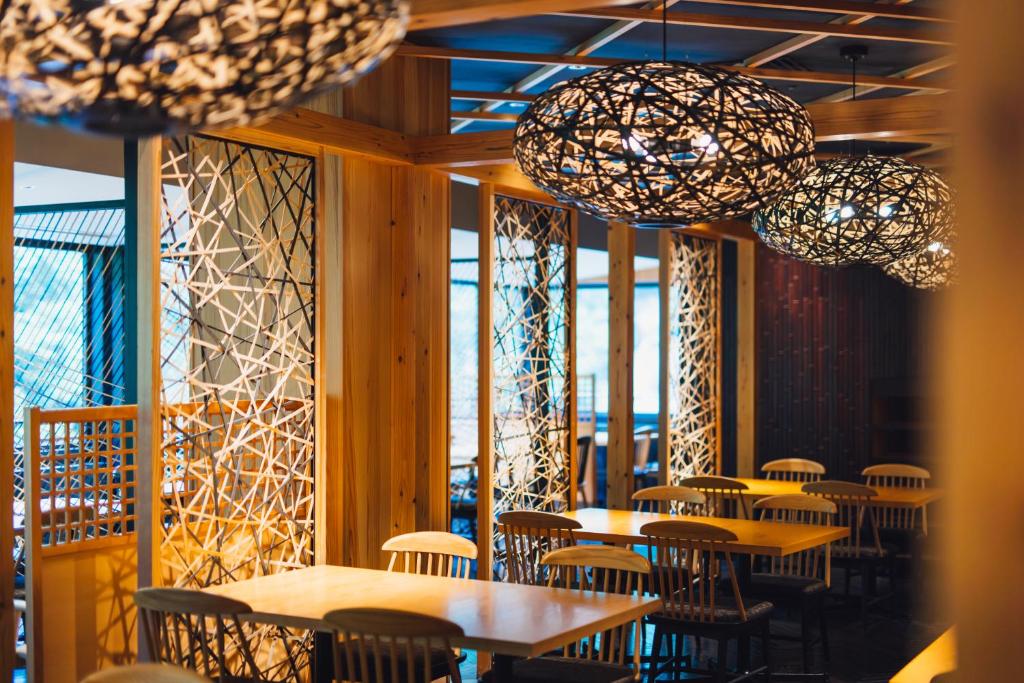
We draw from a wide range of hotels on our holidays, each one is chosen to suit the tour you are travelling on meaning your accommodation can range from a smart business hotel in one city to a family run guesthouse in a smaller town. Here are some examples of the type of hotel you can expect to find on this tour.




Your Feedback