

Minimum Guests
2 Person
Activate Day
3 Nights/ 4 DaysThis is a classic 4-day English itinerary for the Kumano Kodo Nakahechi Trail, tailored for European and American guests, balancing natural scenery and Buddhist pilgrimage. It also includes the best time to visit, essential items to bring, accommodation conditions, and key tips.
Best Time to Visit
Spring (mid-March to mid-May) and Autumn (mid-September to mid-November).
• Spring: Cherry blossoms, azaleas, mild weather, and low humidity.
• Autumn: Pleasant temperatures (10-28°C), dry air, and stunning autumn foliage (peak in late October - early November).
These two seasons are ideal for long-distance hiking.
Seasons to Avoid
• Early June - early July: Rainy season with slippery trails.
• Mid-August: Scorching heat and high mosquito activity.
• Winter (December - February): Cold temperatures (4-6°C, even below zero at night) and potential snow/ice on mountain sections, requiring heavy-duty cold-weather gear. (Note: Winter is quiet for those seeking solitude.)
Essential Items to Bring
|
Category |
Must-Haves |
|
Footwear |
Well-broken-in mid-cut hiking boots (prevent ankle sprains); 2-3 pairs of wool hiking socks (reduce blisters) |
|
Clothing |
Moisture-wicking base layers; windproof/waterproof jacket & pants; fleece jacket (for autumn/winter); long hiking pants (protect against leeches/snakes) |
|
Gear |
Trekking poles (reduce knee strain); 1L water bottle; high-energy snacks (nuts, energy bars); offline hiking app (YAMAP) or paper map; portable charger; hat, sunglasses, sunscreen |
|
Miscellaneous |
Pilgrimage stamp book; cash (many rural areas have no card payment); first-aid kit (band-aids, antiseptic, painkillers); insect repellent |
Accommodation Conditions
|
Location |
Accommodation Type |
Features |
|
Kii-Tanabe |
Business hotel/ryokan |
Close to the station; includes breakfast; some offer luggage transfer services |
|
Chikatsuyu |
Minshuku |
Tatami rooms; home-cooked meals (breakfast + dinner); packed lunch for hiking |
|
Kawayu Onsen |
Hot-spring ryokan |
Private/public onsen; kaiseki dinners; traditional Japanese rooms |
|
Kii-Katsuura |
Coastal ryokan/hotel |
Ocean-view rooms; fresh seafood; easy access to transport |
Key Tips
• Book accommodation with meals in advance, as mountain areas have few restaurants.
• Most minshukus/ryokans provide luggage transfer to the next stop, allowing you to hike light.
Critical Notes
• Trail markers are clear, but download offline maps (YAMAP) beforehand as mobile signals are weak in the mountains.
• Finish hiking before 16:30 in autumn/winter, as mountain areas get dark quickly and night hiking is dangerous.
• Respect local customs: Avoid noise in shrines, and follow onsen etiquette (wash your body before entering the bath; no swimsuits).
• Carry enough cash, as credit cards are rarely accepted in small villages and mountain shops.
Tour Timeline
If you need to increase or reduce the number of travellers, please contact us for customised arrangements.
-
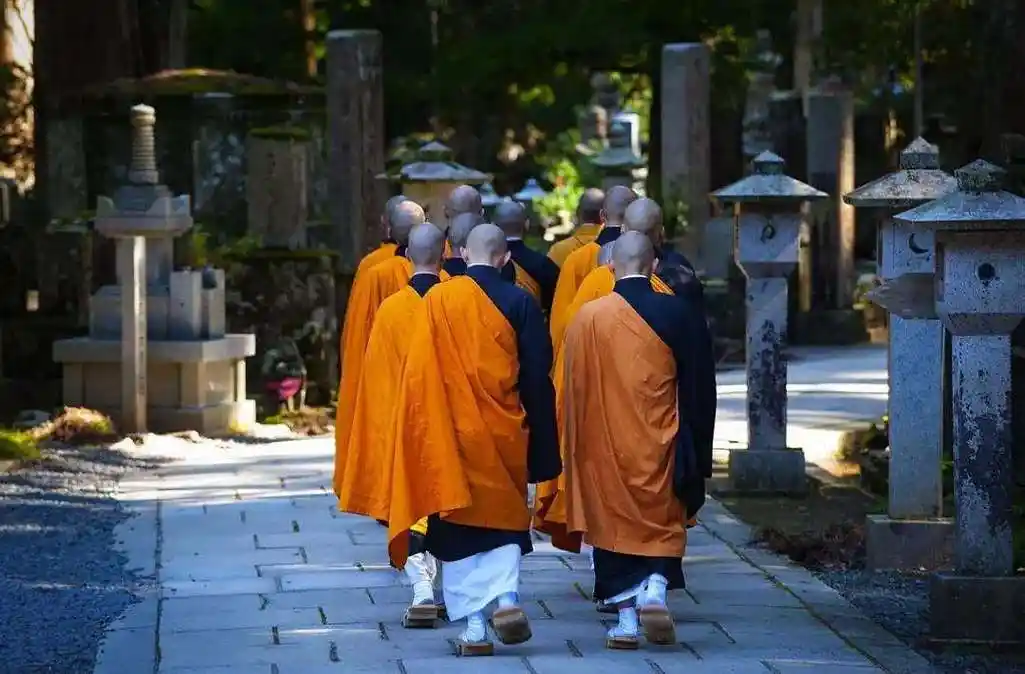
Day 1: Kii-Tanabe → Takijiri-oji → Takahara → Chikatsuyu-oji
• Transport: Take a shuttle bus from Kii-Tanabe to Takijiri-oji (the trailhead).
• Hiking: 14km, 7-8 hours. Pass through Takahara ("village in the mist") and Ushajizou (iconic stone monument). End at Chikatsuyu-oji (historic shrine-station).
• Key Experience: Collect a pilgrimage stamp book at Kii-Tanabe Tourism Association to get stamps at shrines along the way.
• Accommodation: Minshuku (traditional guesthouse) in Chikatsuyu. Includes breakfast, dinner, and a packed lunch for the next day. Japanese-style tatami rooms.
• Meals: Welcome dinner at the guesthouse; lunch is a picnic with carried snacks.
- Breakfast
-
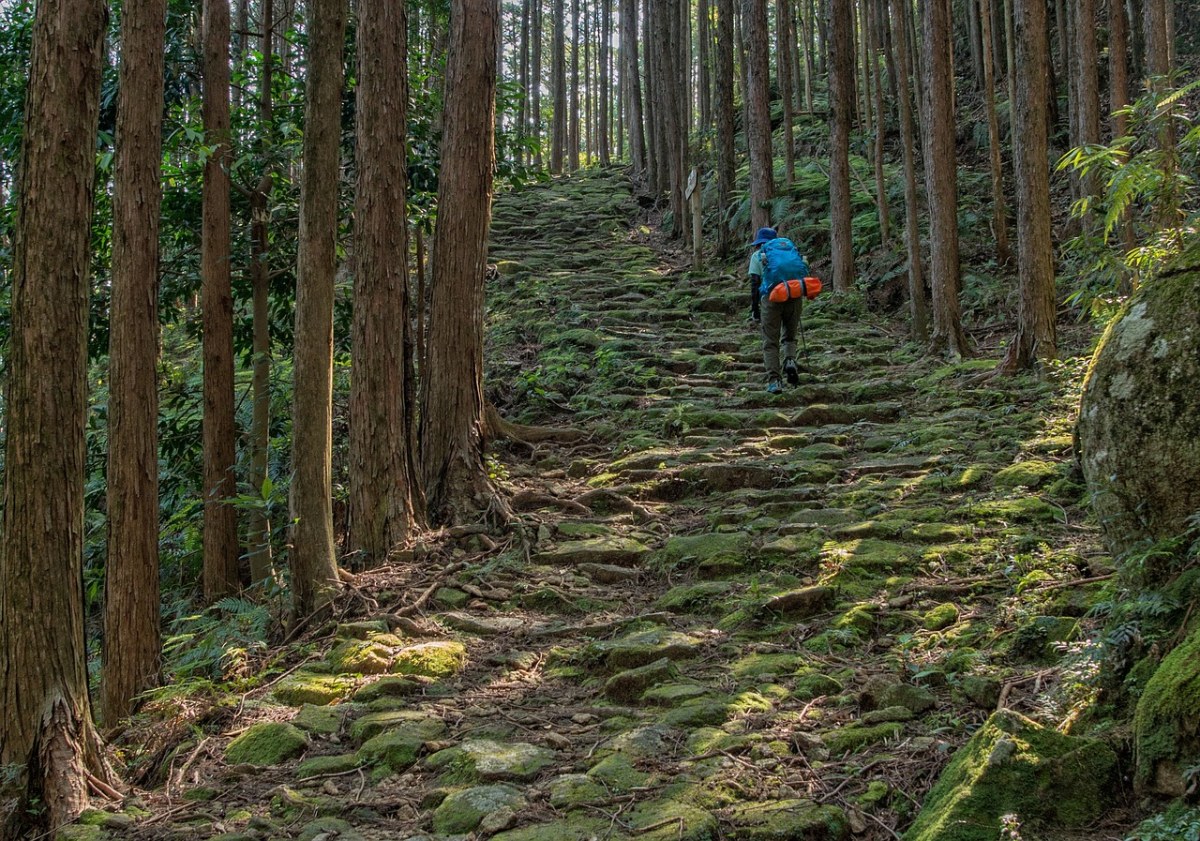
Day 2: Chikatsuyu-oji → Hosshinmon-oji → Kawayu Onsen
• Transport: Shuttle bus to the start of the day's hiking section.
• Hiking: 12km, 5-6 hours. Visit Hosshinmon-oji (crucial shrine-station guiding pilgrims since the Heian period).
• Key Experience: Immerse in the spiritual atmosphere of ancient shrine ruins and forest-wrapped trails.
• Accommodation: Hot-spring inn (ryokan) in Kawayu Onsen (e.g., KAWAYU MIDORIYA). Features private/public hot-spring baths, kaiseki dinners, and Japanese-style rooms. Soaking relieves hiking fatigue.
• Meals: Breakfast at the minshuku; lunch is a picnic; dinner is a kaiseki meal at the ryokan.
- Breakfast
-
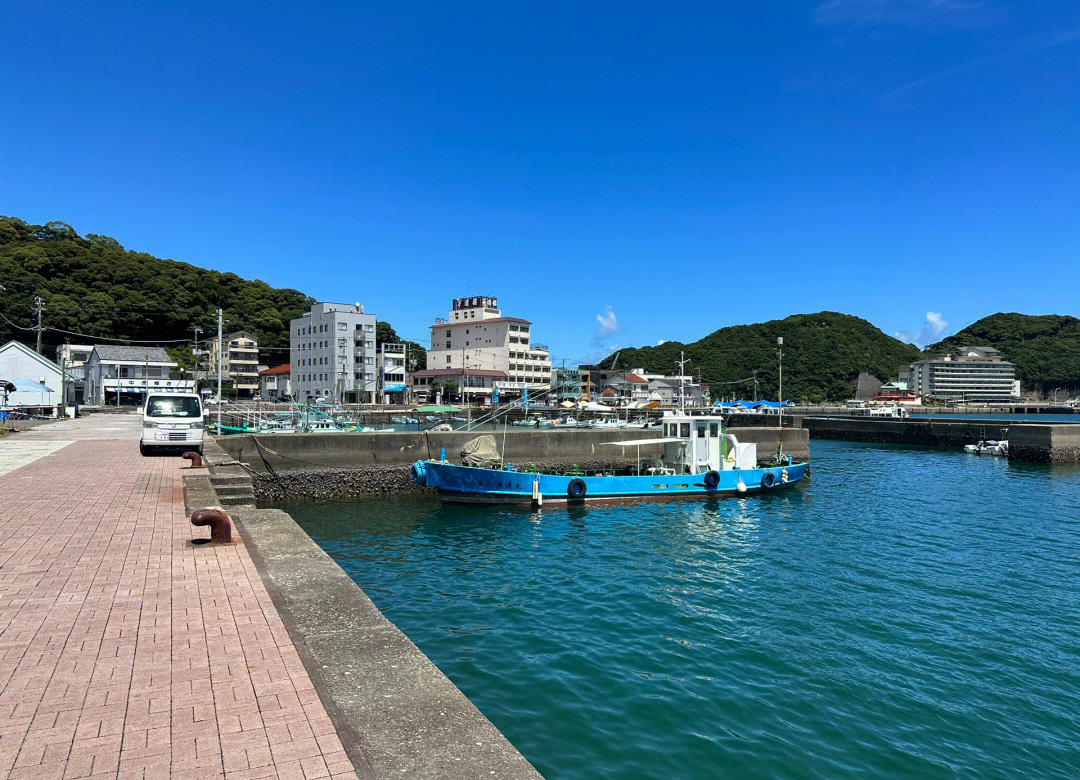
Day 3: Kawayu Onsen → Kumano Hongu Taisha → Hayatama Taisha → Kii-Katsuura
• Hiking & Transport: 7km hiking (2-3 hours) to Kumano Hongu Taisha (masterpiece of traditional wooden architecture with the world's largest torii gate). Take a minibus to Hayatama Taisha for worship, then head to Kii-Katsuura.
• Key Experience: Pay homage at two of the Three Grand Shrines of Kumano and admire the grand torii gate.
• Accommodation: Coastal ryokan/hotel in Kii-Katsuura (e.g., Urashima Hotel). Offers ocean-view rooms, fresh seafood dinners, and easy access to local transport.
• Meals: Breakfast at the hot-spring inn; lunch at a local eatery; dinner with fresh seafood at the hotel.
- Breakfast
-
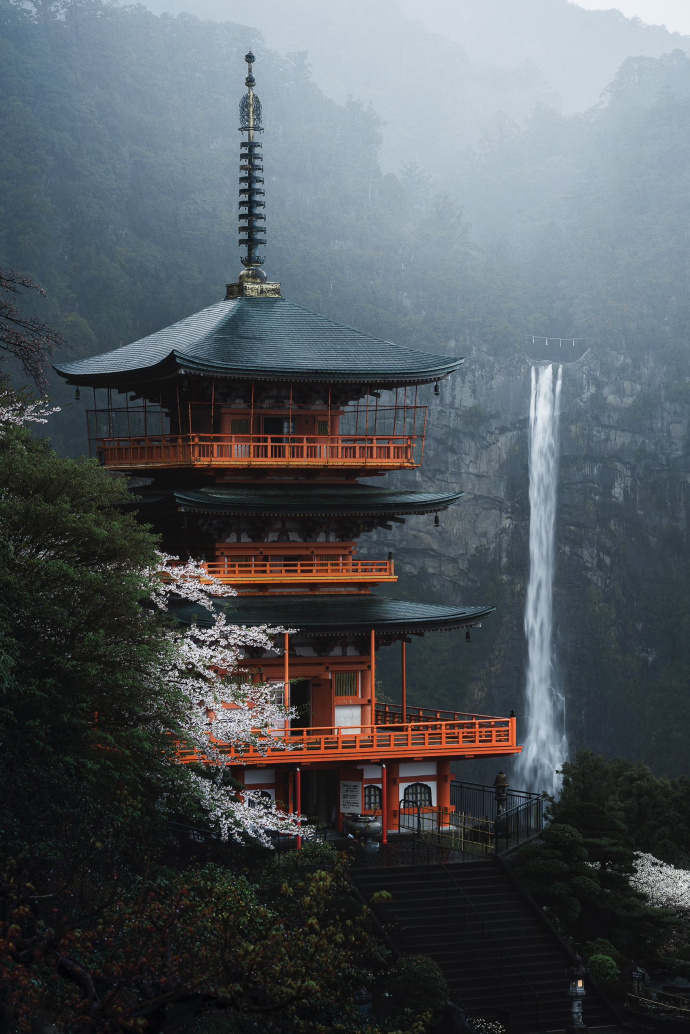
Day 4: Kii-Katsuura → Otorii-zaka → Kumano Nachi Taisha → Kii-Katsuura
• Transport: Bus to Otorii-zaka (the trailhead).
• Hiking: 4km, 1-2 hours. Hike through a dense forest to Kumano Nachi Taisha and Seiganto-ji Temple. End at Nachi Falls (Japan's tallest waterfall, 133m).
• Key Experience: Combine shrine worship with the grandeur of Nachi Falls.
• Accommodation: Depart after the hike; extend your stay at a Kii-Katsuura ryokan for extra relaxation.
• Meals: Breakfast at the hotel; lunch at a restaurant near Nachi Falls.
- Breakfast
Accommodation
We draw from a wide range of hotels on our holidays, each one is chosen to suit the tour you are travelling on meaning your accommodation can range from a smart business hotel in one city to a family run guesthouse in a smaller town. Here are some examples of the type of hotel you can expect to find on this tour.



Your Feedback