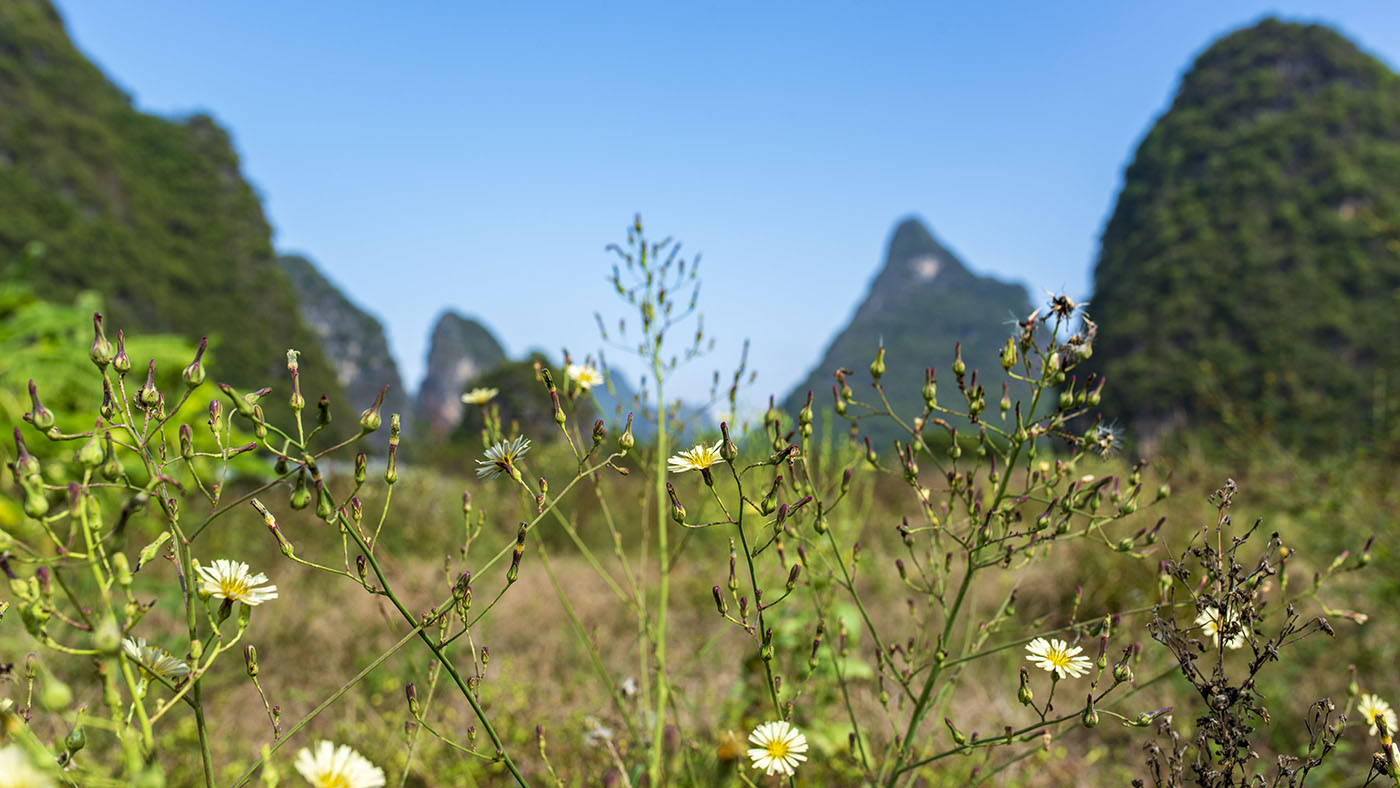
Karst mountains pierce low clouds, rivers slip past stone villages, and night markets steam and sizzle under neon. Guangxi has long lived in travellers’ imaginations as a place of water and limestone, folk songs and slow bowls of noodles. What often surprises first-timers is how varied its cities are. Within a day’s travel you can go from a subtropical capital wrapped in parks to a fishing city facing the Gulf of Tonkin, from a tea town with timber arcades to a borderland of crashing waterfalls.
With Three Bears Travel, city-hopping across Guangxi feels easy to plan and full of texture. The team connects famous postcard scenes with lived-in neighbourhoods, food lanes, and festivals, so you’re not just ticking boxes, you’re getting a feel for how people actually live here.
Below is a guide to seven Guangxi cities that reward time and curiosity, stitched together by trains, ferries, and one very photogenic river.
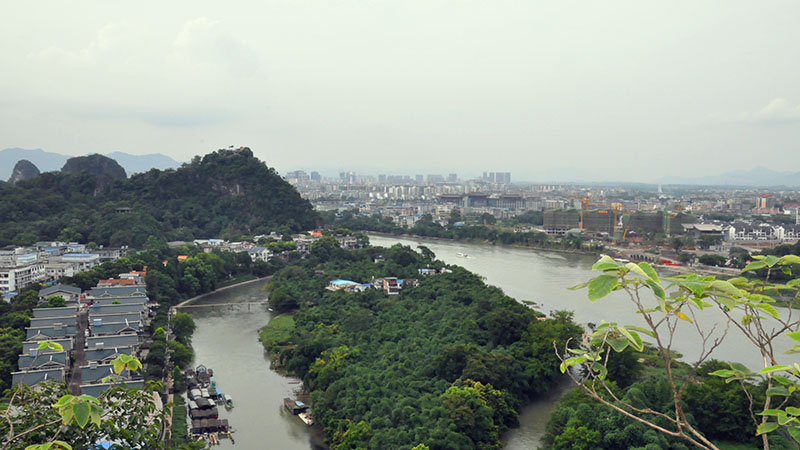
Where mountains meet water: Guilin and the Li River
Guilin scenery has inspired poets for a thousand years. Karst peaks rise like brushstrokes on rice paper, and the Li River threads past villages as small as a handful of rooftops. Boats leave from Zhujiang Pier or Mopanshan for the classic drift to Yangshuo, where each bend reveals a new tableau.
A few essentials:
-
Ride a morning river cruise to feel the mist lift off the Li River as fishermen cast nets.
-
Walk up Elephant Trunk Hill for a panoramic view that frames city and mountains together.
-
Wander Reed Flute Cave, torchlight glancing off stalactites that look like frozen waterfalls.
-
Eat Guilin rice noodles piled with braised pork, pickled beans, fried peanuts, and chilli oil.
Photographers arrive hoping for the iconic cormorant-at-dusk shot. Wake before sunrise, head to the riverbank stages near Xingping, and leave extra time for clouds and patient compositions. The light can change every few minutes.
Foodies often start a tally here. Beyond rice noodles, look for taro braises, river fish steamed with ginger, and osmanthus-infused sweets. Guangxi cuisine leans on balance and texture, sour pickles cutting rich pork, fresh greens cooking fast in woks no bigger than a steering wheel.
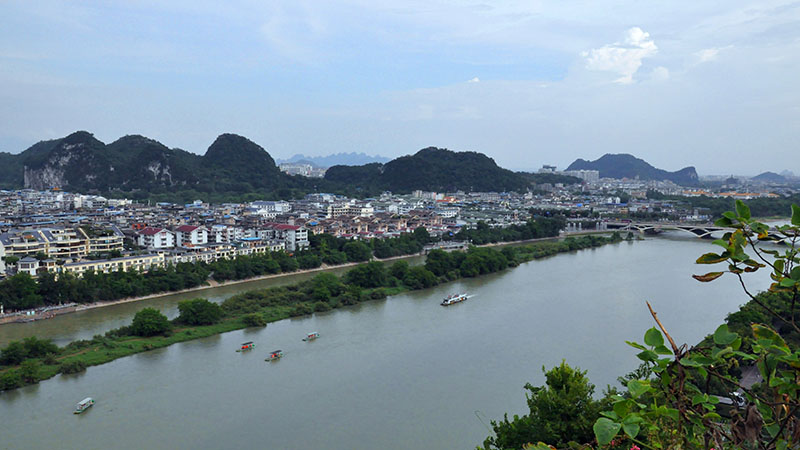
Yangshuo for adventure and café laneways
The ride from Guilin to Yangshuo takes you deeper into limestone country. Once a quiet county seat, Yangshuo has become a playground for cyclists, climbers, café hoppers, and night market flâneurs. It’s still easy to find calm just off the main streets.
What to try:
-
Bamboo rafting on the Yulong River, a gentler companion to the Li.
-
Rock climbing on bolted routes at Moon Hill or the White Mountain area.
-
A countryside cycling loop through Jiuxian and Fuli, with stops for hand-pulled tofu skins.
-
Late-night grazing along Yangshuo West Street, where stalls sell grilled squid, tofu skewers, and sweet osmanthus cakes.
Yangshuo West Street is more than a backpacker rite of passage. It is a place where local snacks sit beside global comforts, banana pancakes next to peppery snail skewers. If you’re travelling with Three Bears Travel, ask about quiet-hour visits to nearby villages or a sunrise balloon ride that clears the ridge line.
In the evening, outdoor shows use the river as a stage and karst as a backdrop. Opinions vary on the spectacle, but the setting is hard to beat.
Nanning, the Green City with a song
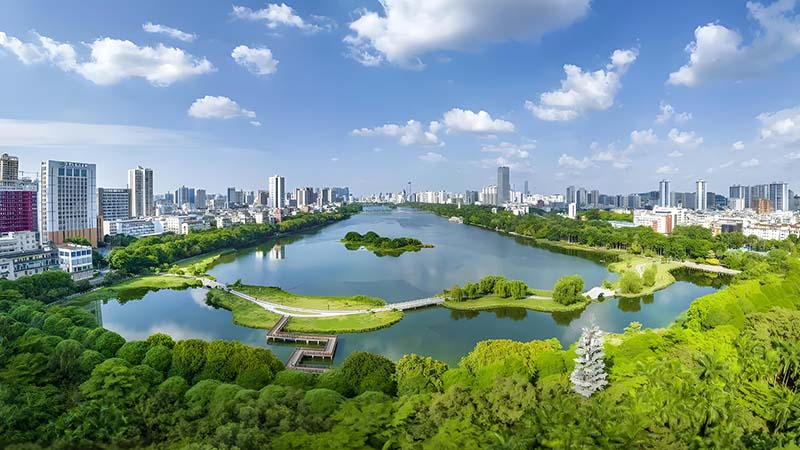
Nanning is Guangxi’s capital, a humid, green-tinged city of banyans, lakes, and new metro lines. It is also a hub for zhuang ethnic culture, heard at markets, seen in embroidered textiles, felt when a circle of singers falls into call and response. During the annual Nanning International Folk Song Arts Festival, the city feels tuned like a guitar string.
Ideas for your time here:
-
Stroll Qingxiu Mountain Scenic Area for bonsai gardens, lotus ponds, and airy pavilions.
-
Visit the Guangxi Museum of Nationalities for an architect’s-eye view of textiles, bronzes, and village house forms.
-
Sample fruit stalls piled with jackfruit, dragon fruit, and fragrant starfruit.
After dark, the nanning night market kicks into gear. This is an easy place to try grilled oyster with garlic, sticky rice in bamboo, and cubes of sugarcane chilled on ice. Street-side stools, clatter of woks, and a parade of skewers add up to the kind of evening that stays with you.
Liuzhou: Luosifen capital by the Liujiang
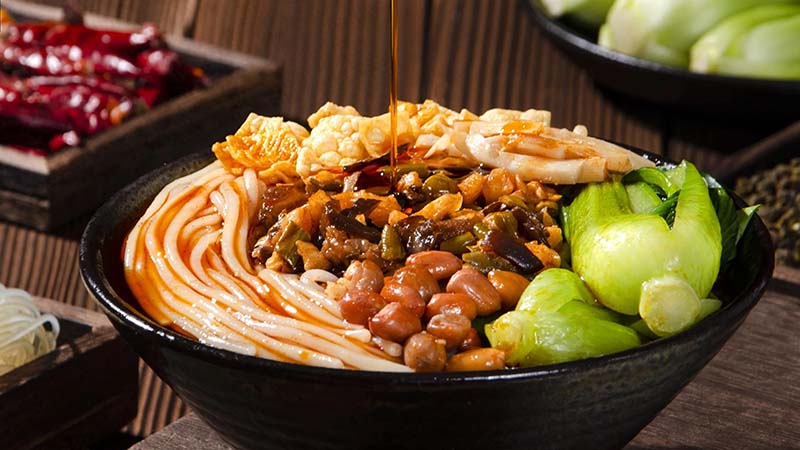
Liuzhou’s skyline hints at industry, smokestacks behind riverside towers, yet the city hugs the Liujiang River with surprising grace. Parks and gardens line the banks, and small bridges stitch islands to the city. For many visitors, this stop is about a single bowl.
Liuzhou luosifen has gone global. This snail noodle soup is famous for its funky aroma, layered with river snail broth, sour bamboo shoots, crunchy peanuts, tofu puffs, black fungus, and springy rice noodles. Spice levels run from gentle to firecracker. If you’re hesitant, start mild, then add chilli spoon by spoon.
Beyond noodles:
-
Walk the riverside after sunset when bridges light up in shifting colours.
-
Drop into local markets to see stacks of bamboo shoots and dried tofu destined for luosifen shops.
-
Visit gardens like Ma’anshan Park for hilltop views.
Liuzhou balances factory floors with flower beds. It is a reminder that guangxi cities aren’t all bucolic postcards; they are places of work, rhythm, and everyday flavour.
Beihai for silver sands and seafood
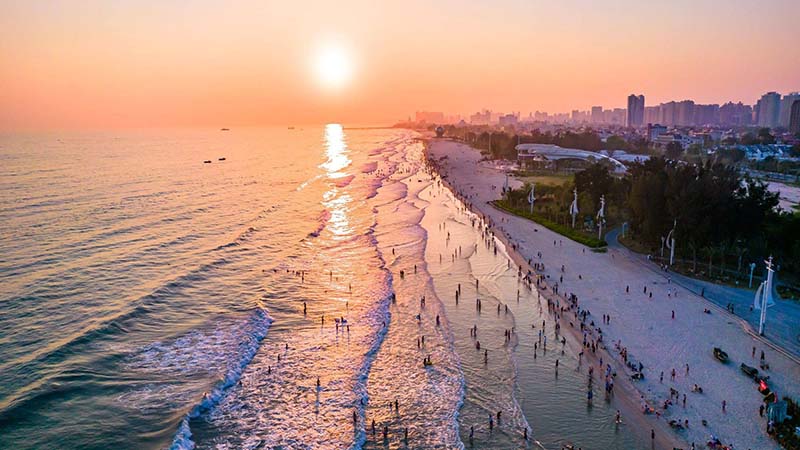
Beihai faces the Gulf of Tonkin and thinks about the sea. Beihai Silver Beach stretches for kilometres, a wide ribbon of pale sand that squeaks underfoot. When the light is low and the tide recedes, the water turns into a sheet of metal, and the horizon becomes very far away.
Seafood lovers are spoilt. Think razor clams with garlic, steamed scallops topped with vermicelli, chilli crab with plenty of napkins. Ask for the catch of the day and a simple steam to let the freshness speak.
History buffs can spend an afternoon at Old Street, a run of arcaded shophouses that carry traces of the city’s maritime past. Beihai was a starting point for the ancient Maritime Silk Road, and that trading habit still shows up in markets where spices and dried seafood share shelf space.
Chongzuo and the roar of Detian
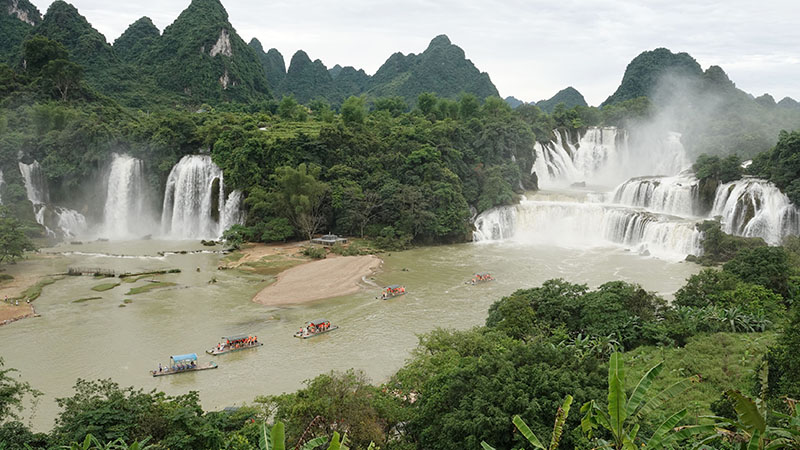
Near the border with Vietnam, Chongzuo opens into wide fields, low karst hills, and a river that turns white at the edge. Detian Waterfall roars across a tiered drop, one of Asia’s largest transnational waterfalls. On misty days the forest glistens, on bright days rainbows hang in the spray.
Highlights:
-
Detian Waterfall viewpoints on both sides of the border, with short boat rides to the base.
-
Mingshi rural scenes, where bamboo-lined streams run in lazy S-bends through limestone.
-
Markets where influences cross back and forth between China and Southeast Asia.
This area feels different. The language mix changes, flavours tip toward herbs and fish sauce, and textiles carry motifs shared across the region. Travellers interested in guangxi culture often rank Chongzuo near the top.
Wuzhou, old streets and Liubao Tea
Wuzhou sits at the eastern gateway of Guangxi, drawing in Cantonese timbres and sending them back downriver. Tea people come for Liubao Tea, a dark tea with a calm, earthy perfume and a long history in trade. The drink is prized by cooks and collectors alike, often paired with rich foods.
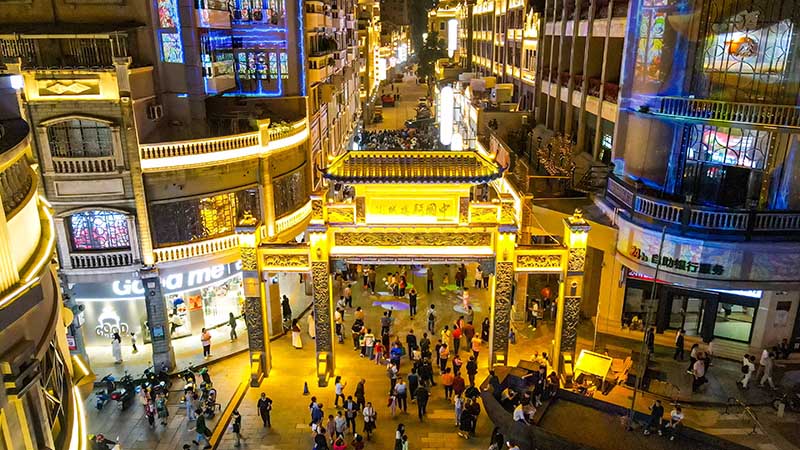
Spend a morning on Wuzhou Old Street, a stretch of timber facades and a riverfront that catches a soft breeze. Tea houses will guide you through Liubao brews, explaining leaf grades, years, storage, and that subtle interplay of sweet and earthy.
Cooks here lean into river fish, preserved citrus peel in soups, and snacks that take cues from neighbouring provinces. It is a place where guangxi cuisine shows another face.
Quick guide to Guangxi cities at a glance
|
City |
Signature view |
Signature bite |
Best time to visit |
Ideal for |
|
Guilin |
Li River against karst peaks |
Guilin rice noodles |
Oct to Apr |
First-time guangxi travel, photography |
|
Yangshuo |
Yulong River and Moon Hill |
Street skewers and tofu |
Oct to Apr |
Cycling, climbing, café hopping |
|
Nanning |
Banyan-lined parks and lakes |
Tropical fruit and grills |
Nov to Mar |
Urban greenery, zhuang ethnic culture |
|
Liuzhou |
Liujiang River bridges at night |
Liuzhou luosifen |
Oct to Mar |
Food-lovers, night walks |
|
Beihai |
Beihai Silver Beach at low tide |
Steamed scallops |
Mar to May, Sep |
Relaxed coast days, seafood |
|
Chongzuo |
Detian Waterfall in full flow |
Herb-rich border fare |
Apr to Jun, Oct |
Nature, cross-border stories |
|
Wuzhou |
Timber arcades by the river |
Liubao tea pairings |
Oct to Mar |
Tea culture, architectural rambles |
Itineraries that connect city, village, and coast
Three Bears Travel runs city-to-city links that save time without cutting corners. Here are two sample plans to spark ideas.
Five nights for first-timers
-
Day 1 Guilin: Arrive, riverfront stroll, plate of Guilin rice noodles.
-
Day 2 Li River cruise: Guilin to Yangshuo by boat, sunset cycle by the Yulong.
-
Day 3 Yangshuo: Climb or hike in the morning, café stop, street food along Yangshuo West Street at night.
-
Day 4 Nanning: High-speed train, park walk, nanning night market tour with a local host.
-
Day 5 Liuzhou: Train ride for lunch bowls of liuzhou luosifen, riverside lights after dark.
Nine nights for the curious
-
Days 1 to 2 Guilin and Yangshuo: Mix of cave, hill views, and a countryside cooking class.
-
Day 3 Wuzhou: Tea session focused on liubao tea, old street meander.
-
Days 4 to 5 Nanning: Museum visit, festival timing if dates match, fruit market tasting.
-
Days 6 to 7 Chongzuo: Detian Waterfall and Mingshi, village markets that run on border time.
-
Days 8 to 9 Beihai: Beihai Silver Beach mornings, seafood dinners, and an Old Street ramble.
Prefer to slow down in fewer places? Three Bears Travel can stack extra nights in Yangshuo for climbing or in Beihai for lazy swims and long lunches by the water.
Practical notes for smooth Guangxi travel
Getting around
-
High-speed trains connect Guilin, Nanning, Liuzhou, Wuzhou, and beyond. Book early during public holidays.
-
Buses and private transfers handle the last stretch to Detian Waterfall and smaller river valleys.
-
In Beihai, taxis and ride-hailing apps are reliable for beach runs.
When to go
-
October to April brings clearer skies over karst, cooler nights, and lovely light for photos.
-
Summer is lush and dramatic. Rain can be heavy, waterfalls thunder, and seafood is abundant.
-
Festivals add sparkle. The Nanning International Folk Song Arts Festival shifts dates, so check schedules.
Language and payments
-
Mandarin and regional languages are spoken side by side. A few phrases help, and local guides make a big difference.
-
Mobile payments are common in cities. Carry some cash for village stalls and tea houses.
Packing tips
-
Lightweight rain jacket, quick-dry layers, and good walking shoes for hills and caves.
-
Swimwear for Beihai, a scarf or light jacket for cool river mornings.
-
Camera rain cover or a zip bag, especially near the Li River and Detian Waterfall.
A taste of Guangxi cuisine
Guangxi cuisine spreads across flavours: sour pickles, fresh herbs, river fish, and slow-cooked pork. Each city adds a twist.
Must-try bites by city
-
Guilin: Classic rice noodles with pickled long beans, plus osmanthus jelly for dessert.
-
Yangshuo: Beer fish, grilled tofu with chilli and salt, sweet rice cakes from street carts.
-
Nanning: Grilled oysters at the nanning night market, sticky rice in bamboo, tropical fruit salads.
-
Liuzhou: Liuzhou luosifen with extra crunchy toppings, braised pork belly with taro.
-
Beihai: Steamed scallops with garlic, razor clams with basil, sea urchin when in season.
-
Chongzuo: Herb-forward dishes with a border accent, river prawns, sour soups.
-
Wuzhou: Liubao tea paired with roast goose or claypot rice, citrus-peel soups.
Ordering luosifen without worry
-
Ask for mild spice if you prefer less heat.
-
If you’re sensitive to strong aromas, choose shops with larger dining rooms and good ventilation.
-
Vegetarian variations exist, though the broth is traditionally snail-based. Clarify with staff.
Street food tips
-
Pick busy stalls with high turnover and a steady line.
-
Watch dishes cooked to order, then eat while hot.
-
Keep small notes and coins handy for quick buys.
Respect for Guangxi culture
Guangxi culture reflects a long meeting of peoples, most notably the Zhuang, as well as Yao, Miao, Dong, and others. Music is woven into daily life. In villages, it is common for songs to bounce between groups, lyrics improvised, smiles wide.
Etiquette helps you fit in:
-
Accept a small cup of tea when offered, even if you sip lightly.
-
Ask before photographing people, ceremonies, or shrines.
-
In markets, bargain with warmth. A smile opens more doors than a hard number.
-
If invited to a meal, try a little of everything. Hosts take joy in seeing guests taste.
Three Bears Travel works with local guides who share stories without putting communities on show. The goal is connection, not intrusion.
Photo spots and gentle travel tips
Iconic scenes
-
Xianggong Mountain for sunrise over the Li River bends.
-
Xingping fishing village for blue-hour reflections and karst silhouettes.
-
Beihai Silver Beach at low tide, when the wet sand mirrors the sky.
-
Detian Waterfall after rain, with mist lifting off the tiers.
-
Wuzhou’s Old Street just after shops open, shutters up, light soft.
Light and timing
-
Early and late hours reward patience. Midday belongs to tea houses and naps.
-
Carry a microfibre cloth to clear lens fog in humid air.
-
Neutral-density filters find a home at waterfalls and fast rivers.
Travelling softly
-
Refill a bottle at hotel stations to cut single-use plastic.
-
Stick to trails near caves and karst to protect fragile plants.
-
Eat local, hire local, listen more than you speak. That is how guangxi travel gives back.
Working with Three Bears Travel
City-to-city planning often hinges on little decisions: which train to catch, when to visit a cave to avoid crowds, how to read the tide tables for Beihai Silver Beach. The Three Bears Travel crew plots these details so your days flow. We also slot in small wonders, like a Liubao tea tasting in a family-run shop or a detour to a quiet bend on the Yulong where bamboo rafts slip by in pairs.
Families get tailored pacing, climbers find the best bolted routes, and food lovers receive slow, generous market walks. Whichever path you take through Guangxi cities, there is always another view around the bend, another song across the square, another bowl steaming under your chin.
Want more China travel itineraries? Click here!
If you have any other questions, feel free to click here and get in touch with us.
If you need a personalized travel plan, feel free to click here and let us help you.