Japanese gardens rarely shout for attention. They work quietly, inviting you to slow down until small details start to register: a stone placed slightly off-centre, a pine trained over decades, the way a pond holds the sky for a moment. Many travellers come away saying a garden visit was the calmest, most memorable part of their time in Japan, even if they did not think of themselves as “garden people”.
Part of the appeal is that these landscapes are designed less as flower displays and more as places to be present. You are not meant to “do” a Japanese garden quickly. You are meant to notice it.
Why Japanese gardens feel different to many visitors
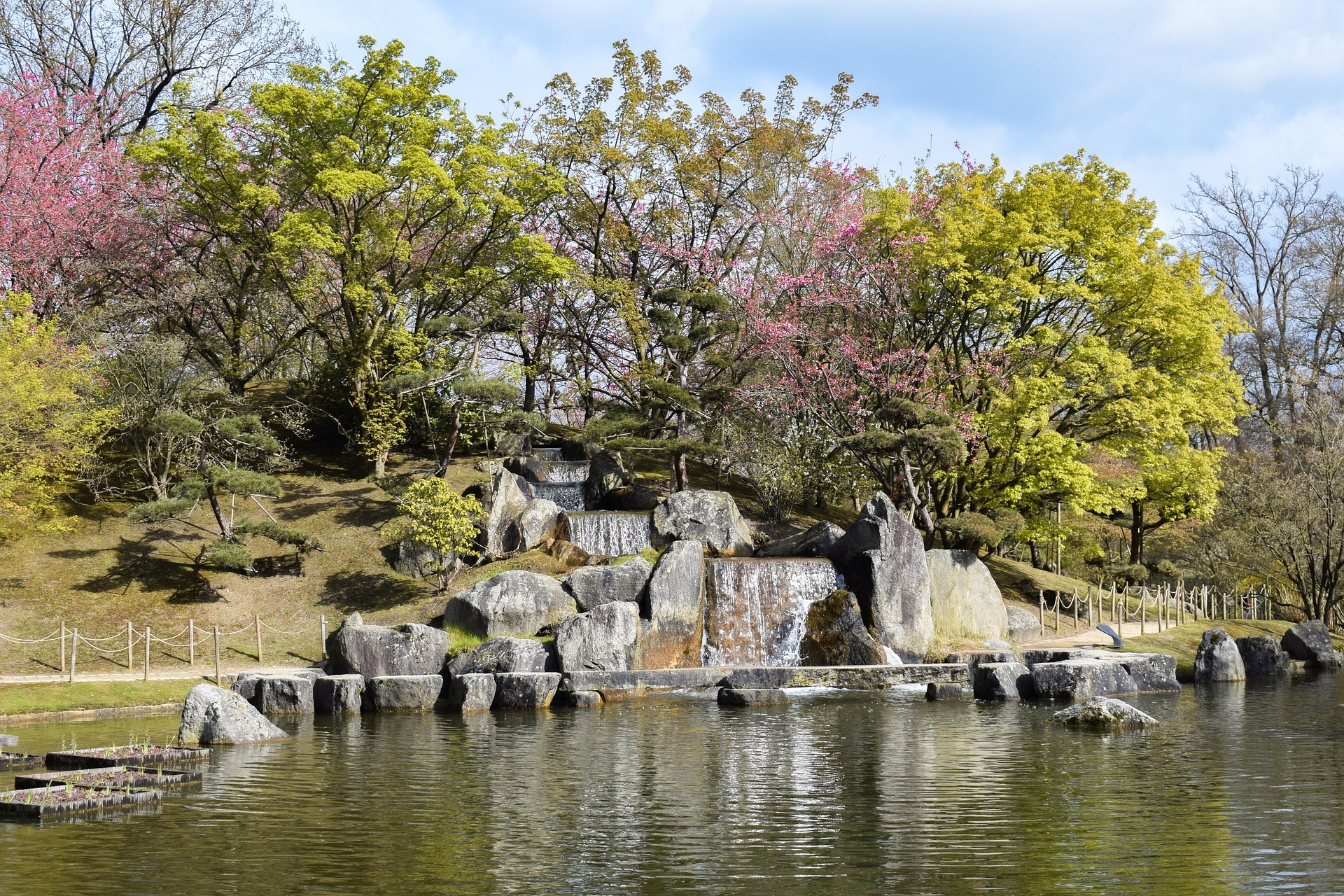
A traditional Japanese garden is not trying to copy nature exactly. It’s closer to a carefully edited scene, where mountains, rivers and forests are suggested in miniature, then framed to guide your attention. The result can feel both natural and intentional at the same time.
Western gardens often focus on symmetry, large bursts of colour, and broad sightlines. Japanese gardens tend to favour balance without obvious symmetry, and beauty that reveals itself in stages as you move, pause, and look again.
Even the empty spaces matter. Gravel raked into ripples, a stretch of moss with no flowers at all, or a plain wall behind a single branch can be the point, not the absence of one.
The design language: stones, water, plants, and “space”
To appreciate a Japanese garden, it helps to know what you’re looking at. Many elements are symbolic, and their meaning changes depending on the garden’s style and setting (temple, villa, castle town, modern park).
Here are features you’ll commonly see, and what they often suggest:
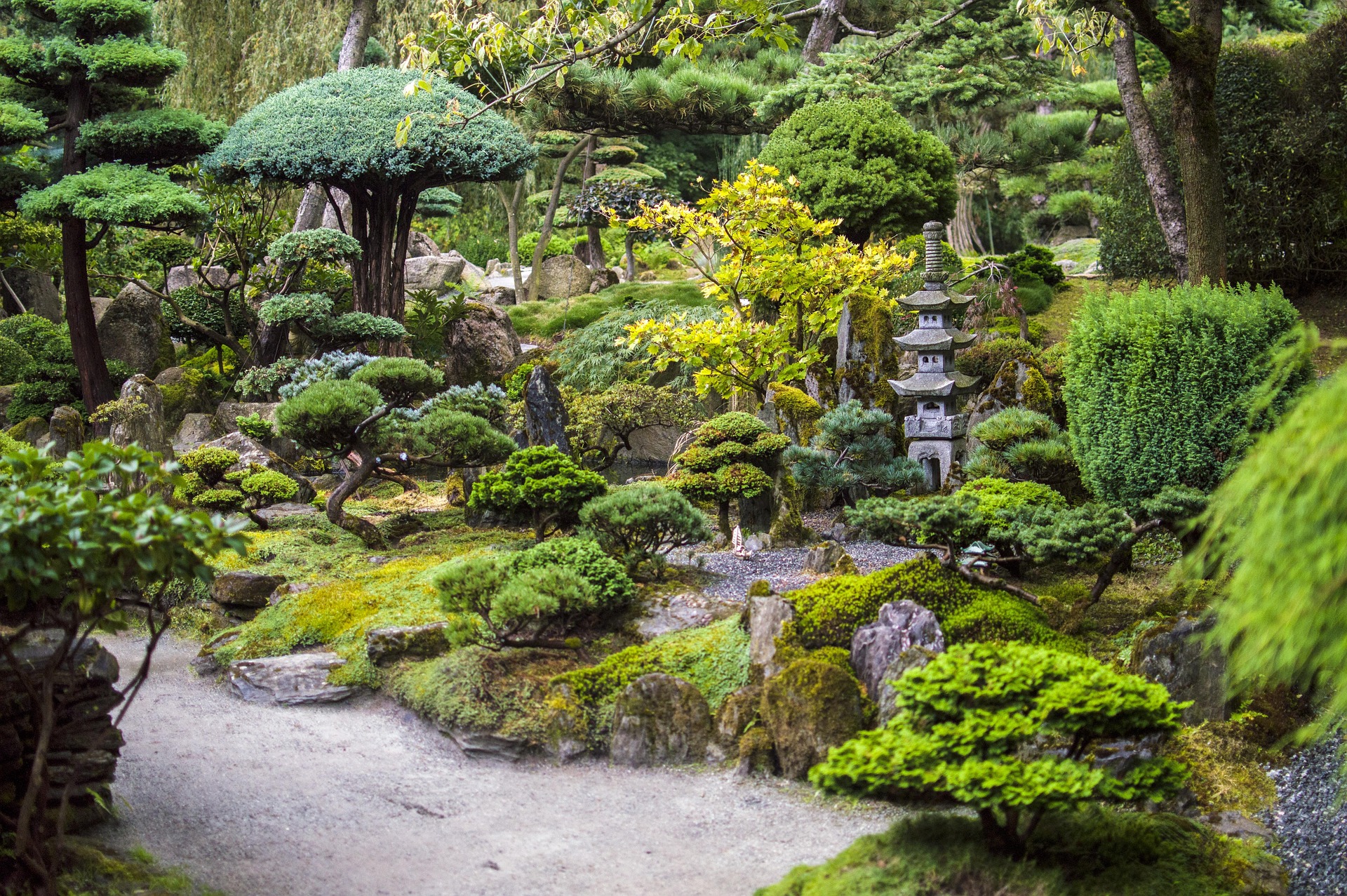
· Rocks: mountains, islands, anchors for the whole composition
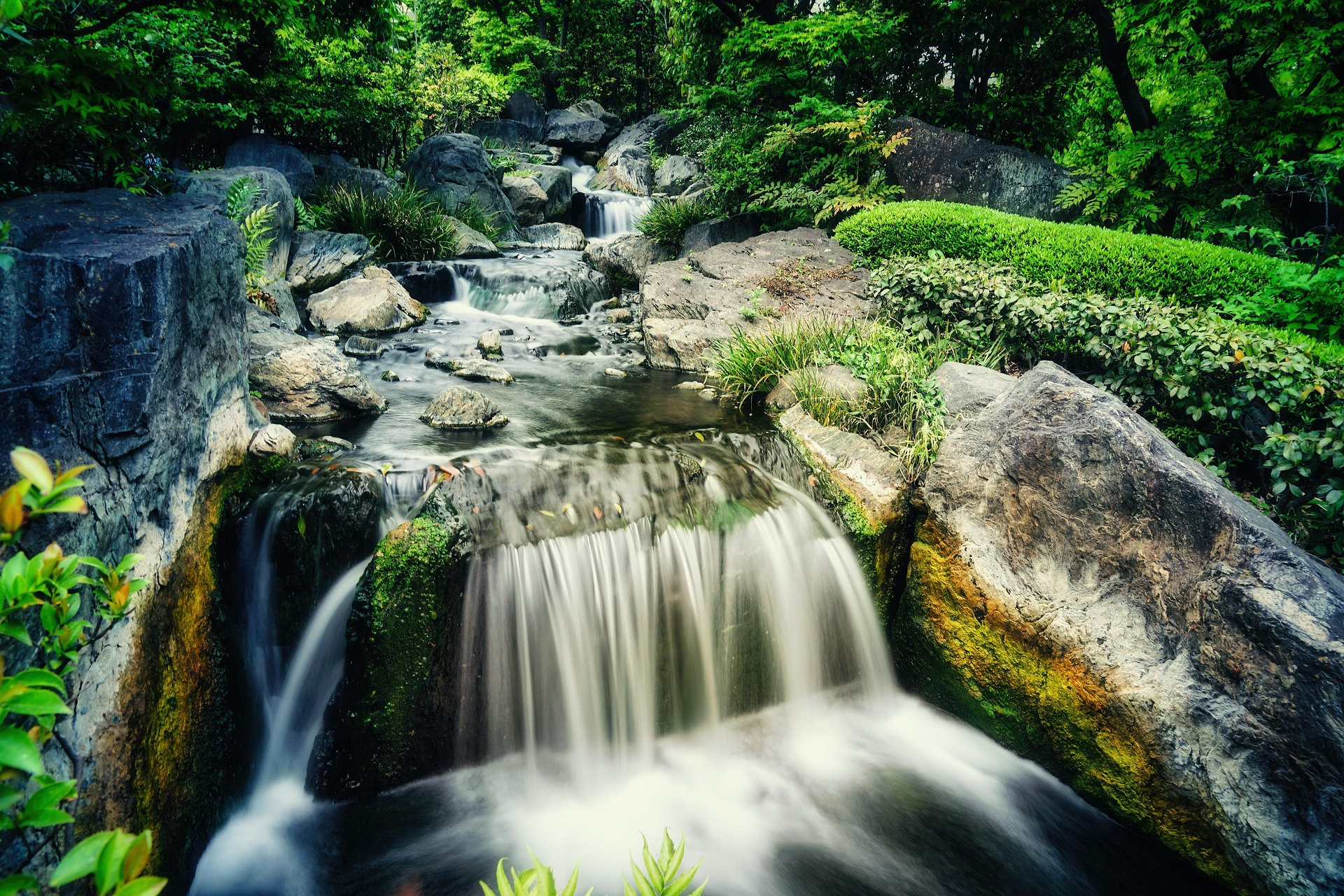
· Water: ponds, streams, waterfalls, or dry “seas” made with gravel
· Pruned trees: age, resilience, continuity through seasons
· Moss and groundcover: softness, quiet, a sense of time passing
· Lanterns and bridges: human presence kept modest, never dominating the scene
A helpful mindset is to treat the garden as a sequence of views rather than a single panorama. Stand where the designer wanted you to stand. Look along the edge of a pond, through a gate, past a stone. Notice what is hidden until you take two more steps.
Different garden styles you might come across
Japan has thousands of gardens, and many do not fit neatly into one category. Still, recognising a few common styles makes it easier to choose which gardens suit your travel style and pace.
Strolling gardens (kaiyū-shiki) are often large and designed around a pond, with paths that reveal changing scenes. Zen rock gardens (karesansui) may be small and are meant for quiet observation rather than wandering. Tea gardens (roji) support the tea ceremony, with a simple path that shifts you into a calmer frame of mind.
Some city gardens blend Japanese design with European influences, which can be surprisingly enjoyable if you like comparing styles in one place. In Tokyo, this mix can feel like a breather between neighbourhoods full of shops, stations, and bright signage.
Gardens that travellers talk about long after the flight home
Japan has famous gardens for good reason, but “best” depends on what you want: stillness, grandeur, a single iconic view, or somewhere you can take your time without heavy crowds.
Many visitors start with a short list of widely recognised sites:
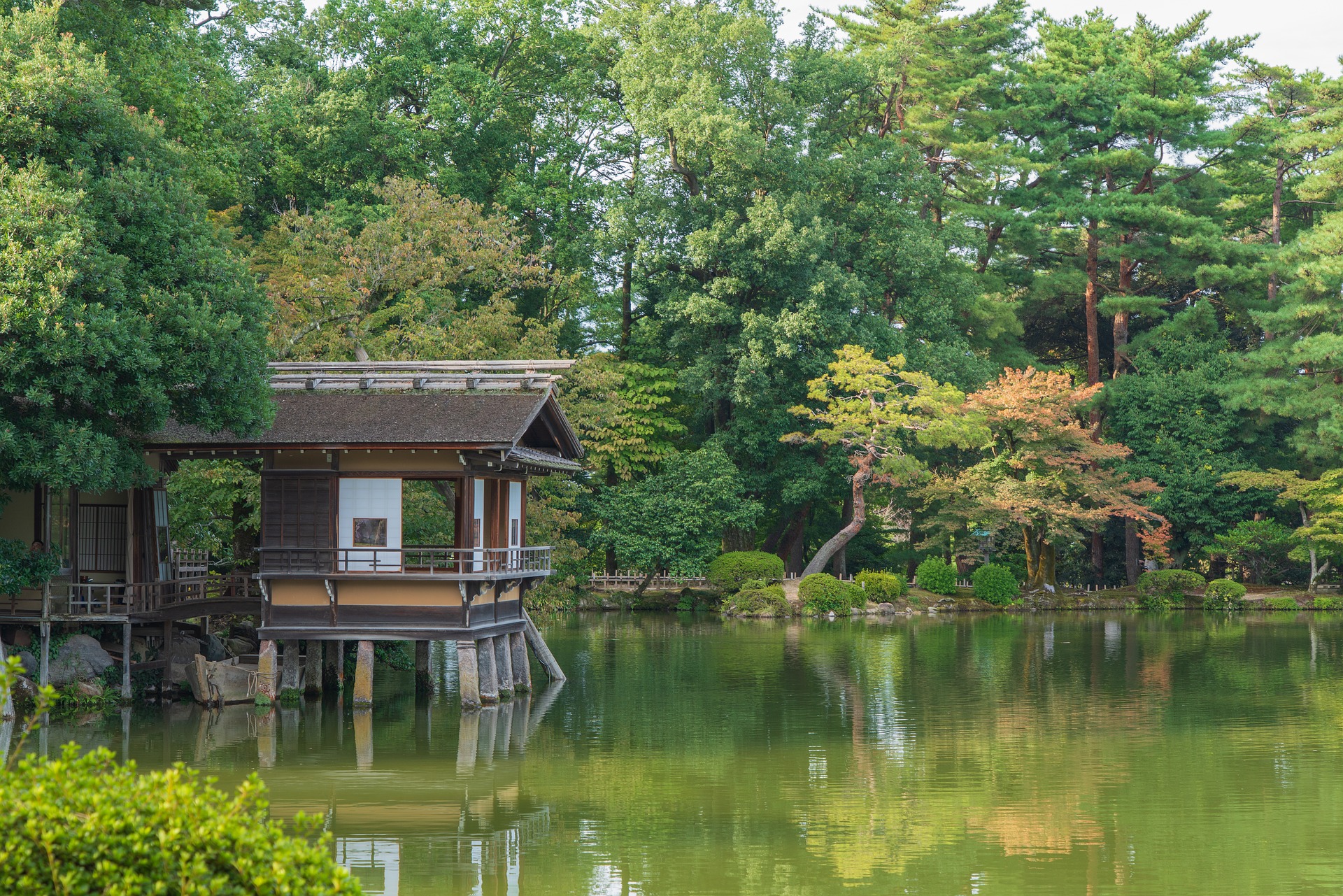
· Kenrokuen (Kanazawa): classic strolling garden with strong seasonal changes
· Korakuen (Okayama): open lawns, borrowed scenery, castle views nearby
· Kairakuen (Mito): celebrated for plum blossoms when in season
· Ryoan-ji (Kyoto): the best-known Zen rock garden, made for sitting and looking
· Shinjuku Gyoen (Tokyo): Japanese, English and French areas in one spacious park
If you can only fit one major garden into a first trip, Kenrokuen is often a strong choice. It has a sense of scale without feeling overwhelming, and it rewards repeat visits across the year. In winter, the snow supports on pine branches can be as striking as cherry blossoms in spring.
Where to focus: Kyoto, Kanazawa, Tokyo, and Okayama
Kyoto is unmatched for variety. Temple gardens, moss gardens, dry rock compositions, villa grounds, and refined stroll gardens sit within a relatively compact area. The trade-off is popularity, so timing and pacing matter. It’s worth planning garden visits early in the day, then pairing them with quieter streets, a tea stop, or a craft neighbourhood rather than stacking too many headline sites back-to-back.
Kanazawa is often the favourite for travellers who want depth with fewer pinch points. Kenrokuen is the big name, yet the city also suits a slower rhythm: old districts, regional food, and a generally relaxed feel that makes it easier to sit in one spot and simply watch the light change.
Tokyo’s gardens work as urban sanctuaries. They are a reset button between city sights. Shinjuku Gyoen is generous in scale, while other gardens offer tighter, more intimate scenes that feel worlds away from nearby traffic.
Okayama and wider western Japan are worth strong consideration if you enjoy open space and softer crowd levels. Korakuen is regularly ranked among Japan’s finest, and it pairs neatly with a castle visit and riverside walks.
A quick comparison table (to help you choose)
|
Place |
Garden highlight |
Style and feel |
When it shines |
Easy pairings nearby |
|
Kyoto |
Ryoan-ji |
Still, minimal, contemplative |
Early morning, quieter seasons |
Temples, traditional streets, tea |
|
Kanazawa |
Kenrokuen |
Classic strolling garden, varied scenes |
Year-round, strong in winter and spring |
Castle park, old districts, seafood |
|
Tokyo |
Shinjuku Gyoen |
Spacious, mixed styles, easy access |
Weekday mornings, cherry blossom season |
Neighbourhood food, museums, shopping |
|
Okayama |
Korakuen |
Open landscapes, long views |
Spring and autumn |
Castle, riverside cycling |
|
Mito |
Kairakuen |
Plum blossoms and seasonal focus |
Late winter to early spring |
Regional day trip from Tokyo |
Timing matters more than you think
A Japanese garden can feel completely different depending on time of day, weather, and season. The same pond can look bright and celebratory at midday, then quiet and reflective at dusk. A light rain can deepen greens and make stone textures stand out.
If you are planning around seasonal colour, keep expectations flexible. Blossoms and autumn leaves vary year to year. It helps to keep one or two “backup” garden options in the same city so you can swap based on conditions and energy levels.
Crowds are the other big factor. A garden designed for contemplation can feel rushed if you arrive at the busiest time and move with the flow of a tour group. Early morning or later afternoon is often a better bet, even if the photos look a little less bright.
How to experience a garden in a more meaningful way
The simplest shift is to treat a garden as a place to pause, not a place to collect photos. Photos are great, but they come second to the mood.
Try picking one viewpoint and staying there longer than feels normal. Watch how people move through the scene. Notice reflections on water, or how raked gravel directs your eye. Look for “borrowed scenery” (shakkei), where distant hills, trees, or buildings are pulled into the composition as part of the design.
If there’s a tea house on site, consider stopping. The act of sitting, being served, and looking out at a composed view can make the garden “click” in a way that a quick lap around the paths doesn’t.
Common slip-ups (and how to avoid them)
Many first-time visitors make the same mistakes, mostly because Japan offers so much and it’s tempting to keep moving.
Here are a few easy fixes that improve the experience straight away:
· Arriving at peak hours: plan gardens for opening time or late afternoon
· Treating gardens like a checklist: choose fewer, stay longer, repeat one if you can
· Skipping context: read the garden’s short description on arrival, then look again
· Only visiting in one season: if your itinerary allows, include two gardens with different seasonal strengths
Even small choices, like walking a little slower or waiting for a busy group to pass, can change how the space feels.
Are Japanese gardens worth it if you’re not into plants?
Yes, because the hook is not horticulture. It’s atmosphere and composition.
A Zen rock garden is mostly stone and gravel, yet people can sit for twenty minutes without getting bored. A moss garden can feel like stepping into a cooler, quieter world. A large strolling garden can feel like a series of miniature landscapes stitched together, each one offering a different mood.
If your travel style is food, history, neighbourhood walks, or architecture, gardens still fit. They create breathing space between busier experiences and often sit close to temples, craft areas, and old streets.
Building gardens into a well-paced itinerary
Garden visits work best when they support the flow of your day. A heavy morning of shrines, museums, and shopping can leave you tired and less receptive to subtle beauty. A garden placed after lunch, or as the first stop of the day, often feels more rewarding.
For Australian and New Zealand travellers planning a first trip, a private, tailor-made approach can make this easier. When your itinerary is built around your pace, you can time gardens for calmer windows, pair them with nearby cultural stops (tea, crafts, local food streets), and keep transfers simple. With a private guide and vehicle in the right places, you can also avoid turning a peaceful experience into a long logistics exercise.
Three Bears Travel designs private trips for two travellers in Japan (and China), and gardens often become key moments in the plan. Not because every day needs a garden, but because the right garden at the right time can change the whole feel of a trip.
A simple way to choose which gardens to prioritise
If you are stuck choosing, match the garden to the mood you want:
· If you want quiet and contemplative, prioritise a temple garden or Zen rock garden and plan to sit.
· If you want variety and a sense of “Japan in miniature”, choose a large strolling garden.
· If you want easy access with minimal planning, pick a major city garden close to public transport.
· If you want seasonal impact, look for gardens known for one standout moment (plum, cherry, maple, winter pines).
One well-timed garden visit can be enough to understand why these landscapes matter. After that, you may find yourself seeking them out, not as attractions, but as places to reset your attention and see Japan a little more clearly.