Mount Fuji can feel close to Tokyo on a map, yet it behaves like a world of its own once you arrive. The mountain sits above lakes, forests and small towns, and the experience changes a lot depending on where you base yourself, the season, and whether your goal is a photo, a hot spring soak, or a summit attempt.
If you are planning your first Japan trip, the most useful thing to know is that Mount Fuji is easy to reach, but it is not always easy to see. A little planning (and a bit of flexibility) goes a long way.
Where Mount Fuji is located (and why it is not “in” a city)
Mount Fuji is not located in a single city. It straddles the border of Yamanashi Prefecture and Shizuoka Prefecture, roughly 100 kilometres south-west of Tokyo. The mountain dominates the region, but access and viewpoints are spread across multiple towns.
Most visitors choose a base depending on whether they want classic lake views, a relaxing onsen stay, or direct access to a climbing trailhead. After you have a base, the rest of the trip becomes much easier to map out.
Common bases include:
· Kawaguchiko (Lake Kawaguchi)
· Fujiyoshida
· Hakone
· Gotemba
· Fujinomiya
Kawaguchiko and Fujiyoshida are on the Yamanashi side and are often the simplest for first-time visitors coming from Tokyo. Hakone and Gotemba sit closer to the Shizuoka side and work well if you want hot springs, views and a change of pace without committing to a climb.
Why Mount Fuji is so famous (it is more than the shape)
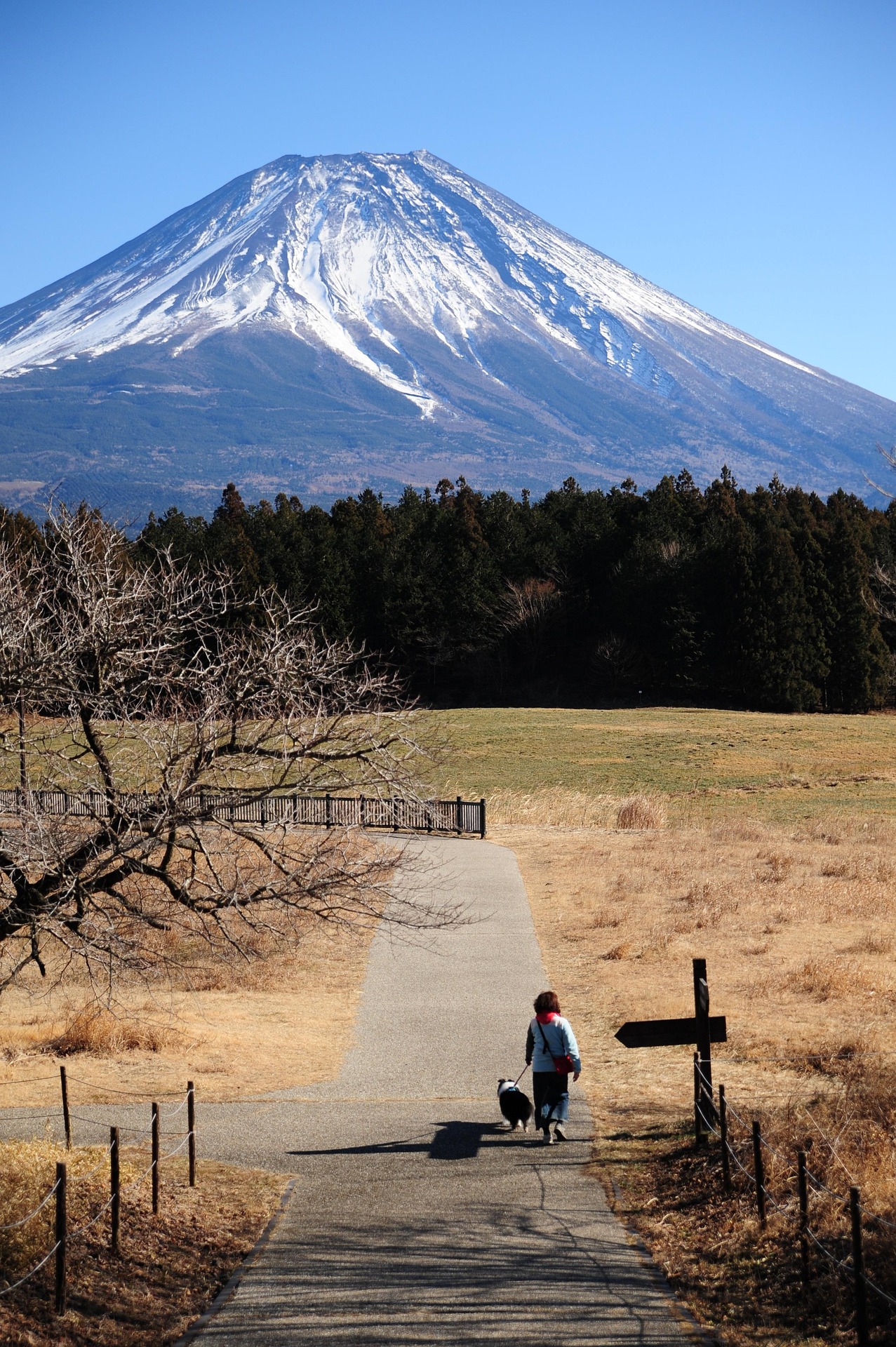
Yes, it is photogenic. The near-symmetry, the snow cap in colder months, the way it rises cleanly above the lowlands, it all contributes. Still, Fuji’s fame is also cultural, spiritual and historical.
For centuries, Mount Fuji has been a sacred site in Shinto and Buddhist traditions. Pilgrimage routes and practices grew around the mountain long before modern tourism. Even if you are not visiting for religious reasons, you can feel that sense of respect in the way people talk about Fuji, and in how carefully many local areas manage trails and viewpoints.
Fuji’s influence in art is another reason it is instantly recognisable. Hokusai’s woodblock prints helped fix Fuji in the global imagination, and the mountain continues to appear in Japanese design, media and storytelling. It is also listed as a UNESCO World Cultural Heritage site, reflecting its role in Japanese culture rather than being purely a natural listing.
How to experience Mount Fuji without climbing
Many travellers assume the “real” experience is reaching the summit. It does not have to be. Seeing Fuji clearly from the right place, at the right time of day, can be just as memorable and often more relaxed.
A few popular ways to enjoy the area:
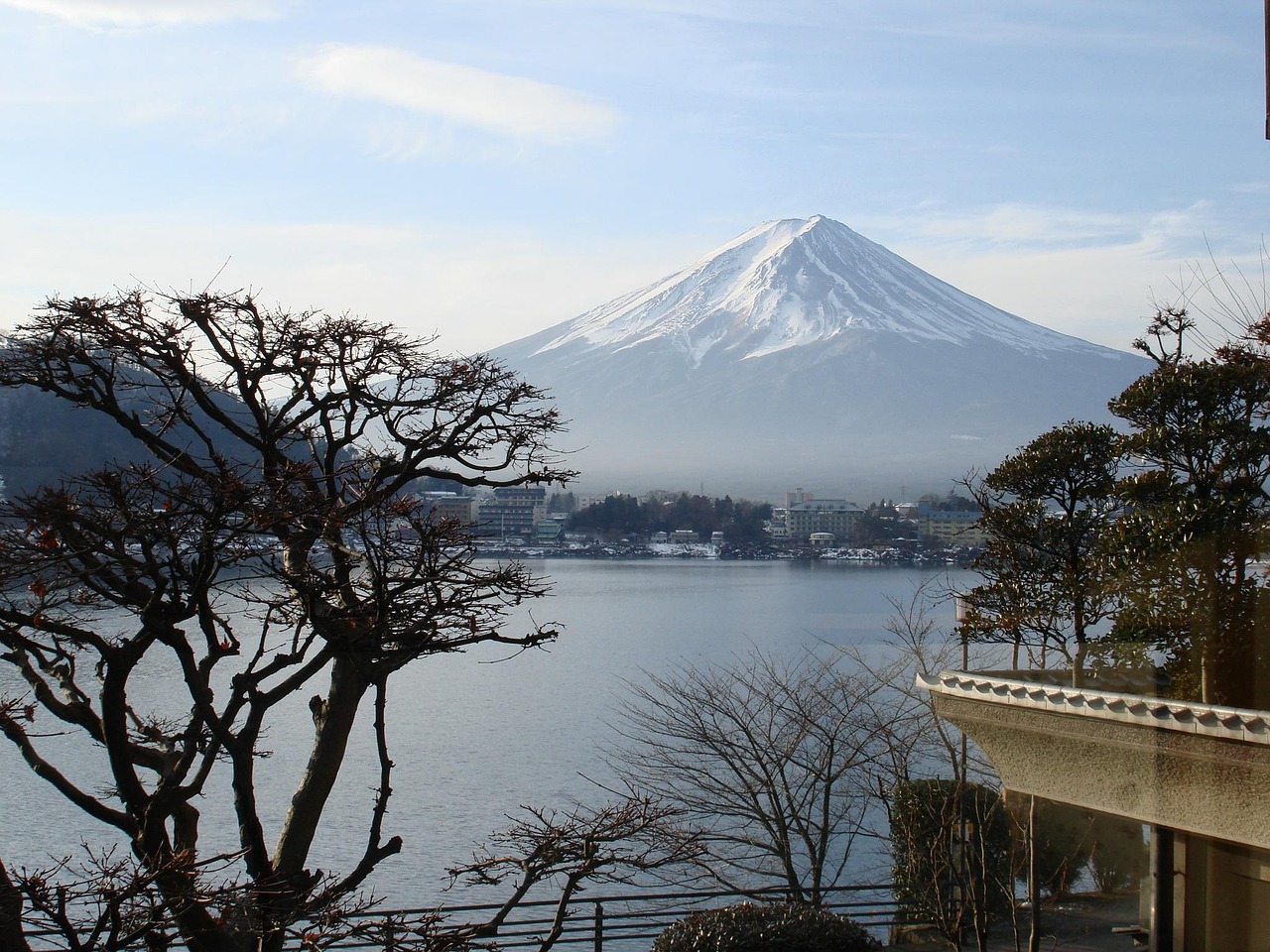
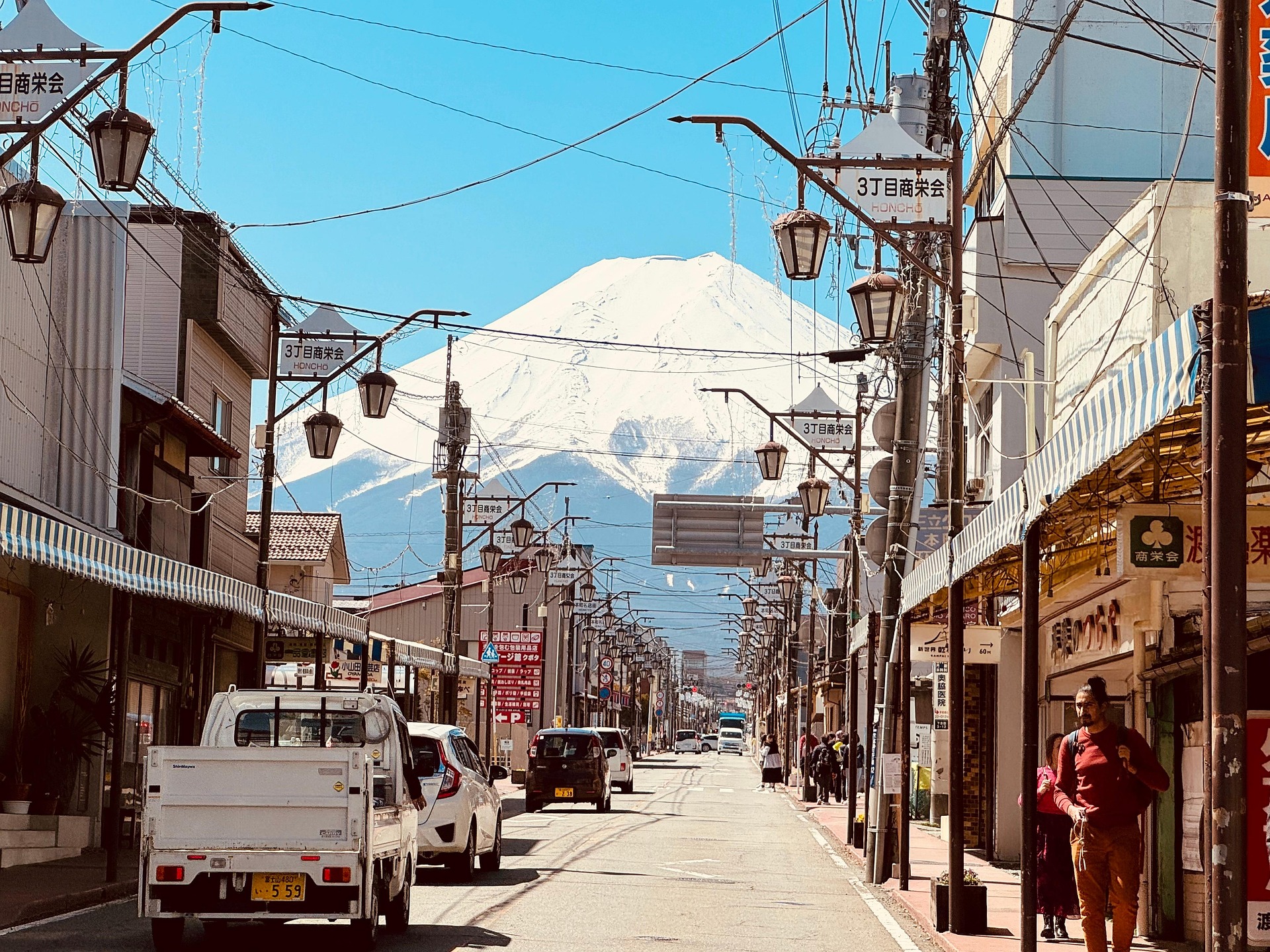
Fuji Five Lakes (especially Lake Kawaguchi): You get classic reflections, shoreline viewpoints, cafes with views, and easy transport connections from Tokyo. If you have limited time, an overnight stay here usually gives you better odds of a clear sighting than a rushed day trip.
Chureito Pagoda (Arakura Fuji Sengen Shrine): The famous composition of pagoda plus Mount Fuji is real, and it is stunning. It also means stairs and crowds at peak times. Arriving early helps.
Hakone: A strong option if you want hot springs, views from ropeways on clear days, and a resort feel. Fuji can be visible, but cloud and haze are common, so it is best seen as “Fuji possible” rather than “Fuji guaranteed”.
Onsen with Fuji views: If your accommodation faces the right direction and the weather cooperates, waking up to Fuji can be the highlight of the whole trip. It is also a calm way to enjoy the region if you do not want lots of moving parts.
Climbing Mount Fuji: what’s allowed, what’s recommended, and what rules to expect
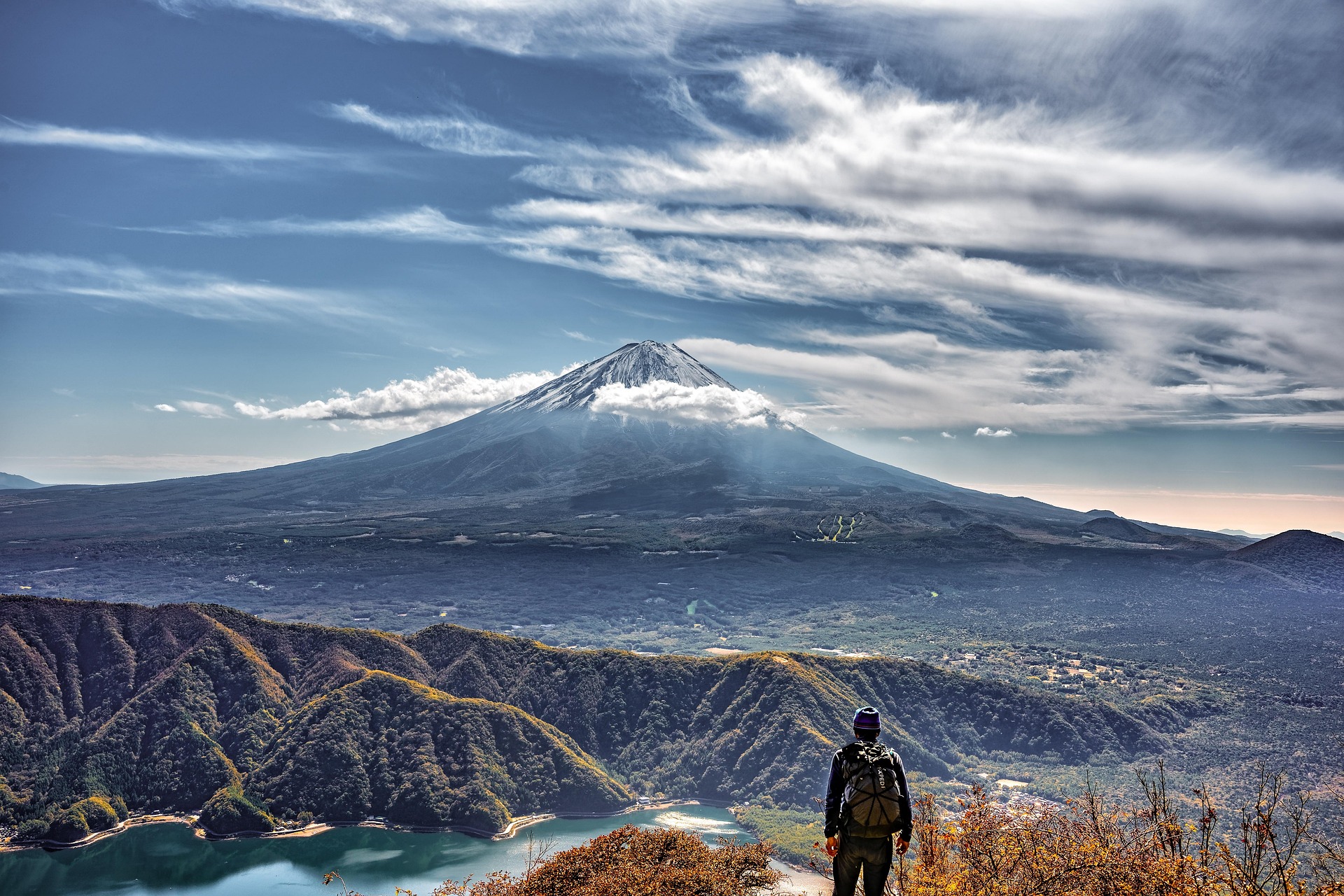
You can climb Mount Fuji, and during the official season it is often described as a non-technical climb. That said, “non-technical” does not mean easy. Altitude, cold wind, steep sections and overnight timing can surprise people.
The official climbing season is generally early July to early September, when trails, mountain huts and first-aid stations are operating. Outside this period, conditions can turn serious quickly due to snow, ice and fast-changing weather. Off-season climbing may not be explicitly illegal in every case, but it is strongly discouraged for visitors.
In recent years, authorities have also tightened management on some routes to improve safety and reduce crowding. Depending on the trail and the year, you may see systems like online reservations, timed entry or mandatory fees. These details can change, so check the official prefectural or trail website close to departure.
A practical way to think about a summit attempt:
1. Choose your trail and style: The Yoshida Trail (from the Yamanashi side) is a common pick for first-timers due to facilities and transport, while routes from the Shizuoka side can feel different in terrain and pacing due to diverse hiking trails.
2. Plan around a hut stay: Many people climb in the afternoon or evening, rest in a mountain hut, then continue to the summit for sunrise.
3. Pack for winter-like conditions: Even in summer, the summit can be close to freezing with strong wind.
4. Manage altitude carefully: Slow pacing, hydration and realistic turnaround times help.
5. Follow local rules on the mountain: Gates, cut-off times, hut bookings and trail etiquette are there for safety.
If you are travelling as a couple or pair, it is worth discussing whether both people truly want the summit. A well-planned viewing itinerary can feel far more rewarding than a climb that turns into a cold, crowded slog.
Getting to Mount Fuji from Tokyo (and what each option is best for)
Transport from Tokyo is straightforward, but your best route depends on your base (Kawaguchiko, Hakone, Gotemba, Fujinomiya) and whether you value speed, cost, or simplicity.
Here is a practical comparison:
|
Option from Tokyo |
Typical time (one way) |
Best for |
Things to watch |
|
Direct highway bus to Kawaguchiko / Fuji-Q area |
~2 to 2.5 hours |
Simple, budget-friendly travel with minimal transfers |
Seats can sell out in peak seasons; traffic can add time |
|
Train to Otsuki, then local train to Kawaguchiko |
~2 to 2.5 hours |
Travellers who prefer rail and flexible departure times |
Transfers and local train timing; limited luggage space at busy times |
|
Shinkansen to Mishima, then bus/taxi toward Hakone or Shizuoka-side viewpoints |
~1 to 2.5 hours (route dependent) |
Mixing Fuji with Hakone or Shizuoka spots |
More moving parts; you need to line up connections |
|
Private car/transfer (or private day trip) |
~1.5 to 2.5 hours |
Comfort, door-to-door travel, custom timing for weather |
Higher cost; still affected by road traffic |
If you are only visiting for the day, it is wise to pick one main area (Kawaguchiko or Hakone) rather than trying to squeeze in multiple regions. Travel times do not look long on paper, but waiting for buses, finding platforms, and moving through crowded stations can quietly eat hours.
Timing, seasons, and the reality of clouds
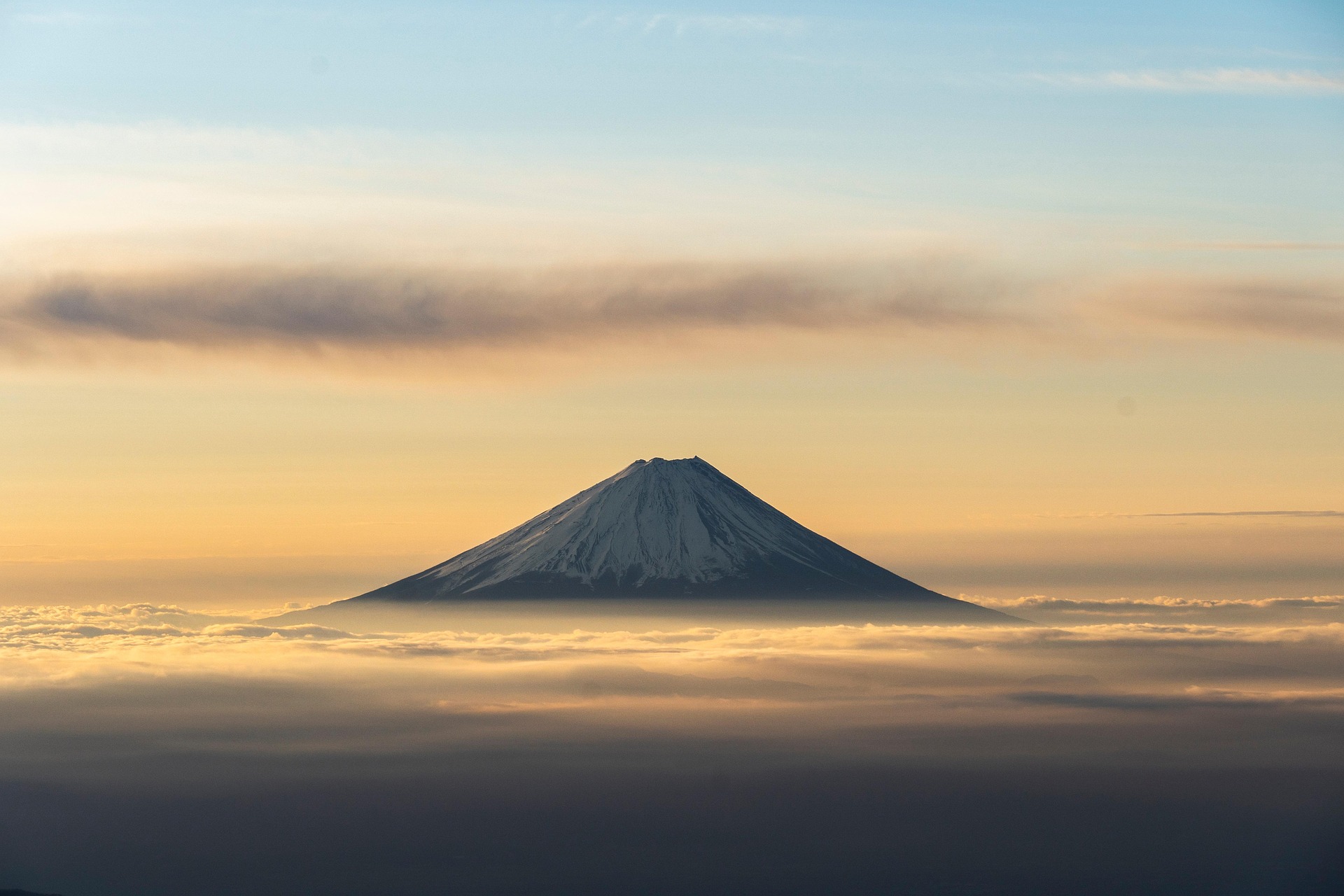
The most common disappointment is arriving on schedule and finding Mount Fuji hidden behind cloud. This is normal. The mountain creates its own weather patterns, and visibility can change hour to hour.
A few practical ways to improve your odds:
· Best time of day: Early mornings are often clearer than afternoons.
· Best time of year for visibility: Colder months can bring crisp views, though it is also colder and days are shorter.
· Best strategy overall: Build in flexibility and consider an overnight stay.
When people want Fuji to “work” as a highlight, these approaches help:
· Best odds: Overnight near Lake Kawaguchi so you get two mornings to try.
· Most relaxed: Pair a Fuji-view day with an onsen stay so the day is still enjoyable if the mountain hides.
· Most efficient: Keep your Fuji area compact rather than bouncing between distant viewpoints.
This is one reason private, tailor-made itineraries can be useful. With a bit of flexibility, the day can be adjusted around the forecast, crowd levels, and what you actually feel like doing.
Common planning mistakes (and how to avoid them)
A classic mistake is treating Fuji as a quick tick-box between Tokyo and Kyoto. The region rewards slower travel. Even one night can change the feel of the trip, and it reduces the pressure of “needing” the mountain to show itself at a specific hour.
Another issue is choosing transport that looks efficient but creates stress. A route with three transfers might save a small amount of money, but it can also lead to missed connections, limited time at viewpoints, and a day spent checking timetables instead of enjoying the scenery.
Finally, people sometimes plan a climb without thinking about recovery time. If you summit overnight and then plan to travel long-distance the same day, it can be rough, especially if you are dealing with sleep loss or altitude effects.
Fitting Mount Fuji into a broader Japan itinerary
Mount Fuji pairs naturally with Tokyo, and it can also sit neatly between Tokyo and Kyoto if you plan the routing carefully. The key is avoiding backtracking and choosing one Fuji region that matches your style.
For many Australian and New Zealand travellers, a private plan helps most when time is short and expectations are high, offering the opportunity to explore local hiking trails around Mount Fuji. Three Bears Travel, for example, designs private, customised trips for two in Japan, with local guidance and on-the-ground support. That style of planning can work well around Fuji because transport, timing and weather matter, and a crowd-free pace often makes the day feel more special.
If you prefer independent travel, the same principles still apply: choose a base, keep the plan simple, and give yourself more than one chance to see the mountain.
Quick FAQ
Which city is Mount Fuji in?
It is not in a single city. Mount Fuji sits on the border of Yamanashi and Shizuoka prefectures.
Can you legally climb Mount Fuji?
Yes, during the official climbing season (generally early July to early September). Outside the season, climbing is strongly discouraged due to risk, and trail facilities are typically closed.
Do I need a permit or fee to climb?
Rules can vary by trail and year, and some routes have introduced entry controls or climbing fees. Check the official trail information close to your travel dates.
What is the easiest way to get to Mount Fuji from Tokyo?
A direct highway bus to Kawaguchiko is often the simplest for first-time visitors. Train options are also good if you are comfortable with transfers.
Is a day trip enough?
It can be, but an overnight stay usually improves your chances of clear views and makes the experience feel less rushed.