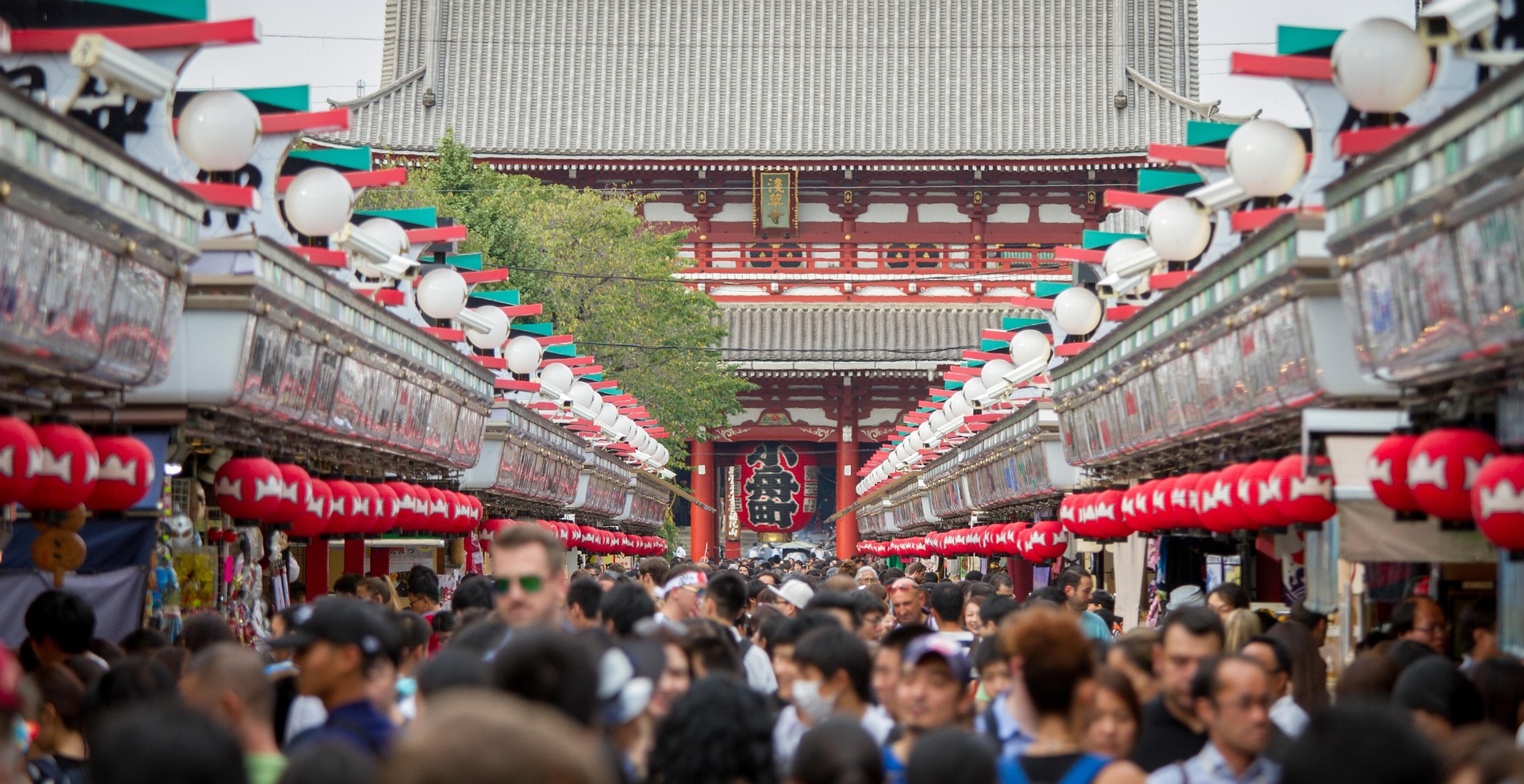
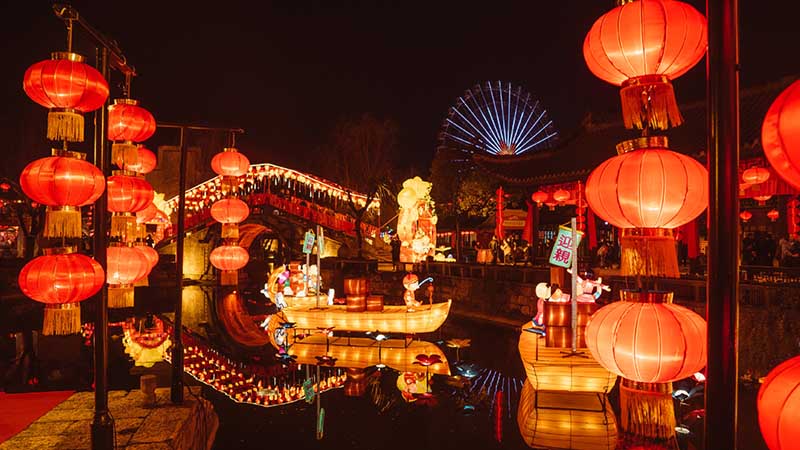
China in mid February feels charged with possibility. Red lanterns swing gently from eaves, shops bustle with last-minute snack runs, and doorways glow with crisp calligraphy couplets. If you have ever wanted to see tradition and modern city life meet head-on, the Lunar Chinese New Year 2026 is the moment to make it happen.
The spring festival holiday period is busy, joyful and sometimes wonderfully chaotic. With a solid plan you can balance big-ticket highlights with quiet, meaningful encounters, and still make time for steaming bowls of noodles and late-night firecracker pops in backstreets.
How to Plan a Chinese New Year Trip in China 2026
When is chinese new year 2026? New Year’s Day falls on Tuesday 17 February, with New Year’s Eve on Monday 16 February. The official public holiday typically covers several days around that period, and the festive spirit runs for weeks. The season reaches its sweet farewell at the chinese lantern festival on the 15th lunar day, which in 2026 lands on Tuesday 3 March.
The chinese zodiac 2026 is the Year of the Fire Horse. Expect red horses prancing across shop displays, horse motifs in paper cuttings, and cheeky references in street performances. Many communities weave the theme of the horse into parades and temple fair décor.
Peak demand is real. The spring travel rush known as Chunyun brings millions back to their hometowns. Flights and trains fill early, hotel rates spike in central districts, and restaurant lines snake onto the pavement. The good news is that advance planning, smart timing and a flexible mindset go a long way.
Planning checklist
-
Six to nine months out
-
Shortlist two regions or a north and south combo, rather than trying to see the whole country.
-
Pencil in which day you want to be in your main celebration city. New Year’s Eve and Day can feel very different from the days leading up.
-
Consider weather. Beijing can be below zero with crisp blue skies. Guangzhou sits in the teens and can be foggy or humid.
-
Three months out
-
Lock in refundable hotels in central areas near metro lines.
-
Decide on one or two key parades, temple fairs or lantern shows and build your days around them.
-
Book domestic flights where needed. Trains may only open for sale about 15 days out on the official platform, so set reminders.
-
30 days out to travel week
-
Pre-register on the 12306 railway app if you plan to ride the high-speed network. If that feels onerous, ask an operator to monitor tickets.
-
Reserve restaurants for New Year’s Eve if you want a banquet. Family tables sell out fast.
-
Pack layers, a portable battery, tissues, and small red envelopes if you plan to give hongbao.
Quick calendar guide for 2026
|
Date |
Event |
Typical vibe |
|
Thu 12 to Sun 15 Feb |
Final pre-festival shopping |
Flower markets and snack stalls in full swing |
|
Mon 16 Feb |
New Year’s Eve |
Family reunion dinners, some restaurants closed, fireworks rules vary |
|
Tue 17 to Thu 19 Feb |
New Year’s Day and first days |
Temple fairs, lion and chinese dragon dances, lighter work traffic |
|
Fri 20 to Sun 22 Feb |
Continuing visits |
Many attractions open, queues still likely |
|
Tue 3 Mar |
Chinese Lantern Festival |
Nighttime lantern shows, tangyuan dessert, romance in the air |
Best Destinations for Chinese New Year 2026
China is wide, and each region carries its own rhythm. If you are choosing your base for the main days, these cities deliver that festive pulse people often call the strongest New Year vibes.
North China
-
The capital’s temple fairs are famous. Ditan Park and Longtan Park usually host folk stages, craft booths and whirring candy hawkers. The lantern displays at parks and historic alleyways glow late.
-
Culinary comfort is king. Dumpling feasts are everywhere, and you can book a hands-on jiaozi session to fold your own lucky ingots.
-
Dress for cold. Crisp mornings can be bracing, but clear skies make for excellent photos around the Forbidden City and hutongs.
-
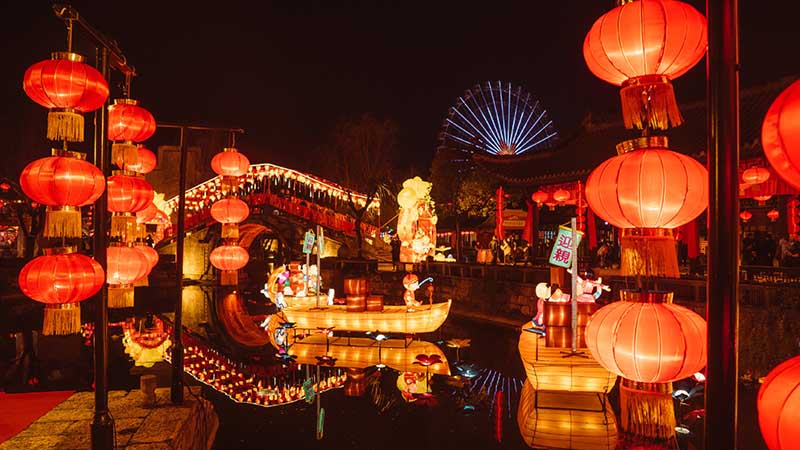
Famous for its Ice and Snow Festival and unique winter celebrations. On Central Street, visitors can admire spectacular ice sculptures and Russian-style architecture, while festive folk performances and fireworks light up the city during the holiday.
-
The banks of the Songhua River are decorated with colorful lanterns, and the ice lantern parks, along with traditional dragon and lion dances, create a vibrant New Year atmosphere.
-
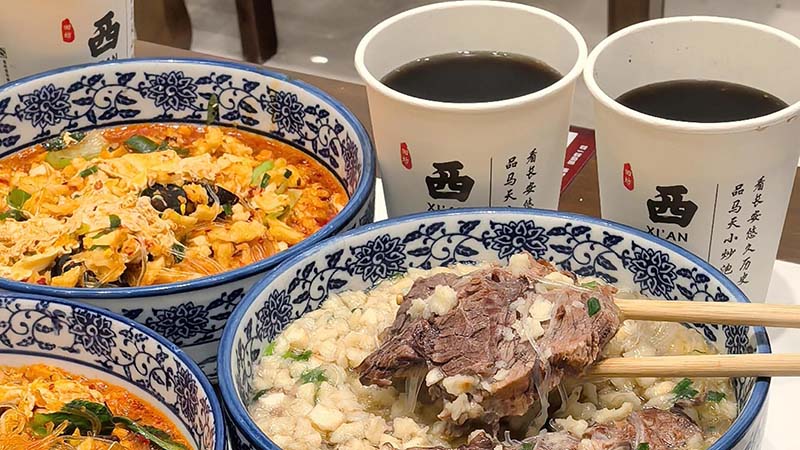
Renowned for its historic city walls and ancient traditions, Xi’an comes alive during Chinese New Year with vibrant lantern festivals and cultural performances in places like the City Wall and Tang Paradise.
-
The Muslim Quarter offers an array of festive street foods, from dumplings to spicy lamb skewers, while local markets brim with New Year decorations and handicrafts.
-
Traditional drum and lion dances fill the streets, and visitors can experience the unique blend of imperial history and lively modern celebrations that make Xi’an a top destination for the holiday.
South China
-
Guangzhou
-
Flower markets are the headline. Districts turn into open-air gardens where families shop for citrus trees, orchids and armfuls of peonies. Dragon parades wind through shopping streets.
-
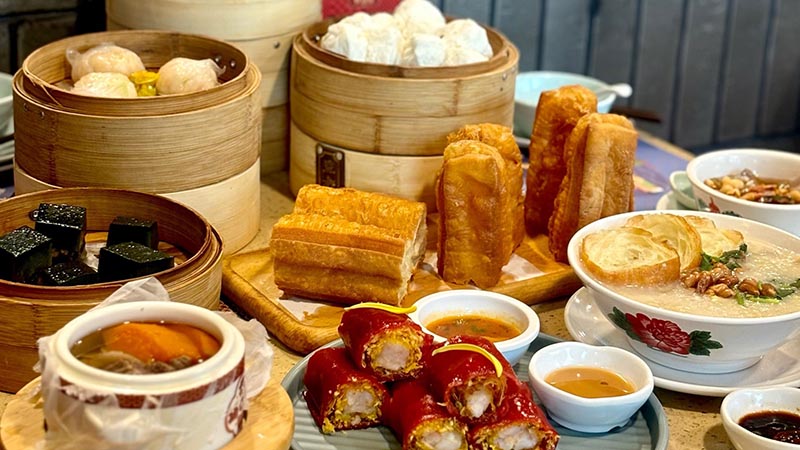
Cantonese banquets for New Year’s Eve are generous and refined. Dim sum houses buzz the morning after.
-
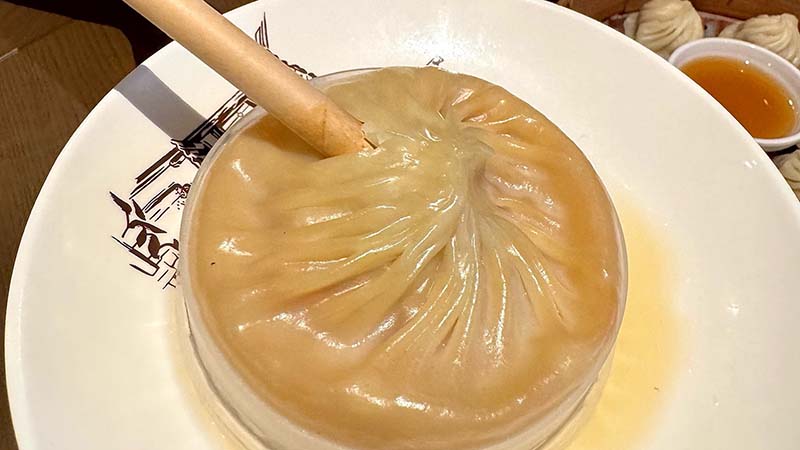
Yuyuan Garden’s lantern spectacular is a staple. Expect themed zones, ticketed time slots, and crowds that move in waves.
-
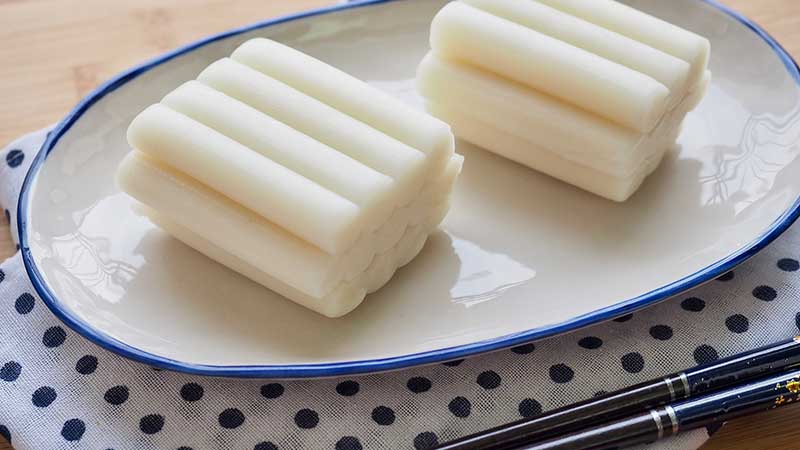
New Year markets and snack alleys around Old Town serve hot sweet rice cakes, scallion pancakes and sugar figurines.
-
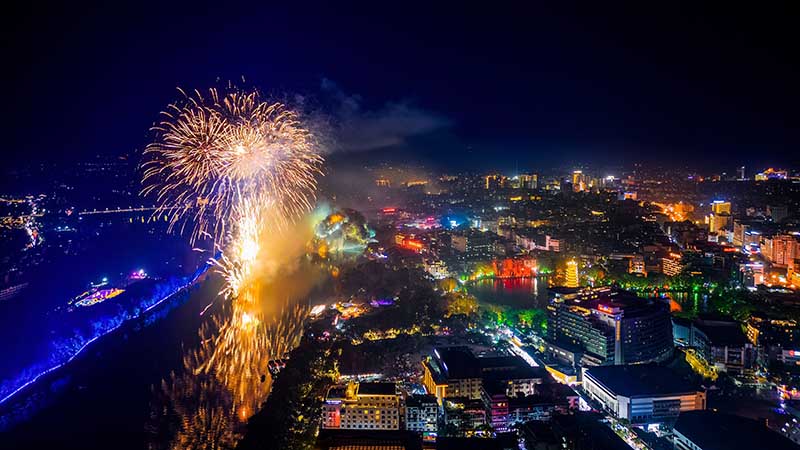
Karst peaks and the Li River add scenery to your holiday. Night cruises deck boats with lanterns, and local villages set up small fairs with drum performances.
-
The pace is gentler than the metropolises, and day trips to Yangshuo give you a countryside take on the season.
A few travellers pair one northern city with a southern one to taste the contrast. You could spend New Year’s Eve among dumpling makers in Beijing then fly to Guangzhou for flower fairs and spring rolls. Or settle in one place and go deeper into neighbourhood traditions.
South vs North traditions at a glance
-
North
-
Jiaozi dumplings shaped like ancient ingots.
-
More cold-weather street snacks like candied hawthorn.
-
Temple fairs with folk theatre, calligraphy and handcrafts.
-
South
-
Niangao rice cakes for prosperity and clay pot rice for warmth.
-
Early morning dim sum gatherings.
-
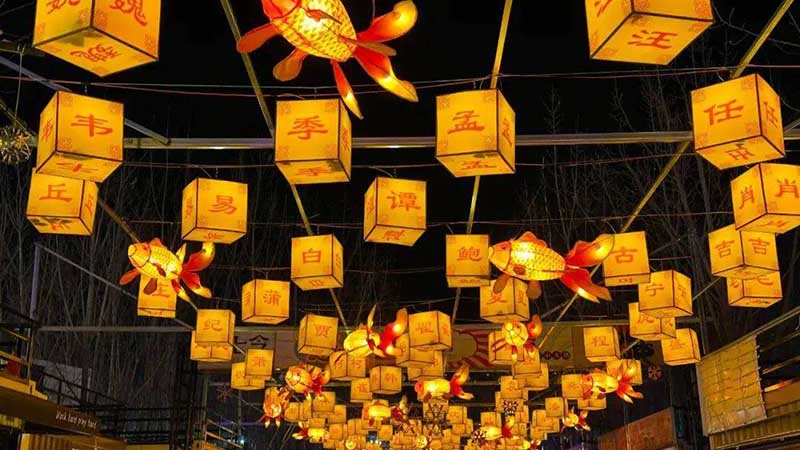
Flower markets, lantern tunnels and intricate light installations.
Festivals, Parades, and Local Celebrations
Lion and dragon teams give streets a heartbeat during the Lunar New Year. Drummers set the pace, cymbals crash, and lion heads nod at shopkeepers who hand over red envelopes for luck. The chinese dragon dance, longer and sinuous, sweeps through squares at set times that you can track via local listings.
Temple fairs are more than photo opportunities. You will see dough figurine masters, sugar painting artists, calligraphers writing couplets on the spot, and children trading good-luck stickers. Some fairs add intangible heritage shows, from shadow puppetry to opera snippets. Arrive early to avoid the biggest crush.
Parades vary by city. Tianjin often assembles folk troupes from surrounding villages, while Guangzhou emphasises floral themes. Expect themed floats featuring the chinese new year animals, with the 2026 horse motif front and centre.
For those intrigued by the mysteries of Eastern culture, Chinese New Year is also a popular time to visit feng shui masters or fortune tellers. Many locals and visitors alike seek predictions for the coming year, hoping for insights into their luck, career, or relationships. If you’re fascinated by thousands of years of mystical tradition, consider adding a session with a respected fortune teller or feng shui expert to your itinerary—these experiences are often available at temple fairs or in historic districts.
Fireworks policies change year to year and by district. Some cities restrict firecrackers within inner ring roads, others allow them on specific nights. Ask your hotel concierge or guide for the latest rules. Alternatively, look for official fireworks shows at riversides or dedicated viewing zones during the spring festival.
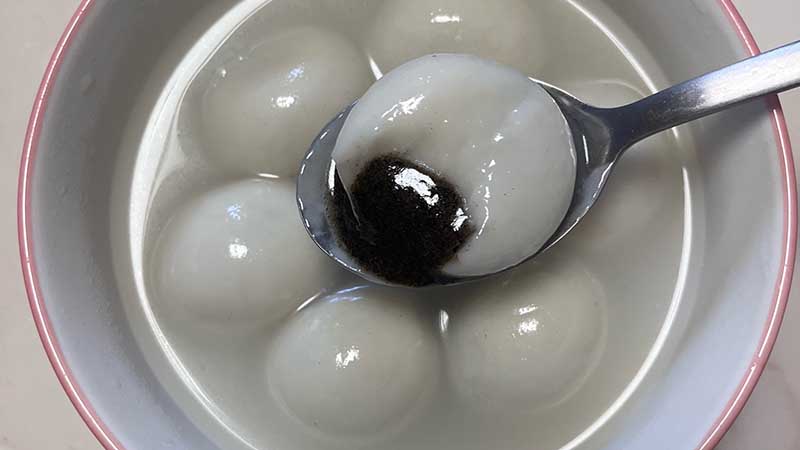
Lantern Festival on 3 March closes the season with glow and sweetness. Parks string elaborate lantern sets, often with riddles hanging beneath. Couples stroll arm in arm, families share bowls of tangyuan, and photographers chase the reflections of colour on ponds and canals. Shanghai’s Yuyuan display is the classic, but smaller city parks can feel more intimate.
Culinary Highlights During Chinese New Year
Holiday tables tell stories. Recipes repeat through generations, and each dish carries a wish tucked in its name or shape.
Dishes you will see everywhere
-
Whole fish for abundance. Many families say the blessing that sounds like fish, saving some leftovers to carry luck into the new year.
-
Long-life noodles. Slurp, never cut.
-
Dumplings in the north. Folded at home, pinched with family gossip, boiled close to midnight.
-
Rice cakes in the south. Niangao rises like fortunes should.
-
Tangyuan glutinous rice balls with black sesame or peanut for Lantern Festival.
Regional tastes to hunt down
-
Jiaozi with lamb and fennel, grilled lamb skewers on street corners, candied fruit on sticks.
-
Savour Xi’an’s famous dumplings and roujiamo (Chinese-style burgers) as you explore the city’s festive markets and lantern displays.
-
Warm up with hearty northeastern dishes like Harbin-style smoked sausage and stewed pork with vermicelli, perfect after a stroll among the city’s dazzling ice sculptures.
-
Guangzhou
-
Roast goose with lacquered skin, clay pot rice with Chinese sausage, dim sum carts rolling hot and fast.
-
Lion’s head meatballs, sweet braised pork, and sticky rice cakes with scallions.
-
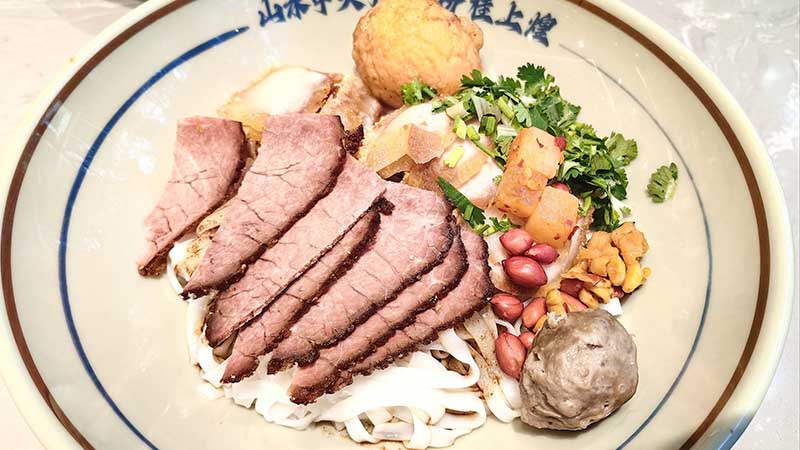
Guilin rice noodles with pickled beans and chilli oil, river fish hotpot with fresh greens.
Many travellers open a map app and type good chinese food near me. It works, but locals take it further by filtering for old-brands or time-honoured shops. Another simple tactic is to line up behind grandparents carrying market bags. If you prefer a curated approach, food tours zero in on seasonal chinese foods and explain the symbolism behind each bite.
Itineraries that work during the holiday
Crowds are part of the fun, but a smart route makes them feel manageable. Two sample plans below balance marquee events with breathing space.
7 days in the north
-
Day 1 to 2: Beijing hutongs, drum tower, dumpling workshop. Late afternoon at a smaller temple fair to ease in.
-
Day 3: Forbidden City early, lanterns in the evening at a park near your hotel.
-
Day 4: New Year’s Eve market shopping, then a family-run restaurant for a set dinner.
-
Day 5: New Year’s Day at Ditan Park or Longtan Park, followed by hot pot to thaw out.
-
Day 6: High-speed train to Pingyao Ancient Town—famous for its lively, traditional New Year celebrations, lantern-lit streets, and folk performances in a beautifully preserved setting.
-
Day 7: Continue by high-speed train to Xi’an or return to Beijing for a leisurely brunch and last-minute handicrafts.
8 to 10 days in the south
-
Day 1 to 3: Guangzhou flower markets and dragon parades. Dim sum mornings, tea houses in the afternoon.
-
Day 4 to 6: Guilin and Yangshuo for river scenery and village fairs. Night cruise with lanterns on board.
-
Day 7 to 9: Shanghai Old Town and Yuyuan lanterns with timed entry. Day trip to a water town for quieter lantern walks.
-
Optional Day 10: Extra night for Lantern Festival if your dates align, or jump to Hong Kong for city lights and dessert shops.
Transport tips
-
Trains are pleasant and punctual. If you hit presale limits, try different classes or split routes via neighbouring cities.
-
Inner-city metro systems run extended hours during the holiday. Carry a translation app for ticket machines to speed up queues.
-
Ride-hailing works in most large cities, but prices can surge around midnight on New Year’s Eve.
Regional differences that add depth
What looks like one holiday, such as Chinese New Year, is really a tapestry of local practices. In Beijing you might see families burning incense at small neighbourhood shrines in the morning and joining a drum circle in the evening. In Guangzhou, cousins will argue joyfully over which flowers bring better luck while vendors hand out sample oranges.
North-facing dishes lean hearty. Lamb-filled dumplings, thick noodles and hot soups make sense in winter air. Down south, flavours tilt toward the delicate and bright, with steamed seafood and stir-fries that keep their snap. Lantern styles shift too. Northern sets often draw on folklore scenes while coastal displays highlight marine life and floral motifs.
Knowing when to linger and when to move on is part of the pleasure. Sometimes the best moments are not the headline shows but the quiet ones: a calligrapher patiently choosing the right red paper for a child’s first couplets, or a noodle shop owner slipping an extra egg into your bowl because it is New Year.
Practical notes to smooth the edges
-
Payments: Mobile wallets dominate big cities. Carry some cash for smaller stalls, and have a bank card as backup.
-
Connectivity: An eSIM or local SIM keeps maps and translations flowing. Hotels usually provide strong Wi-Fi.
-
Language: A few phrases help. Xin nian kuai le for Happy New Year, and xie xie for thank you. Screenshots of your hotel address in Chinese characters are gold.
-
Etiquette: Avoid gifting clocks, white flowers or sharp objects, which carry unlucky meanings. Fruit, tea and sweets go over well.
-
Safety: Crowds can be dense. Agree on a meeting spot before entering a temple fair, and keep valuables zipped up.
Travel with Three Bears Travel for an Authentic Experience
If you prefer a guided plan that still leaves room for spontaneity, Three Bears Travel specialises in seasonal trips that put you in the right place at the right time. Our teams track city calendars as we firm up, then shape days around real neighbourhood life rather than just big venues.
What that might look like
-
Reserved time slots for Yuyuan lantern nights so you glide through the gates.
-
Seats at folk stages in Tianjin and introductions to performers after the show.
-
A dumpling-making visit with a Beijing family, with recipes emailed in English after.
-
A guided Guangzhou flower market walk with a florist who explains why everyone is fussing over kumquat trees.
-
Restaurant bookings that feature meaningful Chinese foods for the Fire Horse year, with dish stories translated at the table.
We can also handle the nuts and bolts that can feel tricky in peak season. That includes monitoring the rail ticket window, stitching together flight and train schedules, and releasing room holds if a better-located hotel opens up.
Our guides keep a light touch, stepping in with context when it lifts the experience, then letting you make your own small discoveries. If you like, we can also organise a quiet morning in a calligraphy studio for printing your own couplets to take home.
Finally, one small tip that applies no matter how you travel: leave room in your schedule. Leave room for that unexpected tea tasting, for a second look at a dragon team perfecting its final leap, for a late-night street snack you had not planned to eat. Chinese new year 2026 rewards those who show up ready for colour and sound, but it also smiles on unhurried wanderers who pause often, look closely and say yes to the next bright doorway.
Want more China travel itineraries? Click here!
If you have any other questions, feel free to click here and get in touch with us.
If you need a personalized travel plan, feel free to click here and let us help you.