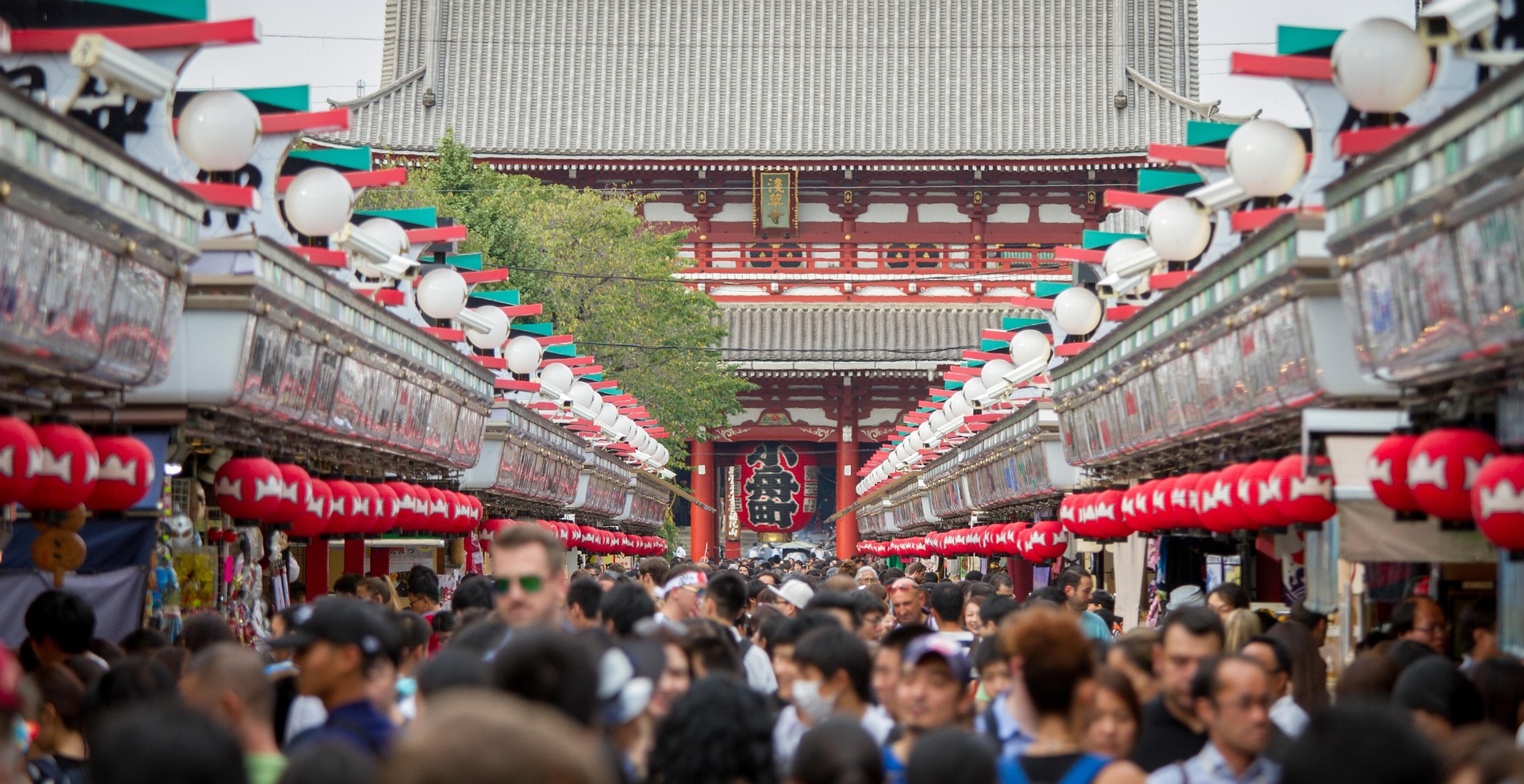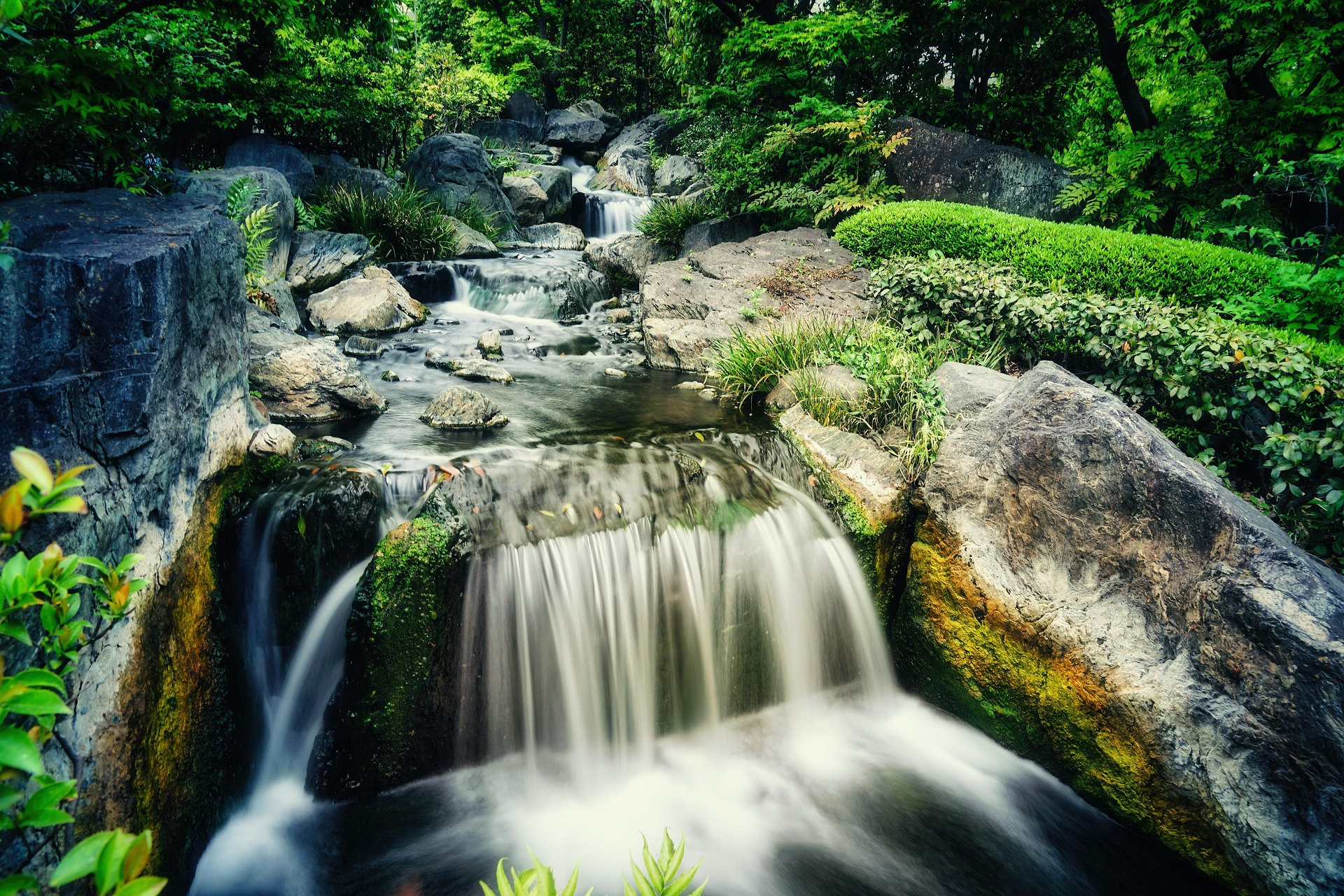

Few countries offer such an astonishing variety of climates, landscapes, and traditions as China. For travellers from Australia and New Zealand, China sits just a direct flight away, tempting with everything from misty mountain temples and bustling megacities to ancient villages and spectacular river valleys. But with such diversity, timing really does shape what kind of China you'll experience.
Your interests, weather preferences, budget, and even tolerance for crowds all play into working out the most enjoyable dates to visit China. Maybe you're drawn by cherry blossoms, or eager to ski among giant ice lanterns. Perhaps autumn colours and balmy southern air appeal. Here’s a close look at what each season serves up, plus practical airfare, travel tips, and planning insights for Aussies and Kiwis contemplating a China holiday.
Seasonal Variations Across China: When to Go for What
Each region has its own microclimate and rhythm. This isn’t a country where every corner feels the same throughout the year; from the windswept Gobi Desert to subtropical Yunnan, fluctuations can be dramatic. It’s wise to match your destinations and ambitions to the time of year.
Spring (March–May): Blooms, Mild Days, New Energy
As the chill of winter lifts, China shakes off its frostiness with a burst of life. Temperatures climb into the mid-teens and low 20s (Celsius) across much of the country, making outdoor activity a pleasure. Many festivals celebrate renewal and new beginnings.
Highlights in spring include:
-
Cherry and peach blossoms transforming city parks and countryside, particularly in Shanghai, Hangzhou, and southern regions.
-
Historical sightseeing without the swelter or crowds that hit later in the year — think Beijing’s Forbidden City or the Terracotta Army in Xi’an.
-
The tea terraces of Longjing near Hangzhou glow with fresh leaves, perfect for those interested in local agriculture and rural walks.
-
Wildflowers in Yunnan and Sichuan add colour to mountain hikes.
For those with allergies or a sensitivity to pollen, it’s wise to have medication handy, as some areas (notably Suzhou’s classical gardens) are prolific with spring blooms.

Summer (June–August): Festivals, Buzz, and Beach Breaks
This is the peak of energy and activity, but also the stickiest heat. In major cities like Beijing, Shanghai, and Chengdu, daily highs frequently top 30°C, and humidity is at its thickest. School holidays in China and Australia/NZ overlap, coinciding with public holidays, making some destinations busier and pricier.
Summer can be a wonderful time for:
-
Exploring beach cities like Qingdao, Xiamen, and the luxe resorts of Hainan Island (Sanya), which bring a taste of the tropics.
-
Urban experiences and lively festivals — dragon boat racing at lakes and rivers, outdoor concerts, and night markets abuzz.
-
Family trips to world-class theme parks, including Shanghai Disneyland and Universal Studios Beijing.
Rainfall ramps up, particularly in the south and east, and there’s a higher risk of typhoons along the coast between July and September, with this being the rainiest month in some regions. A sturdy umbrella and quick-dry clothes come in handy. For those happy to embrace local weather, the country’s hundreds of rivers and lakes are at their most lush and photogenic now.

Autumn (September–November): Stunning Colours and Ideal Temperatures
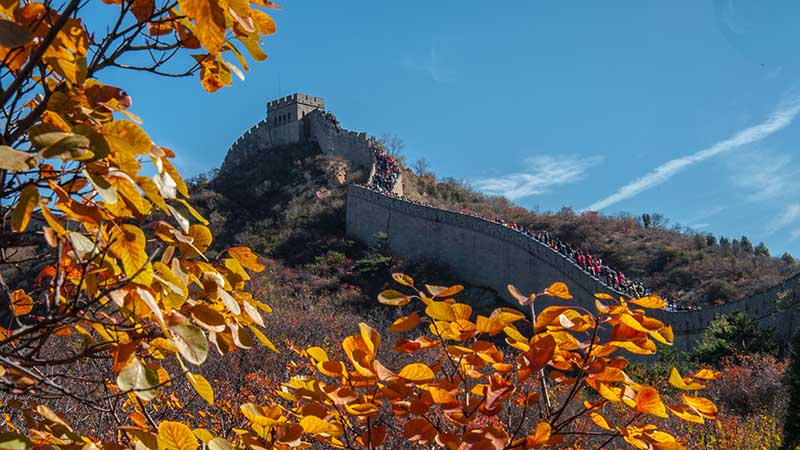
Widely celebrated as China’s finest season, autumn draws travellers for its clear skies, moderate temperatures, and dazzling natural colours. It's perfect for ticking off both city icons and immersing yourself in the rich culture and nature escapes.
Autumn highlights:
-
Golden leaves framing the Great Wall near Beijing — arguably the most beautiful time to walk this wonder.
-
Jiuzhaigou Valley in Sichuan, where turquoise lakes mirror an explosion of red, orange, and gold foliage.
-
Cultural events and festivals, such as the Mid-Autumn Festival, where mooncakes and family gatherings abound.
-
Dry, stable weather makes this an excellent period for longer journeys and cross-country adventure.
If your travel dates are flexible, one of the travel tips is to aim for late September into October (but avoid ‘Golden Week’ and public holidays in the first week of October, when the whole country seems to be on the move).
Winter (December–February): Crisp Air, Ice Festivals, and Skiing
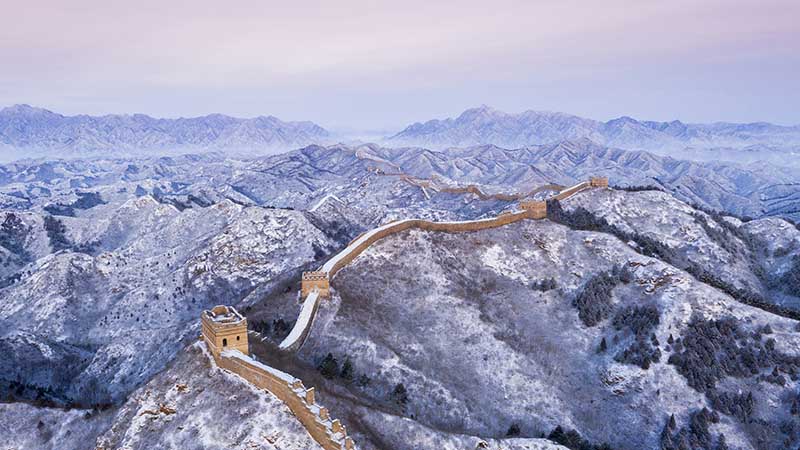
Cooler temperatures sweep across the north, introducing some of the coldest and most dramatic, frozen landscapes and quiet temples under snow. Southern and western China, including regions like Guilin, remain surprisingly mild, while far north and west regions get a true winter.
Winter draws those looking for:
-
The spectacular Harbin Ice and Snow Festival. This “city of ice” features full-scale castles, neon-lit sculptures, and a unique festive mood from early January to late February.
-
Affordable city stays, as prices for hotels and entrance tickets often dip (outside Chinese New Year peak).
-
Skiing and snowboarding at world-class northern resorts in Heilongjiang and Xinjiang.
-
The excitement of Chinese New Year celebrations, though this translates into extremely high demand for flights, trains, and hotels — book well ahead if targeting this period.
For urban sightseers, this is often considered the best time to visit Shanghai, Beijing, and Xi’an as they empty out a little, offering fewer crowds at world treasures.
Cheaper Travel: Timing China Flights from Down Under
Airfare makes up a big chunk of your China spend, so keeping an eye on trends pays off. Like anywhere, the cheapest time to fly is often when the demand drops. Here’s what those patterns look like if you're flying from Australia or New Zealand:
|
Season |
Typical Airfare Trend |
Pros |
Considerations |
|
Feb–Mar |
Cheap (post–New Year lull) |
Mild weather, low crowds |
Some tourist sites quiet/closed |
|
April–May |
Moderate (shoulder season) |
Blossoms, festivals, pleasant temps |
Some rain (south) |
|
June–August |
Expensive (school hols) |
Festivals, summer activities, beaches |
Hot, humid, busy |
|
Sept–Nov |
Cheap/moderate (autumn) |
Clear skies, scenery, best weather |
‘Golden Week’ (1st week Oct) busy |
|
Dec–Jan |
Expensive (Christmas, NYE) |
Ice festival, snow sports |
Cold north, crowds during CNY |
Some practical tricks for securing a better price:
-
Aim for mid-week departures (Tuesday or Wednesday work best).
-
Check fares into different China airports — sometimes flying into Guangzhou or Chengdu is far cheaper than Beijing or Shanghai.
-
Set fare alerts, and be open to split-ticketing with combinations of carriers.
-
Booking around 2–3 months in advance for shoulder season secures the sweet spot between price and choice.
Matching Regions to Seasons: A Quick Planning Matrix
China’s size means winter in Harbin isn’t at all like winter in Kunming, and monsoon season doesn’t reach inland deserts. Here’s a handy breakdown to pair travel regions with peak months.
|
Destination/Region |
Best Months |
Weather/Drawcards |
Avoid (if possible) |
|
Beijing & Xi’an |
Mar–May, Sep–Nov |
Mild temps, blue skies, history |
Summer (heat, crowds) |
|
Shanghai & Hangzhou |
Mar–May, Sep–Nov |
Blossoms, gardens, festivals |
July–Aug (humid, busy) |
|
Yunnan (Kunming, Dali, Lijiang) |
Mar–May, Sep–Nov |
Mild year-round, spring greens |
July–Sep (rains, landslides) |
|
Guilin & Yangshuo |
Apr–Jun, Sep–Nov |
Karst scenery, river cruises |
Jul–Aug (rain, humidity) |
|
Zhangjiajie |
Apr–Jun, Sep–Nov |
Misty peaks, lush forests |
Winter (cold, slippery trails) |
|
Harbin (Heilongjiang) |
Dec–Feb |
Ice festival, snow sports |
Spring/summer (dull, chilly) |
|
Hainan (Beaches) |
Nov–Apr |
Warm, sun, swimmable seas |
May–Sep (humid, typhoons) |
|
Jiuzhaigou/Sichuan |
Sep–Nov |
Autumn leaves, clear lakes |
Winter (closed, icy roads) |
|
Silk Road (Xinjiang, Gansu) |
May–Jun, Sep–Oct |
Deserts, ancient sites, culture |
Jul–Aug (extreme heat) |
With this guide, you can match your dream destinations in China to the ideal season—ensuring the best weather, scenery, and experiences. For personalised advice and seamless planning, Three Bears Travel can help you craft the perfect itinerary.
Essential Planning Tips for Aussies & Kiwis
A few extra travel tips keep things running smoothly:
-
Visas: Australian and NZ passport holders need a visa before arrival. Rules shift, so always cross-check embassy websites or consult your travel agent well ahead of time.
-
Weather Prep: A packing list for China will likely include layers — given the diverse weather in China, you may need a winter coat in Beijing but just a jumper for Kunming, and rain gear in the south year-round, especially during the rainiest month.
-
Holidays and Crowds: Watch out for these especially congested periods:
-
Chinese New Year (late Jan–Feb, dates shift year to year)
-
May Day public holiday (end of April/start of May)
-
Golden Week (early October)
-
Packing Light: Trains and domestic flights often have strict baggage rules. Skipping checked luggage can mean faster transfers and fewer headaches.
Seasonal Bucket List: What Stands Out When
Every Australian and New Zealander heads to China for different reasons, but some experiences are truly seasonally special:
-
Spring: Photographing cherry blossoms in Lijiang or Suzhou’s UNESCO gardens; hiking in Yunnan’s Tiger Leaping Gorge.
-
Summer: Night markets in Chengdu; surfing or relaxing on Hainan’s palm-edged beaches; dragon boat racing in Guangdong.
-
Autumn: Strolling ancient water towns draped in red ivy; trekking the Great Wall or escaping to the rice terraces of Guangxi post-harvest, and exploring the stunning karst landscapes of Guilin.
-
Winter: Ice skating on Houhai Lake in Beijing, one of the coldest activities; feasting on northern hotpot to ward off the chill; joining the lantern parades during the New Year.
From ice castles to ancient gardens in bloom, China rewards every type of traveller who gets their timing right by considering which month is best to visit China. With a bit of forward planning, the right combination of cities and landscapes, and openness to the mood each season brings, your experience will be unique, memorable, and entirely yours. For expert guidance and seamless arrangements, Three Bears Travel is here to help you craft the perfect China adventure, tailored to your interests and travel style.
FAQs for Australia & New Zealand Travellers
Q: When are airfares to China usually cheapest, and how can I maximise savings?
A: The most affordable fares are typically found from late February to March and again from September to late November, when demand drops outside of school holidays and major Chinese festivals. To secure the best deals, book flights 2–3 months in advance, set up price alerts, and consider flying mid-week or into alternative airports. Bundling flights with accommodation or tours through agencies like Three Bears Travel can unlock additional discounts.
Q: What’s involved in getting a visa for China, and how can I avoid delays?
A: Most Australian and New Zealand citizens require a tourist visa, which can take several weeks to process. Requirements and documentation can change, so it’s crucial to check the latest embassy guidelines or use a reputable travel service for up-to-date advice. Applying early and ensuring all paperwork is complete will help you avoid last-minute stress or unexpected rejections.
Q: How can I avoid crowds and enjoy a more authentic experience?
A: To sidestep the busiest travel periods, avoid visiting during Chinese New Year (usually January or February), May Day (early May), and Golden Week (early October). These holidays see a surge in domestic tourism, packed attractions, and higher prices. Travelling in the shoulder seasons—spring and autumn—not only means fewer crowds but also more comfortable weather and better value for money.
Q: What’s unique about China’s climate compared to Australia and New Zealand?
A: China’s seasons are often the opposite of those in the southern hemisphere. While it’s summer in Australia and New Zealand, China is experiencing winter, and vice versa. This means you can chase spring blossoms in China while it’s autumn at home, or escape to China’s beaches during your own winter. Packing layers is essential, as temperatures can vary dramatically between regions—think snow in Harbin while it’s subtropical in Hainan.
Q: Where are China’s best beaches, and when’s the ideal time to visit?
A: Southern China boasts stunning beaches, with Hainan (especially Sanya), Xiamen, and Qingdao offering warm waters and excellent conditions for swimming and water sports. The best time to visit is from November to May, when the weather is mild and the sea is inviting. For a quieter experience, avoid peak Chinese holiday periods and consider less-touristed coastal towns.
Want more China travel itineraries? Click here!
If you have any other questions, feel free to click here and get in touch with us.
If you need a personalized travel plan, feel free to click here and let us help you.