For many, Xinjiang conjures images of endless deserts, snow-capped mountains, and vibrant bazaars alive with the aromas of freshly baked naan and lamb skewers. Yet, beyond its sensory allure, Xinjiang stands as the beating heart of the ancient Silk Road—a network that once connected China to Central Asia, the Middle East, and Europe. Tucked into China’s far northwest, Xinjiang is not just a feast for the senses but also a nexus of thousands of years of culture, movement, and change. Engaging with Xinjiang is a venture into a place where boundaries blur and diversity is celebrated with fervour. Few regions in China pack so much intrigue and variety into their borders, and even fewer have played such a pivotal role in shaping the course of world history.
Locating Xinjiang: The Crossroads of Continents and Civilisations
Xinjiang comfortably claims the title of China’s largest province-level region, covering an area greater than that of France, Germany, and Spain combined. Stretched along the historic Silk Road, it shares frontiers with no less than eight countries, including Russia, Kazakhstan, Kyrgyzstan, Tajikistan, Afghanistan, Pakistan, Mongolia, and India.
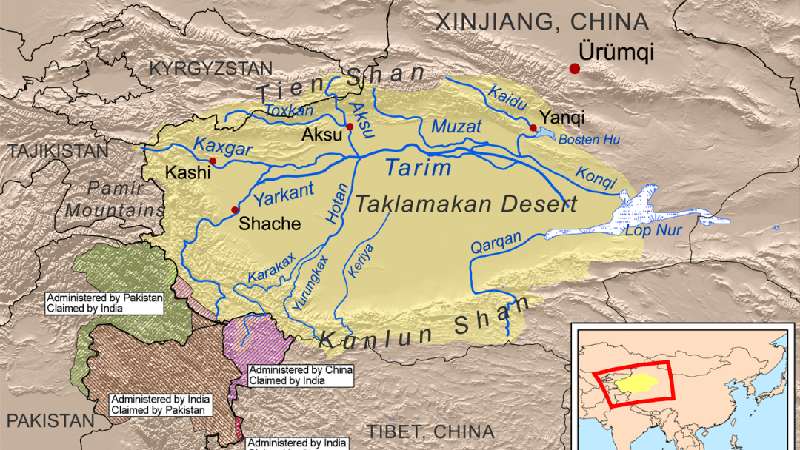
This unique positioning is not simply a geographic curiosity. The Xinjiang map not only traces international borders but also the rise and fall of empires, centuries of trade activity, and the mingling of dozens of ethnic groups. For millennia, Xinjiang has served as the vital bridge between East and West, a corridor through which silk, spices, religions, and ideas flowed. When laid out visually, the region’s map offers a glimpse into why Xinjiang has been such an influential corridor throughout history and why it remains central to China’s Belt and Road Initiative today.
|
Country |
Border Length (approx.) |
Notable Crossing City |
|
Kazakhstan |
1,783 km |
Yining (Ili Kazakh) |
|
Mongolia |
1,532 km |
Altay |
|
Russia |
40 km |
(remote mountainous border) |
|
Kyrgyzstan |
858 km |
Kashi/Kashgar |
|
Tajikistan |
414 km |
Tashkurgan |
|
Afghanistan |
92 km |
(Wakhan Corridor) |
|
Pakistan |
523 km |
Tashkurgan (Khunjerab Pass) |
|
India |
96 km |
(disputed region) |
Xinjiang Uygur Autonomous Region: People, Culture, and Silk Road Legacy
Often referred to as the Xinjiang Uygur Autonomous Region of China, it is home to over 25 million residents and more than a dozen official ethnic groups. The Uygurs, a Turkic-speaking, mostly Muslim people, are the single largest group and deeply shape the region’s identity. Their language, faith, cuisine, dance, and music are woven into the daily rhythms of Xinjiang life.
Alongside the Uygurs, you’ll find Kazakhs galloping horses through the grasslands, Tajiks inhabiting high mountain valleys, and Han Chinese and Hui weaving their own influences into city streets and villages. This blend of cultures is a living testament to Xinjiang’s cultural diversity and its role as a Silk Road crossroads, where merchants, pilgrims, and explorers from across Eurasia mingled and exchanged not only goods but also philosophies, technologies, and traditions.
Diversity is not just reflected in demographics but also celebrations, religious practices, clothing, and of course, food. A visit to a night market in Xinjiang means a table practically groaning under the weight of:
-
Polo (a hearty pilaf of mutton, carrot, and rice)
-
Samsa (golden, crispy pastries filled with lamb)
-
Hand-pulled noodles tossed with chili oil and vegetables
-
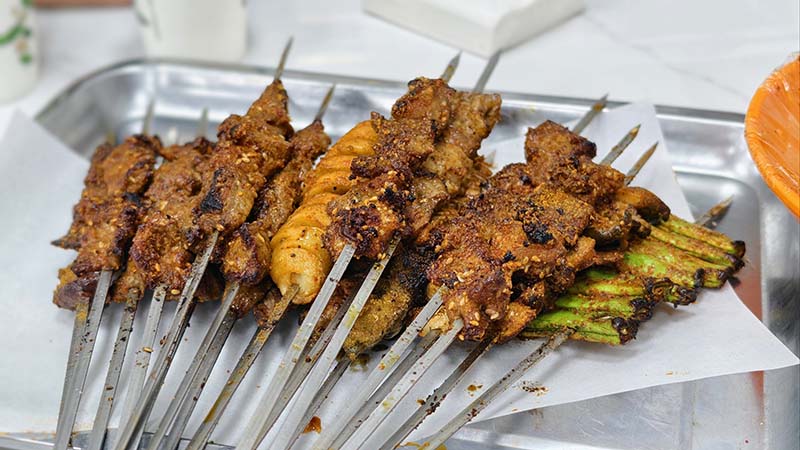
Skewered lamb kebabs sprinkled with cumin
These dishes, with their Central Asian and Middle Eastern influences, are culinary echoes of the Silk Road’s enduring legacy.
Xinjiang Through Its Cities: Silk Road Stories
While the names Urumqi, Kashgar, Turpan, Hotan, Altay, and Yining crop up often, each tells a different story about Xinjiang’s Silk Road heritage.
Urumqi: Hub of the North
Urumqi, often described as the most inland city in the world, serves as the beating heart of the region’s transport and commerce. It’s here that the modern face of Xinjiang is most visible, with broad avenues, upscale hotels, and gleaming malls sitting beside busy bazaars and teahouses.
Museums in Urumqi provide comprehensive insights into the natural and human history of the area. The Xinjiang Regional Museum, for example, wows with ancient mummies, Silk Road artefacts, and a vivid retelling of migration and trade in the region.
Travellers looking for accommodations will find everything from international chains to charming guesthouses in Urumqi, making it a practical base for further adventures.
Kashgar: Icon of Silk Road Romance
Kashgar, or Kashi in Chinese, is draped in history and legend. Sitting close to the border with Kyrgyzstan and Tajikistan, its labyrinthine old town is famed for mud-brick dwellings and bustling Sunday markets. This is a city where donkey carts still rattle down alleys lined with woodcarvers, silversmiths, and bakers.
Perhaps most memorable is the Id Kah Mosque, one of China's largest, and the sprawling livestock market where deals are sealed over handshakes and endless cups of tea. For centuries, Kashgar was the Silk Road’s westernmost outpost in China, a melting pot where traders from Persia, India, and the Mediterranean met Chinese merchants.
Turpan: Oasis of Grapes and Fire
Southeast of Urumqi lies Turpan, nestled into a depression that marks one of the lowest and hottest points in China. Yet, against all odds, Turpan is an oasis. Its famous vineyards—some over a thousand years old—thrive thanks to ancient underground irrigation tunnels called karez, a technology introduced and perfected along the Silk Road.
A short drive from the city, the Flaming Mountains smoulder in the distance, their red rocks glowing under the sun and inspiring tales in "Journey to the West," one of China's greatest epic novels.
Hotan, Altay, Yining: Diversity of the Far Corners
Hotan stands out as the best spot to shop for nephrite jade or intricately woven carpets—luxuries that once travelled the Silk Road to distant lands. Sand dunes here edge right up to bustling bazaars, making for a striking contrast. Altay and Yining, in the far north, are gateways to sweeping grasslands, forests, and the rustic traditions of Kazakh herders.
Natural Wonders: More Than Just Deserts
Xinjiang’s terrain is legendary. Yes, deserts dominate much of the landscape, but there’s a breadth to the scenery that continually surprises. From vast sand seas to lush valleys, alpine lakes, and dramatic canyons, Xinjiang’s natural wonders are as diverse as its cultural tapestry.
-
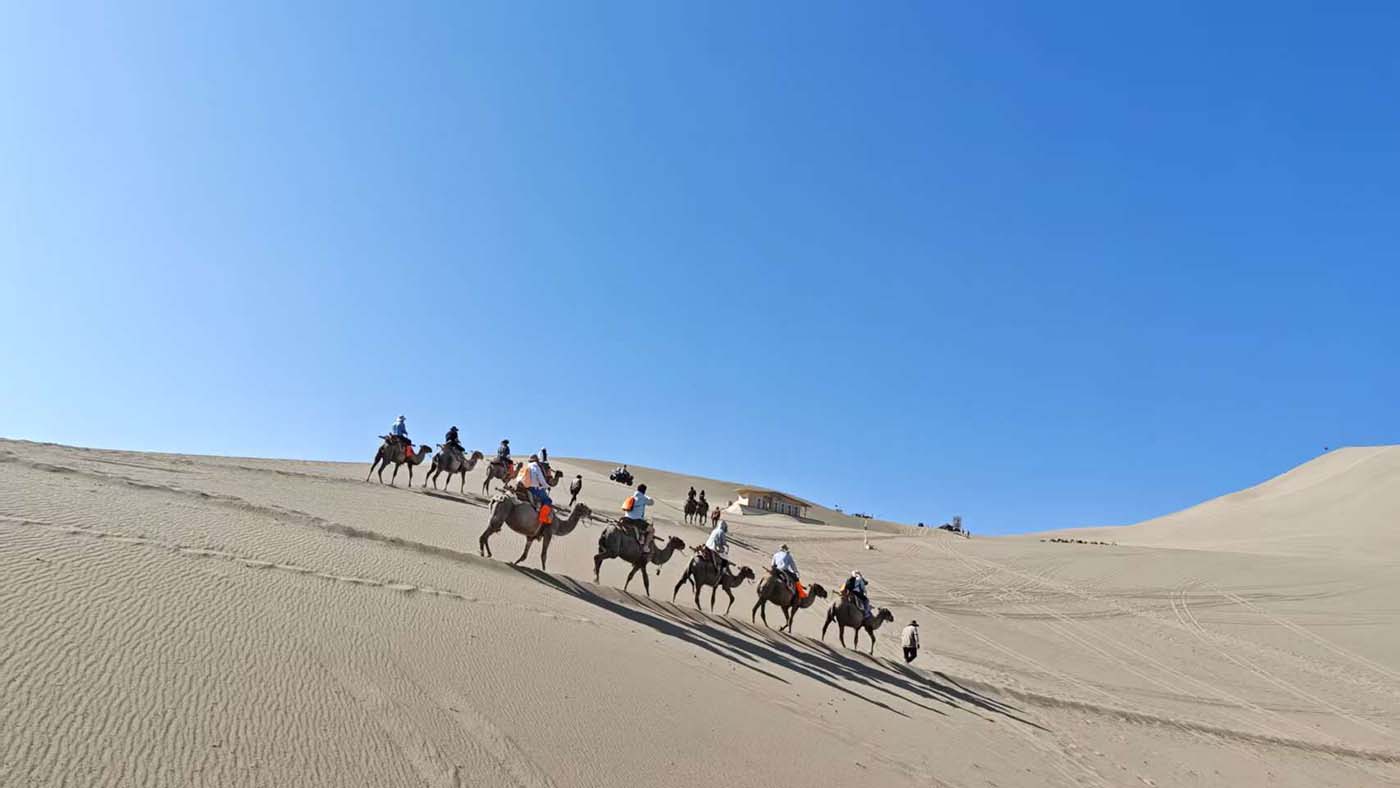
The Taklamakan Desert: Sprawling over 337,000 square kilometres, it is China’s largest and one of the world’s most feared and fabled sand seas. The name whispers a warning—“go in and you’ll never come out.” This desert was both a barrier and a vital artery for Silk Road caravans.
-
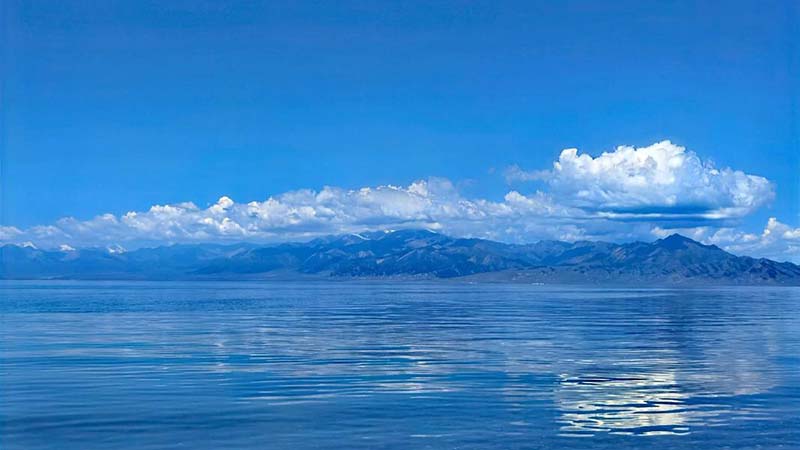
Sayram Lake: Crystal-clear alpine waters set amid snow-dusted mountains, perfect for summer picnics or autumn photography.
-
Flaming Mountain: With its scorched rock faces, it mesmerises visitors and locals alike.
-
Tianshan Mountains: Jagged, ice-capped peaks running through the heart of the region, a hotspot for hikers and adventure seekers.
-
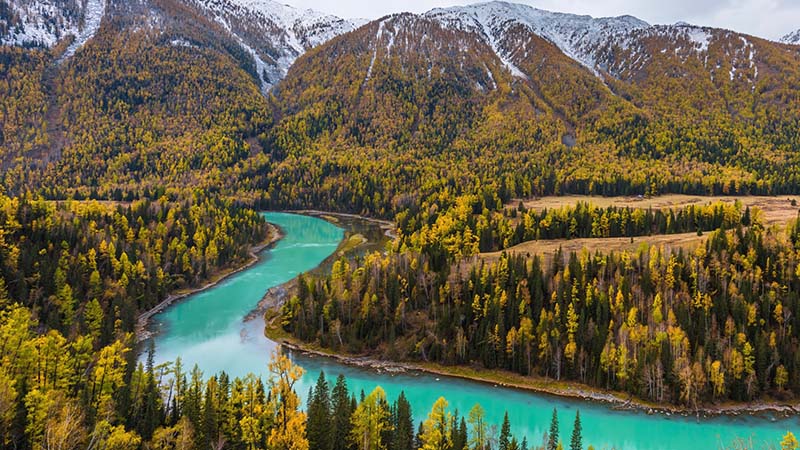
Kanas Lake: Nestled in the Altay Mountains in northern Xinjiang, Kanas Lake is famed for its turquoise waters, dense forests, and the mysterious legends of lake monsters. The surrounding area is home to the Tuva and Kazakh peoples, adding cultural intrigue to the breathtaking scenery.
-
Narat Grassland: These rolling alpine meadows in the Ili River Valley are blanketed with wildflowers in summer and dotted with traditional Kazakh yurts. The grasslands are ideal for horseback riding and experiencing nomadic culture.
-
Bosten Lake: As one of China’s largest inland freshwater lakes, Bosten Lake near Korla offers tranquil waters, abundant birdlife, and picturesque reed marshes.
-
Yadan Landform (Devil’s City): Located near Karamay, this surreal landscape features wind-eroded rock formations that resemble ancient castles and towers, creating an otherworldly atmosphere.
-
Kumtag Desert: Bordering the city of Shanshan, this desert is known for its golden dunes and unique accessibility, allowing visitors to experience the stark beauty of the sands up close.
-
Grand Canyon of Tianshan (Kezi’er Gorge): This dramatic red sandstone canyon near Kuqa is renowned for its towering cliffs, narrow passages, and striking geological formations, making it a paradise for photographers and adventurers.
-
Tarim Poplar Forest: Stretching along the banks of the Tarim River, this ancient forest is home to the resilient Euphrates poplar trees, whose golden leaves create a magical landscape in autumn.
Weather varies dramatically, from bone-dry heat in Turpan to subzero winters in Altay. Checking the forecast is wise before any Xinjiang trip, particularly for excursions that flirt with the region’s extremes.
The Pulse of Daily Life: Silk Road Echoes
Xinjiang is never quiet. Walk through a morning bazaar and you’ll hear the chatter of tradesmen in Uygur, Mandarin, Kazakh, and more, highlighting the region's rich cultural diversity. You’ll see children shuffling to school in groups, women with colourful headscarves shopping for fruit, and old men playing chess in shaded parks.
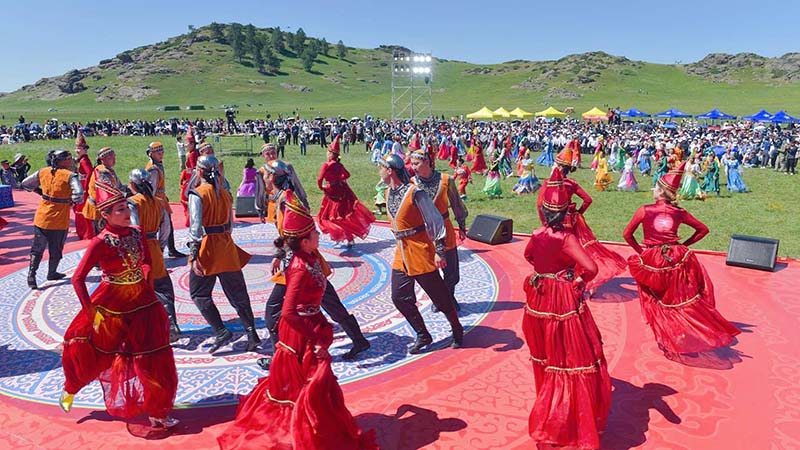
Festivals dot the calendar — Islamic Eid celebrations, the Nowruz spring festival, and many more, all accompanied by dancing, drumming, and sumptuously laid-out meals. Local crafts, from carpets to knives, continue to play a role in everyday commerce and as prized gifts for visitors. These traditions are living reminders of the Silk Road’s spirit of exchange and openness.
Planning a Trip: Tips and Insights
Getting to and around Xinjiang feels remarkably straightforward despite the distance from China’s eastern heartland. Urumqi has a major international airport and is connected by rail to big cities like Beijing and Shanghai. Many adventurers arrive here first before branching out to the smaller cities and rural areas.
Accommodation caters to all budgets, especially in larger centres where hotels in Urumqi, Turpan, and Kashgar range from luxury to simple inns. Smaller towns may offer more rustic lodgings but make up for it with genuine warmth and local flavour.
Travel logistics in Xinjiang benefit from:
-
Scheduled trains and buses linking most major cities
-
A growing number of highways slicing across the region
-
Local tours and guides adding cultural insight and language support
Seasonal weather can influence travel plans. Summers in Turpan scorch at nearly 40°C, while winters in Altay promise snow. Spring and early autumn are often favoured for outdoor excursions.
Highlights With an Organised Xinjiang Tour
While it’s possible to strike out on your own, many visitors choose to rely on travel companies familiar with the region’s vast distances, language quirks, and cultural nuances. Firms like Three Bears Travel have cultivated reliable packages covering key cities, scenic spots, and off-the-beaten-track destinations.
Their curated Xinjiang China tour experiences feature:
-
Guided walks through historical quarters in Kashgar and Urumqi
-
Day trips to Sayram Lake and grasslands near Yining
-
Desert crossings with overnight stays in yurts or village guesthouses
-
Culinary tours sampling the best of local fare
-
Thoughtful, respectful introductions to different communities and ways of life
A local guide also brings insights into etiquette, customs, and the small details that can transform a simple visit into a truly memorable Xinjiang trip.
Tradition Meeting the Present: Silk Road Spirit Endures
Modernity and heritage thread through every aspect of Xinjiang. High-speed trains and new expressways now run alongside camels and donkey carts along the margins of the Taklamakan. Towering glass buildings rise behind mosques and ancient market streets. Children in school uniforms skip past carpet weavers plying ancient crafts.
Xinjiang’s enduring significance lies in its ability to connect worlds—past and present, East and West. The region continues to adapt and innovate while fiercely maintaining the character that has long made it the Silk Road’s most dazzling stop. Travellers find more than just stunning landscapes or endless photo opportunities; they’re welcomed into a living tapestry knotted together by centuries of adaptation, resilience, and hospitality. In Xinjiang, the legacy of the Silk Road is not just history—it is a vibrant, ongoing story that continues to shape China and the world.
FAQ on China's Silk Road: Xinjiang
Embarking on a journey to Xinjiang, the vibrant heart of the ancient Silk Road, opens the door to rich cultural tapestries, breathtaking landscapes, and a legacy of exchange. Below are frequently asked questions to help you delve deeper into this captivating region.
Where is Xinjiang located in China?
Xinjiang is in China's northwest and shares borders with eight countries, serving as a historical bridge between East and West.
What makes Xinjiang culturally unique?
Xinjiang is home to diverse ethnic groups, predominantly the Uygurs, whose rich cultural traditions reflect Central Asian and Middle Eastern influences.
What are some must-see natural wonders in Xinjiang?
Notable natural landmarks include the Taklamakan Desert, Sayram Lake, and the Tianshan Mountains, each offering unique vistas and experiences.
How do I travel around Xinjiang?
Urumqi is the main hub, with an international airport and train connections. Given Xinjiang’s vastness, joining a tour package with private car, guide, and driver is highly recommended for safety, convenience, and a richer travel experience.
What is Xinjiang known for on the Silk Road?
Xinjiang was a crucial Silk Road corridor, witnessing the exchange of silk, spices, and cultures. It continues to be a part of China's Belt and Road Initiative.
When is the best time to visit Xinjiang?
Spring and autumn are ideal due to comfortable temperatures and conducive conditions for outdoor exploration.
How can I experience local culture best?
Participate in cultural tours, visit local markets, and sample traditional foods like polo and samsa to immerse yourself in Xinjiang's vibrant heritage.
Want more China travel itineraries? Click here!
If you have any other questions, feel free to click here and get in touch with us.
If you need a personalized travel plan, feel free to click here and let us help you.