
Planning your Japan adventure from this side of the Tasman or the Pacific is exciting and surprisingly straightforward. With more direct services than ever and plenty of smart one-stop choices, reaching Tokyo from New Zealand and Australia is smooth going. Add visa-free entry for most short stays and reliable transfers into the city, and your itinerary starts to take shape quickly.
Whether you prefer a fast hop on a non-stop flight or you want to stretch your legs with a quick transit in Singapore, Brisbane or Cairns, there is a route that fits. The key is timing, especially around cherry blossoms, autumn colours and school holidays in both hemispheres.
Flying from New Zealand and Australia to Tokyo: routes, planning and visa tips
Below you will find practical detail on routes from Auckland and the main Australian gateways, guidance on visas for NZ and AU passport holders, and easy ways to get from the airport into the heart of Tokyo. Use these notes to map out your dates, set a budget and lock in the little things that make a big difference.
Flights from New Zealand to Tokyo
From New Zealand, the most convenient gateway is Auckland, with wide connecting options from the South Island and the capital. If you live in Christchurch or Wellington, a same-day arrival in Tokyo is simple with a brief domestic hop or a quick connection in Australia.
Auckland to Tokyo flights
Auckland to Tokyo flights operate non-stop with Air New Zealand and ANA, landing at either Narita (NRT) or Haneda (HND). The average flight time is around 10.5 hours, often overnight northbound and daylight southbound.
That non-stop convenience is a strong draw. Air New Zealand Tokyo services connect well with domestic NZ flights, and ANA flights to Tokyo work neatly for travellers linking on to other Japanese cities. Seats fill fast around March and April, and again in late September through November, so early booking is wise.
Not keen on a direct sector or chasing a sharper fare? One-stop options can drop the price:
-
Auckland to Tokyo via Brisbane on Qantas or Virgin Australia with partner connections
-
Auckland to Tokyo via Sydney or Melbourne on Qantas, Japan Airlines or ANA codeshares
-
Auckland to Tokyo via Singapore on Singapore Airlines, often with attractive sales
All three keep total travel time competitive, usually adding 2 to 4 hours to a non-stop. If you are price sensitive, set alerts for sales on these corridors. Many deals land midweek.
Keywords to keep in mind when you search and compare: auckland to tokyo flights, air new zealand tokyo, ANA flights to Tokyo.
Christchurch and Wellington connections
Travellers from Christchurch or Wellington can reach Tokyo the same day, either via Auckland or Sydney. Early morning departures from both cities feed the main Auckland to Tokyo flights, and trans-Tasman hops give you extra options if you prefer a specific arrival time or a particular airline.
Popular one-stop patterns:
-
Christchurch to Tokyo via Auckland, then Air New Zealand or ANA
-
Christchurch to Tokyo via Sydney, then Japan Airlines or ANA
-
Wellington to Tokyo flights via Auckland, timed for afternoon or evening departures to Japan
-
Wellington to Tokyo flights via Melbourne or Brisbane, often well priced outside peak weeks
If you want to keep the day tight, choose a connection with at least 90 minutes in Auckland and two hours across the Tasman. Weather and runway delays do happen, so a bit of buffer goes a long way. Search terms that help pinpoint the right mix include christchurch to tokyo, wellington to tokyo flights, japan flights New Zealand.
Flights from Australia to Tokyo
East coast Australia enjoys a deep schedule to both Tokyo airports, spread across full-service and low-cost carriers. This makes it easy to match an itinerary to your budget and preferred travel time.
Daily non-stop flights operate from Sydney, Melbourne and Brisbane into Haneda or Narita with Qantas, Japan Airlines, ANA and Jetstar. Flight time sits around 9 to 10 hours northbound, slightly shorter on the way back.
A few quick notes by city:
-
Sydney to Tokyo flights: Broadest choice. Qantas and Japan Airlines run into Haneda, ANA also serves Haneda, and Jetstar operates to Narita. Morning and evening departures give flexibility for business or leisure travel.
-
Melbourne to Tokyo flights: Solid direct schedule, including Japan Airlines and Qantas to Haneda and Jetstar to Narita. Late evening departures are common, which pair well with morning arrivals into Tokyo.
-
Brisbane to Tokyo flights: Direct services to both airports, with Qantas and ANA on Haneda and Jetstar to Narita, a good fit for Queensland travellers looking to avoid a Sydney or Melbourne connection.
Travellers from Adelaide, Perth, Cairns and the Gold Coast are not left out. Perth has non-stop links to Tokyo on some carriers seasonally, Cairns and the Gold Coast connect to Narita on Jetstar, and Adelaide often pairs neatly with a short connection in Sydney or Melbourne.
If you are loyal to a specific airline or chasing points, Japan Airlines Australia services are known for polished inflight service and excellent on-time performance, while Qantas offers strong lounge access and wide redemption options. ANA focuses on efficiency and reliability with top-tier cabin hard products on many routes. Jetstar wins on price, which is attractive for families and students.
A quick comparison to help you choose:
|
Departure city |
Typical non-stop airlines |
Primary Tokyo airport |
Approx flight time |
|
Sydney |
Qantas, Japan Airlines, ANA, Jetstar |
Haneda, Narita |
9.5 to 10 hours |
|
Melbourne |
Qantas, Japan Airlines, Jetstar |
Haneda, Narita |
10 hours |
|
Brisbane |
Qantas, ANA, Jetstar |
Haneda, Narita |
9 to 9.5 hours |
Keywords to weave into your searches: sydney to tokyo flights, melbourne to tokyo flights, brisbane to tokyo flights, japan airlines australia.
Visa information for NZ and AU travellers
Good news for short stays. New Zealand and Australian passport holders are generally eligible for visa-free entry to Japan for up to 90 days as visitors. That suits most holidays, short courses and general sightseeing, often referred to as a japan tourist visa 90 days exemption.
Key points to keep your trip tidy:
-
Your passport must be valid for the entire stay
-
You may be asked for proof of onward travel and accommodation
-
Paid work is not permitted on visitor status
-
Extensions are rare, so plan within the 90-day window
If you intend to stay longer, or your purpose is work, study, internships or media activities, apply for an appropriate visa through your local Japanese consulate. Processing typically takes 5 to 7 working days for a Japan Temporary Visitor Visa once a complete application is lodged, but allow extra time during cherry blossom season and school holiday peaks when demand is higher.
Stay current with japan entry requirements 2025 on official consulate and government sites. Search terms that help: japan visa for new zealanders, japan visa for australians.
A final tip here. Use Visit Japan Web to pre-register your immigration and customs details before departure. This speeds up your arrival and keeps paperwork simple.
Arrival and transfers in Tokyo
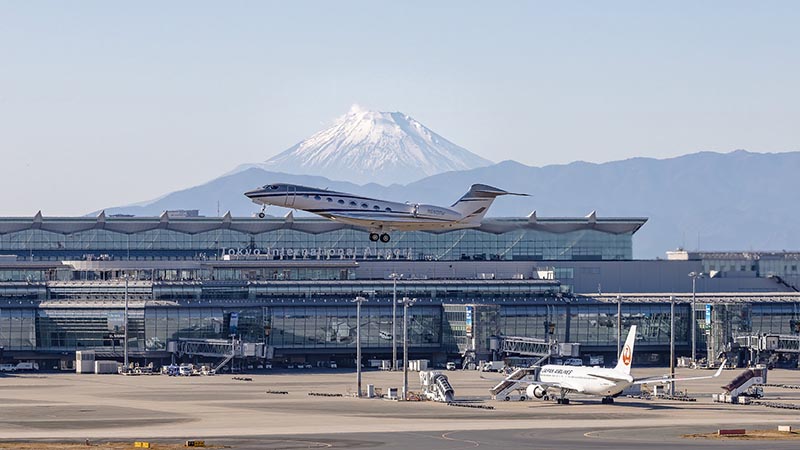
Tokyo is served by two major airports, both efficient and well signposted.
-
Haneda Airport, much closer to central Tokyo, usually 20 to 40 minutes to the main hubs
-
Narita Airport, further out, roughly 60 to 90 minutes depending on your transfer choice and time of day
You will find a good mix of rail, bus and private transfer options from both airports. The right pick depends on where you are staying, how much luggage you have and whether you are arriving at rush hour.
Transfer options at a glance:
|
From |
Service |
Typical time |
Approx cost |
Best for |
|
Narita |
Narita Express Tokyo (NEX) |
60 minutes to Tokyo Station, 80 minutes to Shinjuku |
3,000 to 3,500 JPY |
Direct rail to major hubs, easy with luggage |
|
Narita |
Keisei Skyliner |
41 minutes to Ueno |
2,500 to 2,700 JPY |
Fastest rail if staying near Ueno or Asakusa |
|
Narita |
Airport Limousine Bus |
60 to 100 minutes |
3,200 to 3,900 JPY |
Doorstep service to many hotels, no transfers |
|
Narita |
Private car Tokyo transfer |
60 to 90 minutes |
Varies by vehicle, often 18,000 to 28,000 JPY |
Families, late arrivals, lots of luggage |
|
Haneda |
Tokyo Monorail to Hamamatsucho |
13 minutes then JR connection |
500 to 700 JPY for monorail portion |
Quick daytime connections to Yamanote Line |
|
Haneda |
Keikyu Line to Shinagawa |
13 to 20 minutes |
300 to 400 JPY |
Budget friendly, good for JR transfers |
|
Haneda |
Airport Limousine Bus |
30 to 60 minutes |
1,100 to 1,500 JPY |
Direct to hotels and key districts |
|
Haneda |
Private car Tokyo transfer |
30 to 50 minutes |
Often 8,000 to 15,000 JPY |
Convenience, red-eye arrivals, groups |
A few practical notes:
-
If you land at Narita and are staying near Tokyo Station, Shibuya, Shinjuku or Yokohama, the Narita Express Tokyo service is hard to beat for comfort and predictability
-
If your hotel is near Ueno or Nippori, the Keisei Skyliner is faster
-
If you are travelling with kids, heavy ski bags or multiple suitcases, an Airport Limousine Bus or a private car Tokyo transfer saves stairs and station transfers
-
From Haneda, the monorail is fast and scenic, while the Keikyu Line is the value pick, both link neatly to the JR Yamanote loop
Smart travel planning
The better you plan the spine of your trip, the more freedom you have once you land. Flights are the anchor, then build around transfers, rail and accommodation.
Timing and fares:
-
Book 2 to 3 months out for shoulder season, 4 to 6 months for cherry blossoms, Golden Week, New Year and school holidays
-
Midweek departures often price lower than Friday or weekend starts
-
Red-eye northbound flights earn you a full first day in Tokyo, balanced by an early check-in request or a quick bag drop at your hotel
Seat selection and cabins:
-
Economy cabins on the longest routes feel far better with a good seat map pick, look for pairs on the sides of the 787 or A350 if travelling as a duo
-
Premium Economy is a smart upgrade on overnight sectors, more space without the Business price tag
-
If you are tall, early seat selection is worth it, exit rows go fast
Baggage and connections:
-
If you connect in Australia, check through baggage rules across airlines, especially if mixing full-service and low-cost carriers
-
Allow a realistic buffer for domestic connections in New Zealand during winter, fog and frost can cause delays in Wellington and Christchurch
Rail passes and shinkansen Japan:
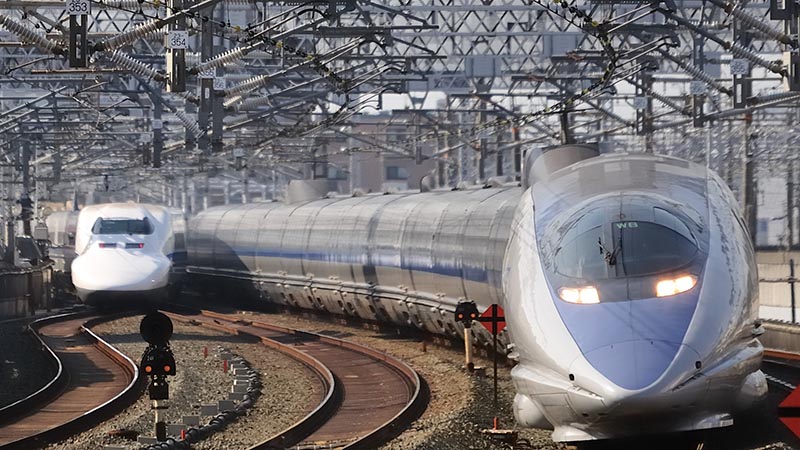
Japan’s high-speed rail is a highlight in its own right. The Shinkansen network puts Osaka in reach in roughly 2.5 hours from Tokyo, Kanazawa in about the same and Hakodate in a long but scenic day.
-
JR Pass: With the price rise, the nationwide Japan Rail Pass now pays off only if you plan multiple long shinkansen sectors, for example Tokyo to Kyoto return plus a side trip to Hiroshima
-
Regional passes: Often better value, look at JR East, JR West, Hokuriku Arch and Kyushu passes for focused itineraries
-
Seat reservations: Secure Nozomi or Hikari reserved seats during peak weeks, and note the oversized luggage rules on Tokaido Shinkansen, book an oversized baggage seat if your suitcase is 160 to 250 cm total dimensions
City cards and payments:
-
Suica and PASMO are widely accepted for trains, convenience stores and vending machines, you can add Suica to Apple Wallet or Google Wallet and top up with a credit card
-
Cards are accepted in most hotels and larger restaurants, but keep some cash for small eateries and rural areas
Connectivity and essentials:
-
Pick up a local eSIM or pocket Wi-Fi at the airport, queues move quickly and online pre-orders are simple to collect
-
Travel insurance that covers medical, cancellation and high-value items gives peace of mind, keep a digital and paper copy of your policy number
-
If you have dietary needs or mobility requirements, email your hotel and airlines ahead of time, Japan is excellent at preparing when given a little notice
A quick pre-departure checklist:
-
Flights booked with names exactly as per passport
-
Passport validity checked, print or digital copies stored
-
Visit Japan Web forms completed and QR codes saved
-
Accommodation confirmations for the first few nights ready to show if asked
-
Rail pass decisions made, reservations created for peak days
-
Airport transfer chosen, especially if arriving late
-
Overseas card settings enabled and daily ATM limits reviewed
Use Three Bears Travel to Plan Your Japan Adventure:
-
Plan your journey based on your own international flight arrangements—Three Bears Travel does not assist with purchasing international air tickets, but we do provide seamless airport transfers upon your arrival in Japan.
-
Access seasonal travel guides that explain the best times to visit Japan—whether you’re chasing cherry blossoms, summer festivals, or autumn foliage—so you can plan your trip for the most memorable experiences.
-
Build a personalised itinerary with Shinkansen segments, day trips, and city passes, all tailored to your travel dates and interests. We’ll help you optimise your time in Japan, from arrival to departure.
-
Keep essential visa information at your fingertips, including up-to-date pages for Japan visas for New Zealanders and Australians, with direct links and current processing times.
Three Bears Travel specialises in flexible, semi-guided Japan journeys—helping you plan every detail after you land, so you can explore Japan your way. When you are ready to compare options, Three Bears Travel makes it easy to scan fares, time connections and lock in the pieces that turn a good holiday into a great one.
Want more Japan travel itineraries? Click here
If you have any other questions, feel free to click here and get in touch with us.
If you need a personalized travel plan, feel free to click here and let us help you.