Misty limestone peaks, silver rivers and villages that still move to the rhythm of ancestral songs. Few places stitch scenery and culture together quite like Guangxi. Whether you are tracing the Li River at dawn or sharing a bowl of fragrant rice noodles in a bustling night market, this corner of southern China draws you in slowly, then all at once.
Guangxi Province: A Guide to Southern China’s Cultural and Natural Wonders
Guangxi is often described by its horizons. Spires of karst rock rise from rice paddies and citrus groves, while bamboo drifts against moonlit water. Yet the stories are just as striking. Home to the Zhuang, China’s largest ethnic minority along with other Chinese minorities, the region is a living archive of music, textiles, stilt houses and seasonal rituals that have shaped daily life for centuries.
Where is Guangxi in China?
Sitting in the south of the country, Guangxi province China shares borders with Yunnan and Guizhou to the west and north, Guangdong to the east, and Vietnam to the south-west. The coastline touches the Gulf of Tonkin. When travellers ask where Guangxi in China claims its fame, the quick answer is simple: mountains and rivers. Karst landscapes encircle Guilin and Yangshuo, while beaches and islands brighten Beihai.
The climate swings from warm springs to humid summers, then settles into clear, pleasant autumn days. Winter is mild in many parts, crisp in the hills. Photographers chase the spring mists along the Li and Yulong rivers, while hikers favour late September to November for blue skies and cooler air.
High speed rail has made the region easier to cross than ever. Trains link Nanning, Guilin, Liuzhou and the coastal city of Beihai, and continue to Guangzhou, Shenzhen and Kunming. Two major airports, Nanning Wuxu and Guilin Liangjiang, bring in flights from across China and nearby hubs in Asia.
Guangxi Zhuang Autonomous Region: A Unique Part of China
Officially known as the Guangxi Zhuang Autonomous Region China, the area recognises the culture and language of the Zhuang people. Many Zhuang communities live along rivers and valley floors, in wood-built houses where families gather to twist sticky rice into festive cakes and brew rice wine for weddings and harvest days.
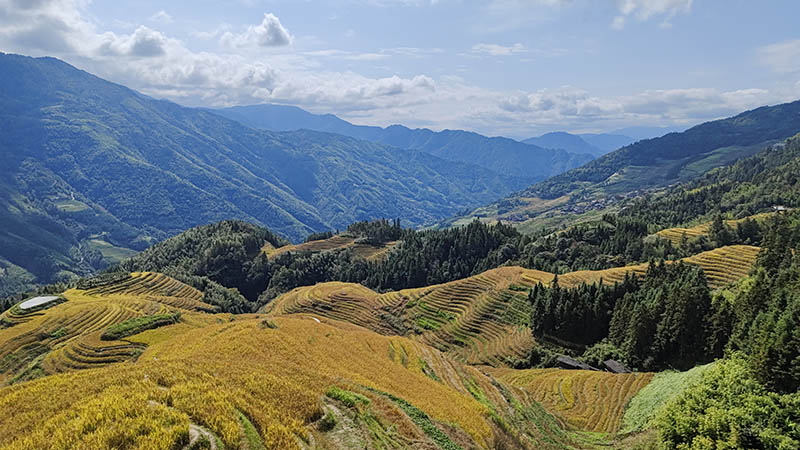
You will hear antiphonal love songs at village festivals. Watch looms clack as indigo cloth takes shape on porches. See bronze drums, a symbol with deep roots, brought out at ceremonies. The region is also home to Yao, Miao and Dong communities, each with their own crafts and music. In Sanjiang, Dong carpenters raise covered bridges and drum towers without nails, while in Longji the Zhuang and Yao sculpt mountains into rice terraces that glow like mirrors in spring and turn gold in autumn.
Cultural visits here do not have to feel staged. Stay a night in Ping’an or Dazhai near the terraces and you will wake to roosters, not alarms. Buy a handwoven sash and you will likely meet the maker. Ask before taking photos, tread lightly on village paths and you will be welcomed with a smile and often a story.
Mountains on the move: rivers, karst and caves
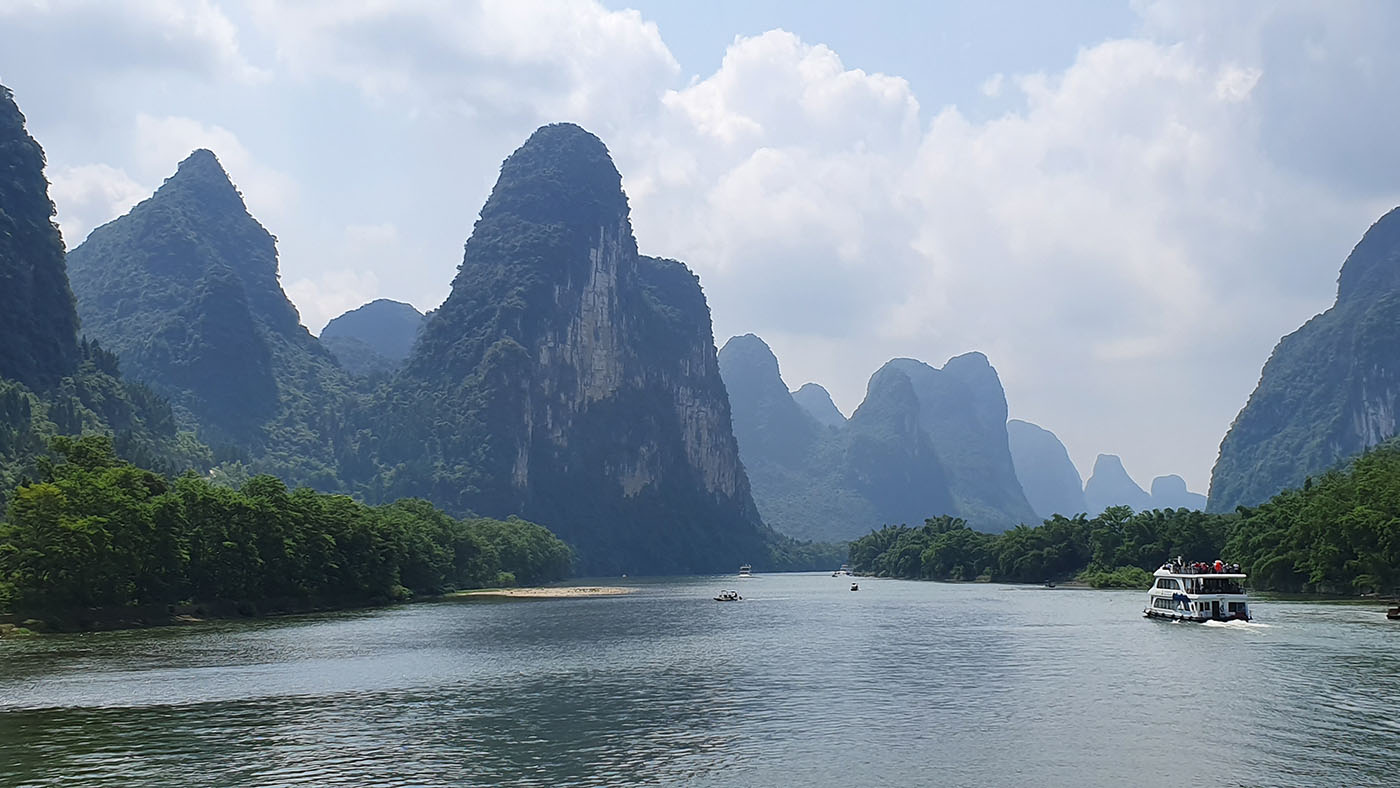
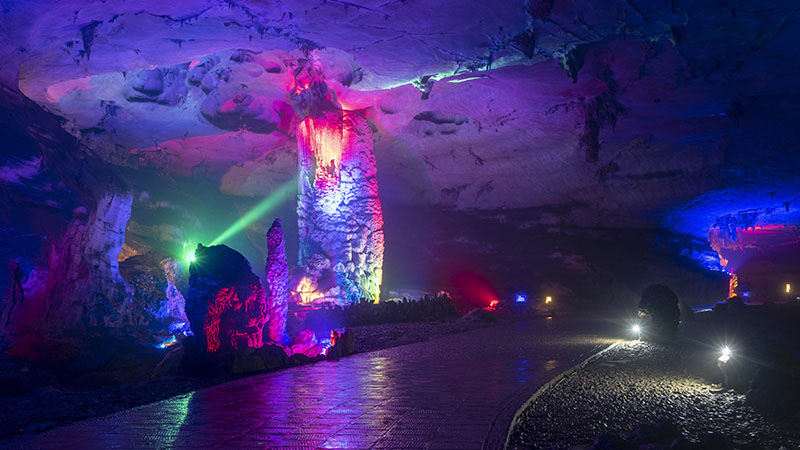
The shorthand for guangxi China is karst, a landscape where soluble limestone has been carved by water into towers, caves and sinkholes. Guilin and Yangshuo sit at the heart of it. Take a bamboo raft on the Yulong River and the whole world seems to float past: water buffalo at the banks, cormorants on poles, farmers steering rafts with a single pole as swallows skim the surface.
The classic Li River cruise runs from Guilin down to Yangshuo, passing peaks that appear on the 20 yuan banknote. On foggy mornings the scenery becomes monochrome ink wash. There is action too. Cyclists pedal backroads that wind through citrus orchards and tiny hamlets. Rock climbers tackle pocketed limestone walls. Cavers slip into cool, wide chambers lit only by headlamps.
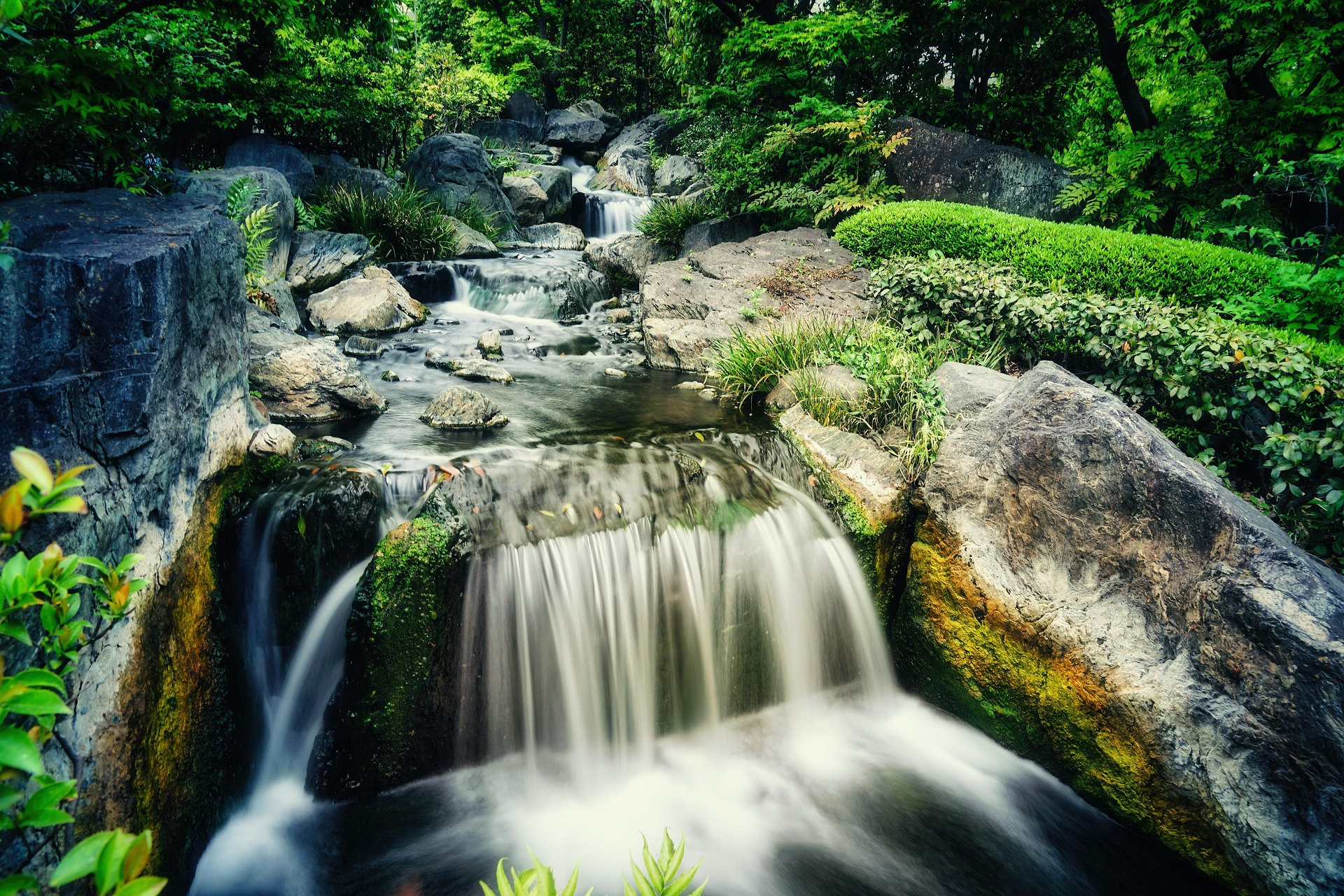
One of the grandest water scenes sits on the border with Vietnam. Detian Waterfall tumbles over a tiered escarpment framed by emerald hills. It is worth the trip out from Daxin County, especially on days when the river runs strong.
Top cities in Guangxi Province
Guangxi’s cities offer a lively counterpoint to its rural calm. Markets, riverfronts and parks make them easy places to settle in for a day or three.
-
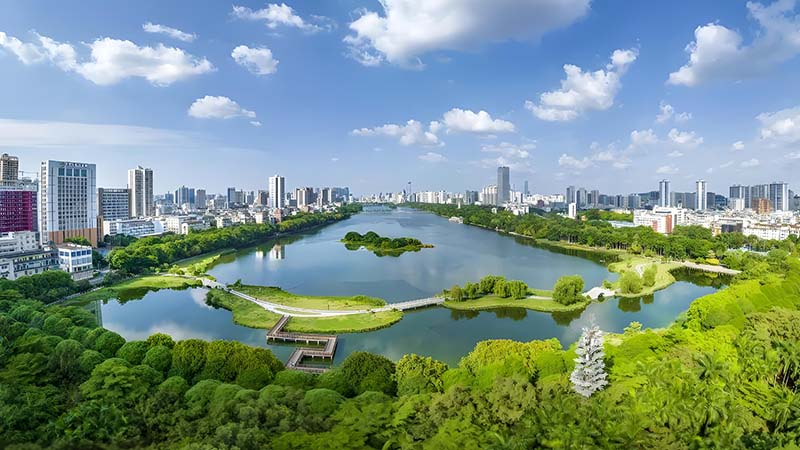
Nanning: The capital and a green city at heart, nanning guangxi province china, also referred to as nanning shi guangxi china and nanning city guangxi province, draws people to Qingxiu Mountain Park, Nanhu Lake and a web of tree-shaded streets. It hosts the China-ASEAN Expo, which adds a cosmopolitan lift to its already international food scene.
-
Liuzhou: Bordered by looping rivers and known for industry and ingenuity, liuzhou guangxi has become famous among food lovers for luosifen, the pungent snail rice noodle that inspires fervent queues. Bridges light up at night, and river walks make evenings drift by.
-
Yulin: With a history that runs deep, yulin guangxi china is a place to seek out timeworn lanes, city walls and morning tea culture. The local markets brim with herbs and seasonal produce. Visitors find it ideal for getting closer to everyday life.
-
Beihai: On the coast, beihai guangxi china spreads out along Silver Beach and looks across to Weizhou Island, a small volcanic island with black rocks, coral-studded shallows and sunset views that glow like embers.
A quick look at what each city brings to the table:
|
City |
Highlights |
Food to try |
Best time |
Vibe |
|
Nanning |
Qingxiu Mountain, Nanhu Lake, ASEAN Centre |
Lao You Fen, grilled fish with herbs |
Oct to Dec for clear skies, or spring for jacarandas |
Green, modern, relaxed |
|
Liuzhou |
River loops, Industrial Museum, night lights |
Luosifen, steamed pork with taro |
Oct to Nov for dry days |
Gritty, inventive, foodie |
|
Yulin |
Old lanes, city walls, morning markets |
Rice cakes, herbal soups |
Nov to Mar for cool weather |
Traditional, low key |
|
Beihai |
Silver Beach, Old Street, Weizhou Island |
Fresh prawns, razor clams, mangrove crabs |
Apr to Jun and Sep to Nov |
Coastal, breezy, laid back |
Beyond the cities: terraces, canyons and islands
-
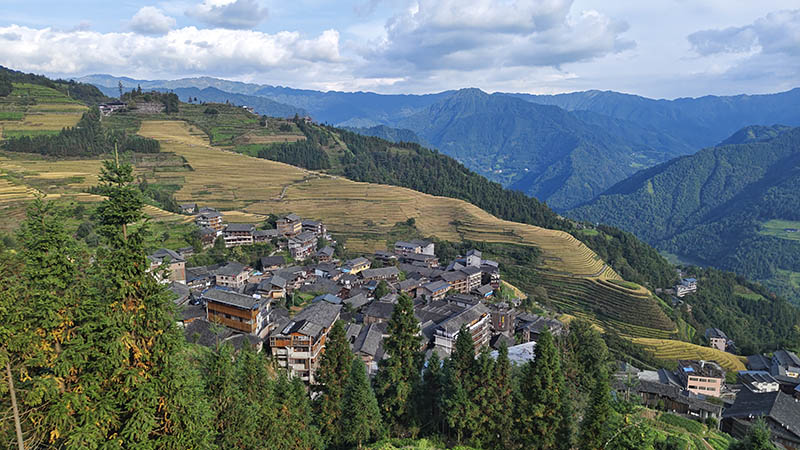
Longji Rice Terraces: Often called Longsheng by travellers, these terraces string across mountains like ripples. Visit in May or early June for water-filled mirror fields, July to August for deep green and late September to early October for gold before harvest. Paths connect villages like Ping’an, Longji Ancient Zhuang and Dazhai, with stays in timber inns that creak gently at night.
-
Sanjiang and the Chengyang Bridges: Dong architecture shines here. The Chengyang Wind and Rain Bridge is a marvel of joinery. Slow down in the morning to hear choir-like polyphonic singing drift from village squares.
-
Detian Waterfall and Mingshi Scenic Area: Near Daxin, green hills round off into postcard scenes. Hire a bicycle at Mingshi to follow quiet roads past banana groves, or climb viewpoints above Detian for wide-angle views.
-
Weizhou Island: A short ferry from Beihai, the island’s lava flows form platforms where waves crash and spray flies. Snorkelling is possible in calm seasons, and seafood dinners under lantern light make evenings hum.
-
Bama longevity region: Caves like Baimo and natural bridges pierce the karst, while the area’s reputation for long life brings interest in local diet and routines. Visit with respect for residents’ privacy and traditions.
-
Tongling Grand Canyon: A lesser-known gorge with hanging vines and rich plant life. Trails here feel wild, especially after summer rains when waterfalls appear on cliff faces.
Food and drink that tell the story
Guangxi’s kitchens are generous with herbs, sour notes and texture. Expect freshness, crunch and a touch of chilli rather than blistering heat.
-
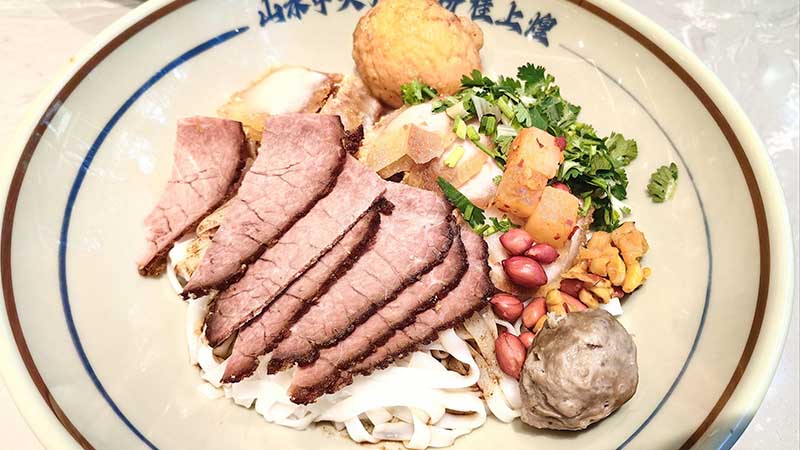
Guilin rice noodles: Served with braised pork, crunchy peanuts, pickled beans and a rich broth. Breakfast of champions.
-
Luosifen in liuzhou guangxi: Rice noodles in a broth made with river snails and bamboo shoots, funky in the best way. Slurp it in a local shop where the pots bubble all day.
-
Lao You Fen in nanning city guangxi province: A comforting noodle soup named for a “old friend” blend of fermented tofu, garlic and chilli.
-
Yangshuo beer fish: River fish simmered with beer, tomatoes and capsicum, usually shared in big platters.
-
Zhuang sticky rice treats: Leaf-wrapped parcels for festivals, often sweet with red bean or savoury with pork.
-
Beihai seafood: Grilled razor clams with garlic, prawns tossed with salt and pepper, and steamed fish bright with ginger and shallots.
Tea lovers should look out for Liubao tea from Wuzhou, a dark tea with a deep, woody taste that locals appreciate with rich food. Fruit fans will find pomelos, kumquats and sugarcane at roadside stalls.
When to go
-
Spring, March to May: Misty mornings on the rivers, flowers in city parks, rice terraces filling with water.
-
Summer, June to August: Lush greenery and lively festivals. Heat and humidity rise, and coastal areas may see storms, so plan early starts and mid-day rests.
-
Autumn, September to November: Clear skies, golden terraces, fine hiking conditions.
-
Winter, December to February: Cool and often dry, light jackets in the cities, extra layers in the hills.
Public holidays bring crowds to headline spots. If you can, shift visits a day or two on either side of Golden Week periods. You will be rewarded with quieter paths and easier photo stops.
Getting there and getting around
-
Air: Fly into Nanning Wuxu International Airport for the capital or Guilin Liangjiang for karst country. Beihai Fucheng serves the coast.
-
Rail: The high speed network links Nanning, Guilin, Liuzhou and Beihai to Guangzhou, Shenzhen and beyond. Booking seats a few days ahead takes the stress out of peak times.
-
Road: Long distance buses fill in the gaps to more rural areas. For flexibility in places like Longji or Bama, consider hiring a driver through your hotel.
-
Local transport: City taxis are inexpensive, rideshare apps are widely used, and bicycles are perfect in Yangshuo and along river valleys.
Travellers from Australia will need a valid Chinese visa. Check entry rules well before you fly, carry your passport at all times and keep hotel registration slips handy.
Etiquette and low-impact travel
Small gestures keep travel respectful and light on the land.
-
Ask before photographing people, especially elders and artisans.
-
Dress modestly in villages and at temples.
-
Stick to marked paths on the terraces to protect walls and irrigation.
-
Bring a reusable bottle and filter to cut down on plastic, and use township refill stations where available.
-
Buy crafts directly from makers. Your purchase helps keep skills alive.
-
Learn a few words in Zhuang or Mandarin. A simple hello earns warm smiles.
Itineraries that work
Short on time or ready for a deeper dive, there is a plan that fits.
Three days, first taste
-
Day 1: Guilin city and Two Rivers Four Lakes by night.
-
Day 2: Li River to Yangshuo, cycling the Yulong Valley.
-
Day 3: Rock climbing or caving in the morning, cooking class in the afternoon.
One week, greatest hits
-
Day 1: Arrive in Guilin, transfer to Longji, sunset over Ping’an.
-
Day 2: Terraces hike to Dazhai, overnight in a village inn.
-
Day 3: Li River cruise to Yangshuo, evening in West Street’s back lanes.
-
Day 4: Sunrise raft on the Yulong, countryside ride, tea tasting.
-
Day 5: Bullet train to Nanning, stroll Qingxiu Mountain.
-
Day 6: Day trip to Detian Waterfall, border views.
-
Day 7: Nanning markets, flight out.
Ten days, coast and karst
-
Guilin and Yangshuo for four days of rivers and rock.
-
Longji for two nights, including a long hike between villages.
-
Nanning for one night, then on to Beihai.
-
Beihai Silver Beach and ferry to Weizhou Island for two nights of seafood and sea air.
Why book Guangxi with Three Bears Travel?
If you prefer to swap guesswork for good company and local insight, a specialist can make each day flow. Three Bears Travel knows guangxi China from the ground up, with guides who grew up in Zhuang villages and city fixers who know which laneway noodle shop is worth crossing town for.
What sets them apart
-
Small groups and private trips that keep schedules flexible.
-
Guides with language skills and cultural fluency, helpful in markets, village stays and during festivals.
-
Thoughtful routing that links headline sights with quieter corners, from little-known cave systems to family-run tea farms.
-
Partnerships with local homestays and community projects, so your spend stays in the region.
-
Clear pricing, responsive support and on-the-day problem solving when weather shifts or trains sell out.
Whether you are after a food-focused week built around luosifen, Lao You Fen and seafood in beihai guangxi china, or a slow photo trip through the terraces and river valleys, Three Bears Travel can shape the plan. If your map shows nanning guangxi province china, liuzhou guangxi and yulin guangxi china in a tidy loop, they will tell you where to add a night and where to trim, so you have time to breathe in the view.
Practical notes and smart swaps
-
Cashless payments are common. Some foreign cards work in digital wallets with advance setup. Keep a float of cash for village shops.
-
Trains are punctual. Arrive early, allow time for security checks, and keep your passport handy for ticket collection.
-
Pack layers. Air conditioning can run cool on trains and in shopping centres, while mid-day sun can be strong outside.
-
If you are mulling a river cruise, consider a shorter raft section on the Yulong Valley to avoid crowds and get closer to the water.
-
Swap one Guilin night for a Longji village stay. The stars make the stairs of fields glow faintly in the dark.
A brief history to frame the present
Guangxi’s name goes back to the Guang commanderies of imperial China, and its borders have shifted with dynasties. Trade routes to Vietnam and the sea helped shape its markets and kitchens. Zhuang songs carry stories of migrations and marriages, while Dong bridges and towers speak to communal engineering and social life. Modern guangxi zhuang china keeps these threads active, weaving them into schools, festivals and public art.
Industry and tech have layered new energy onto this base. Nanning’s ASEAN connections lift cross-border trade, Liuzhou’s factories keep innovation front of mind, and Beihai’s port ties the region to maritime routes that run into the South China Sea. The mix feels dynamic rather than rushed.
Photography and field notes for creatives
-
Early light: Karst peaks come alive in the first hour after sunrise. Head to Xianggong Hill or Cuiping for layered silhouettes.
-
Mist management: Spring fog is your friend. Shoot wide with a tripod, bracket exposures and wait for shapes to appear and fade.
-
People and place: Ask to photograph craftspeople at work, and offer to send prints through your guide. A small portable printer can make someone’s day.
-
Wet season tricks: Pack a rain cover for your camera and shoes with bite. Reflections after rain on flagstone lanes can be magic.
-
Drones: Rules change and sensitive sites exist. Check local regulations and keep clear of villages and crowded viewpoints.
Fieldwork for food lovers
Plan your days around markets. In nanning shi guangxi china, the morning bustle at Renmin East Road’s stalls is an education in herbs, tofu skins and rice cakes. In Yulin, tea houses fill with steam and conversation. In Liuzhou, luosifen shops often run late into the night, perfect after a riverfront walk. In Beihai, track the fishermen returning in the afternoon, then pick seafood to cook to order.
Bring a small phrase list for ingredients to avoid or prioritise, tell vendors your preferences and be ready to share a table. Food in guangxi province china is social at heart.
One sunrise worth the early alarm
Stand on a bamboo raft on the Yulong just before dawn. Mist hangs low, the water is black silk, a heron lifts off without a sound. When the sun edges up, the karst turns soft grey, then blue, then green. Someone on the bank laughs, a kettle whistles at a farmhouse, and the first bicycles clatter onto a stone bridge. That first light will stay with you long after you leave the river behind.
Want more China travel itineraries? Click here!
If you have any other questions, feel free to click here and get in touch with us.
If you need a personalized travel plan, feel free to click here and let us help you.