There is a special kind of quiet that settles over Hiroshima at dusk. Trams ring their bells, the river glows, and a city synonymous with resilience invites you to look closer. Planning well gives you time and headspace to appreciate that feeling. It turns a packed itinerary into a calm, meaningful visit.
Did you know? Hiroshima was the first city in history to suffer an atomic bombing, on August 6, 1945. The explosion occurred directly above what is now the Hiroshima Peace Memorial Park. The iconic Atomic Bomb Dome, preserved as a UNESCO World Heritage Site, stands as a powerful reminder of the city’s past and its commitment to peace.
Whether you are setting off from Tokyo, dropping in from Kyoto, or considering an Osaka to Hiroshima day trip, this guide brings practical detail that keeps the pace smooth. Build a plan that balances remembrance with good food, engineering marvels with island shrines, and you will leave with far more than a checklist.
Set your schedule, book smart, and let the city do the rest.
Hiroshima Travel Tips: How to Plan Your Visit
Hiroshima works well as a focused one or two day stop, though there is plenty to fill three. Many travellers combine the Peace Memorial Park and Museum with a trip to Miyajima Island Hiroshima, then add time for gardens, castles, and lingering in neighbourhoods near Hondori.
If you prefer not to manage reservations and transfers yourself, Three Bears Travel can bundle shinkansen tickets or flights, hotels, and guided experiences so you can simply show up with a clear plan.
Getting to Hiroshima
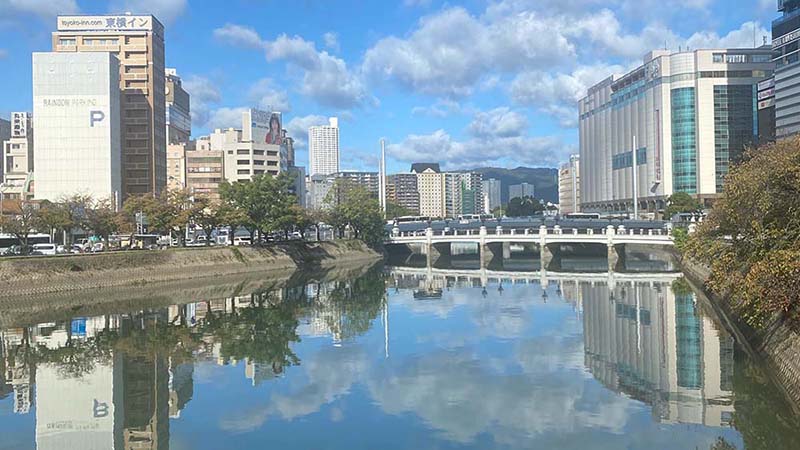
Hiroshima is stitched into Japan’s high speed rail network and is served by a busy domestic airport. The choice between train and plane usually comes down to where you start, how much luggage you carry, and whether you hold a rail pass.
-
Kyoto to Hiroshima: almost always one quick change at Shin-Osaka, smooth and quick
-
Osaka to Hiroshima day trip: easy by shinkansen, with lots of departures
-
Tokyo to Hiroshima: train offers a relaxed city centre to city centre ride, flights can be faster gate to gate but include transfers
Here is a quick comparison you can use when weighing options.
|
Route |
Fastest time one way |
Typical time with JR Pass |
Approx fare one way (ordinary class) |
Key notes |
|
Kyoto to Hiroshima |
1 hr 40 min on Nozomi with 1 change |
2 hr on Hikari or Sakura with 1 change |
11,000 to 13,000 JPY |
Change at Shin-Osaka. JR Pass valid on Hikari/Sakura, not on Nozomi. |
|
Osaka to Hiroshima |
1 hr 25 min from Shin-Osaka on Nozomi |
1 hr 40 min on Sakura |
10,500 to 12,500 JPY |
Ideal for an Osaka to Hiroshima day trip. |
|
Tokyo to Hiroshima |
3 hr 50 min to 4 hr on Nozomi |
4 hr 30 min to 4 hr 50 min on Hikari/Sakura |
18,500 to 20,500 JPY |
City centre to city centre. Green Car adds comfort. |
|
Hiroshima to Tokyo bullet train |
3 hr 50 min to 4 hr |
4 hr 30 min to 4 hr 50 min |
18,500 to 20,500 JPY |
Reserve seats in peak seasons. |
|
Hiroshima to Tokyo flight |
1 hr 30 min in air |
n/a |
10,000 to 25,000 JPY |
Add 45 to 60 min airport bus. Best if connecting onward by air. |
Notes you will be happy to know before you book:
-
Nozomi and Mizuho are the fastest shinkansen services but are not covered by the standard JR Pass. Hikari and Sakura are slightly slower and are covered.
-
Seat reservations are wise in spring and autumn. Many trains sell out at popular times.
-
Hiroshima Airport (HIJ) sits in the hills east of the city. An airport limousine bus links the terminal to Hiroshima Station and central stops in around 45 to 60 minutes.
-
Travelling light makes transfers stress free. Station coin lockers at Kyoto, Shin-Osaka, and Hiroshima handle carry-on suitcases easily.
If you want to push a day trip to Hiroshima from Tokyo, it is long but doable: first Nozomi out, last one back, and a brisk pace. Many travellers prefer to stay a night to keep energy high and to see Miyajima without rushing.
Three Bears Travel can handle seat reservations, Green Car upgrades, and mixed train plus flight itineraries that match your schedule across Kyoto, Osaka, Hiroshima, and Tokyo.
Transportation Around Hiroshima
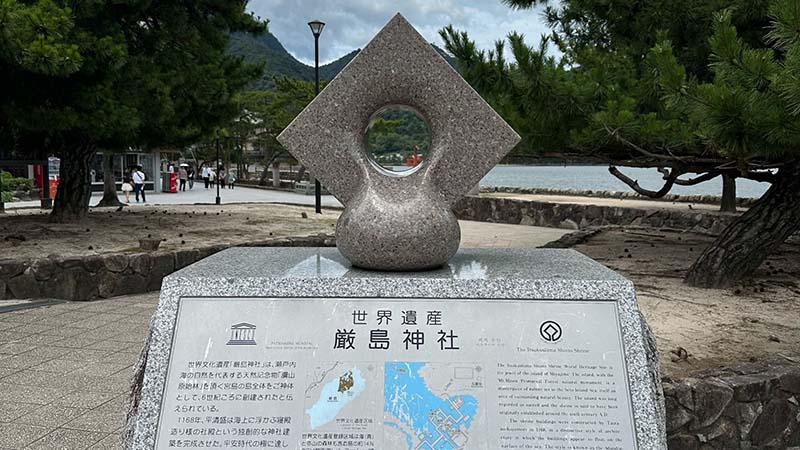
Hiroshima is compact and straightforward. Trams, trains, ferries, buses, and bikes cover almost everything you want to see.
-
Streetcars: The Hiroden tram network links Hiroshima Station, Hondori, Peace Memorial Park, and Miyajimaguchi. Tap an IC card like Suica, PASMO, ICOCA, or pay cash. A one day streetcar pass is great value if you plan several hops.
-
Buses: Useful for less visited neighbourhoods and evening travel when trams are busy.
-
Taxis: Readily available and affordable for short hops across the inner city, especially with luggage.
-
Bicycles: Flat riverside paths make cycling pleasant. Several hotels rent bikes.
The most common side trip is Hiroshima to Miyajima. You have two solid choices.
-
JR Sanyo Line to Miyajimaguchi then ferry
-
Hiroshima Station to Miyajimaguchi: 25 minutes by JR local train
-
Hiroshima to Miyajima ferry: 10 minutes on JR or Matsudai ferry
-
Total station to shrine gate: around 45 minutes, plus any wait time This is the budget friendly route and the JR ferry is included with a JR Pass.
-
Direct boat from near Peace Memorial Park
-
High speed boat to the island takes around 45 minutes dock to dock
-
Costs more than the rail and ferry combo, but it is a scenic ride on the water
If you search for hiroshima to miyajima ferry schedules in advance you will find frequent departures from early morning until evening. Try to time your arrival around mid to low tide if you want to walk close to the torii when the tide is out, or aim for high tide for the classic floating gate view.
Guided options:
-
Hiroshima tours that cover the Peace Memorial Museum, the Cenotaph, the A-Bomb Dome, and Shukkeien Garden give context without reading every placard yourself.
-
A Hiroshima city tour in the morning followed by Miyajima in the afternoon works well if you prefer to keep moving while a guide handles timing and transport.
Where to Stay
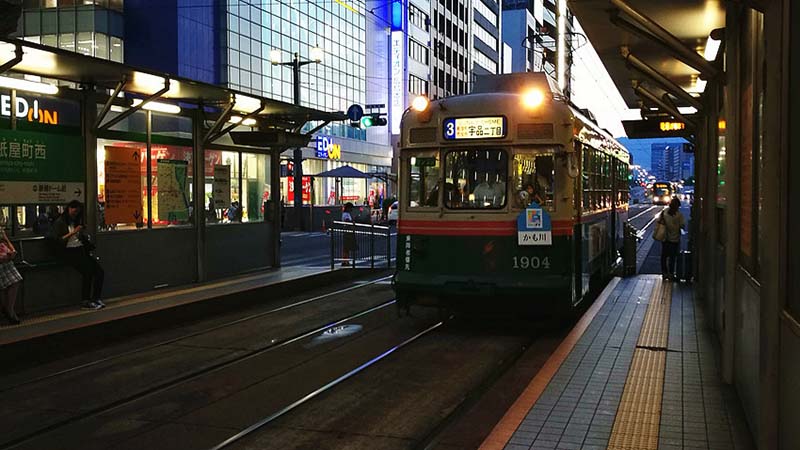
Hiroshima accommodation covers the full spectrum. Pick your base with your daily rhythm in mind.
-
Hiroshima Station area: convenient for early trains and late arrivals. Expect modern business hotels, quick access to trams and JR, and plenty of food options in and around ASSE and ekinaka shopping.
-
Hondori and Naka Ward: walkable to Peace Memorial Park, dining lanes, shopping arcades, and nightlife. Great for travellers who like to finish the day on foot.
-
Miyajima: a calm overnight with shrine views and quiet lanes after day trippers leave. Ideal if Itsukushima Shrine at dawn or dusk is a priority.
A few styles to consider:
-
Value: clean business hotels and hostels near the station or the tram lines keep costs low and commute times short.
-
Mid range: rooms with river views around Naka Ward, boutique spots that serve standout breakfasts, and western rooms with Japanese touches like tatami lounges.
-
Hiroshima luxury hotels: larger rooms, club lounges, and polished service. Washington Hotel Hiroshima sits in a handy location for shopping and evening dining, and ticks the boxes for travellers who want modern comfort without a long taxi ride.
If you are weighing places to stay in Hiroshima against an overnight on Miyajima, think about your travel days. A Miyajima stay is hard to beat for atmosphere, yet staying in town can trim transfer time if you have an early shinkansen. Three Bears Travel can shortlist hotels to match your timing and interests, from a classic ryokan with kaiseki dinner to a high floor suite with river views.
Best Time to Visit and Weather
Hiroshima’s seasons shape both mood and logistics. Cherry blossoms in late March and early April draw crowds to the rivers and gardens. Summer brings heat, festivals, and lively evenings by the water. Autumn colours usually peak in late November around Miyajima and the city’s parks. Winters are crisp and often sunny.
Before heading out each day, check a reliable forecast for temp in hiroshima and the weather today hiroshima. That quick check locks in your packing choices and can steer you toward the museum or the island first.
This seasonal guide helps you plan clothing and pacing.
|
Season |
Typical highs and lows |
Rain pattern |
What it means for your plans |
|
Late Mar to early Apr |
9 to 18 C |
Light showers possible |
Blossom season. Book Hiroshima tours and hotels early. Layers and a compact umbrella work well. |
|
May |
15 to 24 C |
Relatively dry |
Comfortable walking weather. Ideal for a Hiroshima city tour in the morning and Miyajima in the afternoon. |
|
Jun to mid Jul |
20 to 29 C |
Rainy season, humid |
Aim for indoor visits midday. Carry a light rain jacket and breathable clothing. |
|
Late Jul to Aug |
25 to 34 C |
Hot, humid |
Start early, rest midday, go out again late afternoon. Hydration and sun protection are must haves. |
|
Sep |
22 to 30 C |
Tropical systems possible |
Flexible plans help if storms pass through. Museums and food halls are good fallback options. |
|
Oct to late Nov |
12 to 23 C |
Comfortable |
Clear air and maple colours. Prime time for photography on Miyajima. Reserve restaurants for weekends. |
|
Dec to Feb |
2 to 12 C |
Cool, some wind |
Quiet season. Warm layers, hot springs day trips, and shorter outdoor stints work nicely. |
Museums and many sights operate on regular schedules, but check holiday periods around late December and early January. If you are visiting on 6 August, the city marks the Atomic Bombing with ceremonies that affect access and crowd patterns near Peace Memorial Park.
Travel Tips
-
Book Hiroshima tours early to secure spots.
-
Combine city exploration with a trip to Miyajima Island Hiroshima.
-
Use Three Bears Travel to optimize travel routes from Kyoto, Osaka, or Tokyo.
-
If you are planning a day trip to Hiroshima, aim for the first shinkansen out and a reserved seat. That keeps the day relaxed if you linger longer at the museum or the island.
-
The Peace Memorial Museum can be emotionally heavy. Plan a quiet coffee or river walk afterward.
-
Buy a tram day pass if you expect more than three rides. Add the ferry option if you will cross to Miyajima on the same day.
-
Make a lunch stop for Hiroshima style okonomiyaki. Layers of noodles give it a different texture to the Kansai style you may have tried in Osaka.
-
Oysters are a regional pride, especially near Miyajima. Grilled, raw, or tucked into a bun for a quick snack.
-
Cash is handy for small eateries and ferries, though tap payments are common in larger places.
-
Coin lockers at Hiroshima Station and Miyajimaguchi are perfect for stashing bags while you move fast.
-
If you prefer a quieter museum visit, enter right when doors open or in the last two hours before closing.
-
Respect photography rules in the museum and memorial sites. Some spaces are designated reflection areas.
Planning Your Time: What to See and How to Pace It
You can’t see everything, and you don’t need to. Pick a few anchors, then let the day breathe.
Core sights and experiences:
-
Peace Memorial Park and Cenotaph
-
Hiroshima Peace Memorial Museum
-
A-Bomb Dome
-
Hondori arcade and back lanes
-
Shukkeien Garden
-
Hiroshima Castle
-
Miyajima’s Itsukushima Shrine and the giant torii
-
Ropeway to Mount Misen for sweeping views of the Seto Inland Sea
Food that squares up to the hype:
-
Hiroshima style okonomiyaki on a teppan, eaten hot at the counter
-
Fresh oysters in season
-
Momiji manju pastries on the island, filled with custard or red bean paste
-
Sake from nearby Saijo if you plan a tasting detour
Guided or independent?
-
A half day Hiroshima city tour brings depth to the memorial sites and saves time on transfers.
-
Independent travellers can still book timed museum entry and ferry tickets to avoid queues.
-
Family groups often enjoy a private guide to pace the day around attention spans and rest stops.
Smart Booking with Three Bears Travel
If you prefer a tidy plan that fits your dates and pace, let Three Bears Travel assemble the puzzle:
-
Reserved shinkansen seats for kyoto to hiroshima and return, or an osaka to hiroshima day trip that includes a guide
-
A mixed itinerary that goes by hiroshima to tokyo bullet train one way and a hiroshima to tokyo flight back if that suits onward connections
-
Hotel picks tailored to your plans, from station convenience to river view rooms, including options like Washington Hotel Hiroshima
-
Timed tickets for the museum, ropeway, and the peace park boat to Miyajima if you want the scenic route
The payoff is simple. Fewer tabs, fewer translation puzzles, more time enjoying the city.
Sample Itineraries You Can Copy
Set these up as templates and adjust for your interests.
1 day: Focused highlights
-
07:30 Depart Kyoto or Osaka by shinkansen, breakfast on the train
-
09:15 Arrive Hiroshima, store bags at station
-
10:00 Peace Memorial Park walk and A-Bomb Dome
-
11:00 Hiroshima Peace Memorial Museum
-
12:45 Okonomiyaki lunch near Hondori
-
14:00 Tram to Miyajimaguchi, hiroshima to miyajima ferry
-
15:00 Itsukushima Shrine, stroll Omotesando shopping street
-
16:30 Ropeway to Mount Misen or more time by the torii
-
18:30 Ferry and train back to Hiroshima Station
-
19:30 Dinner and late shinkansen to Kyoto or Osaka
1.5 to 2 days: Balanced pace Day 1
-
Morning arrival and hotel check in
-
Peace Memorial Park and Museum
-
Late afternoon at Shukkeien Garden
-
Dinner at a local izakaya near Naka Ward
Day 2
-
Early tram to Miyajimaguchi and ferry to the island
-
Ropeway up, walk down via Daisho-in trail if you enjoy a hike
-
Oyster lunch and coffee by the water
-
Back to the city for Hiroshima Castle and a final stroll on Hondori
-
Evening train out or another night in town
3 days: Add depth
-
Add a Saijo sake district visit, Mazda Museum tour with pre booking, or a morning bike ride along the rivers
-
Spend an evening photography session around the bridges and riverbanks
-
Try both a guided morning and a free afternoon to mix structure with wandering
Quick Checks Before You Go
-
Tickets and seats: reserved, especially for holidays and weekends
-
Museum hours: check the official site for any date specific changes
-
Ferry and ropeway: confirm operating times if you are catching sunset
-
Clothing: pack for the season and double check the day’s numbers with temp in hiroshima and weather today hiroshima
-
Cash and IC card: both ready
-
Etiquette: quiet voices in memorial spaces, no eating while walking inside the museum, follow photo signs
Hiroshima rewards good planning with calmer days, richer context, and the time to stand still when a place moves you. Build a plan that fits you, and let the city’s quiet confidence guide the rest.
Hiroshima Travel Tips FAQ
Planning a visit to Hiroshima offers a unique blend of historical exploration, cultural immersion, and natural beauty. This FAQ section aims to quickly address some common questions, making your journey well-prepared and enjoyable.
What is the best way to travel from Kyoto to Hiroshima?
The Shinkansen is the fastest and most convenient option. Hikari and Sakura services are covered by the JR Pass, while the Nozomi is slightly faster but not included in the pass.
Can I visit Hiroshima on a day trip from Osaka?
Yes, a day trip is possible using the Shinkansen. Start early and prioritise key sights for a rewarding visit.
When is the best time to visit Hiroshima for cherry blossoms?
Late March to early April is peak cherry blossom season. Book accommodation and tours early, as this is a popular time for both locals and visitors.
How can I get to Miyajima Island from Hiroshima?
Take the JR Sanyo Line to Miyajimaguchi Station, then transfer to the ferry. Alternatively, a high-speed boat runs directly from Peace Memorial Park to Miyajima.
Are tour reservations necessary?
Booking Hiroshima tours in advance is highly recommended, especially during peak seasons or if you want an English-speaking guide.
How many days should I spend in Hiroshima?
One to two days are ideal to cover major sites like the Peace Memorial Park and Miyajima Island. Three days allow for a more relaxed pace and deeper exploration, including local neighbourhoods and hidden gems.
Can I store luggage at Hiroshima Station?
Yes, Hiroshima Station offers coin lockers and luggage storage services, making it easy to explore the city hands-free.
What is the transport system in Hiroshima?
Hiroshima boasts an efficient public transport network, including trams (streetcars), buses, and local trains. The iconic Hiroshima Electric Railway (Hiroden) trams are a convenient way to reach most city attractions, and IC cards like Suica and ICOCA are accepted.
Does Uber operate in Hiroshima?
Uber is not widely available in Hiroshima. Taxis are easy to find, and public transport is reliable and affordable for most journeys.
What is the best way to get around Hiroshima?
The best way to get around Hiroshima is by tram or bus, both of which connect major sights and neighbourhoods. For Miyajima, combine train and ferry or take a direct boat. Cycling is also popular for exploring the city at your own pace.
Is Hiroshima a walkable city?
Yes, central Hiroshima is very walkable, especially around Peace Memorial Park, the castle, and shopping districts. Many key attractions are within a comfortable walking distance, making it easy to soak in the city’s atmosphere on foot.
Want more Japan travel itineraries? Click here
If you have any other questions, feel free to click here and get in touch with us.
If you need a personalized travel plan, feel free to click here and let us help you.