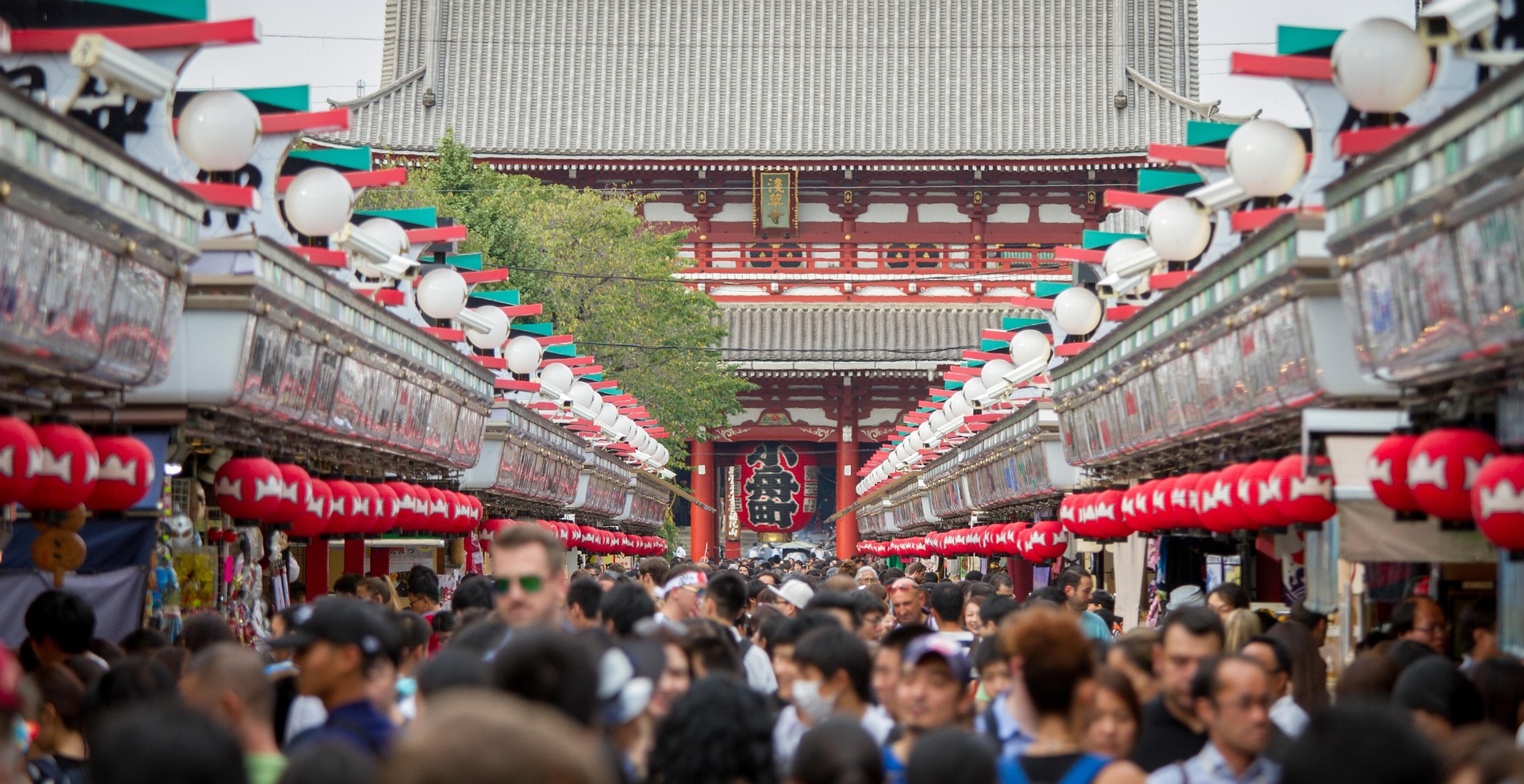
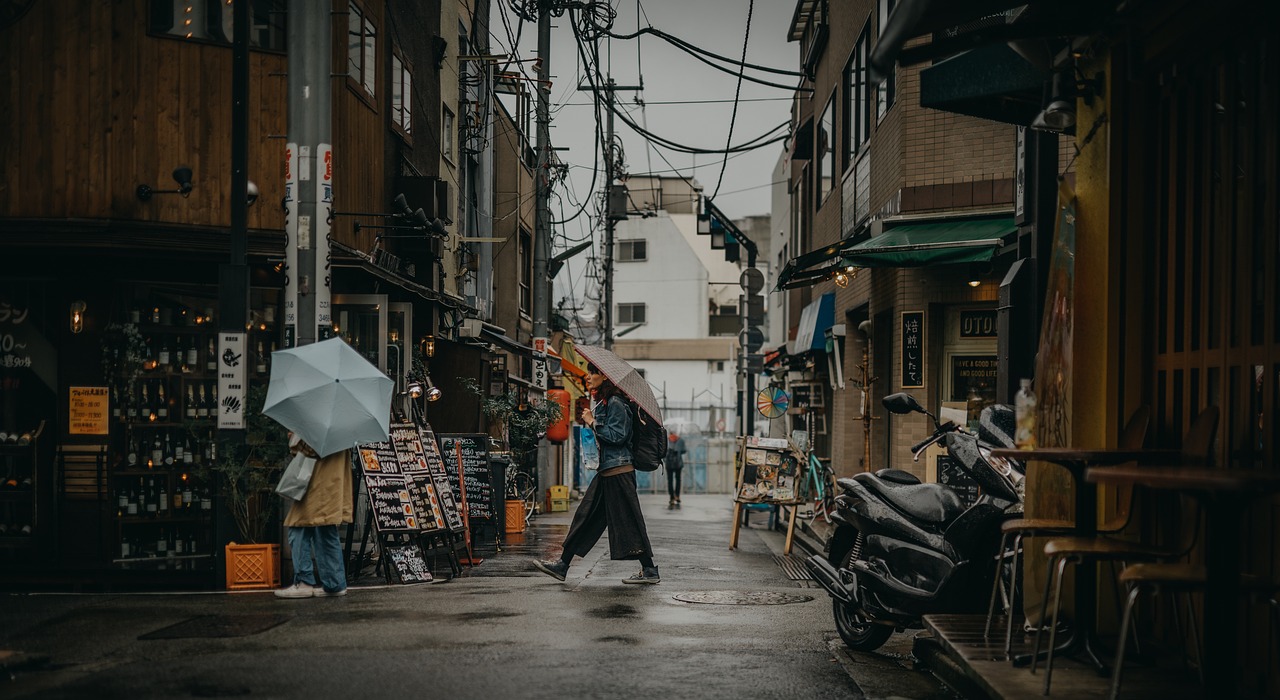
Shopping in Japan can feel like two trips in one. Step into a neon-lit mall and you’ll get spotless floors, immaculate displays, and entire levels dedicated to one product category. Turn a corner a few blocks later and you’re in a narrow street lined with tiny second-hand boutiques, each with a carefully edited rack of vintage denim, archive designers, or pre-owned kimono.
For many Australian and New Zealand travellers, the real surprise is how much of Japan’s best shopping isn’t about buying more, but buying better. The second-hand scene is a big reason why.
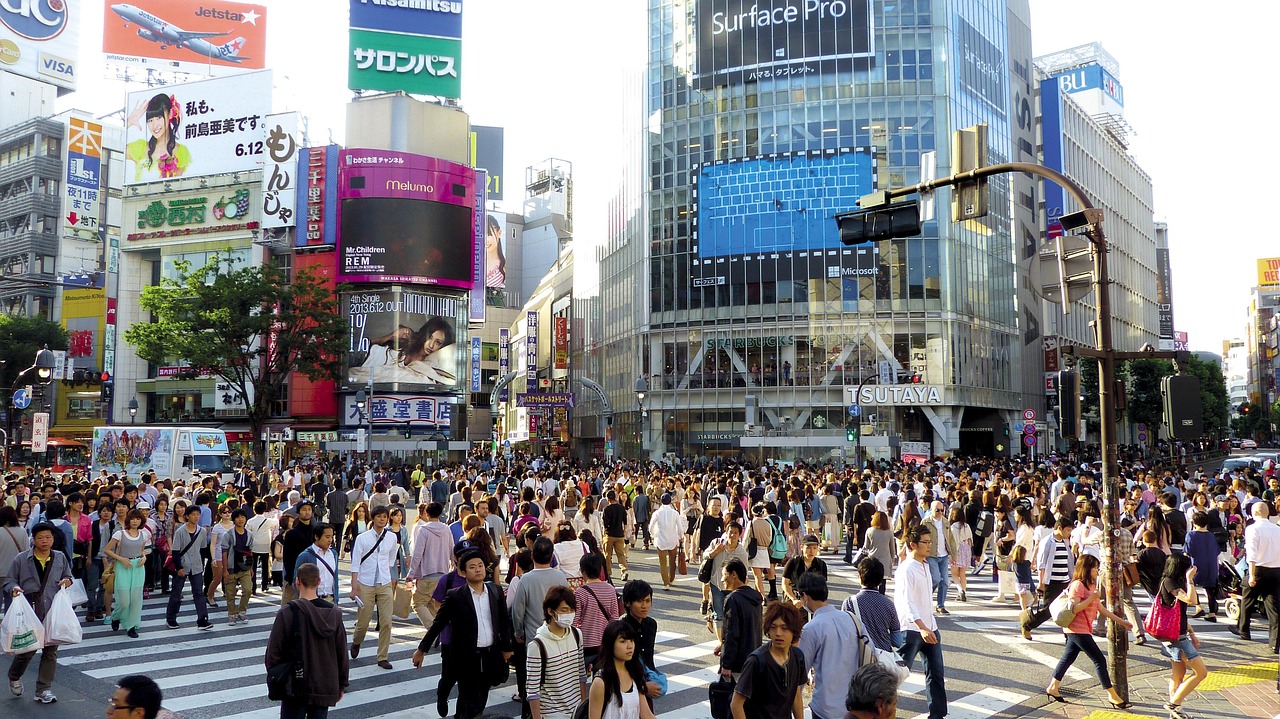
Why shopping feels different in Japan
There’s a certain calm precision to shopping here. Staff are attentive without hovering, signage tends to be clear, and even busy places usually run smoothly.
Packaging is part of the culture, too. It’s common for items to be wrapped neatly, sometimes even in a department store basement food hall.
Then there’s the variety. Japan has a knack for putting the future and the past side by side, whether that’s high-tech gadgets opposite a 100-year-old craft shop, or a luxury flagship store near a street filled with vintage bargains.
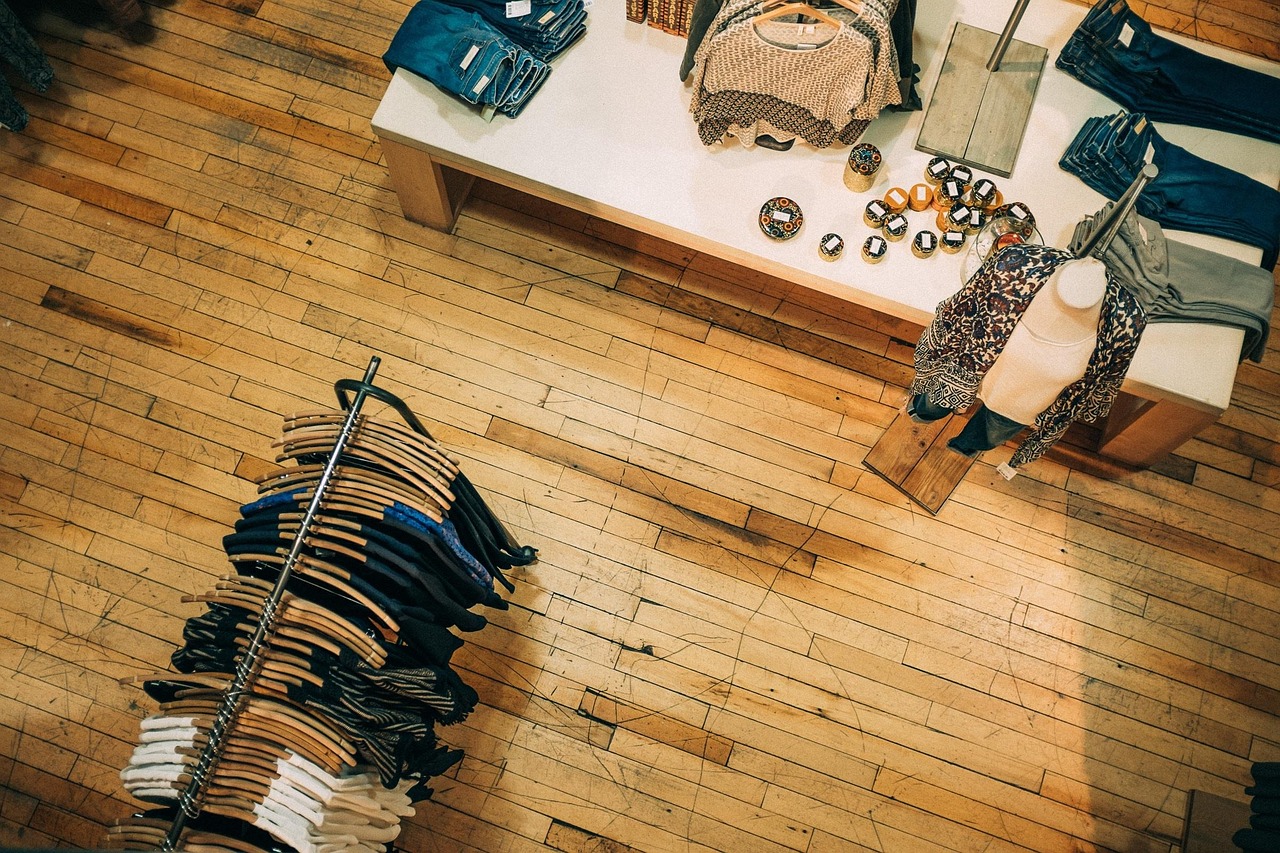
What Japan is known for buying (and why vintage stands out)
Japan’s reputation for quality is well earned. Descriptions are typically accurate, condition grading is taken seriously, and stores often feel curated rather than cluttered.
If you’re planning what to focus on, these are the categories many visitors end up shopping for:
· Electronics and gadgets
· Beauty and skincare
· Street fashion
· Designer labels
· Traditional crafts
· Vintage and second-hand goods
· Anime, manga, and character collectibles
Vintage stands out because it often offers a sweet spot between value and uniqueness. You can find items that are hard to source at home, in condition that can be surprisingly close to new.
Tokyo: big malls, small streets, and vintage with serious range
Tokyo is where retail turns into a full-scale activity. Department stores in Ginza can feel like museums of modern retail, while Shinjuku and Shibuya stack fashion, tech, and food across multiple buildings connected by underground passages.
Harajuku is still a must for style watching, even if you don’t buy anything. The vibe shifts block by block, from polished storefronts to youth-driven fashion strips.
One sentence summary: Tokyo rewards curiosity.
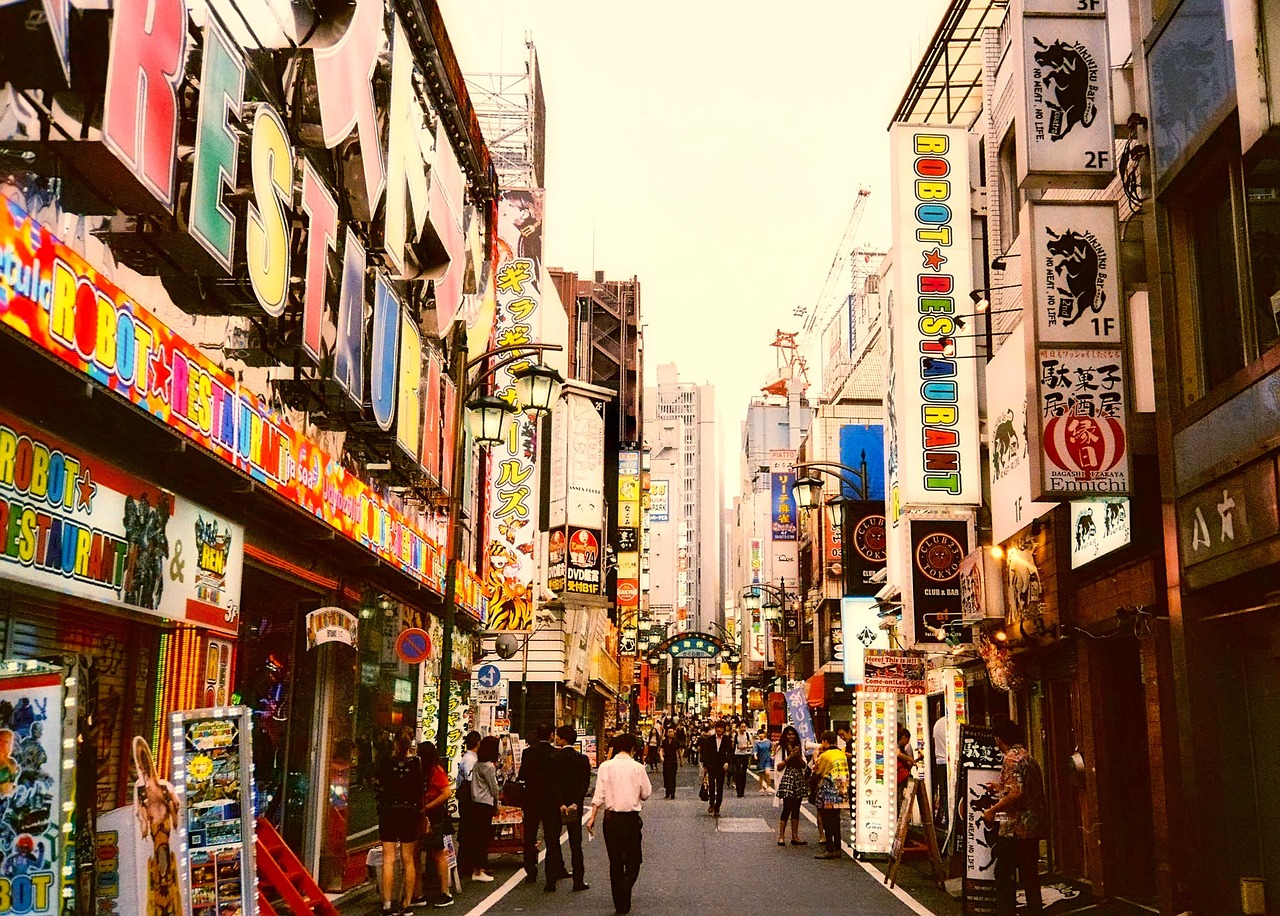
Where Tokyo’s vintage scene really shines
Tokyo’s second-hand neighbourhoods each have their own personality.
Shimokitazawa is the most famous name, and it earns it. You can spend hours moving between compact stores selling American-inspired retro, Japanese streetwear, leather jackets, and racks of denim in every wash. Harajuku leans bolder and more fashion-forward, with shops that specialise in statement pieces and designer archive finds. Nakameguro is quieter and more minimalist, with curated boutiques that can feel like galleries.
A practical way to fit it all in is to split “comfort shopping” and “treasure hunting” across the day.
· Morning: Department store or mall browsing (air-conditioned, easy tax-free counters)
· Afternoon: Vintage districts (slower pace, one-of-a-kind pieces)
· Evening: Food floors and basement halls for edible souvenirs
If you’re short on time, Tokyo also suits “mini itineraries” where you focus on one district plus one vintage area, rather than trying to cover the whole city in a day.
Osaka: lively streets, good value, and a relaxed shopping mood
Osaka shopping is more casual, more snack-friendly, and often easier on the budget. The covered arcades around Shinsaibashi are great when the weather is humid or rainy, and Dotonbori keeps going well into the night with bright signs and plenty of quick bites between stores.
Namba is another reliable base, with department stores, youth fashion, and easy transport connections.
If you like the idea of shopping with frequent food breaks, Osaka makes that simple.
Second-hand and vintage in Osaka
Osaka can be a strong choice for vintage hunters who want variety without Tokyo price tags.
Amerikamura (America Village) is the headline act, especially for streetwear, vintage tees, and denim. Around Shinsaibashi you’ll also see second-hand luxury mixed in with mainstream shopping, which is handy if your wish list includes a pre-owned bag or watch. Nipponbashi is known for pop culture goods, figures, games, and pre-owned electronics.
It’s worth setting a rough budget before you start, because it’s easy to get carried away when the prices feel reasonable and the quality is high.
Kyoto: craft shopping, textiles, and quiet vintage finds
Kyoto’s shopping has a different rhythm. Large malls exist, but the strongest memories often come from smaller craft shops, traditional arcades, and places that specialise in one thing done properly.
This is where souvenirs can feel meaningful rather than mass-produced: ceramics, tea-related items, textiles, incense, paper goods, and seasonal sweets packaged beautifully.
Kyoto also suits travellers who want fewer bags and better stories behind what they bring home.
Kyoto’s second-hand scene has a cultural twist
Second-hand shopping in Kyoto often leans traditional. Pre-owned kimono and obi belts are common, and you may also come across antique or older household items that reflect everyday Japanese aesthetics.
Browsing here can feel closer to visiting a small collection than racing through a bargain strip.
Why Japan is so trusted for second-hand shopping
Japan’s second-hand market has a global following because it tends to be clear, careful, and well managed.
Condition grading is usually strict. Counterfeit tolerance is low in reputable stores, and many shops build their name on authenticity and accurate descriptions. There’s also a cultural habit of looking after belongings, which shows up in the state of pre-owned clothing, bags, and accessories.
That said, “trusted” does not mean “no homework.” Knowing the basic markers of authenticity for your favourite brands, and shopping with reputable chains or well-reviewed boutiques, still matters.
Tokyo vs Osaka vs Kyoto for vintage shopping
|
City |
Overall feel |
Best for |
Typical strengths |
Good to know |
|
Tokyo |
Fast, trend-driven, huge range |
First-timers, fashion lovers, collectors |
Shimokitazawa variety, Harajuku statement pieces, curated designer resale |
Easy to over-plan; focus on 1 to 2 areas per day |
|
Osaka |
Friendly, good value, energetic |
Budget-conscious shoppers, street culture fans |
Amerikamura streetwear, strong second-hand mix near Shinsaibashi |
Great place to combine eating and shopping |
|
Kyoto |
Calm, traditional, detail-focused |
Cultural souvenirs, textiles, slow shopping |
Pre-owned kimono, craft and antique-style items |
Many shops keep shorter hours |
Practical tips that make vintage shopping easier
Vintage shopping is fun, but it runs smoother with a few expectations set early.
Returns are often not accepted, especially in smaller second-hand boutiques, so try things on when you can. Sizes can run smaller than Australian and NZ standards, and older vintage cuts may fit differently again. Photography rules vary a lot, from “fine” to “no photos at all,” so follow the signs and ask politely if you’re unsure.
Cash is still useful, especially for smaller stores, markets, and quieter neighbourhoods. Many places take cards, and mobile payment is common in cities, but it’s not universal.
A simple checklist helps when you’re moving between districts:
· Check opening hours (some vintage shops open later)
· Try items on where possible
· Ask about tax-free before paying
· Keep a small bag for receipts and authentication cards
· Leave suitcase space, or plan to buy a foldable duffel
Planning a shopping-focused Japan trip without feeling rushed
Shopping-heavy days can look easy on paper and feel tiring in real life. Big stations, long blocks, and crowded trains can wear you down, especially if you’re carrying bags.
Many travellers get the best results by mixing shopping with one “anchor experience” each day, maybe a neighbourhood food stop, a museum, or a simple evening reservation. It breaks up the day and keeps the trip feeling like travel, not a sprint between shops.
If you prefer a private, tailored approach, companies like Three Bears Travel design custom trips for two travellers in Japan, including pacing that suits your interests, local guidance, and practical support while you’re on the ground. That can be particularly helpful if you want to combine Tokyo’s big-name districts with smaller vintage areas without spending half your day figuring out train connections and store locations.
FAQs
What is Japan best known for shopping?
Electronics, beauty and skincare, fashion (from streetwear to designer labels), traditional crafts, and high-quality second-hand goods are the big ones.
Is Japan good for vintage and second-hand shopping?
Yes. The mix of strict condition grading, careful presentation, and wide choice makes it one of the most rewarding places to shop pre-owned.
Which city should I prioritise for vintage?
Tokyo has the largest range and the most famous neighbourhoods. Osaka can be better value. Kyoto is strong for traditional items and textiles.
Are Tokyo shopping malls foreigner-friendly?
Generally, yes. Many have clear signage, tax-free counters, and staff used to international visitors, especially in major districts.
Do vintage stores in Japan do tax-free?
Some do, many don’t. It’s worth asking before you pay, and keeping your passport accessible on shopping days.