Japan’s big cities can be thrilling, but many travellers remember something quieter most vividly: the smell of incense drifting from a wooden hall, the soft crunch of gravel underfoot, a bell sounding once and then fading into trees. A temple visit can shift the pace of a whole trip.
Temples also suit the way many Australians and New Zealanders like to travel in Japan: a mix of well-known highlights and small, human moments that feel unplanned, even when the logistics are carefully organised.
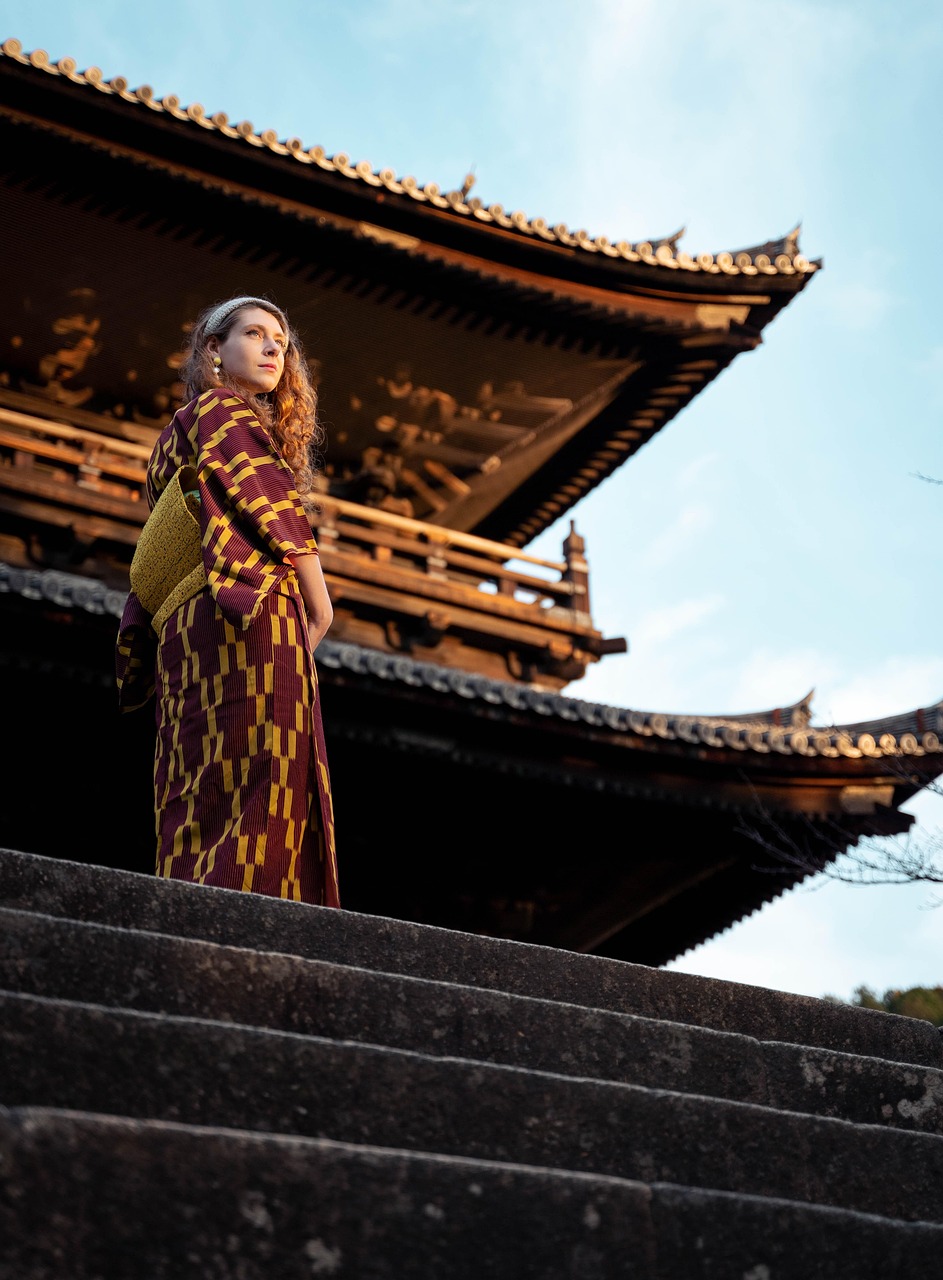
Why temples matter beyond sightseeing
Most Japanese temples are Buddhist places of practice, not museums. People go to pray for health, sit with grief, mark New Year, consult fortunes, or simply take a breather on the way home from work. You might see a suited office worker lighting incense next to a visitor lining up for photos, and neither feels out of place.
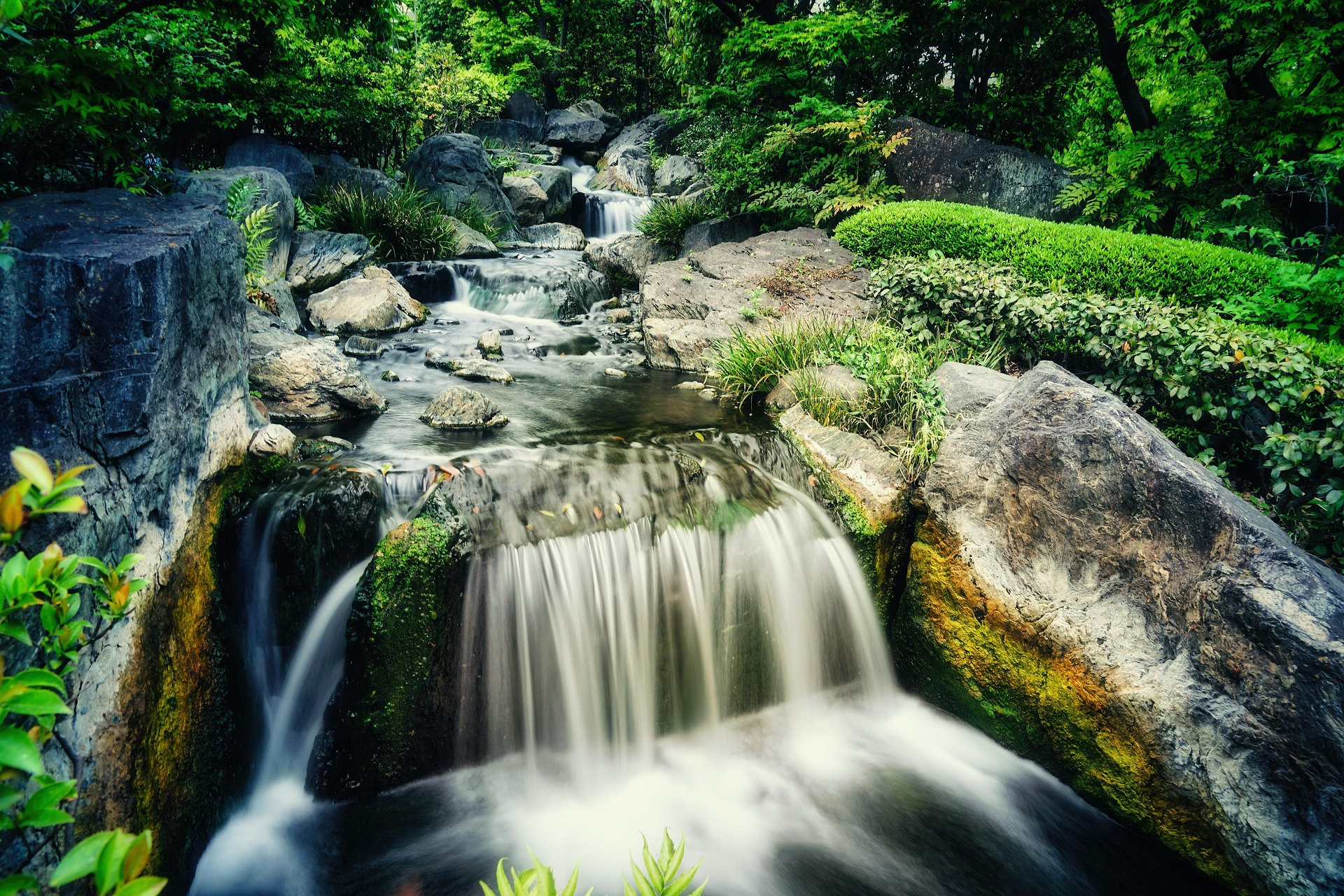
The design helps, too. Timber, stone, water, moss, and open air are used on purpose. The best temple gardens are not “decorations”; they are part of how people slow down and pay attention.
A good temple visit often has less to do with how many buildings you tick off and more to do with what you give yourself permission to do there: walk quietly, sit, listen, watch.
Temple or shrine? A quick way to tell
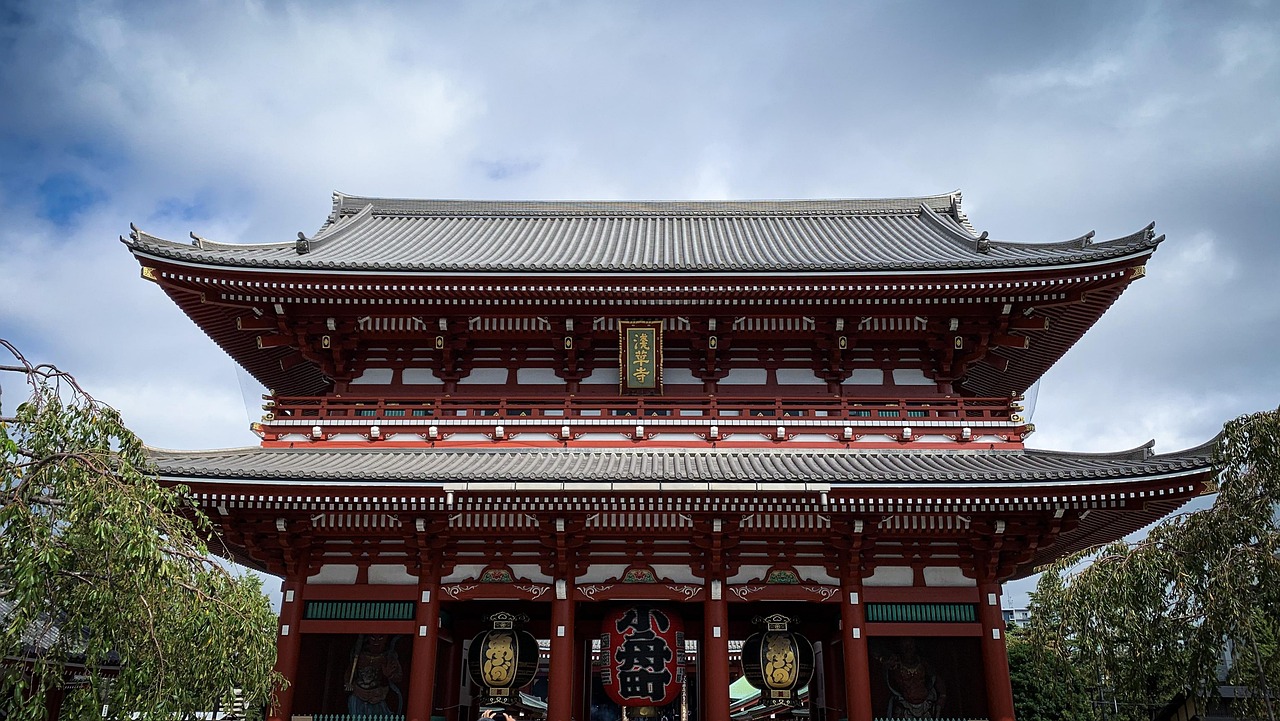
Many first-time visitors mix up Buddhist temples and Shinto shrines, and that’s completely normal. Japan has centuries of shared history between the two traditions, and some sites have elements of both. Still, a few visual cues make it easier.
|
What to look for |
Buddhist temple (Otera) |
Shinto shrine (Jinja) |
|
Main gateway |
Often a sanmon (temple gate) |
Often a torii gate |
|
Common objects |
Incense burners, bells, statues |
Rope with paper streamers, mirror symbolism |
|
Typical vibe |
Chanting, sutras, memorials |
Purification, festivals, nature focus |
|
What people do |
Offer incense, pray, memorial rites |
Wash hands and mouth, pray, seasonal rites |
|
Famous “mix-up” |
People call it a temple |
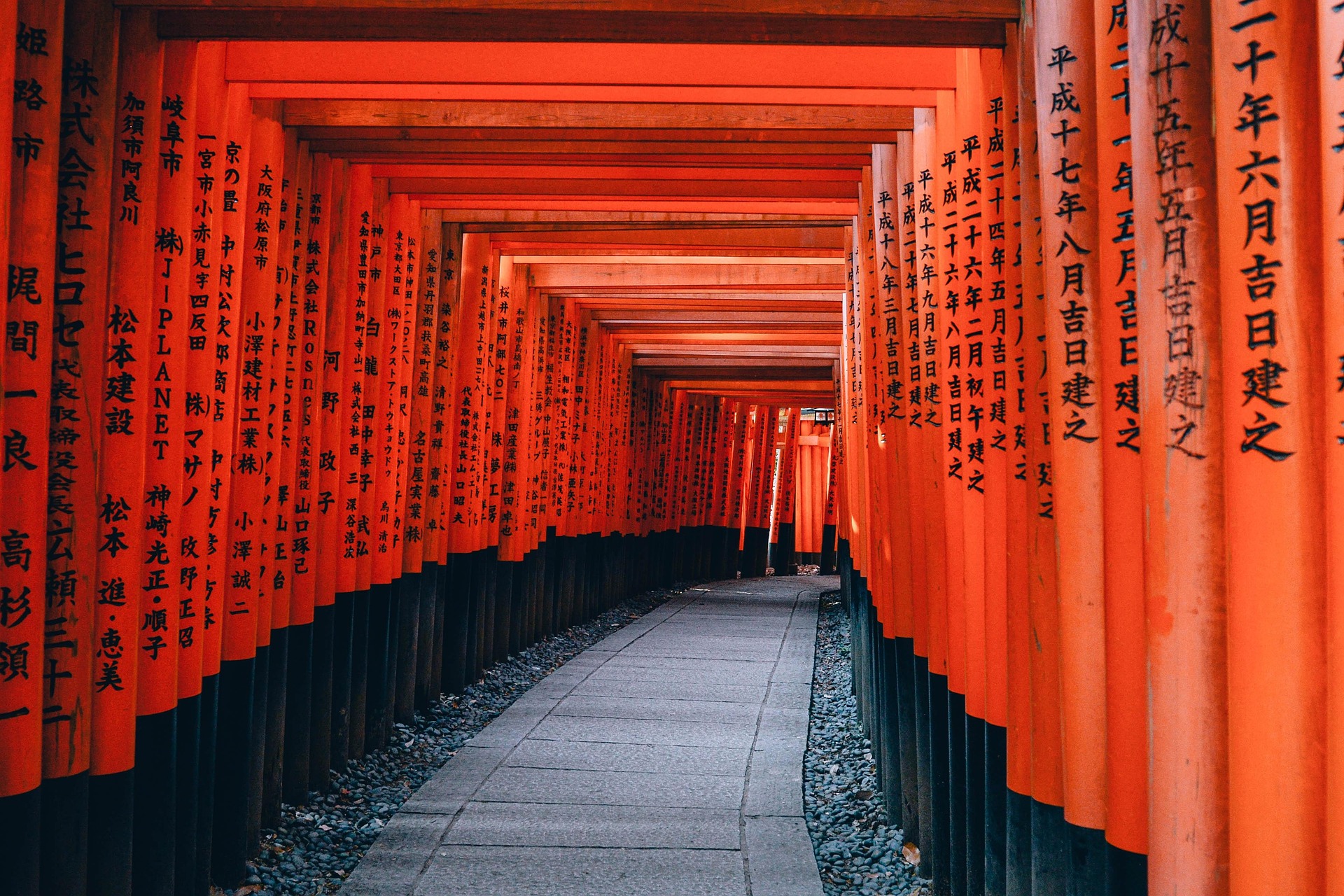
Fushimi Inari Taisha is a shrine |
If you only remember one thing, make it this: torii usually means shrine. Incense and Buddha imagery usually means temple.
Famous temples people ask about (and when to go)
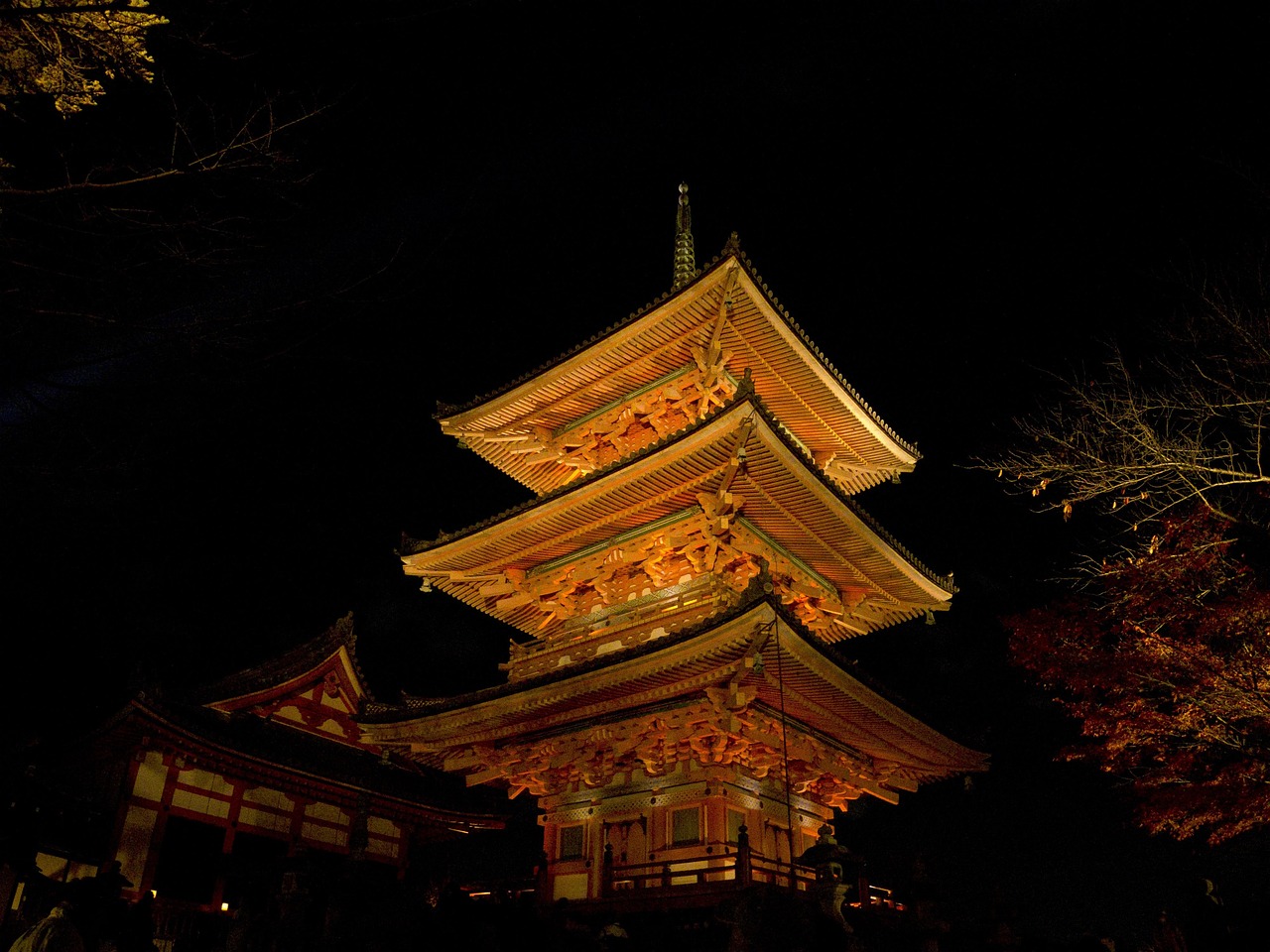
There isn’t one single “most famous” temple, but a few names come up again and again.
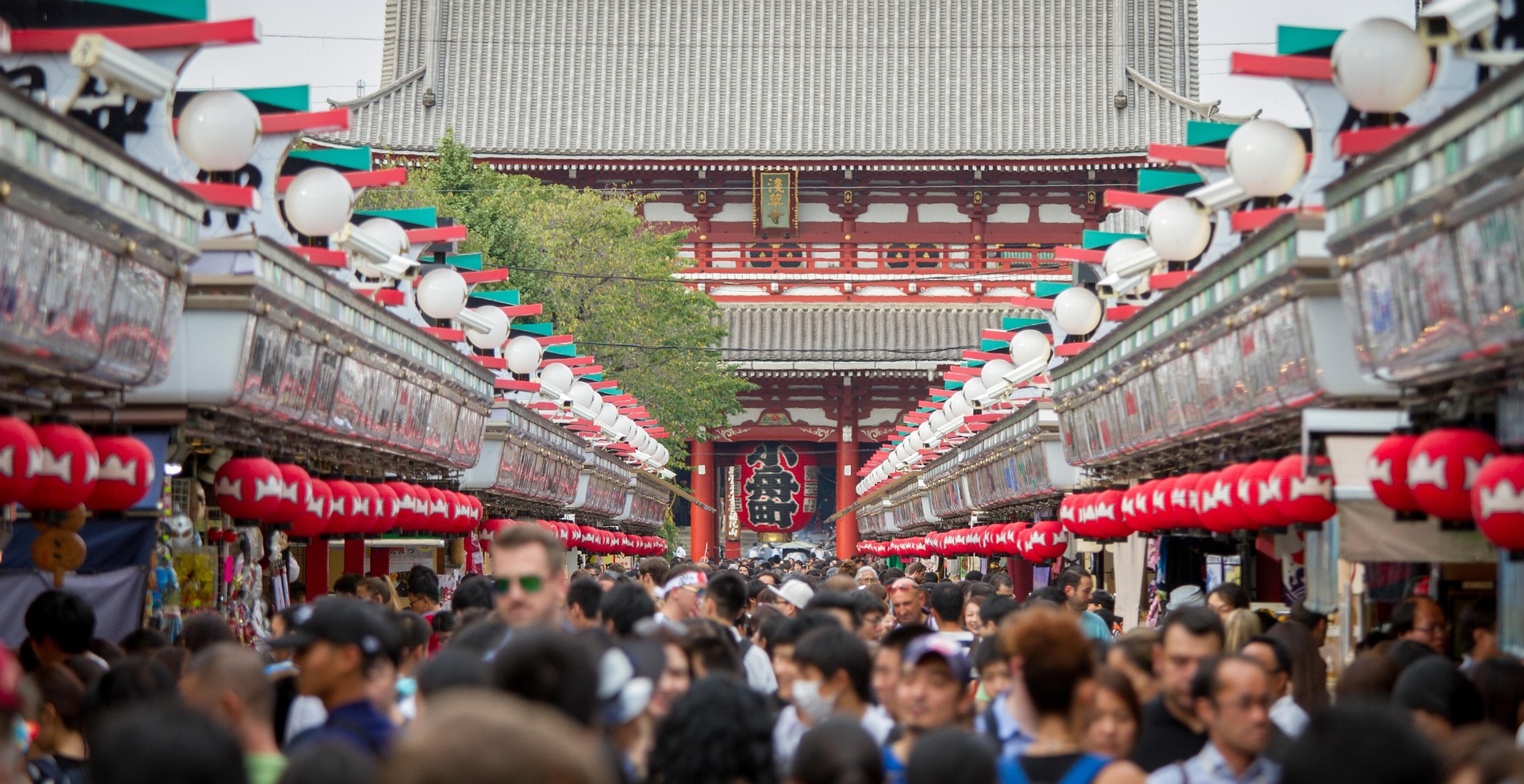
Senso-ji (Tokyo) is the classic first temple for many travellers. It’s central, lively, and easy to pair with a walk around Asakusa. If you go early, it feels surprisingly calm for a place visited by millions each year. At night, the lantern-lit approach can be even better, with far fewer tour groups.
Kinkaku-ji (Kyoto), the Golden Pavilion, is famous for a reason. The reflection across the pond can look unreal, especially on a crisp morning. It is also busy, so this is one where timing matters more than patience.
Kyoto has plenty of other temple options that can feel more personal: neighbourhood temples with small gardens, quiet halls, and almost no crowds if you’re a few streets away from the main routes.
Nara’s Todai-ji is another standout, mostly because it’s hard to grasp the scale until you’re there. The approach through Nara Park and the huge wooden hall can be a brilliant day trip from Kyoto or Osaka.
After you’ve picked your “iconic” temple or two, it helps to plan around atmosphere, not just fame. A few timing notes usually make the difference:
· Late afternoon: softer light and a gentler pace
· Rainy days: fewer visitors and more reflective gardens
· Weekday mornings: calmer queues, clearer photos
Who should do a temple stay in Japan? Is temple stay worth it?
A temple stay (shukubo) isn’t for everyone, but for the right traveller, it’s a highlight that lingers long after the trip ends. If you’re someone who enjoys slowing down, is curious about Japanese rituals, and values quiet over constant activity, a temple stay is likely to be deeply rewarding. It’s ideal for those who want to experience morning ceremonies, appreciate silence, and are open to a different rhythm—one that’s more about presence than ticking off sights. If you’re interested in Japanese culture, enjoy early mornings, or simply want to try something outside the usual hotel experience, a temple stay is absolutely worth it.
On the other hand, if you need nightlife, struggle with early starts or cold mornings, prefer meat-heavy meals, or expect five-star amenities, a temple stay may not be your best fit. The experience is about simplicity, reflection, and immersion, not luxury or convenience. Being honest about your travel style will help you decide if a shukubo is right for you.
What is included in shukubo? What to expect from temple lodging in Japan
Many travellers wonder if a temple stay is like a strict retreat or if it’s uncomfortable. In reality, most shukubo offer a unique but accessible experience. Here’s what’s typically included:
Usually included:
· Tatami-mat room with futon bedding
· Vegetarian dinner and breakfast (shojin ryori)
· Shared bathroom facilities (often communal baths)
· Morning ceremony or meditation (optional)
· Tranquil temple grounds to explore
Usually not included:
· Private en suite bathrooms (some exceptions)
· Freedom to stay up late or party
· Meat or fish in meals
· 24-hour convenience or hotel-style services
You’ll find the atmosphere peaceful, the food nourishing, and the routine simple—designed to help you unwind, not to test your endurance.
How much does a temple stay cost in Japan?
Temple stays are generally priced a little higher than standard business hotels, especially during peak seasons when demand is high and availability is limited. The cost reflects not just a place to sleep, but the immersive experience and unique setting you’re paying for. You’re investing in atmosphere, cultural depth, and the chance to participate in rituals, rather than luxury amenities. For many, the value lies in the memories and perspective gained, making it a worthwhile addition to a Japan itinerary.
Best time for temple stay in Japan: Seasons & timing tips
The best seasons for a temple stay are spring and autumn, when the weather is comfortable and temple gardens are at their most beautiful. In winter, especially at Koyasan, temperatures can drop sharply and many temples have limited heating—so pack accordingly if you visit during this time. The cold, however, can make the experience even more atmospheric, with quiet mornings and frosty landscapes. Summer brings lush greenery and cool mornings, but midday can be hot and humid, especially in lowland areas. Regardless of season, early mornings and late afternoons are the most peaceful times to enjoy temple grounds.
Getting there: How to fit a temple stay into your Japan itinerary
Fitting a temple stay into your route is easier than you might think. From Osaka or Kyoto, it’s straightforward to reach Koyasan by train and cable car, making it a perfect mid-trip pause between city stays. Many travellers use Koyasan as a restful break before heading on to Hiroshima or returning to urban sightseeing. If you’re starting in Tokyo, consider exploring the city first, then taking the shinkansen or a domestic flight to the Kansai region for your temple experience. A temple stay can also serve as a meaningful transition point between Kyoto, Osaka, and Hiroshima, helping you reset your pace and absorb more of Japan’s quieter side.
If you want to experience a temple stay as part of a seamless, meaningful journey through Japan, Three Bears Travel’s Japan’s Spiritual & Artful Escape – 13 Days of Culture, Wellness & Contemporary Beauty is designed for you. This itinerary includes an immersive night at a traditional Koyasan temple, where you’ll join morning prayers, try meditation, and truly connect with Buddhist culture—alongside curated art experiences, beautiful landscapes, and refined city stays. It’s the ideal way to enjoy a temple stay within a thoughtfully balanced trip, perfect for travellers who value depth, comfort, and authentic cultural encounters.
What’s included in a typical temple stay? (Quick checklist)
· Tatami room with futon bedding
· Shojin ryori (vegetarian dinner and breakfast)
· Shared bath facilities (often communal)
· Morning meditation or chanting (optional)
· Access to temple grounds
Not usually included:
· Private bathrooms (unless specified)
· Late-night activities or entertainment
· Meat or fish dishes
· 24-hour front desk or room service
First-time temple stay: 5 common concerns answered
1. Will it be very cold, especially in winter? Some temples, especially in Koyasan, can be chilly in winter and may not have strong heating. Bring warm layers and expect a traditional, not hotel-like, environment.
2. Do I need to speak Japanese? Not necessarily. Many temples have some English support, but it varies. Simple phrases and gestures go a long way, and staff are used to international guests.
3. Can I take a bath or shower? Yes, most temple lodgings have communal baths or showers. These are shared and follow Japanese bathing etiquette.
4. Is participation in morning prayers or meditation required? Usually not. Joining is optional, though it’s a highlight for many guests.
5. Can I bring children? Yes, but it’s best to choose a temple that welcomes families and to prepare kids for a quiet, respectful environment.
Tips for a better temple stay experience
· Bring an extra pair of socks for moving around indoors
· Pack a warm jacket or sweater for chilly mornings
· Let the temple know in advance about any dietary restrictions
· Be mindful with phone use and avoid disturbing others with photos
· Set expectations for simplicity and quiet, not luxury
Simple etiquette that helps you feel comfortable
No one expects visitors to know everything. What matters is being considerate, moving with the flow, and following any signs. A temple visit becomes easier when you think of it like entering a quiet public space rather than a tourist attraction.
Here are practical habits that keep things smooth:
· Hands and behaviour: speak softly, keep your phone on silent, step aside if you stop to look
· Photos: check signage, avoid flash, don’t photograph inside halls unless permitted
· Shoes: be ready to remove them in certain buildings, and avoid standing on thresholds
If you want to pray, you can. If you don’t, that’s fine too. Watching respectfully is an acceptable way to be there.
What a temple stay in Japan actually is
A temple stay is usually called shukubo. It began as accommodation for pilgrims, and today many temples welcome travellers who want a night that feels different from hotels and ryokan. It’s not a luxury experience, and that’s the point.
Rooms are typically simple tatami spaces with futons rolled out at night. You’ll often have sliding doors, shared bathrooms, and a sense of quiet that starts as soon as you arrive. Some temples have modern comforts, others are more traditional.
Food is a highlight for many guests. Temple meals often follow shojin ryori, a Buddhist vegetarian approach that focuses on seasonal produce, balance, and careful preparation. Even people who love meat often say they feel surprisingly satisfied.
Mornings are early. You may be invited to join chanting or meditation. Participation is generally optional, and staff are used to international visitors who are curious but not religious.
One night gives you the texture of temple life. Two nights gives you space to settle into it.
A one-night temple stay: what the rhythm can look like
Every temple runs its own schedule, but the shape of the experience is often similar: arrive before dark, eat simply, sleep early, wake early, then head on with your trip feeling unusually refreshed.
|
Time |
What you might do |
What it feels like |
|
Late afternoon |
Check in, walk the grounds |
Quiet, unhurried |
|
Early evening |
Shojin ryori dinner |
Nourishing, minimal |
|
Night |
Bath, futon, lights out |
Deeply restful |
|
Early morning |
Chanting or meditation |
Calm, focused |
|
Morning |
Simple breakfast, depart |
Clear-headed |
If you’re travelling as a couple or pair, a temple stay can also be a rare shared pause in the middle of a busy itinerary.
Where a temple stay fits best
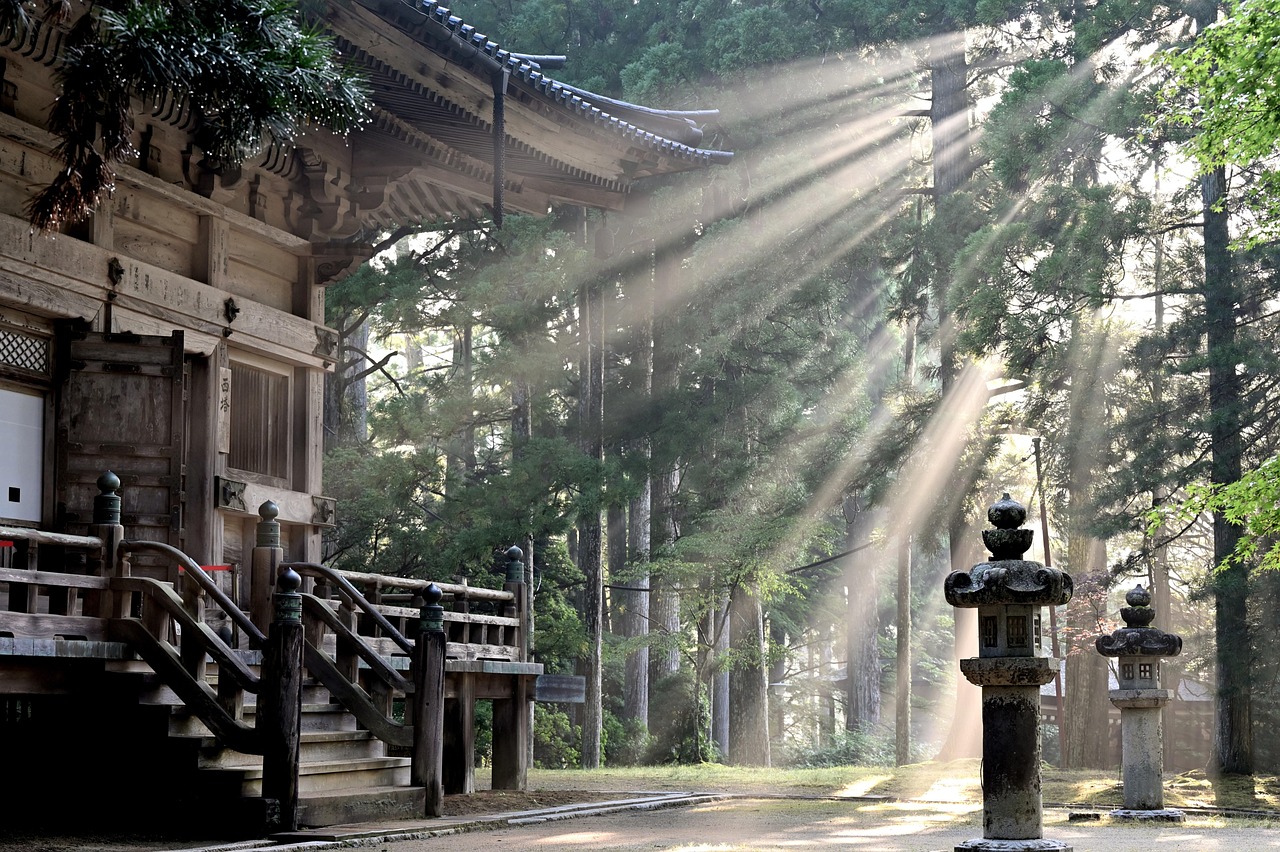
Mount Koya (Koyasan) is the best-known area for temple stays, and it earns that reputation. It’s accessible from Osaka, feels genuinely different from the cities, and has enough choice that you can find a temple that suits your comfort level. The Okunoin cemetery walk is often a standout, especially in the late afternoon when the light drops through the cedars.
Kyoto has a smaller selection of temple stays, and they can book out well ahead. The upside is convenience: you can pair a quiet morning practice with a full day of sights without changing regions.
Regional areas can be the most intimate, though they may require more planning around language, transport, and meal preferences.
A temple stay suits some travellers more than others. It helps to be honest about your travel style before you lock it in.
· Great fit: you enjoy quiet mornings, cultural depth, and a slower pace
· Less ideal: you want nightlife, late starts, constant Wi-Fi, or lots of entertainment
Building temple time into a Japan itinerary without rushing
Temples are everywhere in Japan. The challenge is not finding them, it’s choosing which ones add something to your trip, and placing them at times when they feel spacious rather than squeezed between trains.
A balanced approach often works best: one major temple in Tokyo or Kyoto, one or two quieter sites in neighbourhoods, then a single temple stay as a change of pace. This avoids “temple fatigue”, which is very real when every stop starts to blur into the next gate and hall.
For travellers from Australia and New Zealand, the first few days can also be affected by early wake-ups and jet lag. That’s not always a bad thing. If you place your most important temples early in the day, your body clock can work in your favour.
This is also where having local planning support can remove friction. Three Bears Travel designs private, tailor-made trips for two people in Japan, with end-to-end planning and on-the-ground help. That sort of structure makes it easier to include a temple stay in a way that feels natural, not like a detour. It also helps when you want quieter temples at the right times, or a shukubo that is welcoming to international guests and clear about what’s included.
Common questions about Japan temples and temple stays
What’s the name of the famous temple in Japan?
If people mean “most visited” or “most recognised”, Senso-ji in Tokyo is often the answer. If they mean “most photographed”, Kinkaku-ji in Kyoto is high on the list.
Can tourists stay overnight in a Japanese temple?
Yes. Many temples offer shukubo accommodation. Availability varies by region and season, and some have more English support than others.
Do you need to be Buddhist to join a temple stay?
No. Visitors of all backgrounds are usually welcome. Being respectful matters more than having any prior knowledge.
How many temples should you plan for?
Enough that each one feels distinct. Many travellers enjoy two to four temple visits across a week, plus one temple stay if it suits their pace. If your itinerary is short, one well-timed temple visit can be more memorable than rushing through five.