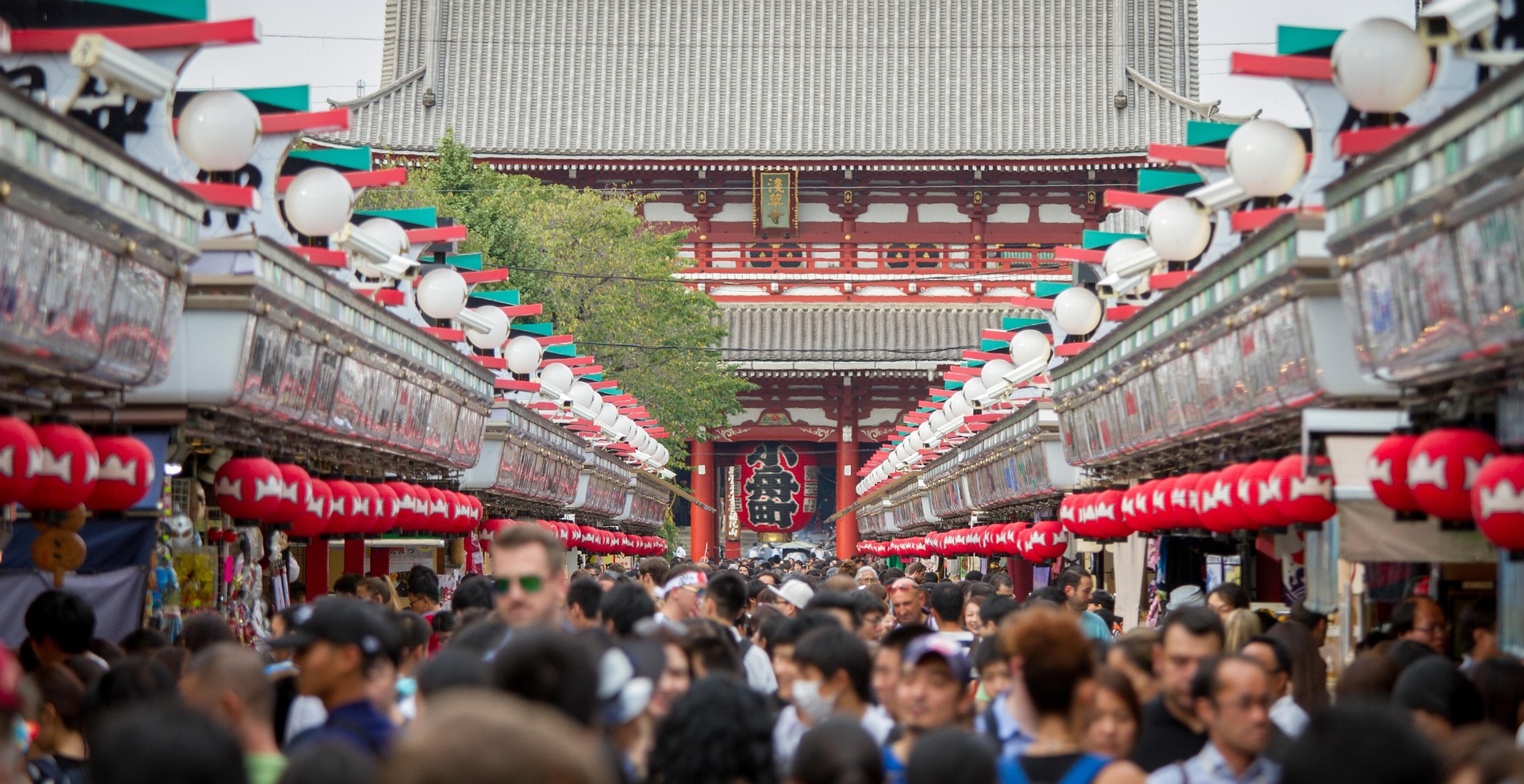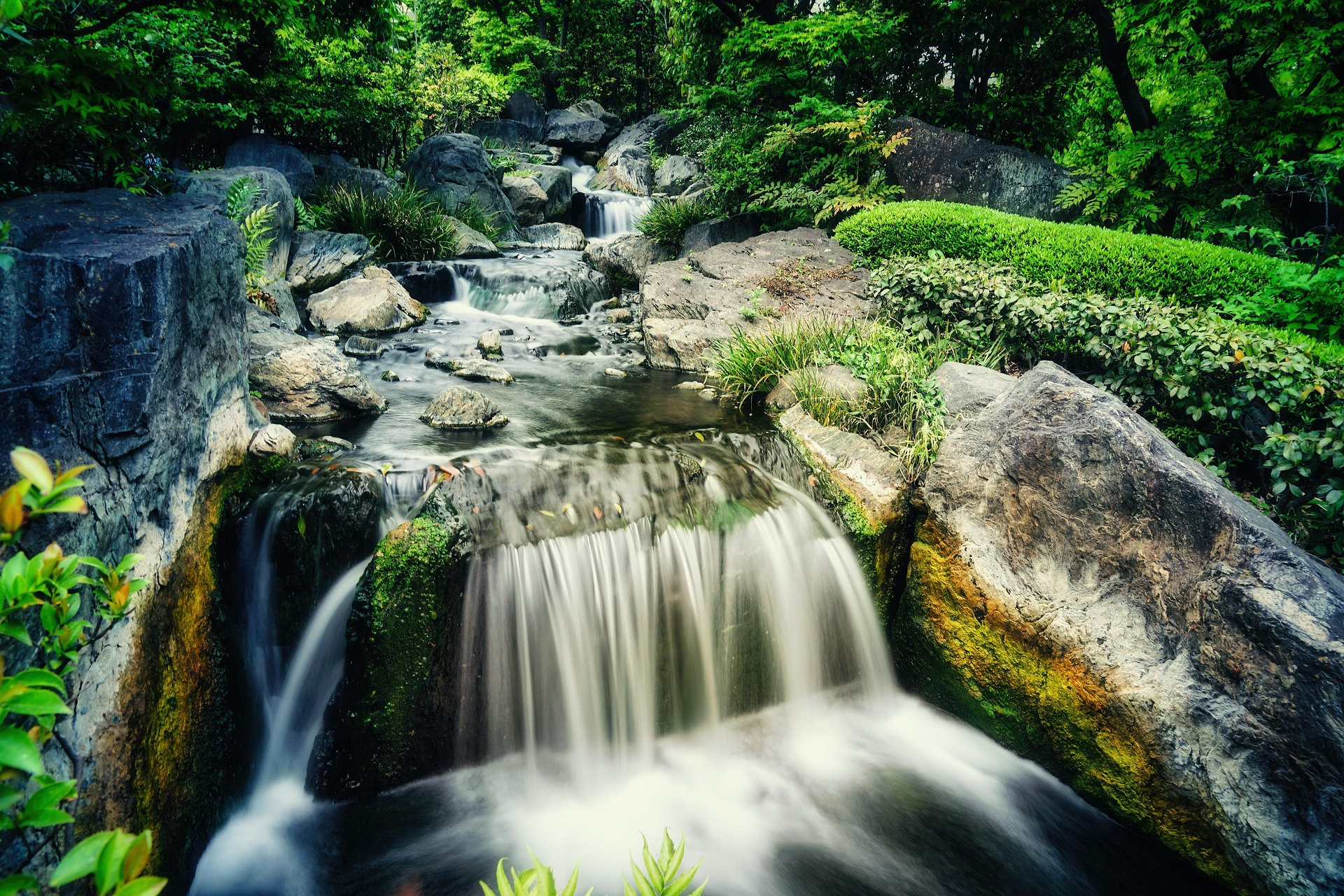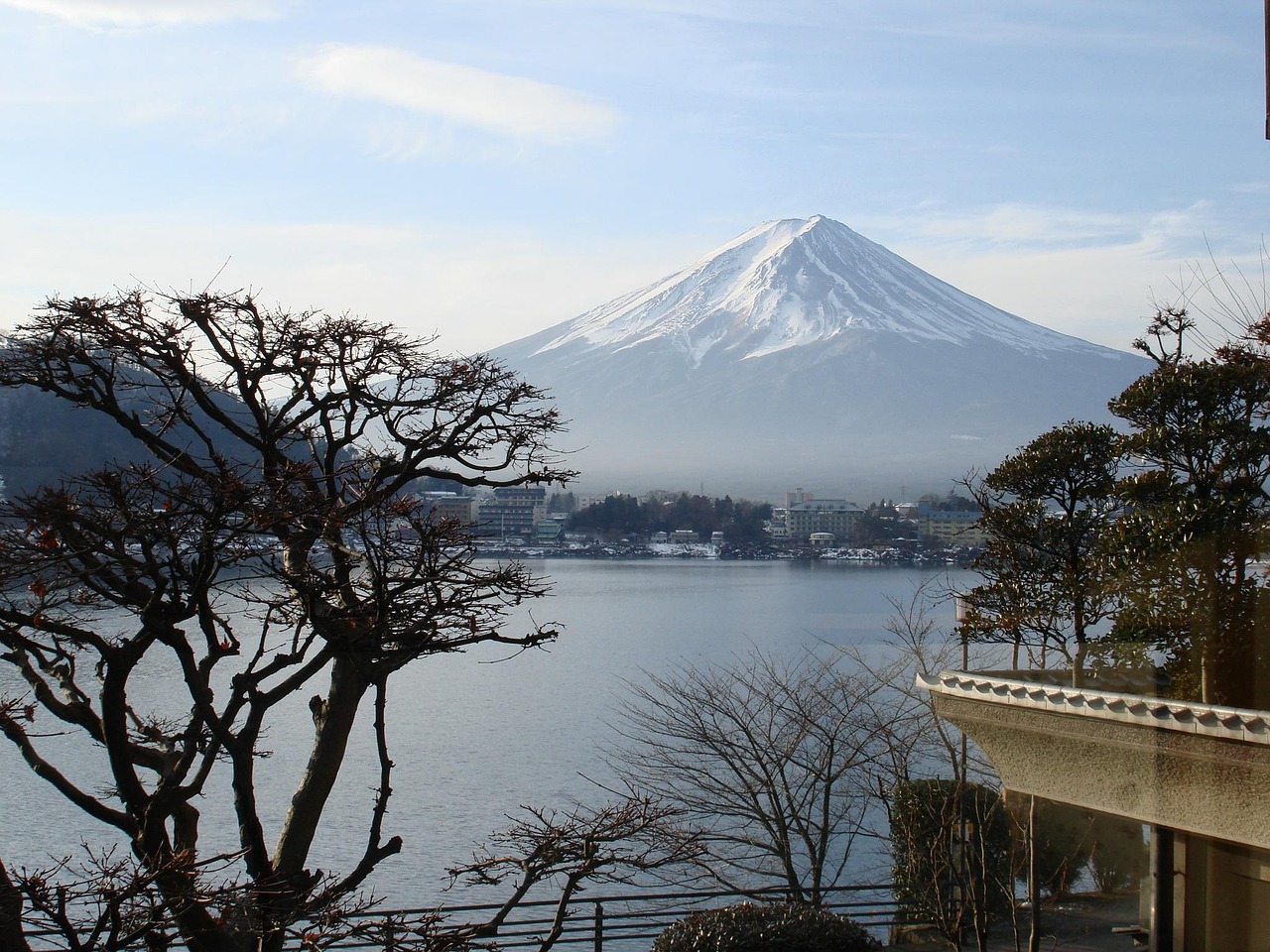
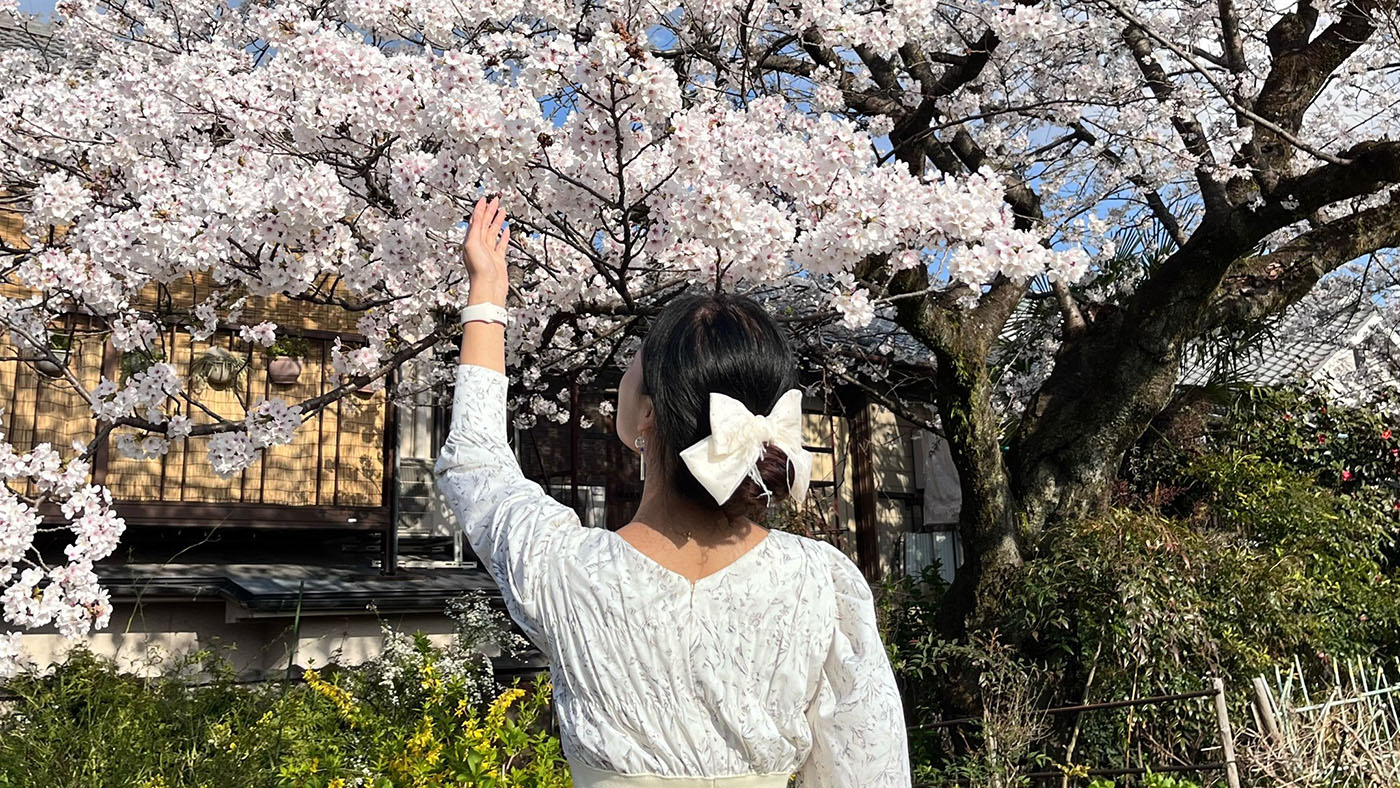
Kyoto rewards the curious traveller with temples tucked into misty hills, lantern-lit lanes, and a food scene that tells centuries of stories with every bite. Its compact layout and superb rail connections make it one of the easiest cities in Japan for efficient days out, even if you only have a short window. With a smart plan, you can see bamboo groves at dawn, climb through scarlet torii by mid-morning, sip matcha after lunch, and watch geisha glide past at dusk.
Kyoto Day Trips and Transportation: How to Make the Most of Your Visit
Three Bears Travel recommends a rhythm that pairs headline sights with quiet corners, mixing culture, nature, and food without the rush. The secret is movement: start early, keep routes tight, and choose the right wheels for each leg.
Getting Around Kyoto
Most travellers arrive at Kyoto Station, the city’s main hub for trains, subways, buses, and the bullet train. It’s the best place to grab an IC card, store luggage, and plan your day. For efficient travel: use trains and subways for speed, buses for short hops, and consider a private car or Shinkansen for families or multi-stop days.
|
Transport |
Typical Use |
Time |
Cost (one way) |
Best For |
Tips/Notes |
|
JR local train |
Arashiyama, Fushimi Inari, Nara |
5–45 min |
150–720 JPY |
Fast cross-city hops |
Use IC card; avoid peak crowds |
|
Subway |
City centre, north–south |
5–25 min |
220–360 JPY |
Reliable city links |
Combine with short walks |
|
City bus |
Temples, off-rail areas |
15–45+ min |
230 JPY (flat fare) |
Door-to-door access |
Can be slow at peak; use IC card |
|
Bullet train (Shinkansen) |
Osaka, Kobe, beyond |
12 min+ |
1,420–3,000+ JPY |
Day trips, speed |
Reserve seats during holidays |
|
Private car/driver |
Multi-stop, families |
Flexible |
From 6,000 JPY/hr |
Comfort, flexibility |
Book with Three Bears Travel |
|
Taxi |
Short hauls, luggage |
5–20 min |
From 600 JPY |
Convenience |
Show address/map pin in Japanese |
|
Bicycle |
Flat central areas |
Flexible |
From 1,000 JPY/day |
Flexible mornings |
Park in designated spots |
Tips:
-
IC cards work on most trains and buses; top up at Kyoto Station.
-
Use luggage lockers or forwarding services to travel light.
-
Visit top sights early or after 4 pm to avoid crowds.

Day Trips to Arashiyama & Surroundings
Arashiyama feels made for an unrushed half day. Forest air, temple gardens, and a riverside village keep everyone happy, from photographers to little legs.
Suggested flow from Kyoto Station:
-
JR Sagano Line to Saga-Arashiyama Station, arriving early.
-
Walk to the Arashiyama Bamboo Grove while it is quiet. The path is short; linger to catch shifts in light and wind.
-
Enter Tenryu-ji Temple Kyoto from the grove side gate. The landscape garden frames ponds and hills like a painted screen, and it calms even when crowds gather out front.
-
Coffee and a snack on the small shopping streets near Togetsukyo Bridge.
-
If energy allows, climb to Monkey Park Iwatayama Kyoto. The walk up takes 20 to 30 minutes, shoes with grip help, and the views of the city are wide open.
-
Lunch by the river or near Saga. If a slow finish suits, board a local tram or stroll back through the neighbourhood lanes.
Extra ideas if you extend into a full day:
-
Boat rides on the Katsura River when weather is friendly.
-
Small temples west of the grove, where visitor numbers thin out after late morning.
-
A private car turning this into a loop with Kinkaku-ji in the afternoon to reduce transit hops.
Three Bears Travel suggests at least half a day here, more if you prefer pauses between temples and time to shop.
Exploring Kyoto’s Historical and Cultural Gems
The eastern hills hold a run of icons in reach of each other. Mix the essentials with less crowded corners, so your day has room to breathe.
-
Kiyomizu-dera Temple: Arrive at opening if possible. The veranda view cuts over rooftops to the city, and in clear light you get sharp detail on the wooden stage. After the main hall, walk a few quiet side paths before the crowds thicken.
-
Ninenzaka & Sannenzaka Streets: Cobblestone lanes with tea houses, craft shops, and townhouse facades. Early morning or late afternoon keep the mood intact. Buy snacks to go and graze as you walk, or set your sights on a tea room for a sit-down break.
-
Fushimi Inari Taisha Shrine Kyoto: The lower torii tunnels fill quickly. Go at sunrise or later in the evening, and climb higher where the path quietens. Carry water and take it at your own pace; there are lookout points to rest.
-
Nanzenji Temple Kyoto: Spacious grounds, a brick aqueduct, and sub-temples that feel contemplative. This is where a mid-afternoon stroll can reset your day.
-
Sanzen-in Temple: Set in Ohara to the north, it is a green pocket of moss gardens and soft light. A private car makes this smooth, or combine bus and a short walk. Pair with a country lunch for a fine rural thread to your city visit.
Families can fold in playful learning without losing the thread of Kyoto’s past:
-
Kyoto Samurai Ninja Museum brings armour, stories, and hands-on activities into a bite-sized session.
-
A Kyoto Tea Ceremony Experience suited to children shortens the ritual while keeping the essence. The calm room, the taste of matcha, and the rhythm of each step make a highlight.
Practical stringing:
-
Start at Kiyomizu-dera Temple, walk down through Ninenzaka & Sannenzaka Streets, lunch around Yasaka Shrine, take a quick bus or taxi to Nanzenji Temple Kyoto.
-
Save Fushimi Inari Taisha Shrine Kyoto for either sunrise before this set, or after dinner for lantern light and fewer tour groups.

Local Food and Night Walks
Food is the thread that ties your day together. Small bites, seasonal flavours, and a proud craft ethos make it easy to eat well between sights.
-
Nishiki Market Kyoto: A narrow arcade lined with pickles, tofu, yakitori skewers, sweets, knives, and seafood. Go mid-morning for tastings, and pick up picnic supplies. Mind the flow of foot traffic and avoid eating while walking unless at a stall that invites it.
-
Gion District Kyoto: Soft light, wooden facades, and quiet lanes. Treat the area as a living neighbourhood. If you see geiko or maiko, give space, avoid flash, and keep photos respectful.
-
Pontocho Alley Kyoto: A slender lane by the river with restaurants ranging from cosy yakitori joints to refined kaiseki rooms. Reserve if you have a specific place in mind, or arrive early and choose by feel.

Sample One to Three Day Plans
Three Bears Travel balances pace and variety. Here are frameworks you can tweak based on interest and energy.
Day 1: Eastern classics and the old streets
-
Sunrise or early Kiyomizu-dera Temple
-
Meander through Ninenzaka & Sannenzaka Streets
-
Tea break, then a Kyoto Tea Ceremony Experience
-
Late afternoon at Nanzenji Temple Kyoto
-
Dinner in Gion District Kyoto or Pontocho Alley Kyoto
Day 2: Arashiyama and the river
-
Early walk through the Arashiyama Bamboo Grove
-
Garden time at Tenryu-ji Temple Kyoto
-
Optional climb to Monkey Park Iwatayama Kyoto
-
Lunch by the river and browsing small shopping streets
-
Back to town for Nishiki Market Kyoto tastings and a casual dinner
Day 3: Gates and hidden gardens
-
Sunrise at Fushimi Inari Taisha Shrine Kyoto
-
Mid-morning museum or craft stop at Kyoto Samurai Ninja Museum
-
Afternoon run out to Sanzen-in Temple with a private car
-
Evening free for a second meal in Pontocho Alley Kyoto
Handy Travel Times From Kyoto Station
Use these as a rough guide. Trains are usually punctual, though festival days bring heavier loads.
|
Destination |
Line or method |
Typical time |
Notes |
|
Arashiyama (Saga-Arashiyama) |
JR Sagano Line |
17 min |
Walk to the grove in 10 to 15 min |
|
Fushimi Inari |
JR Nara Line to Inari |
5 min |
Shrine sits beside the station |
|
Kiyomizu area |
Bus or taxi |
15 to 25 min |
A short uphill walk to the temple |
|
Nanzenji |
Subway + walk |
20 to 25 min |
Keage Station is closest |
|
Sanzen-in (Ohara) |
Bus + walk |
60 to 80 min |
Private car cuts this to ~45 min door-to-door |
|
Nishiki Market |
Subway or walk |
10 to 20 min |
Karasuma or Kawaramachi stations |
|
Gion/Pontocho |
Subway or bus + walk |
10 to 20 min |
Compact once on foot |
Day Trips Beyond Kyoto
Kyoto sets you up nicely for quick hops to neighbouring cities. The bullet train makes distances shrink, and with reserved seats you can travel stress-free even with a pram or older parent.
-
Osaka: Take the bullet train from Kyoto Station to Shin-Osaka in about 12 minutes, or a local JR train to Osaka Station in roughly 30 minutes. Spend your hours in Umeda’s viewpoints, street eats in Dotonbori, or the Osaka Aquarium. The return is easy, and you can be back in Pontocho Alley Kyoto by dinner.
-
Nara: JR trains connect in around 45 minutes. Visit the Great Buddha, stroll Nara Park, and try local sweets on the shopping streets. Early arrivals keep the deer-park paths a little calmer.
-
Kobe: Another bullet train option. Coffee culture, harbour walks, and a change of pace from temple days.
-
Uji: A tea town within easy reach by local train. If you loved your Kyoto Tea Ceremony Experience, this town deepens the flavour story.
Private cars or guided tours arranged by Three Bears Travel help when you want to chain multiple stops, or need door-to-door comfort for children and seniors. This keeps the day efficient and gives you room to add a countryside temple or a hidden garden without worrying about transit links.

A Few Extra Tips Only Locals Tend to Share
-
Morning snacks beat breakfast queues. Try onigiri from a convenience store and save your appetite for Nishiki tastings.
-
If rain rolls in, temple interiors glisten and crowds thin. Nanzenji Temple Kyoto and Tenryu-ji Temple Kyoto gardens look beautiful in soft light.
-
Coin lockers fill by mid-morning on busy days. Use luggage forwarding from Kyoto Station to your next hotel to keep hands free.
-
Keep small hand towels. They help after handwashing at shrines and on hot days.
Kyoto gives you range without stress. Start at Kyoto Station, pick the right mix of train, bullet train, and occasional taxi or private car, and string together a day with texture. Walk under bamboo in Arashiyama, trace quiet corridors at Nanzenji Temple Kyoto, taste your way through Nishiki Market Kyoto, and wind down in Pontocho Alley Kyoto. With a steady plan and time-smart moves, you will see more and feel less rushed, the ideal pair for a city built on craft and calm.
Kyoto Travel FAQ
This guide answers common questions to help you make the most of your Kyoto travel. Find efficient transportation tips, top cultural attractions, and more to enhance your journey in this enchanting city.
What is Kyoto best known for?
Kyoto is best known for its stunning temples, traditional tea houses, beautiful gardens, and well-preserved historical districts. The city is famous for its cherry blossoms in spring, vibrant autumn foliage, and iconic sites like Fushimi Inari Taisha Shrine and the Arashiyama Bamboo Grove. Kyoto is also renowned for its geisha culture and centuries-old festivals.
What is the best way to get around Kyoto?
The best way to navigate Kyoto is via public transport such as trains and subways for speed and convenience. Consider a private car or Shinkansen for flexibility on multi-stop days.
Is 3 days in Kyoto enough?
Three days in Kyoto is enough to experience many of the city’s highlights, including major temples, cultural experiences, and local cuisine. With careful planning, you can visit iconic sites like Kiyomizu-dera, Fushimi Inari Taisha, Arashiyama, and the Gion district. However, Kyoto’s depth means you could easily spend more time exploring its quieter corners and nearby day trip destinations.
Are guided tours recommended for families?
Yes, guided tours or booking a private car with Three Bears Travel offer comfort and convenience for families, allowing you to maximise your time efficiently.
What is nicer, Osaka or Kyoto?
Kyoto and Osaka each offer unique experiences. Kyoto is celebrated for its serene temples, traditional culture, and historical charm, making it ideal for those seeking a classic Japanese atmosphere. Osaka is known for its lively street food scene, modern attractions, and energetic nightlife. If you prefer tranquil beauty and heritage, Kyoto is the better choice; for vibrant city life and culinary adventures, Osaka stands out. Many travellers enjoy visiting both cities to experience the best of each.
Want more Japan travel itineraries? Click here
If you have any other questions, feel free to click here and get in touch with us.
If you need a personalized travel plan, feel free to click here and let us help you.