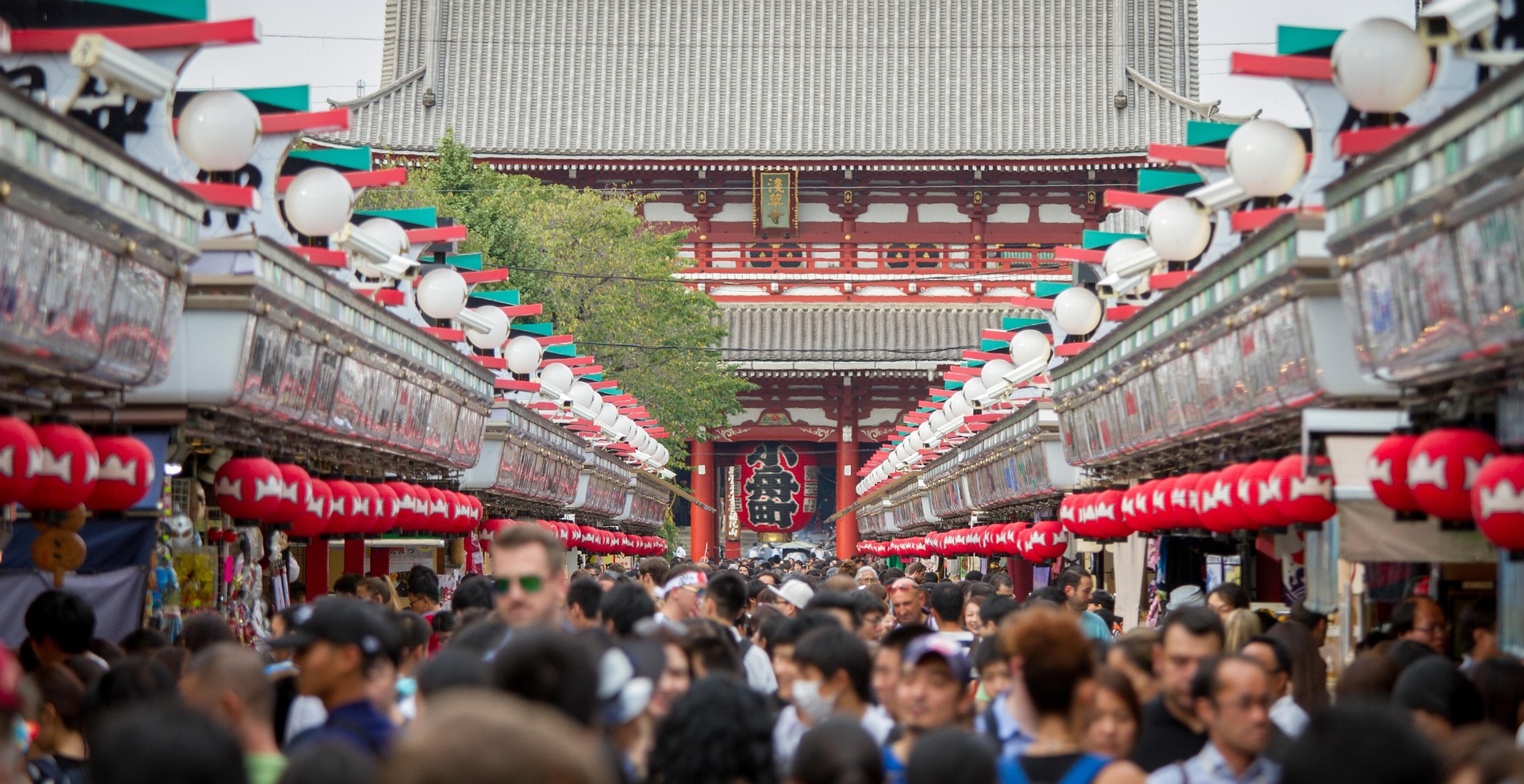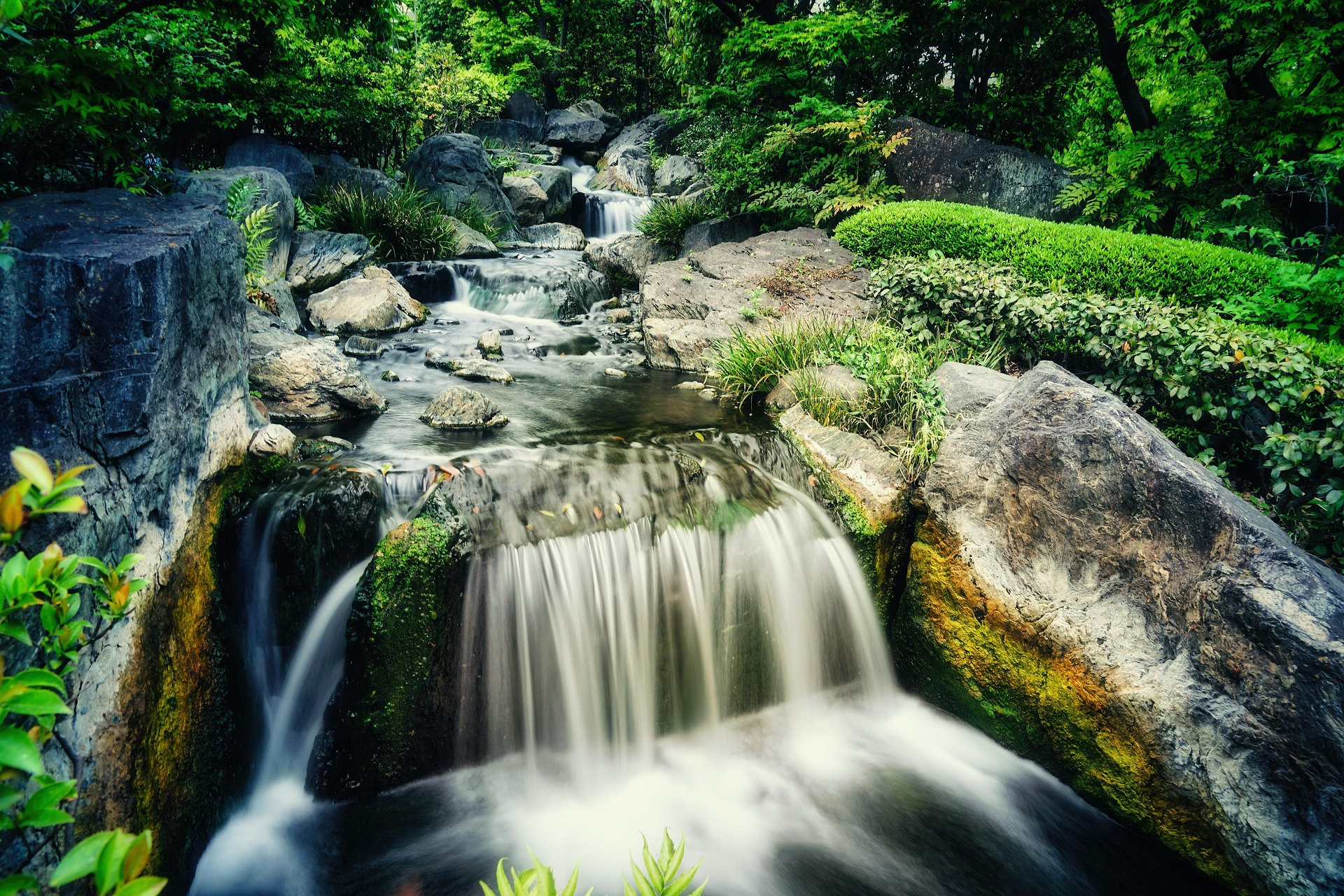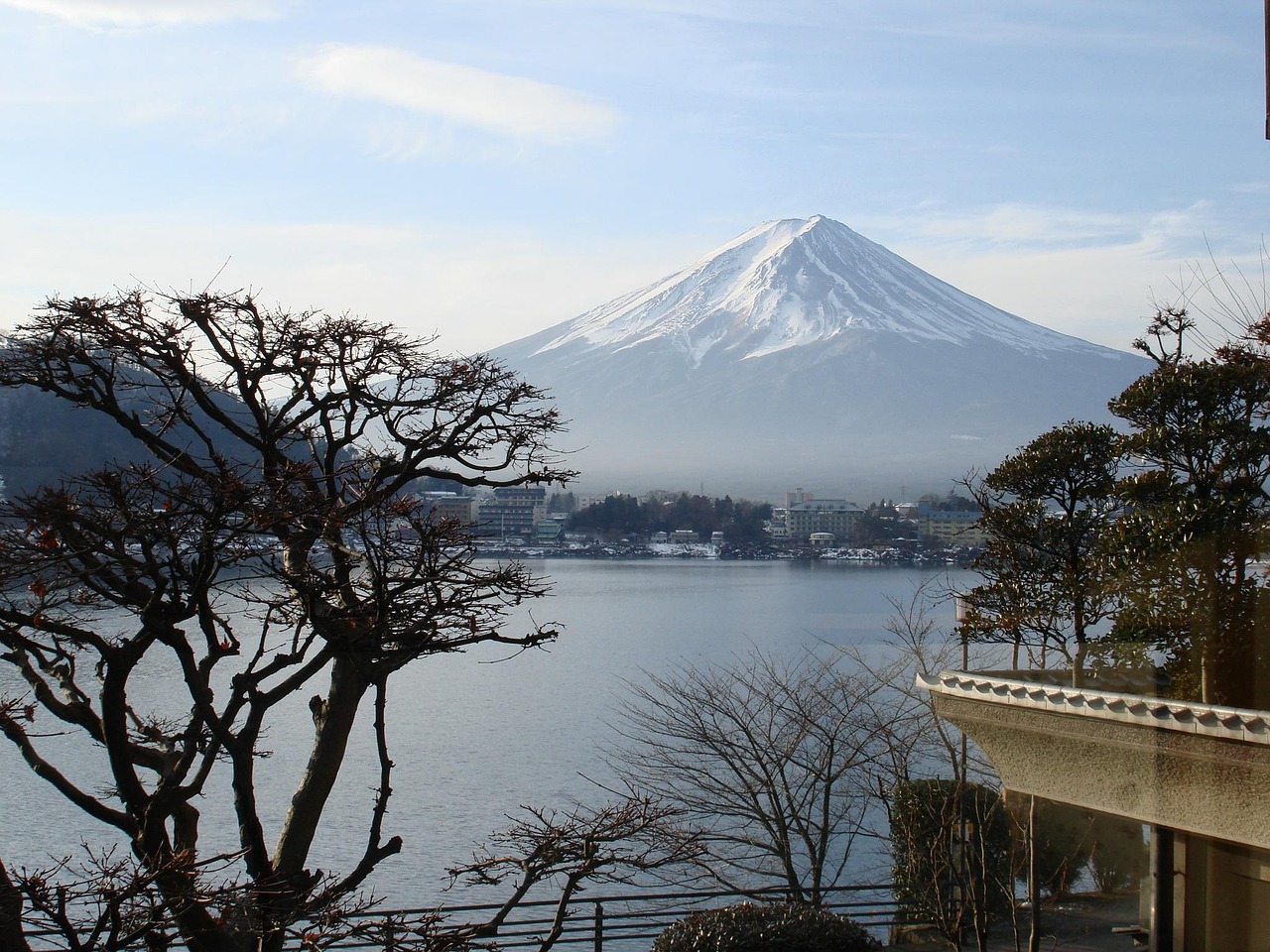
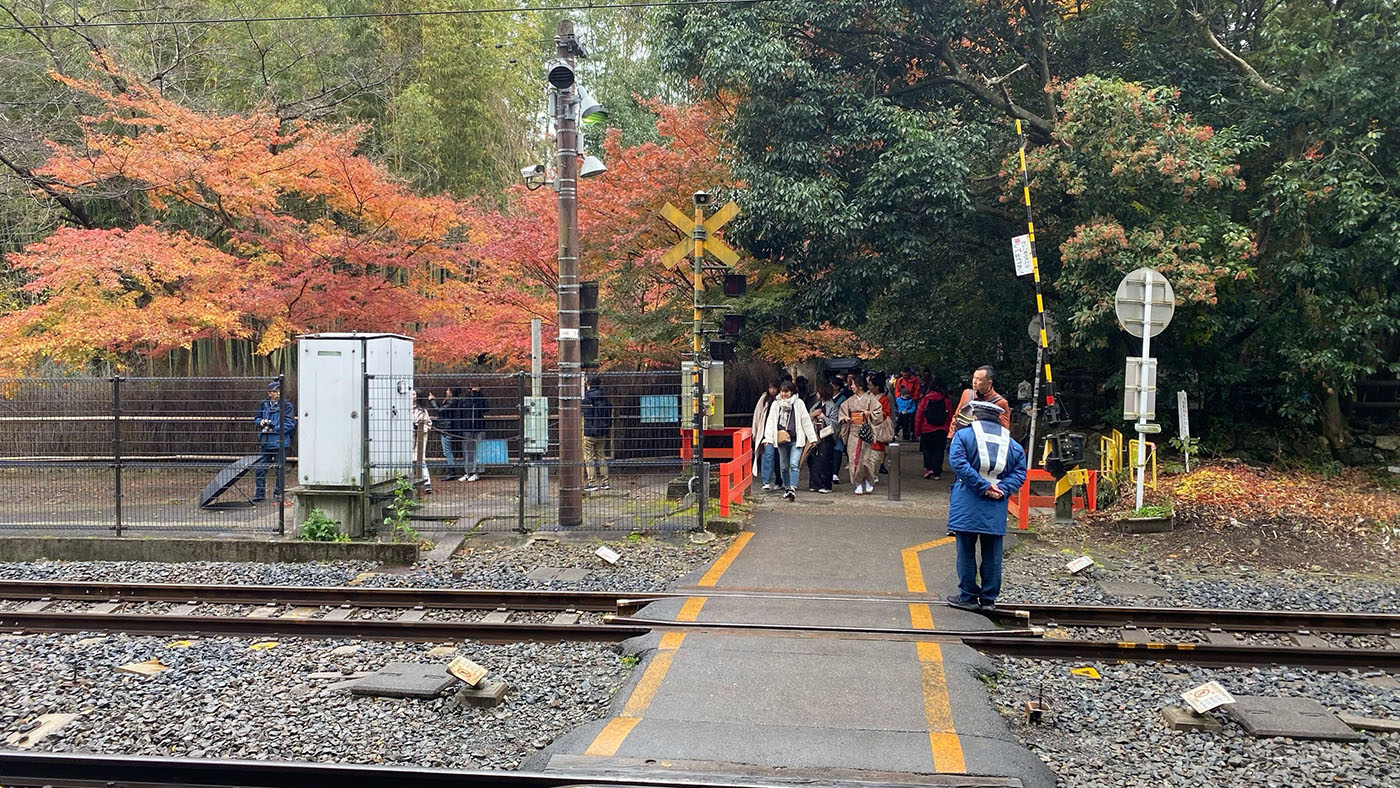
Kyoto lives up to its reputation in every season, yet 2026 puts even more focus on thoughtful travel, crowd-savvy timing, and meaningful cultural contact. Think quiet temple mornings, tea shared with a host who cares about form and feeling, and lantern-lit lanes where time seems to slow.
Three Bears Travel has spent years shaping itineraries that stitch those moments together. What follows is a field-tested guide to help you see the icons, find the stillness between them, and leave with stories worth retelling.
Kyoto: Temples, Culture and Hidden Corners
Kyoto, Japan’s former imperial capital, rewards travellers who combine planning with patience. The city is compact yet layered, with temples tucked into wooded hills and old merchant streets meeting sleek galleries. A few refined choices each day will take you far.
Below you will find the landmarks that headline most visits, cultural experiences that add depth, and the quieter corners that keep people coming back.
Must-See Temples and Shrines in Kyoto
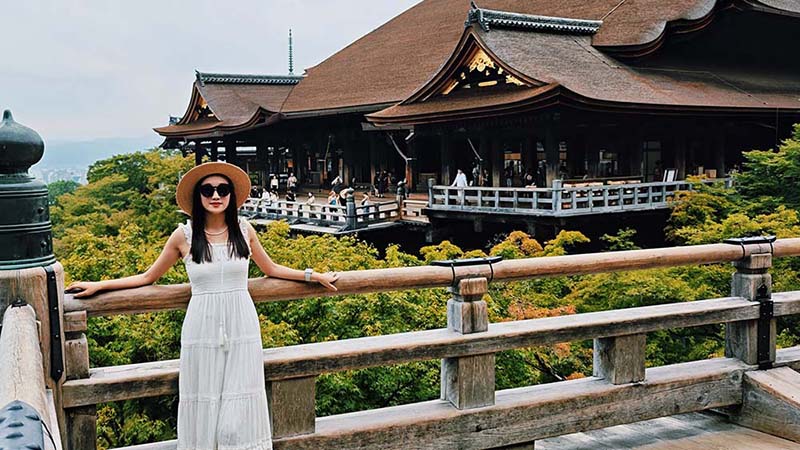
Kiyomizu-dera Temple Perched on Higashiyama’s slope, Kiyomizu-dera’s wooden stage sits above a valley that erupts with maples in November and soft greens in April. The ascent via Ninenzaka & Sannenzaka Streets is part of the charm. These preserved lanes, lined with machiya townhouses, stock everything from handmade fans to Kyoto pottery.
-
Timing: arrive before 8 am for calmer views, or return after dusk in illumination periods
-
Footwear: temple paths can be uneven, soft-soled shoes help
-
Nearby pause: drop into a small teahouse off Sannenzaka for matcha and wagashi
Fushimi Inari Taisha Shrine Kyoto The thousands of vermillion torii climbing Mount Inari feel like an endless tunnel of colour. Many visitors stop at the first viewpoint, but the trail continues to quieter sub-shrines with mossy fox statues and glimpses over the city.
-
Start early or late: sunrise and late evening thin the crowds
-
Pace yourself: the full loop can take 2 to 3 hours with photo stops
-
Street eats: try inari sushi and grilled mochi at the base
Sanzen-in Temple An easy day trip to Ohara brings you to Sanzen-in Temple, where cedar-scented air and a carpet of moss dotted with smiling jizo statues set a tranquil mood. The pace slows up here. You can wander between temple halls and gardens, then circle back to small noodle shops serving fresh yuzu and mountain vegetables.
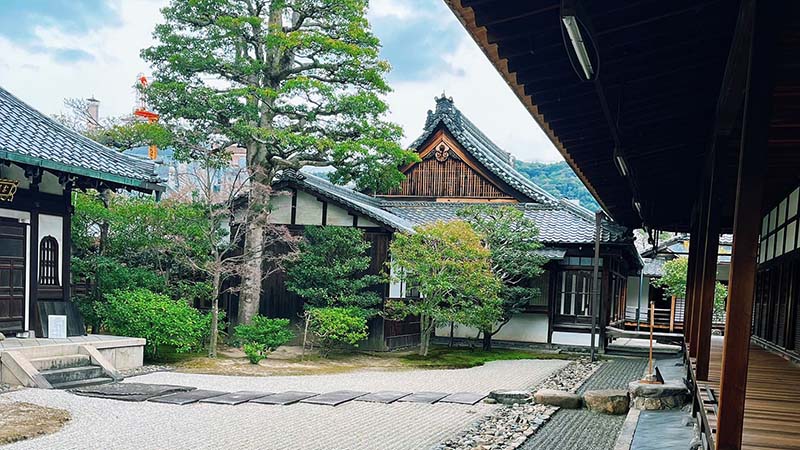
Nanzenji Temple Kyoto Few places marry Zen architecture and garden artistry like Nanzenji. Its expansive grounds allow space to breathe. Check the sub-temples for exquisite karesansui compositions, stone and rake lines that turn stillness into a scene. The nearby aqueduct adds a Victorian quirk to a classic Kyoto view.
Practical notes for sacred sites
-
Dress modestly and keep voices low, especially near prayer halls
-
Photography inside main halls is often restricted, signs make it clear
-
Donations at offertory boxes are welcome, small coins are fine
Green Escapes in Kyoto
Arashiyama Bamboo Grove and Nature Walks
Arashiyama earns a full day. The bamboo grove itself is short, yet the area invites a longer wander. Go at first light to hear the wind in the culms and avoid tour group clusters.
Tenryu-ji Temple Kyoto sits beside the grove with a grand stroll garden overlooking borrowed mountain scenery. From there, continue along the Katsura River, cross the Togetsukyo Bridge, and take the uphill trail to Monkey Park Iwatayama Kyoto. The macaques range freely and staff set clear boundaries, so keep snacks tucked away and enjoy the views back across the valley.
Three Bears Travel recommends a loop
-
Dawn: bamboo grove and Tenryu-ji garden before crowds
-
Late morning: river walk, small boat or riverside coffee
-
Afternoon: Monkey Park Iwatayama Kyoto and Sagano side lanes
-
Sunset: return to central Kyoto for dinner on Pontocho Alley
Cultural Experiences in Kyoto
Tea, theatre, and everyday craft give context to the city’s skyline of pagodas and gates. When you set aside a few hours for immersive sessions, the rest of your trip feels richer.
Kyoto Tea Ceremony Experience A good host will show both technique and spirit. Movements feel deliberate, nothing rushed. Wear a kimono if you like, or go simple and comfortable. Try to book with small groups or private sessions to ask questions, learn to whisk properly, and understand seasonal sweets that accompany the tea.
Kyoto Samurai Ninja Museum Families rate this highly. There is room for hands-on activities, safe sword demonstrations, and history told without talking down to kids or adults. It breaks up a day of temple visits with a bit of theatre and engagement.
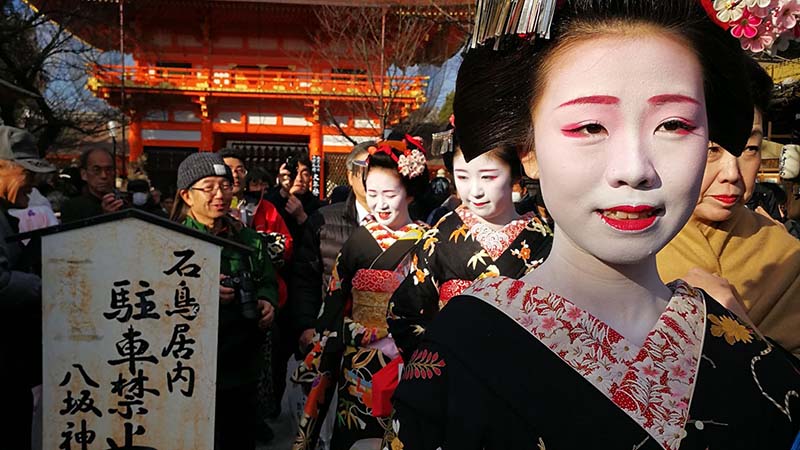
Gion District Kyoto and the Geisha District Kyoto Twilight on the narrow lanes of Gion still holds a quiet dignity. You may glimpse a geiko or maiko moving between engagements. Keep distance, do not block pathways, and avoid flash photography. The culture is living, not a show staged for visitors. If you want a closer look, book an authorised cultural performance or dinner through reputable channels.
Street scenes are just the start. Join a calligraphy class, try kintsugi repair with a craft studio, or attend an incense ceremony. These are not boxes to tick. They are ways to feel at home in Kyoto’s rhythm.
Food and Local Shopping
Nishiki Market Kyoto This thin arcade stretches a few blocks yet holds the city’s pantry. Traders specialise, often for generations. You can nibble while you wander, though some stalls ask you to step aside to eat neatly. Expect seasonal treats and seafood that surprises.
Tastes to try
-
Fresh yuba (tofu skin) with soy broth
-
Dashimaki tamago, a silky rolled omelette
-
Pickled vegetables, especially shibazuke
-
Sesame ice cream or soy milk donuts
-
Sake tastings from Kyoto’s Fushimi brewers
Shopping highlights nearby
-
Aritsugu knife shop, careful advice and sharpening
-
Tea at Ippodo a short walk away, with tasting counters
-
Textiles and tenugui cloths on Teramachi and Shinkyogoku arcades
Cash is still helpful at smaller shops, while most larger retailers accept cards and contactless payments. Bring a small tote bag, since bins are rare and many shops encourage less packaging. Ask for tax-free options if you meet minimums, and keep passports handy. Many shops can ship insured parcels abroad, which saves suitcase space.
Sample Itineraries That Work
Three Bears Travel uses a building-block approach with mornings set for icons, afternoons for depth, and evenings for neighbourhoods that reward slow strolls. Mix and match to suit your pace.
Two-day classic
-
Day 1 morning: Kiyomizu-dera Temple via Ninenzaka & Sannenzaka Streets
-
Day 1 afternoon: Nanzenji Temple Kyoto and its sub-temples, canal-side walk to Philosopher’s Path
-
Day 1 evening: Gion District Kyoto at twilight, dinner on Pontocho
-
Day 2 morning: Fushimi Inari Taisha Shrine Kyoto to the second summit
-
Day 2 afternoon: Kyoto Tea Ceremony Experience or calligraphy session
-
Day 2 evening: Nishiki Market Kyoto snack crawl, sake bar near Kiyamachi
Three-day deep cut
-
Day 1: East side icons as above, add Eikan-do for late afternoon light
-
Day 2: Arashiyama Bamboo Grove at dawn, Tenryu-ji Temple Kyoto, Monkey Park Iwatayama Kyoto, riverside lunch, return for museum time or a sento bath
-
Day 3: Northern temples in the morning, Sanzen-in Temple in Ohara for a peaceful late-afternoon garden view
Family-friendly mix
-
Day 1 morning: Samurai and ninja fun at the Kyoto Samurai Ninja Museum
-
Day 1 afternoon: Short temple visit and soft-serve ice cream on Teramachi
-
Day 2: Fushimi Inari early, picnic in a small park, river rowing in Arashiyama
-
Day 3: Hands-on tea session, craft workshop for kids, early dinner with okonomiyaki
Day Trips That Round Out a Kyoto Stay
Not every highlight sits within city limits. Short hops add range without stealing momentum.
-
Uji: tea fields, Byodo-in’s Phoenix Hall, gentle river scenes
-
Kurama and Kibune: cedar forests, temple walks, summer flowing noodle lunches
-
Nara: Todai-ji’s Daibutsu, deer parks, quiet gardens near Isuien
-
Fushimi: sake brewery tours and tastings, canal boats, combined with Fushimi Inari
Each pairs easily with a Kyoto morning or afternoon, using the Keihan or JR lines for quick transfers.
Staying Grounded During Peak Weeks
Golden Week, Gion Matsuri, and autumn weekends bring energy and queues. You can still have a calm trip.
-
Book entry windows when offered, and anchor one must-see each morning
-
Use lunch hours for smaller museums and mid-day tea, then visit gardens in late afternoon light
-
Swap bus lines for rail corridors when streets clog
-
Choose late dinners and pre-dawn walks for space and good photographs
Kyoto rewards care. Move with intention, give each place your full attention for a few minutes, then carry the mood with you to the next stop.
Three Bears Travel designs days around that feeling. In 2026, that approach matters even more, because the difference between a hurried checklist and a trip that settles in your memory often comes down to the choices you make between the famous gates and the quiet garden bench.
Want more Japan travel itineraries? Click here
If you have any other questions, feel free to click here and get in touch with us.
If you need a personalized travel plan, feel free to click here and let us help you.