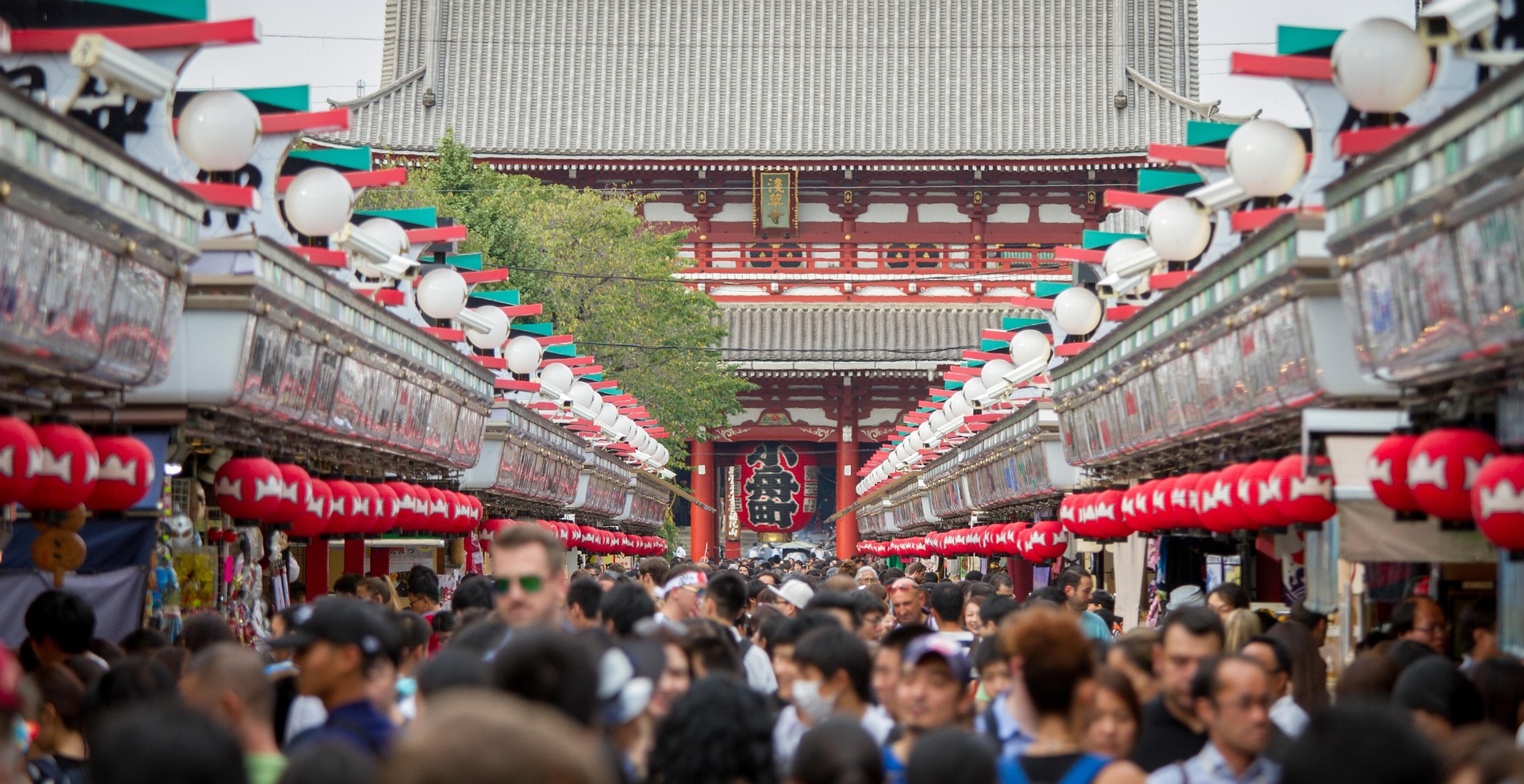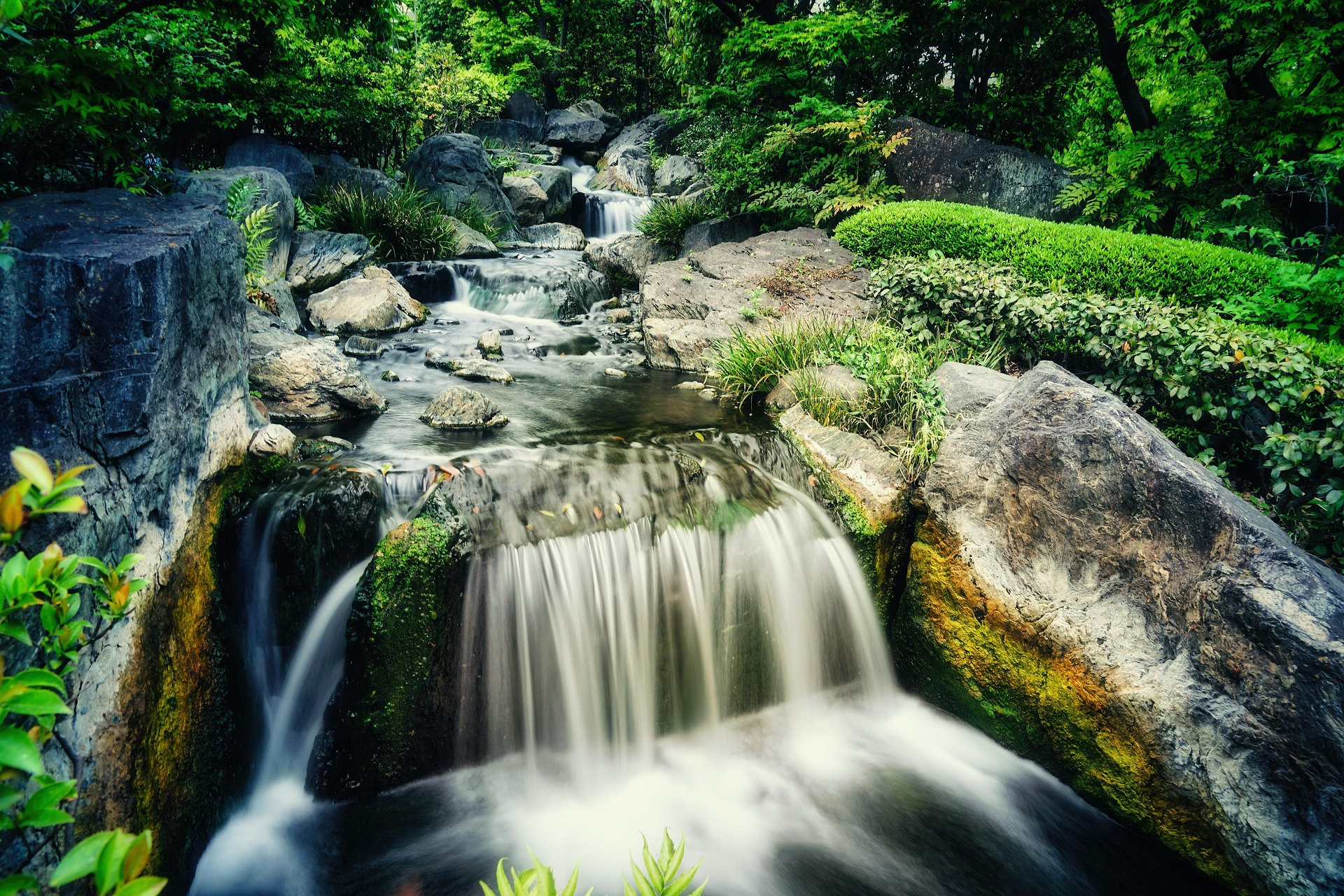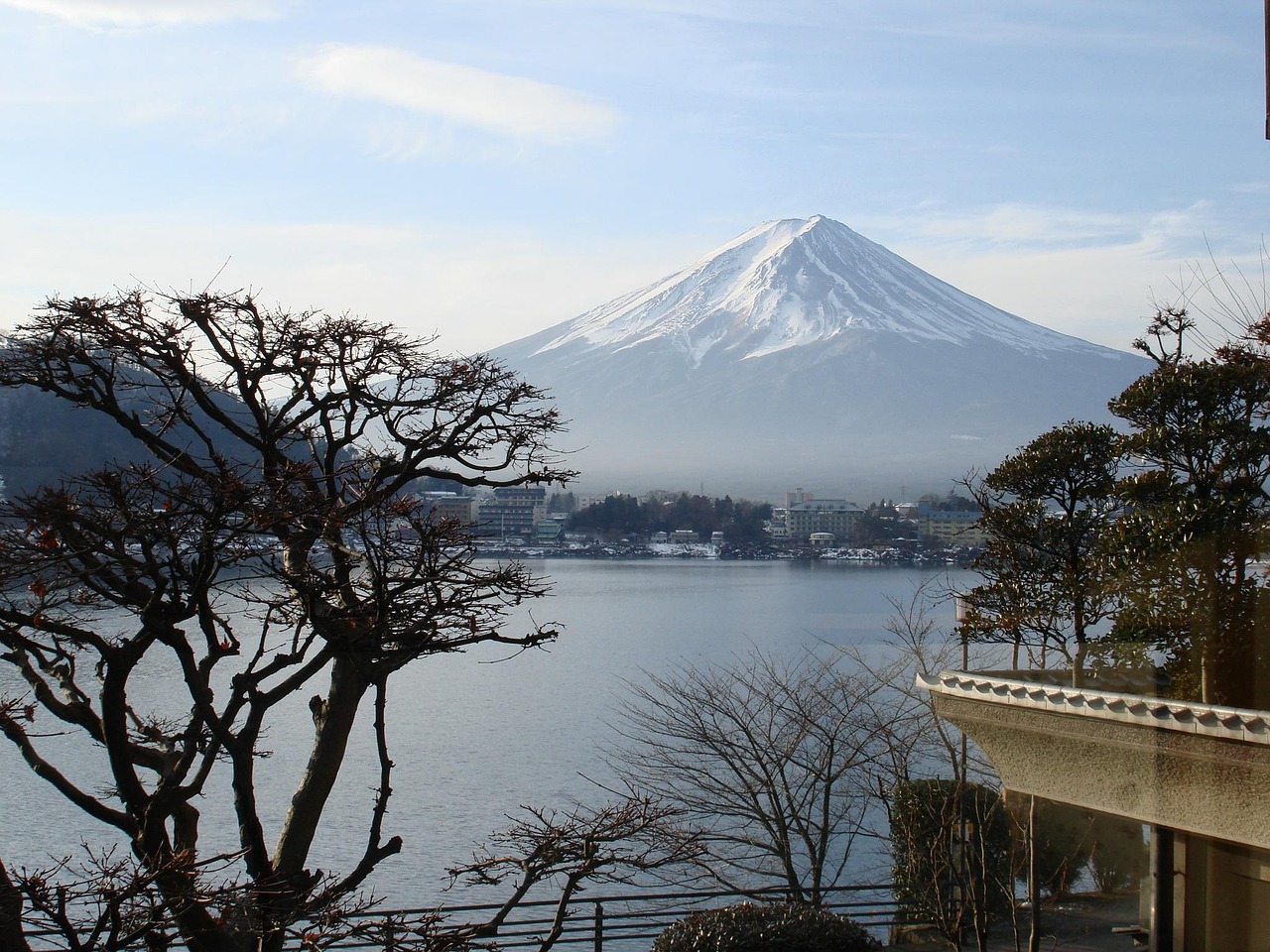

Nara in Japan rewards unhurried travel. Ancient halls sit quietly beyond ponds, the call of deer bells drifts across mossy lanterns, and side streets in Naramachi still carry the scents of soy and cedar. Plan it well and you can step straight from your hotel to the park in minutes, or ride a quick train for temple-hopping across the prefecture. This guide brings together where to stay, how to move around, and how to shape a multi-day visit in 2026 that balances cultural depth with easy logistics.
If you’re coming from Kyoto or Osaka, Nara can feel like a breath of calm. Keep a flexible plan, build in room to wander, and the city gives more back than you expect.
Recommended Hotels in Nara
Nara offers a diverse range of accommodation options to suit every budget and travel style. Whether you’re planning a short visit or an extended stay, you’ll find choices that balance comfort, convenience, and local character. Here’s an overview of the main types of accommodation, with typical price ranges to help you decide:
-
Standard Hotels/Budget Business Hotels: Ideal for travellers seeking practicality and value. These are usually located near train stations or in the city centre, making transportation easy. Prices typically range from ¥7,000 to ¥15,000 per night for single or double occupancy.
-
Airbnb/Guesthouses: Perfect for those wanting a local experience or travelling with family and friends. Prices vary widely, starting from around ¥6,000 per night and going up to ¥20,000 or more depending on the property and location. Many guesthouses are situated in Nara’s historic districts, offering easy access to major attractions on foot.
-
Luxury Hotels/High-End Ryokan: For travellers seeking comfort, traditional ambience, or a special occasion, luxury hotels and traditional Japanese inns (ryokan) are excellent choices. Many offer on-site hot springs and kaiseki dining. Expect to pay ¥25,000 per night and up, with premium experiences and amenities.
Tips for choosing the best location:
-
If your main focus is sightseeing around Nara Park, Todai-ji, and Kasuga Taisha, stay near Nara Park or Kintetsu Nara Station for easy walking access to the city’s top sights.
-
If you plan to take day trips to Kyoto, Osaka, or Horyu-ji, consider accommodation near JR Nara Station for seamless train connections.
-
For those driving, look for hotels in the Heijo area or on the city outskirts, where parking is more convenient and rooms tend to be more spacious.
Booking advice:
Nara’s accommodation fills up quickly during peak seasons such as cherry blossom, autumn foliage, and the Wakakusa Yamayaki Fire Festival. It’s best to book 2–3 months in advance for these periods, especially for family rooms or unique guesthouses, as popular options sell out early. During off-peak times, booking about a month ahead is usually sufficient.
No matter which type of accommodation you choose, prioritise convenience and proximity to your planned activities—this will make your stay in Nara smoother and more enjoyable.

Navigating Nara City
A clear Nara city map does much more than name streets. It helps you see the way districts knit together: the temple belt around Nara Park, the lattice lanes of Naramachi, the museum cluster close to Kofuku-ji, and the wide historical field of the Heijo Palace site. Grab a paper map at the tourist centre, or download a Nara city Japan map layer on your preferred app for offline use.
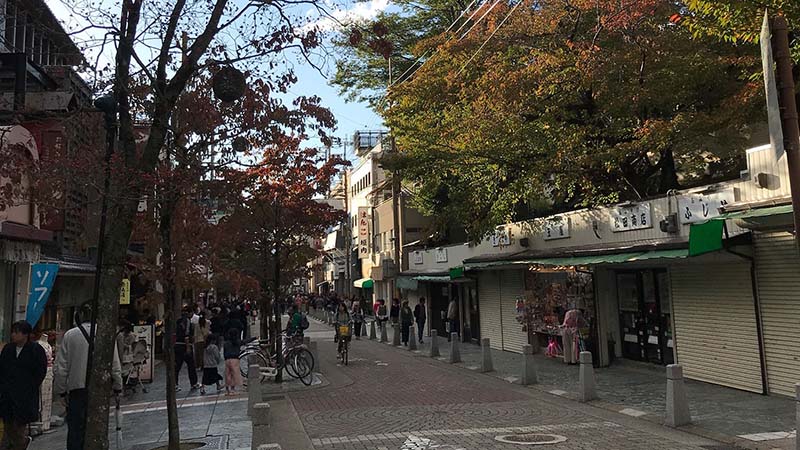
Rail Gateways: Kintetsu vs JR Nara Station
-
Kintetsu Nara Station: Closest to Nara Park, Naramachi, and Kofuku-ji—perfect for sightseeing on foot.
-
JR Nara Station: Better for regional train connections and easier luggage handling, especially if you’re arriving from Kyoto or Osaka.
Getting Around: Walking, Cycling, Bus, and Taxi
-
Walking:
-
Kintetsu Nara Station to Kofuku-ji: 5–10 minutes
-
Kintetsu Nara Station to Todaiji Daibutsuden: 25 minutes
-
Kintetsu Nara to Kasuga Taisha: 30 minutes
-
JR Nara Station to Naramachi: 10–15 minutes
-
Bus:
-
Kintetsu Nara to Todaiji: 10 minutes
-
JR Nara to Heijo Palace Site: 15 minutes
-
City loop buses run frequently and announce stops in English. A day pass is good value if you plan multiple rides.
-
Taxi:
-
Readily available at both stations and near major temples. Convenient for short hops or when travelling with luggage.
-
Cycling:
-
Great for reaching Heijo Palace and the outer parks. Always park in designated racks.
Map and Navigation Apps
-
Google Maps (offline mode): Essential for navigating if you lose data signal inside temple grounds.
-
Navitime & Jorudan: Offer accurate train and bus timetables in English.
-
Pro Tip: Save pins for toilets, shaded rest spots, and vending machines—Nara’s summer heat and winter winds can be intense.
With a little planning and the right tools, getting around Nara is smooth, enjoyable, and full of discovery.
Quick Primer: Top Sites & Multi-Day Itinerary in Nara
Nara’s iconic landmarks deserve unhurried exploration, while its quieter corners add depth and texture to your memories. To truly experience the city, consider staying two or three nights—this allows you to balance headline sights with hidden gems, and set a comfortable pace for families or anyone seeking a richer journey.
Core Sights in Nara
-
Todaiji Daibutsuden: Home to the Great Buddha, a must-see early in the day before crowds arrive. Don’t miss the walk up to Nigatsudo for sweeping city views.
-
Kasuga Taisha: Famous for its stone lantern avenues and tranquil inner gardens. The atmosphere transforms during lantern festivals.
-
Kofuku-ji: Admire the five-storey pagoda and explore the National Treasure Hall, both central to Nara’s history.
-
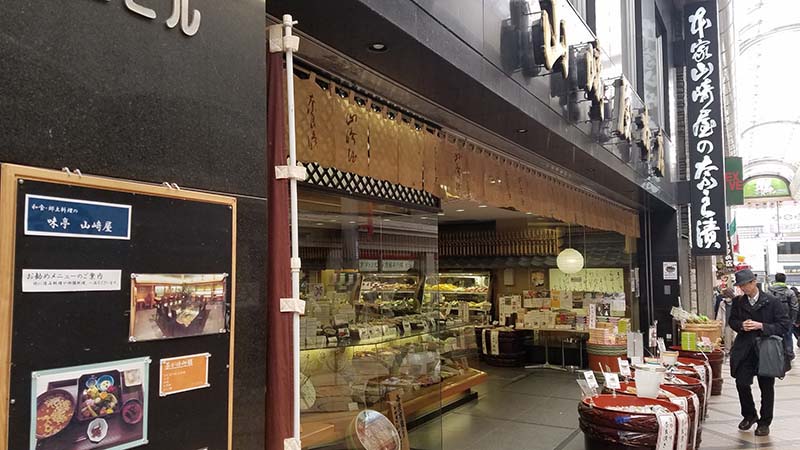
Naramachi: Wander the historic lattice-front streets, visit a machiya (traditional townhouse) museum, and enjoy a tea break in a local café.
-
Heijo Palace Site: Explore the vast historical grounds, including the reconstructed Suzaku Gate and interpretive buildings.
-
Yakushiji & Toshodaiji: Renowned for their Buddhist sculpture and peaceful temple precincts, best visited in the soft light of late morning.
-
Horyu-ji (Ikaruga): One of the world’s oldest wooden temple complexes, rich in history and architectural beauty.
-
Mount Wakakusa: Offers gentle hiking and panoramic views over Nara city.
-
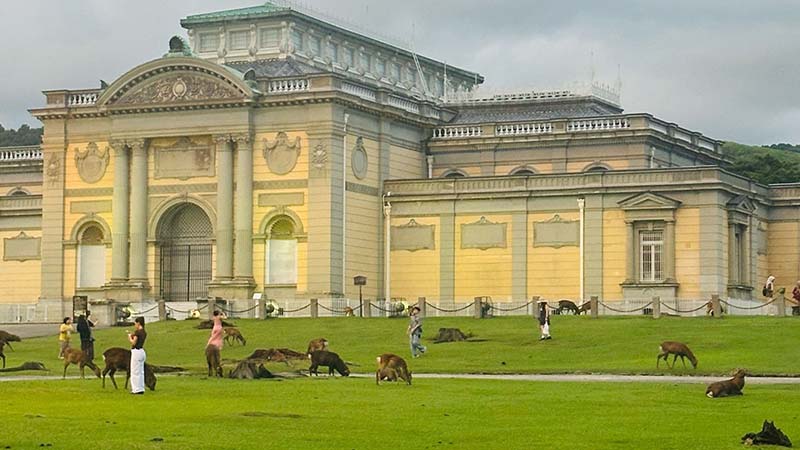
Nara National Museum & Neiraku Art Museum: For those interested in art, history, and culture.
Sample Three-Day Itinerary
Day 1: Parks and Classics
-
Kofuku-ji pagoda and National Treasure Hall
-
Todaiji Great Buddha Hall and Nigatsudo
-
Lunch in Naramachi
-
Kasuga Taisha in the late afternoon
-
Evening stroll by Sarusawa Pond
Day 2: Palaces and Temples
-
Heijo Palace site and Suzaku Gate
-
Yakushiji and Toshodaiji
-
Horyu-ji in Ikaruga
-
Dinner at a local izakaya
Day 3: Crafts, Nature, and Local Culture
-
Tea ceremony or calligraphy class in Naramachi
-
Mount Wakakusa hike
-
Nara National Museum or Neiraku Art Museum
-
Dinner in a traditional ryotei or ramen near the station
Day Trips and Regional Connections: Nara, Kyoto, and Osaka
Nara’s location makes it easy to combine with Kyoto and Osaka for a richer travel experience. Here’s how to make the most of regional connections:
From Kyoto to Nara:
-
Kintetsu Limited Express: ~35 minutes from Kyoto Station to Kintetsu Nara
-
JR Miyakoji Rapid: ~45 minutes from Kyoto to JR Nara Station
From Osaka to Nara:
-
Kintetsu Line (Osaka Namba): ~40 minutes to Kintetsu Nara—central and convenient for sightseeing
-
JR Rapid Service (Osaka Station): ~50 minutes to JR Nara Station
With smart planning, you can enjoy the best of Nara, Kyoto, and Osaka, making your journey both efficient and memorable.
Dining and Local Experiences
Nara’s dining scene doesn’t shout. That suits the city. You’ll find seasonal kaiseki in traditional inns, quiet tofu houses with decades-old recipes, and casual noodle counters near both stations. Local sake from Nara Prefecture pairs beautifully with grilled river fish and mountain vegetables.
A compact shortlist to save in your map:
-
Kaiseki near the park for a slow multi-course dinner after sunset deer watching
-
Soba mills in Naramachi that serve chilled noodles and tempura with local salt
-
Izakaya lanes west of Kintetsu Nara Station for skewers, pickles, and sake flights
-
Coffee roasters tucked into machiya buildings that double as light lunch spots
-
Sweet shops selling kusamochi and persimmon treats, easy to pack for the train
Many restaurants take reservations by phone rather than apps. Ask your hotel front desk to book the day before. It makes a real difference on Fridays and Saturdays.
When to Visit and Seasonal Highlights
Every season changes how Nara feels underfoot, what you wear, and where you linger. Heat and humidity lift in late September. Camellias blaze quietly in winter courtyards. Spring and autumn fill camera rolls, but summer evenings can be magic with fewer crowds.
|
Season |
Typical weather |
What shines |
Practical tips |
|
Spring (Mar to May) |
Mild, fresh greens |
Cherry blossoms at Heijo and around Nara Park, temple gardens |
Book early, carry a light jacket for evenings |
|
Summer (Jun to Aug) |
Warm to hot, humid, rainy spells |
Lush forest paths, evening walks, hydrangea at temples |
Start early, schedule midday breaks, hydrate often |
|
Autumn (Sep to Nov) |
Clear and crisp from late Sep |
Maple reds at temple grounds, golden ginkgo near museums |
Peak weekends are busy, consider weekday visits |
|
Nara Winter (Dec to Feb) |
Cold, bright skies, occasional snow dusting |
Clean air, fewer crowds, Wakakusa Yamayaki in late Jan |
Warm layers, enjoy onsen hotels, shorter daylight |
Nara Winter sits apart for many travellers. The air feels crystal clear around Todaiji and the stone corridors amplify each footfall. Cafes glow warm in Naramachi and hotel baths become an evening highlight. If you time your visit for Wakakusa Yamayaki, place yourself on the east side of the park near the museum or further south around Ukimido for a balanced view of the hillside burn and fireworks.
A note on respect for place
Nara’s calm isn’t accidental. Monks sweep stone steps before dawn. Volunteers monitor the health of the deer. Shopkeepers prop open their doors to share air and conversation. Give patience to the city and it gives it back. Keep paths clear, offer a nod to a passing priest, and pocket your rubbish if bins are full.
With that spirit and a smart plan, your time in Nara in Japan can mix grand history with soft quiet, a hot bath with cold night air, and a single day with memories that keep pulling you back.
Want more Japan travel itineraries? Click here
If you have any other questions, feel free to click here and get in touch with us.
If you need a personalized travel plan, feel free to click here and let us help you.