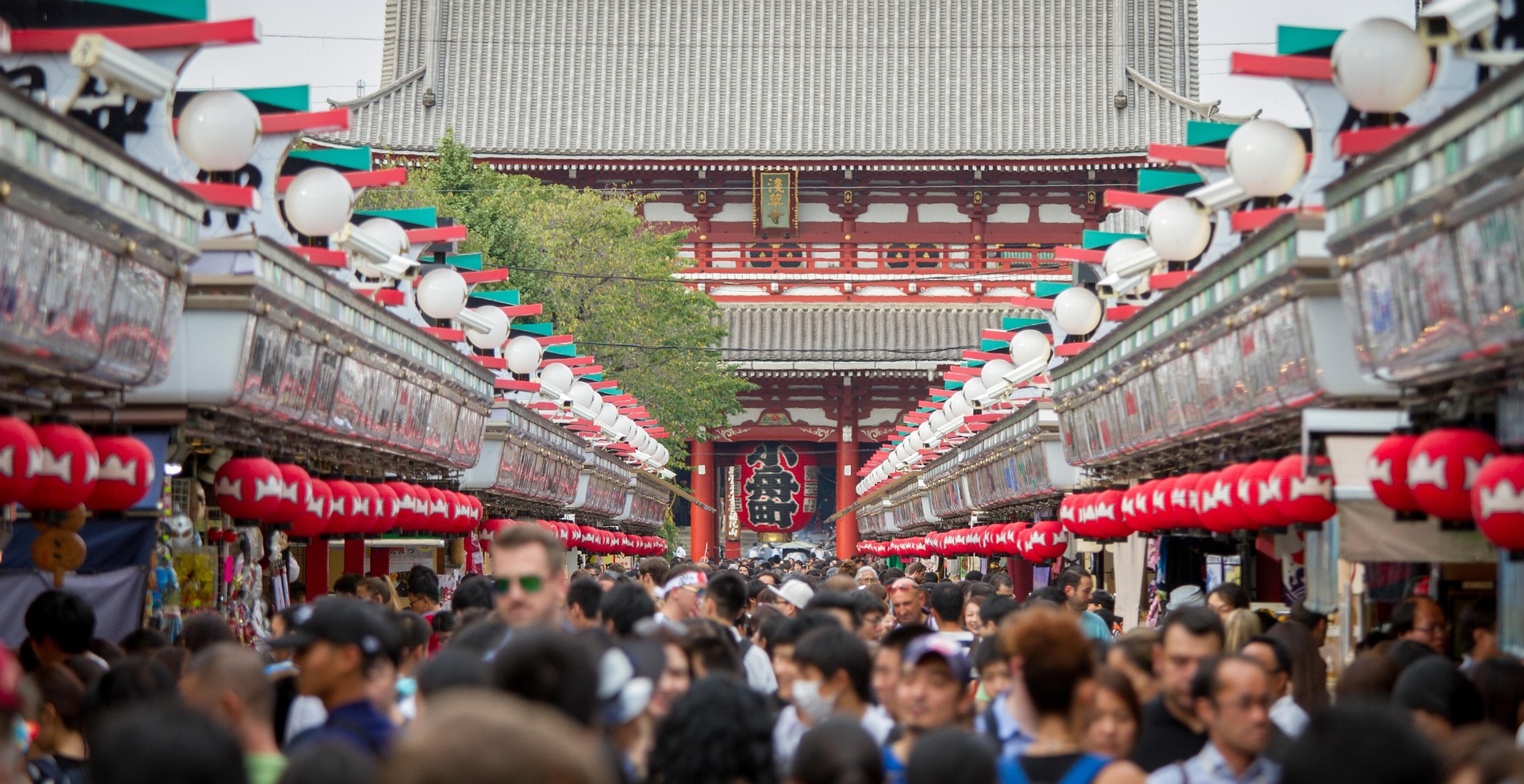
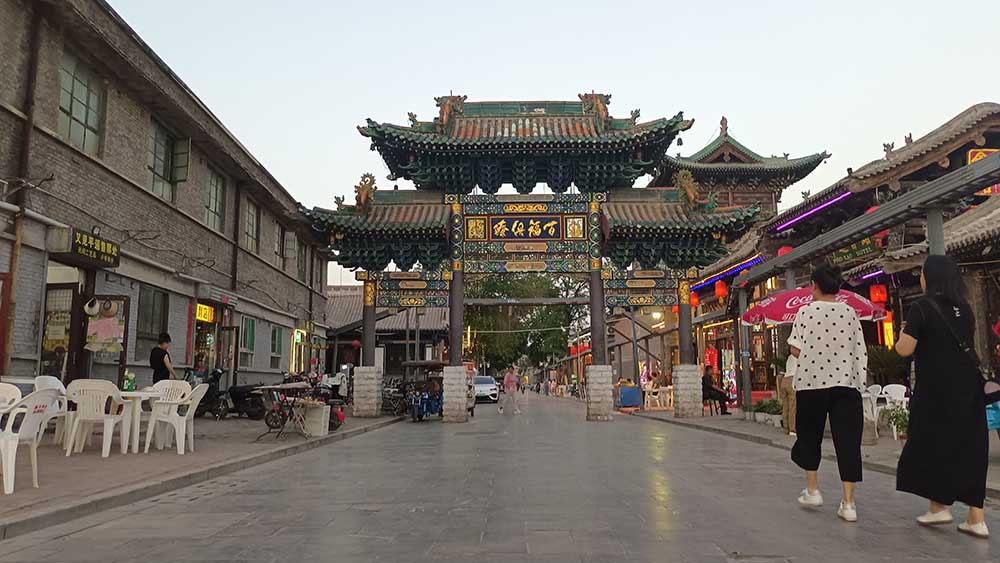
Dawn seeps over the ramparts and the ancient lanes of Pingyao wake to the sound of broom bristles and kettle lids. Red lanterns sway over grey brick. Shopkeepers lift timber shutters with the ease of habit. In this quiet hour, Pingyao Ancient City feels less like a tourist favourite and more like a working town that simply kept its Ming and Qing bones intact.
Set in the heart of Shanxi, this walled settlement holds a rare unity of streets, courtyards and guild halls that once powered finance across northern China. Pingyao Ancient Town is not a museum frozen in resin. Daily life and heritage sit side by side. That is the privilege of visiting Pingyao Shanxi today: you get both the theatre and the backstage.
What keeps Pingyao so compelling
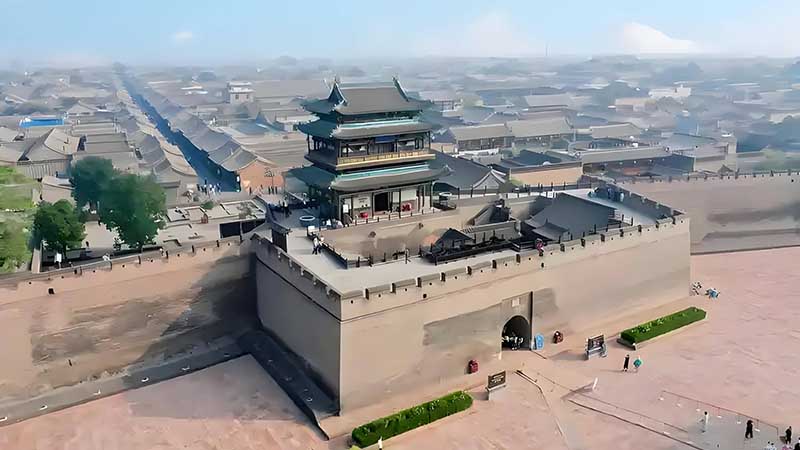
Pingyao City retains its full Ming-era layout. Think a chessboard of lanes anchored by a main north-south artery, a stout city wall, and a rhythm of flagstone, timber and tile that rarely breaks. The wall measures about 6.4 kilometres in circumference and stands up to 12 metres high. Six gates punch through the defences, and watchtowers keep a patient eye over the rooftops.
While many towns in northern China rebuilt in concrete after war or reforms, Pingyao kept building with brick and wood, often restoring like with like. Courtyard homes still wrap around open skies. Businesses operate from original front rooms. At street level it feels cohesive, not recreated.
There is a second layer of interest too. Pingyao China helped invent modern banking at a time when caravans still hauled silver under tight guard. Merchants here built remittance networks that stitched together far-flung markets. Step into a draft bank and you can picture accounts being settled by brush and seal.
Essential sights inside the walls
The City Wall
Make time for a full circuit. Entry is usually through one of the gate towers once you hold the combined ticket. The surface varies between packed earth and brick, with stretches that feel older than the rest of the town combined. The corners, especially near the South Gate, give a sweeping view of Pingyao Ancient City China.
-
Best light: early morning from the east side, late afternoon from the west
-
Length: about 6.4 km
-
Bike hire may be offered seasonally, though walking is more reliable and kinder on the pavements
Rishengchang Draft Bank
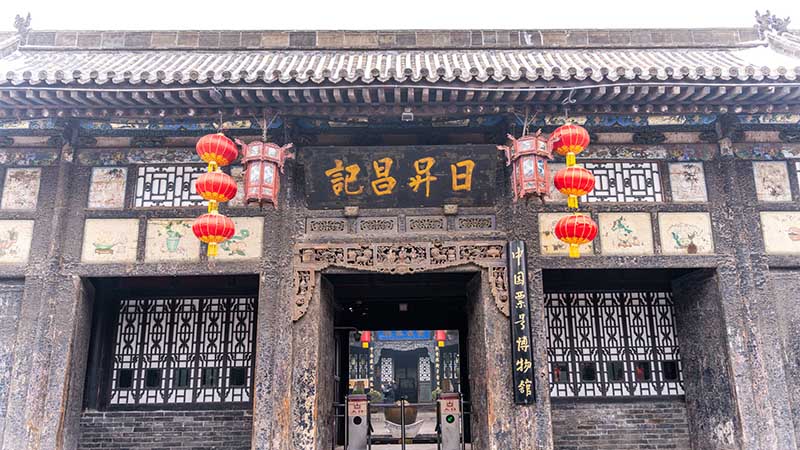
Often called China’s first bank, Rishengchang opened in 1823 and created a system of drafts that let merchants move money without lugging silver. The courtyards here thread from public banking halls to private ledgers, then onward to safe rooms and staff quarters. Look for the maps of branches across China and the training rules that moulded apprentices into trusted clerks.
It is not only about vaults. The exhibits show how Pingyao’s business families built networks of marriage, credit and reputation. For many visitors, this is where the city’s story becomes three-dimensional.
The County Government Office, or Yamen
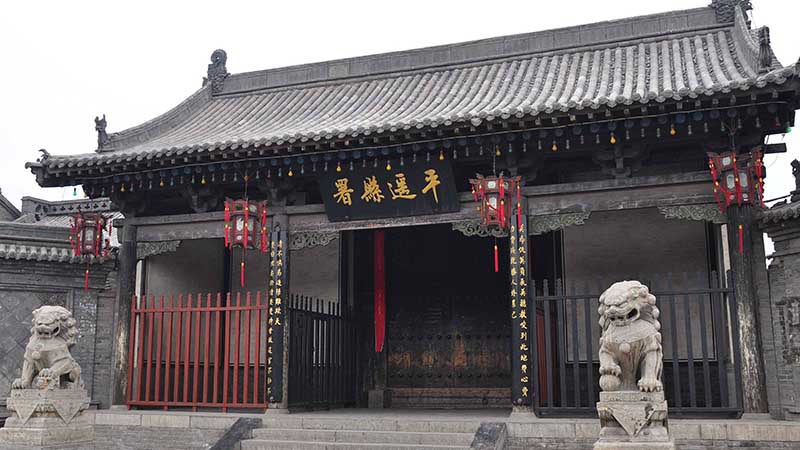
Power wore a plain face. The yamen’s thick doors lead to courtyards with court benches, prison cells and drum towers for public announcements. Guided talks bring out the code of the day, and if you catch a short re-enactment you will see how justice and ceremony intertwined. It is a candid look at administration in a pre-modern walled city.
City God Temple and the Confucian Temple
The City God Temple holds a striking procession of statues, lanterns and smoke-blackened beams. It is the beating heart of civic belief, where locals still tie prayers to railings and buy small offerings at dusk.
The Confucian Temple, by contrast, has a scholarly serenity. The layout funnels you toward the main hall and the stelae forest, with calligraphy panels that hark back to exam culture. Together they explain how Pingyao balanced ethics, bureaucracy and faith.
Museums that round out the story
-
Armed Escort Agency Museum: Caravans hired these specialists when roads were long and bandits motivated. Expect weapons, uniforms and contracts that read like life insurance.
-
Chamber of Commerce halls: Guild spaces for merchants from specific regions. They served as business clubs, hostels and places to settle disputes.
-
Traditional homes: Step through side lanes to visit courtyard residences, some with kang bed platforms and intricate lattice screens.
Ming and Qing Street
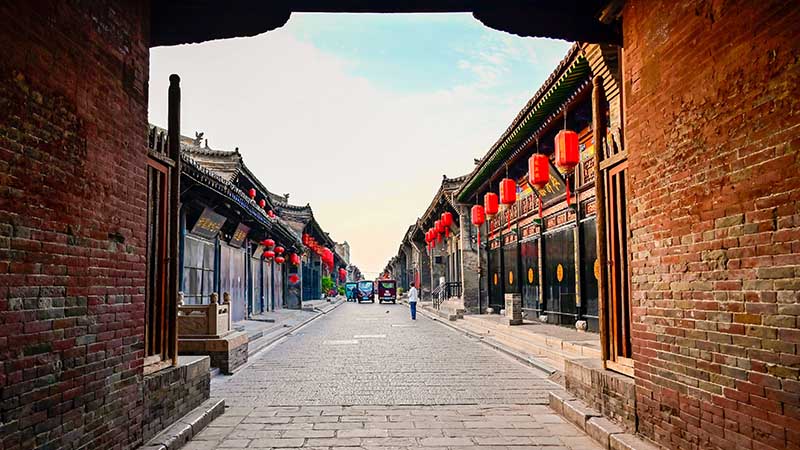
The main drag in Pingyao Ancient Town carries a straight shot from gate to gate. At first glance it is souvenir central. Slow down and you will notice old guild signs, tea houses with century-old ledgers on display, and vinegar shops offering tastings. Turn off into a side alley and you will find the quieter rhythm of washing lines and pigeon coops.
"Farewell Pingyao" Performance
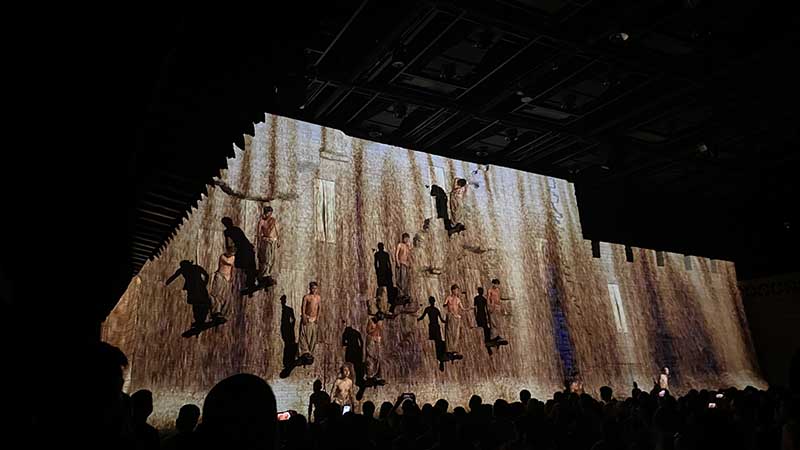
For an immersive journey through time, don’t miss the acclaimed “Farewell Pingyao” performance. This innovative live show transports you back to ancient Pingyao, blending theatre, dance, and multimedia to recreate the city’s vibrant past. Audiences move through different scenes, experiencing history alongside actors in close, interactive settings. It’s a rare opportunity to step into the story, connect with performers, and witness Pingyao’s legacy come alive before your eyes.
A flexible 3-day plan that actually fits
Two full days suit many travellers. Three gives you room for side trips without rushing. Here is a practical outline that keeps distances short.
-
Day 1
-
Morning: City Wall from South Gate, continue clockwise to the East Gate
-
Midday: Rishengchang Draft Bank and nearby merchant courtyards
-
Late afternoon: Yamen visit, tea break on Ming and Qing Street
-
Evening: Lantern-lit walk, vinegar tastings, small bites
-
Day 2
-
Morning: Confucian Temple, City God Temple
-
Late morning: Armed Escort Agency Museum
-
Afternoon: Quiet lanes west of the main street, paper-cutting or lacquer workshop
-
Evening: Experience the immersive “See Pingyao Again” performance, where you step into ancient Pingyao and interact closely with the actors as history unfolds around you.
-
Day 3
-
Half-day side trip to Shuanglin Temple or Zhenguo Temple
-
Return for a slow lunch and last look at the shops you earmarked
If you prefer someone else to sort the logistics, a specialist like Three Bears Travel can arrange station transfers, entry tickets and local guides so your time stays focused on the places rather than the queue.
When to go, weather and crowds
Pingyao’s winters are dry and cold, with bright skies and razor-sharp air. Summer can be warm with afternoon showers. Spring and autumn offer mild days, crisp evenings and long golden hours that flatter the brickwork.
|
Season |
Typical highs |
Rain |
Crowd level |
Why pick it |
|
Mar to May |
12 to 22°C |
Low to moderate |
Moderate |
Blossom, clear light, pleasant walking |
|
Jun to Aug |
24 to 30°C |
Highest |
High during holidays |
Long days, night markets in full swing |
|
Sep to Oct |
15 to 23°C |
Low |
High during festivals |
Photography festival, glowing autumn skies |
|
Nov to Feb |
-5 to 8°C |
Very low |
Low |
Quiet lanes, icy clarity, bargain stays |
Avoid the first week of May and the first week of October unless you thrive on energy and lines. Chinese New Year brings firecrackers, closures and bold colour. It is atmospheric, though some sites may shorten hours.
Getting there without fuss
-
High-speed rail: Aim for Pingyao Gucheng Station. It sits about 10 km from the Ancient City, a 20 to 30 minute taxi ride. From Beijing West it is around 4 hours, from Xi’an North about 3 hours, from Taiyuan South 40 to 60 minutes.
-
Conventional trains: Pingyao Railway Station is closer to the old town and works for regional services.
-
By air: Fly into Taiyuan Wusu Airport. The road run to Pingyao City takes 1.5 to 2 hours depending on traffic.
Arrivals are straightforward. Book a hotel pick-up or use the official taxi queue. Rideshare apps operate in Shanxi, though a quick call from your hotel can be easier if you do not speak Mandarin.
Inside the walls, walking is king. The settlement is compact and level. Small electric carts shuttle between gates and the main street. Bikes are fine on most lanes, but be mindful of pedestrians and cobbles. Keep speeds gentle, especially near shopfronts.
Tickets, passes and language
The combined ticket for Pingyao Ancient City covers entry to most key sites, usually including the city wall. Expect to pay around 125 RMB in peak months and a bit less in the off-season. Bring your passport or ID when buying tickets at the gate. Some hotels can pre-arrange entry to save time.
Signage is decent in English at major attractions. Guides add depth, particularly at Rishengchang and the yamen. If you prefer an English-speaking guide, confirm language level in advance.
Food and drink you will talk about later
Shanxi is noodle country and vinegar country. That mix alone can carry a trip.
-
Dao xiao mian: knife-cut noodles tossed with meat sauce or tomato and egg
-
Saozi noodles: tangy broth with diced pork and tofu
-
Pingyao beef: spiced and braised, served cold with mustard dip
-
Youmian kaolao lao: steamed buckwheat cake, lightly sweet or savoury
-
Cat ear pasta: small ear-shaped dough bites, often stir fried
Look for noodle houses where the cook works in full view. Vinegar tasting rooms explain aging times and grain types. If you enjoy a sip with dinner, try local yellow wine served warm in winter.
Coffee has made inroads. A handful of courtyards now host roasters with small-batch beans. Keep an eye out for quiet gardens behind shops where a flat white comes with birdsong.
Festivals and evening culture
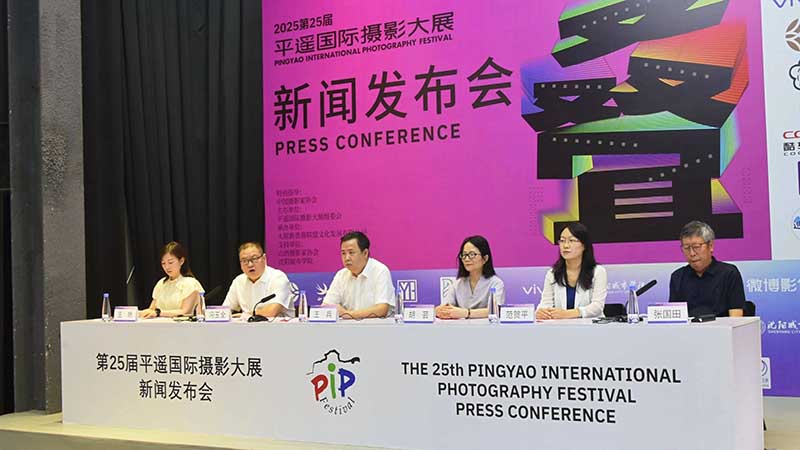
September usually brings the Pingyao International Photography Festival, when galleries and lanes fill with exhibitions. October has hosted the Pingyao International Film Festival in past years, with screenings and talks that pull in crowds. Dates can shift, so check the latest schedule before locking in your visit.
After dark, lanterns make the facades glow. Street snacks come alive, musicians turn up in teahouses, and the rhythm of sales slows to conversation. Nights in Pingyao Ancient Town feel made for wandering without a map.
Where to stay and how to pick the right corner
Inside the walls
-
Character-packed courtyard inns, many with kang bed platforms
-
Easy morning access to the city wall and main street
-
Expect creaking timbers, uneven floors and a touch of street sound
-
Porters can help with bags over cobbles, though wheels will still get a workout
Just outside the walls or near Pingyao Gucheng
-
Modern comforts and lifts
-
Simple access for taxis and early train departures
-
Fewer lanterns, more convenience
Price bands shift with season. Budget stays start near 180 to 300 RMB per room, atmospheric courtyards often sit between 400 and 900 RMB, and premium boutique courtyards can reach well above 1,200 RMB. Book early for September and October.
Side trips that complete the picture
-
Shuanglin Temple, 6 km southwest: Home to more than two thousand painted clay sculptures spanning several dynasties. Low light, intimate halls and hushed courtyards make it feel like a time capsule.
-
Zhenguo Temple, about 12 km northeast: An early wooden hall with rare murals and proportions that tell of early architectural craft.
-
Qiao Family Courtyard, roughly 35 km north: The grand merchant compound featured in films, with layered courtyards and defensive design.
-
Wang Family Courtyard, around 55 km from Pingyao City: Even larger than Qiao, with refined stone carving and a hilltop view.
A driver for a half day makes these runs simple. You can also pair Shuanglin and Zhenguo in a single morning and be back for lunch.
Where the photos take care of themselves
-
South Gate at sunrise: Long shadows rake across roof tiles
-
East wall in late afternoon: Warm light kisses courtyard trees
-
Ming and Qing Street at night: Lanterns reflected in damp flagstones after a shower
-
Confucian Temple side halls: Calligraphy panels and incense drift
-
Back lanes just after breakfast: Locals out with baskets and bicycles
Carry a small tripod if you enjoy blue-hour shots. Some sites restrict tripods indoors, so be ready to shoot handheld. Respect requests from residents who prefer not to be photographed at their doorsteps.
Money, payments and staying connected
Cash still works, though change can be limited at small stalls. WeChat Pay and Alipay are widely accepted across Pingyao Ancient City, and both apps now allow many international cards. Keep a little cash on hand for snacks and small museums.
Mobile coverage is strong in town. Pocket Wi-Fi or an eSIM makes map use and translation smooth. Public toilets are signed clearly and are reasonably frequent along the main lanes. Carry tissues and hand sanitiser just in case dispensers are empty.
Etiquette and small courtesies
-
Temples: Dress modestly, speak softly, no flash photography near altars
-
Homes and museums: Do not climb on lintels or sit on antique furniture
-
Waste: Use bins, carry a refillable bottle, and say no to extra bags at shops
-
Traders: Haggling is part of the game in markets, but keep it friendly
Costs at a glance
-
Combined heritage ticket: about 125 RMB in peak season
-
City electric cart rides: 10 to 30 RMB depending on distance
-
Noodle bowl in a local shop: 20 to 40 RMB
-
Coffee in a courtyard cafe: 25 to 45 RMB
-
Taxi from Pingyao Gucheng to the South Gate: 25 to 40 RMB
-
Half-day driver for temples outside town: 200 to 400 RMB, car type and language affect price
Prices vary by season and venue, but these figures give a fair baseline.
Short, smart planning tips
-
Aim for two nights. Arrive by lunch on day one, leave after breakfast on day three, and you will feel you had all the time you needed.
-
Keep mornings wide open for wall walks and big-ticket sites, then save workshops and cafes for midday heat or chill.
-
Pre-book tickets during major holidays and festival weeks. Lines can stretch at the main gates.
-
Wear trainers with grip. Flagstones can polish to a slick sheen after rain or frost.
-
If your bags are heavy, ask your hotel to arrange a porter or cart pick-up at the nearest gate.
Working with a trusted organiser
Pingyao rewards independent wandering, yet the logistics can be fiddly if you are juggling trains, temple hours and festival crowds. A planner like Three Bears Travel can take care of station meet-and-greet, curated guides for Rishengchang and the yamen, and timed entries during busy weeks in Pingyao Ancient City. That leaves you free to soak in the rhythm of Shanxi Pingyao without clock-watching.
Pingyao Ancient City holds its spell not through one headline sight but through the way everything still fits together. Walk slow, look up, and let the lanes tell their story.
FAQ: Visiting Pingyao Ancient City
Exploring Pingyao Ancient City offers a magical blend of history and culture. This FAQ addresses common questions to help you navigate your trip.
What is Pingyao known for?
Pingyao is renowned for its remarkably preserved Ming and Qing dynasty architecture and was pivotal in the birthplace of modern banking in China.
How long should I stay in Pingyao?
A 2–3 day visit is ideal to experience the key sights, local culture, and culinary delights.
When is the best time to visit Pingyao?
Visit during spring (March to May) or autumn (September to October) for pleasant weather and smaller crowds.
How do I get to Pingyao?
High-speed trains to Pingyao Gucheng Station or flights to Taiyuan Wusu Airport followed by a short drive to Pingyao are convenient options.?
Yes, guided tours, particularly by specialists like Three Bears Travel, enhance understanding and streamline logistics.
Can I use digital payments in Pingyao?
WeChat Pay and Alipay are widely accepted, and many locations also accept cash. A few traditional stalls might require cash.o?Try local delicacies such as dao xiao mian (knife-cut noodles), Pingyao beef, and vinegar-based dishes.
Is accommodation available inside the ancient city?
Yes, staying in the ancient city is popular for its charm and convenient access to attractions, ranging from affordable inns to luxury courtyard hotels.
Want more China travel itineraries? Click here!
If you have any other questions, feel free to click here and get in touch with us.
If you need a personalized travel plan, feel free to click here and let us help you.