Shanghai wears its past in brick and stone while reaching skyward in glass. The old lilong lanes and shikumen courtyards still breathe under plane trees, even as new icons redefine the skyline. Step into a city that rewards slow observation as much as grand spectacle. A stroll can fold a century into a single afternoon.
You do not need to chase every landmark to feel the depth here. Pick a few places, linger a while, and let conversations, small bites and sidelong views fill the gaps. History in Shanghai is not tucked away. It lives in façades, ferry rides, dumpling shops, and quiet temple halls where incense curls all day.
Shanghai’s Rich History and Culture
Shanghai’s story reads like a tide chart. Foreign concessions, mercantile booms, revolutions, art studios, fashion houses, tech labs. Each wave leaves traces. You can read them along The Bund, in the French Concession Shanghai, through Yuyuan Garden Shanghai China and in the collections at Shanghai Museum. The past is not frozen. It is threaded through daily life.
The Bund and Shanghai Skyline
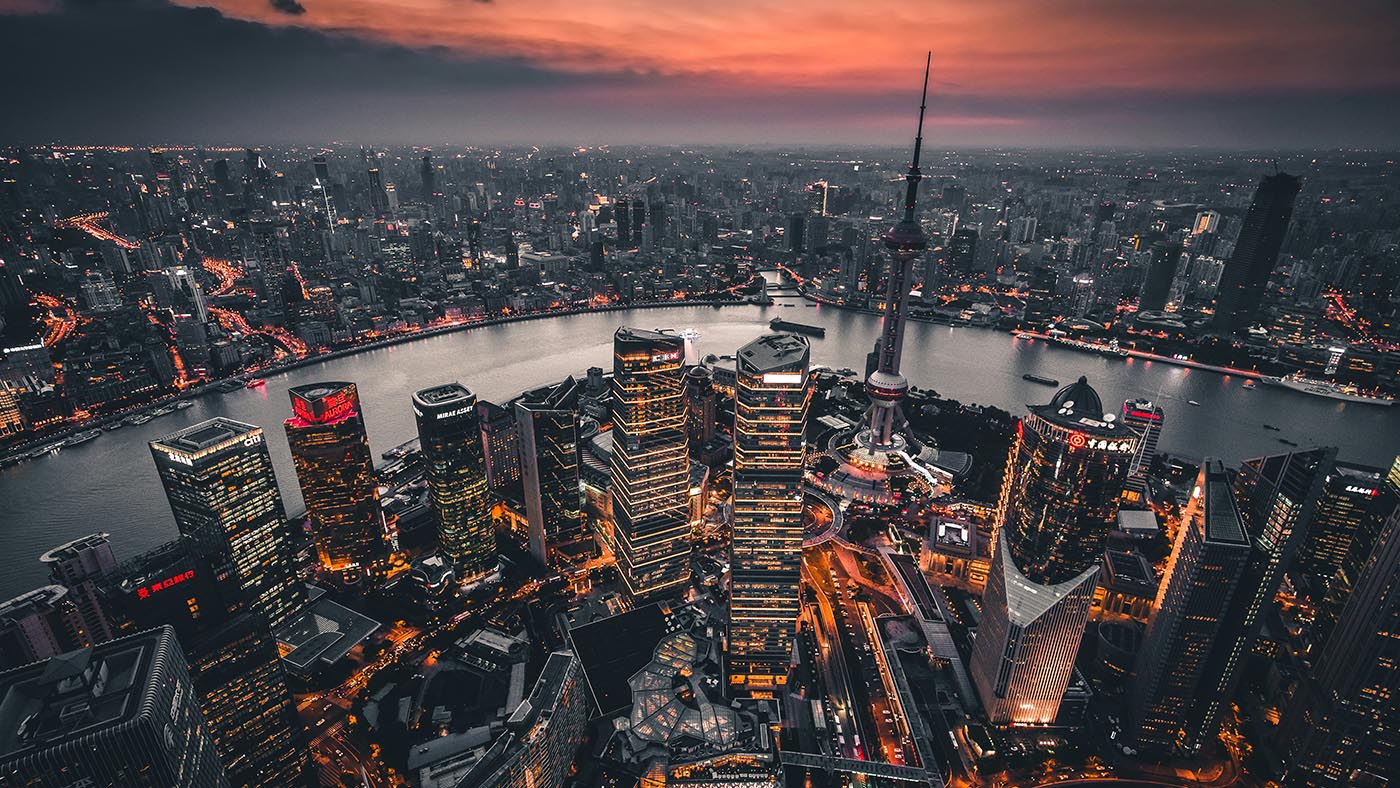
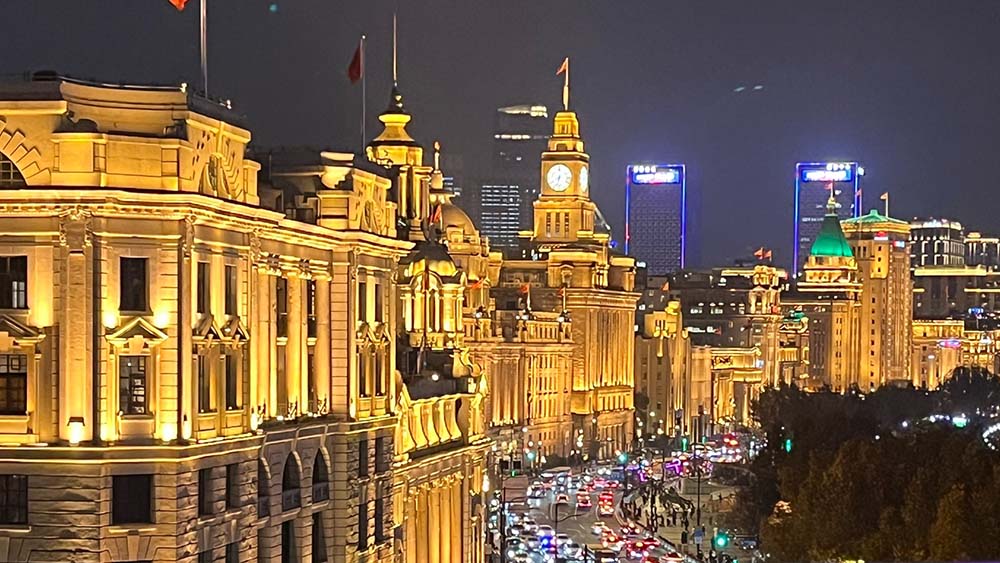
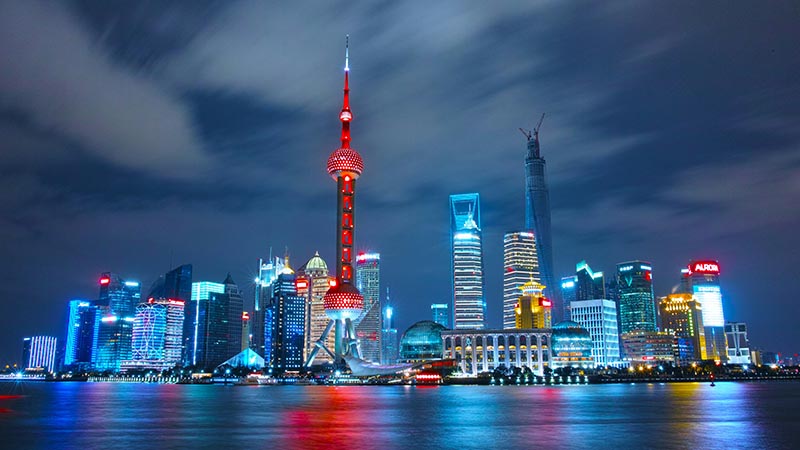
The Bund Shanghai is a promenade that frames both sides of Shanghai’s identity. On your left, grand banks and trading houses stand in orderly pride, a European skyline cast in Huangpu mud and marble. Across the river sits the theatre of tomorrow: Shanghai Tower China rising in a spiral, the needle of Oriental Pearl Tower Shanghai, and the angular elegance of Jin Mao Tower Shanghai.
Walk the riverfront in either direction. Start near Waibaidu Bridge to see where the Suzhou Creek spills into the Huangpu, then head south past the domes and colonnades. Plaques on many buildings give a brisk history lesson. A short ferry crossing to Lujiazui puts you under the trio of landmark towers within minutes, often with shorter queues than the tourist tunnels.
Even with its grandeur, The Bund is surprisingly human. Street photographers chat with brides holding bouquets. Seniors practise tai chi on quiet mornings. Children chase bubbles as cargo ships slide by. A simple bench can be the best seat in the city.
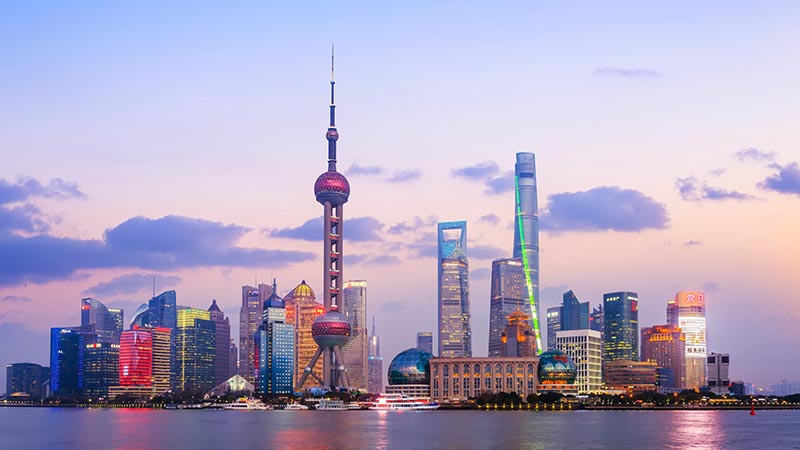
Photo Spots and Best Views
-
Sunrise along the north Bund brings soft light on stonework and near-empty paths.
-
Sunset from the south Bund gives mirror-like reflections of Shanghai Bund China on the water.
-
Waibaidu Bridge frames the skyline with a lattice of steel.
-
The river ferry offers a low-cost moving viewpoint, ideal for short video clips.
-
North Bund greenways are less crowded, with broad angles on the skyline.
-
Rooftop terraces near the Customs House clock tower reward patient golden-hour waits.
A quick guide to vantage points
|
Viewpoint |
What you’ll see |
Best time |
Handy tip |
|
Bund promenade central |
Classic skyline plus historic façades |
Early morning or blue hour |
Bring a small tripod and stand back from the railings |
|
Waibaidu Bridge |
Geometric foreground with towers beyond |
Sunrise |
Work the corners for leading lines |
|
Ferry deck |
Eye-level river perspective |
Late afternoon |
Position starboard to catch the towers on approach |
|
North Bund riverside |
Wider views with fewer people |
Weekdays |
Scout for reflections after rain |
|
Lujiazui Park |
Skyscrapers across a small lake |
Mid-morning |
Use the water as a natural mirror |
French Concession & Old Shanghai
Under the dappled shade of Wukang Road and Huaihai Road, history feels close enough to touch. The French Concession Shanghai is known for leafy streets, low-rise lanes and cafés that occupy old villas. Architecture ranges from art deco to Spanish revival, stitched together by lilong alleys that lead to shikumen courtyards.
Xintiandi Shanghai presents a polished take on this fabric, with restored shikumen blocks now home to restaurants and galleries. If you prefer something quieter, slip down a side street toward Ferguson Lane Shanghai, where balconies drip with ivy and independent studios line the mews. Sit with a coffee and listen. The clink of cups, the rustle of leaves, a bicycle bell. Old Shanghai never feels far away in this neighbourhood.
Cluster your wander around a few streets rather than trying to cover it all. Wukang Mansion sits at a photogenic fork in the road. The lilong off Sinan Road offer intimate lanes where cats doze at doorways. Follow your curiosity, but keep a gentle pace. Residents still live here, and a nod goes a long way.
Hidden Gems of the Concession
-
Small lane museums and exhibit houses reveal shikumen life, from timber beams to stone gate carvings.
-
Bookstores in converted villas carry design titles and local photography, perfect for a quiet break.
-
Pocket gardens behind iron gates often open mid-morning, offering a green interlude.
-
Weekend craft markets pop up around Anfu Road, with ceramics and textiles by local makers.
-
Bakeries housed in old apartments sell buttery pastries beside soy milk stands, a pairing that feels uniquely Shanghai.
A short walking loop to get you started
-
Start: Wukang Road corner for a quick exterior shoot of the wedge-shaped Wukang Mansion.
-
Meander: Down Anfu Road and cross to Ferguson Lane Shanghai for a coffee.
-
Pause: At an alley off Fuxing West Road to peek into lilong life.
-
Finish: In Xintiandi Shanghai for a late lunch amid restored brickwork.
Shanghai Museums and Traditional Sites
When you want context, head to the institutions that keep Shanghai’s lineage on record. The holdings at Shanghai Museum cover bronzes, jade, ceramics, seals and scrolls with depth and care. Labels tend to be succinct and translations clear. The building itself, circular over a square base, references heaven and earth in a way that suits its contents.
Shanghai Urban Planning Exhibition Center stands just beside the Shanghai Museum and is a must-visit for anyone curious about the city’s dramatic transformation. The center’s highlight is a vast scale model of central Shanghai, offering a bird’s-eye view of the city’s evolving skyline. Interactive exhibits and multimedia displays trace Shanghai’s journey from a colonial port to a global metropolis, making it an inspiring stop for both history buffs and future-focused travellers. Plan to spend about an hour here—timed tickets are available, and crowds are moderate outside peak weekends.
Jade Buddha Temple Shanghai offers a different tone. Incense, prayer chants, and a pair of serene jade Buddhas brought from Burma in the 19th century. Even if you have seen temples across East Asia, the mix of quiet devotion and urban energy here feels distinctive. Dress modestly, move gently, and keep voices low.
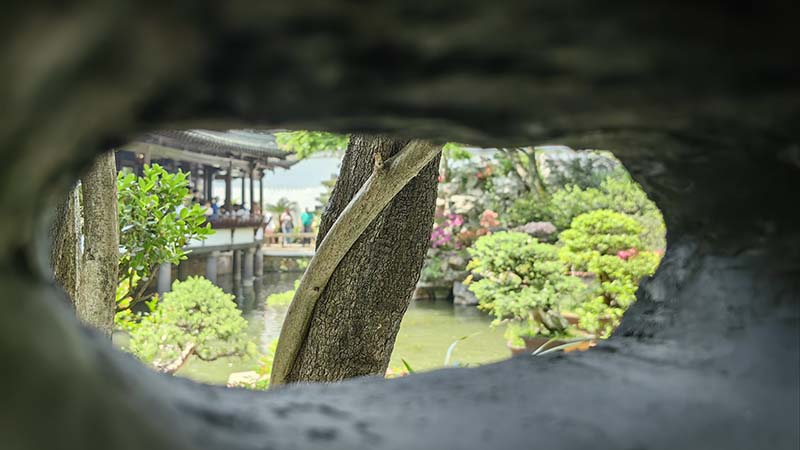
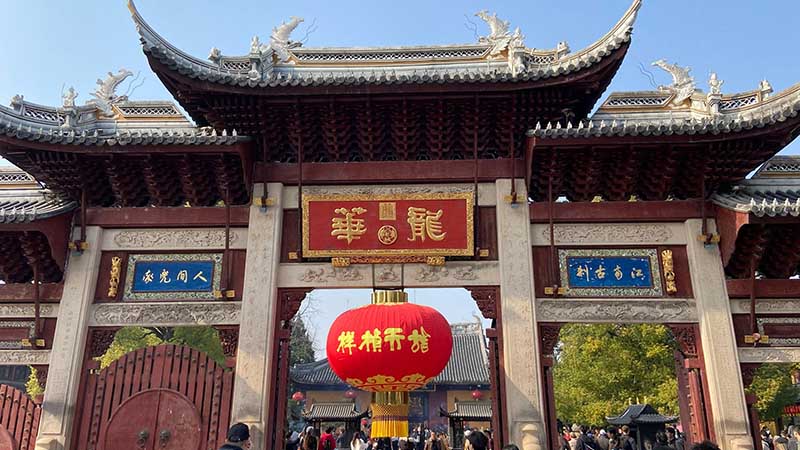
Yuyuan Yu Garden Shanghai China sits in Shanghai Old Town near the City God Temple, a short walk from buzzy snack streets. Bridges zigzag over koi ponds. Rockeries fold into pavilions with upturned eaves. Carved screens invite a closer look at the craft that shaped these homes. Try to arrive early, before tour groups fill the courtyards, then drift toward the teahouses nearby.
Practical snapshot for culture lovers
|
Site |
Focus |
Ideal visit length |
Crowd level |
Ticket or entry |
|
Shanghai Museum |
Classical art across dynasties |
2 to 3 hours |
Medium to high |
Free entry at times, timed reservations common |
|
Jade Buddha Temple Shanghai |
Active temple with famed jade statues |
60 to 90 minutes |
Medium |
Modest fee, separate hall access possible |
|
Yuyuan Yu Garden Shanghai China |
Classical garden, pavilions, bridges |
90 minutes |
High during weekends |
Ticketed, morning slots are calmer |
Shanghai Old Town
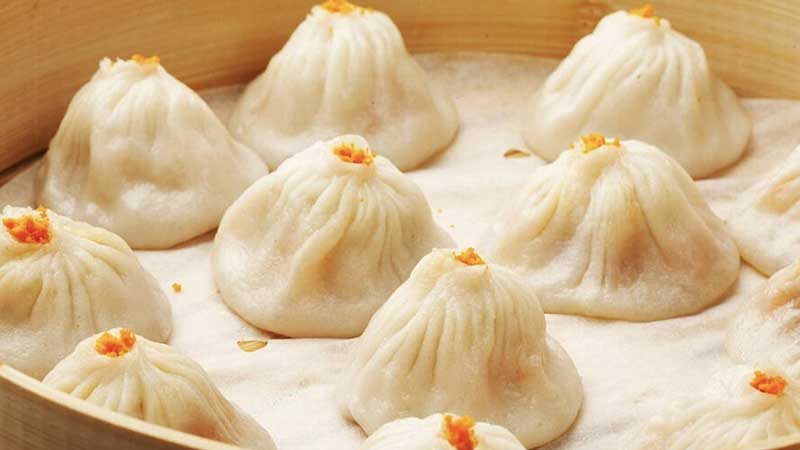
The streets around the City God Temple add layers to any visit. Wooden plaques hang above doorways, spice shops perfume the alleys, and steam rises from baskets of xiaolongbao. It is lively, yes, though pockets of calm sit behind thick doors. Look up and you will see the curve of rooflines, guardian beasts at the corners, and lattice windows that filter light in vivid patterns.
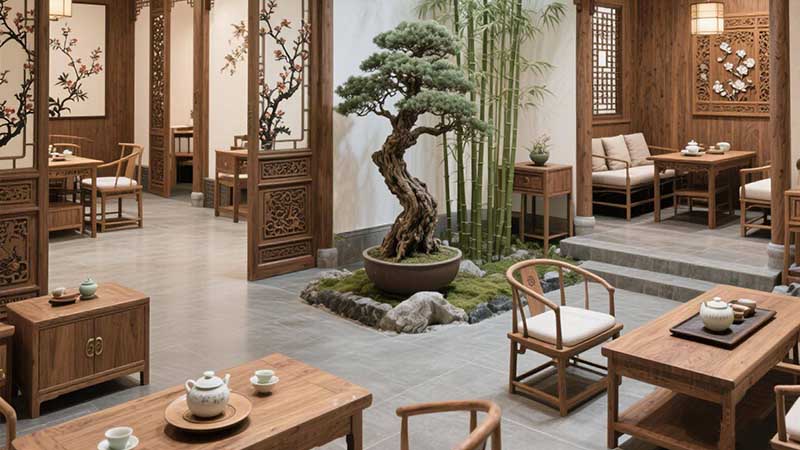
If crowds build, duck into a side lane or choose a teahouse on the second floor of an old building. A pot of jasmine or longjing tea gives you the time to watch the flow from above. Patience here yields moments that stick with you longer than any photo.
Reading the skyline: towers with a past and a future
Skyscrapers across the river do more than look good at night. They tell a story of engineering, finance and city making. Shanghai Tower sets a vertical city within a city, with gardens and sky lobbies stacked like a spiral bamboo shoot. Many visitors book a slot to the observation deck in Shanghai Tower China, though views from neighbouring towers can be just as rewarding.
-
Oriental Pearl Tower Shanghai brings a retro-futurist profile with spheres and columns that light up dramatically after dusk.
-
Jin Mao Tower Shanghai pairs a pagoda-like tiering with sleek lines, a poetic nod to tradition in a modern form.
-
The trio sits within easy walking distance in Lujiazui, with elevated walkways that keep you above traffic.
Plan your visit around weather and visibility. On a clear day, the city looks endless. On misty afternoons, the skyline turns painterly, like an ink wash brought to life.
Micro-itineraries for culture-rich days
One full day: Bund to garden to lanes
-
Sunrise on The Bund Shanghai, with coffee at a waterfront kiosk.
-
Ferry to Lujiazui for a short look up at the towers.
-
Back across the river and straight to Shanghai Museum for a focused pass through bronzes, jade and calligraphy.
-
Metro or ride share to Yuyuan Garden Shanghai China and Shanghai Old Town for garden time and a bowl of noodles.
-
Late afternoon stroll through the French Concession Shanghai, ending in Xintiandi Shanghai for dinner in a shikumen courtyard.
A weekend with depth
-
Day 1: Start at the Bund museums and heritage buildings, then a Huangpu river cruise before dusk.
-
Day 2: Jade Buddha Temple Shanghai in the morning, a slow walk around Ferguson Lane Shanghai, then a gallery or two near West Bund for a contemporary counterpoint.
Cultural evening sampler
-
Tea tasting near Yuyuan followed by a Shanghai opera snippet at a small theatre.
-
Night photography session along the north Bund greenways with a tripod.
Food, tea and street life around the sites
Food ties places together. Near Yuyuan, soup dumplings arrive with delicate skins that require a careful bite. In the lanes of the concession, bakeries turn out butter-rich brioche and tarts all day. Around the Bund, hole-in-the-wall noodle joints sit a minute from white-tablecloth dining. Pick both.
Tea brings the pace down. A seat by a window in an old teahouse can become the best hour of your trip. Staff will walk you through leaf types and water temperatures with quiet pride. If you plan to buy, ask to see dry leaves and spend time with the aroma before committing. Prices range widely, and quality often tracks with it.
Street life is a show. Doorway chess games, badminton rallies in pocket parks, ballroom dancing on a plaza after dinner. You will find friendly faces willing to chat in both Mandarin and English. A few phrases in Chinese and a smile work wonders in Shanghai City in China.
Practical notes for thoughtful travel
-
Dress with temples in mind, even on warm days. Shoulders covered, no hats inside halls.
-
Be respectful in residential lanes. Photos of façades are fine, but avoid pointing cameras straight through open doorways.
-
Museum reservations may be required, particularly at Shanghai Museum. Book ahead on official platforms when possible.
-
Cashless payment is common. International cards are accepted in many venues, though small cash can be handy for street snacks.
-
Weekdays beat weekends for calm at popular spots. Rainy days thin crowds and make for moodier photos.
-
If you ride share, pin your pickup on a wide street near the lanes. Drivers appreciate clear access.
Beyond the core: extra layers of heritage
Longhua Temple carries the weight of centuries with a pagoda that anchors a tranquil complex. The former slaughterhouse now known as 1933 Shanghai shows industrial architecture built like a concrete coral reef, photogenic from every angle. The Shanghai Jewish Refugees Museum in Hongkou tells a vital chapter about wartime refuge with moving personal accounts and careful curation.
If you have time for a shorter side trip, Qibao Ancient Town sits on the metro grid with canals, stone bridges and snack stalls. It can be busy, though early mornings give quiet passages along the water. West Bund warehouses now hold museums and performance spaces, a reminder that culture in Shanghai keeps renewing its canvas while the old bones remain.
How to choose what to see today
Match your mood to a neighbourhood and let that guide the day.
-
Crave grandeur and scale: The Bund Shanghai and a tower visit, then a slow river walk.
-
Want texture and human detail: French Concession Shanghai lanes, with a café pause and a tiny museum visit.
-
After context and craft: Shanghai Museum followed by Yuyuan Garden Shanghai China.
-
Seeking quiet time: Jade Buddha Temple Shanghai in the morning light, then a leafy park bench in the concession.
-
Keen photographer: Early Bund, midday lanes, blue hour skyline from North Bund.
A short glossary of places and names you will see
-
The Bund: Historic riverfront with neo-classical banks and civic buildings.
-
Shanghai Museum: Major collection of bronzes, ceramics, jade and calligraphy.
-
Jade Buddha Temple Shanghai: Active Buddhist temple with two jade statues.
-
Yuyuan Garden Shanghai China: Classical garden with pavilions, ponds and rockeries in Shanghai Old Town.
-
French Concession Shanghai: Tree-lined streets, lilong lanes and villas across a large central area.
-
Xintiandi Shanghai: Restored shikumen blocks with dining, shops and galleries.
-
Ferguson Lane Shanghai: Small enclave of cafés, studios and residences in a quiet lane.
-
Shanghai Tower China, Oriental Pearl Tower Shanghai, Jin Mao Tower Shanghai: Landmark skyscrapers and iconic landmarks across the river in Pudong.
-
Shanghai Bund China: Common label used across maps and guides for the riverfront district.
-
Shanghai City in China: The broader metropolis, often abbreviated as Shanghai in guides and transport apps.
Small rituals that make a big difference
-
Start one morning before sunrise, just once. The city feels like it is holding its breath.
-
Keep a notebook. Jot names of streets, snacks you liked, a phrase you heard. You will thank yourself later.
-
Sit still for 15 minutes on every walk. Let the neighbourhood carry the story rather than a checklist.
-
Learn to read a few architectural clues: shikumen stone lintels, art deco sunbursts, French balconies with wrought iron.
Craft a route that suits your style
A balanced day can fit without rushing.
Morning
-
River air on The Bund and a quick ferry ride to look up at the towers in Lujiazui.
-
A quiet hour at Shanghai Museum before the largest crowds.
Midday
-
Dumplings or noodles in Shanghai Old Town, then a calm tea stop.
-
Yuyuan Garden Shanghai China with the sun high enough to light the pavilions.
Afternoon and evening
-
Lilong wandering through the French Concession Shanghai, side streets near Ferguson Lane Shanghai and Anfu Road.
-
Dinner in Xintiandi Shanghai or a small bistro tucked into a villa.
-
Blue hour photos from the north Bund or a relaxed river cruise.
As your days stack up, you will see how history here is not limited to exhibits. It is there in every curb and cornice, in people’s routines, in the confidence of a city that keeps building while honouring what came before.
Want more China travel itineraries? Click here!
If you have any other questions, feel free to click here and get in touch with us.
If you need a personalized travel plan, feel free to click here and let us help you.