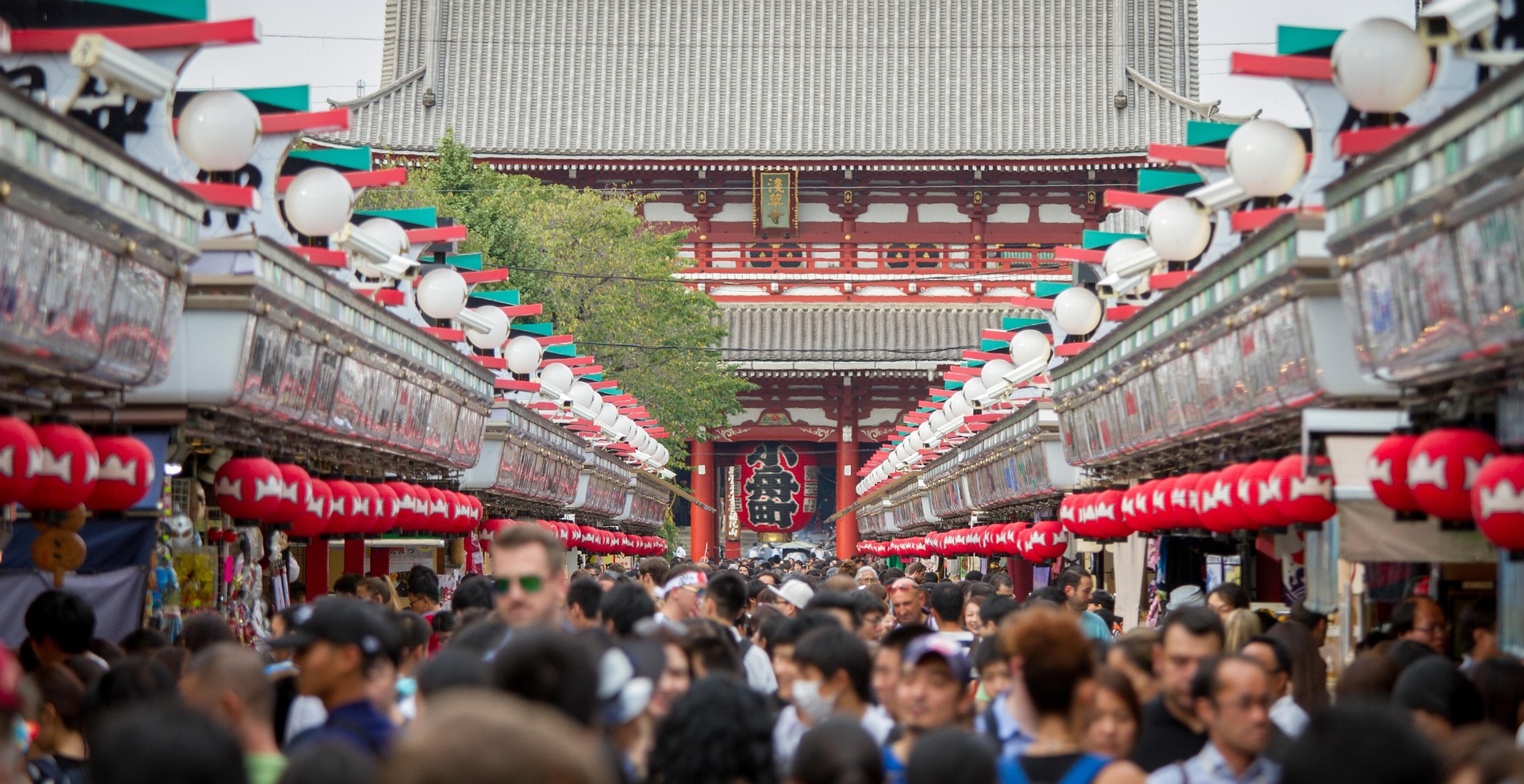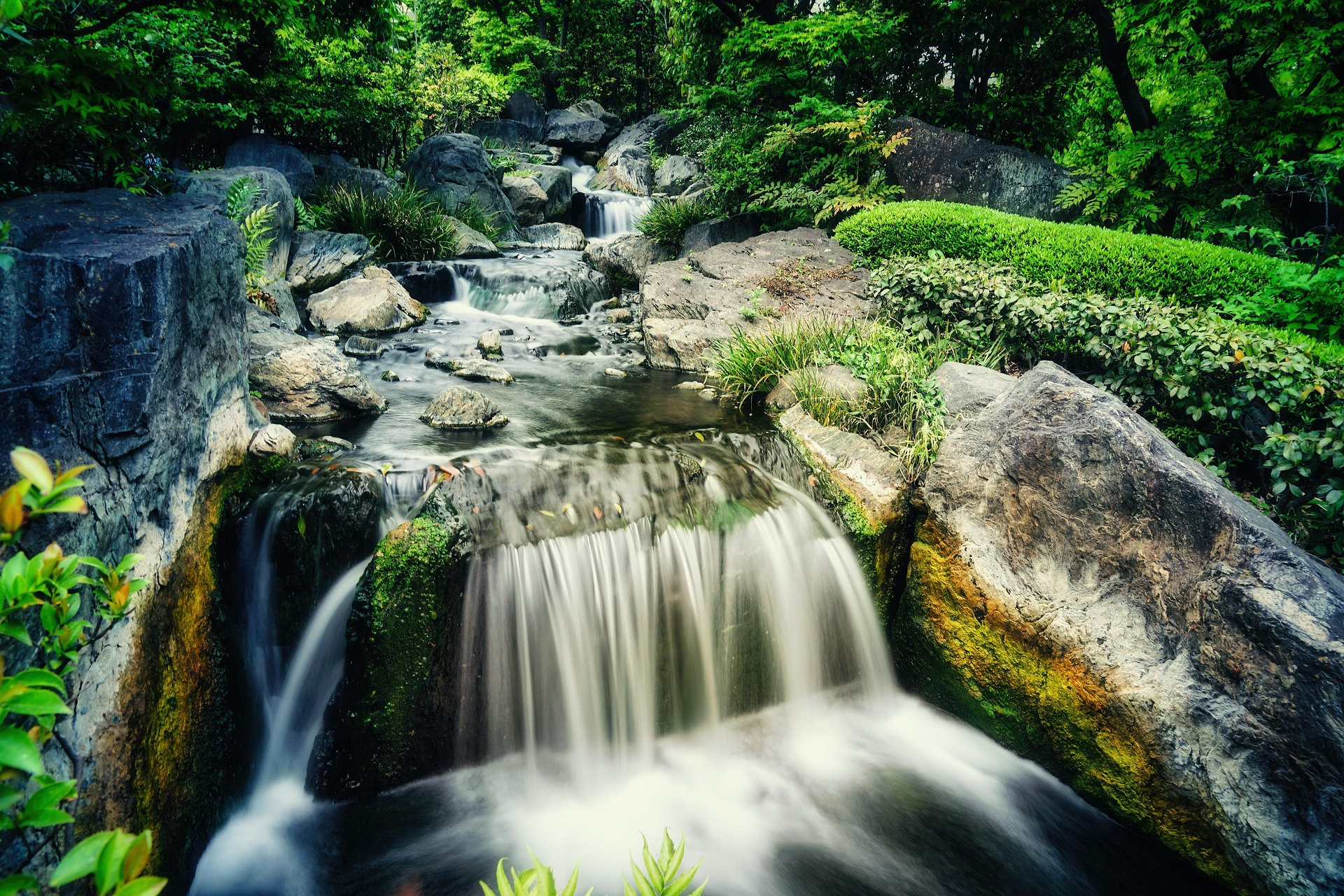
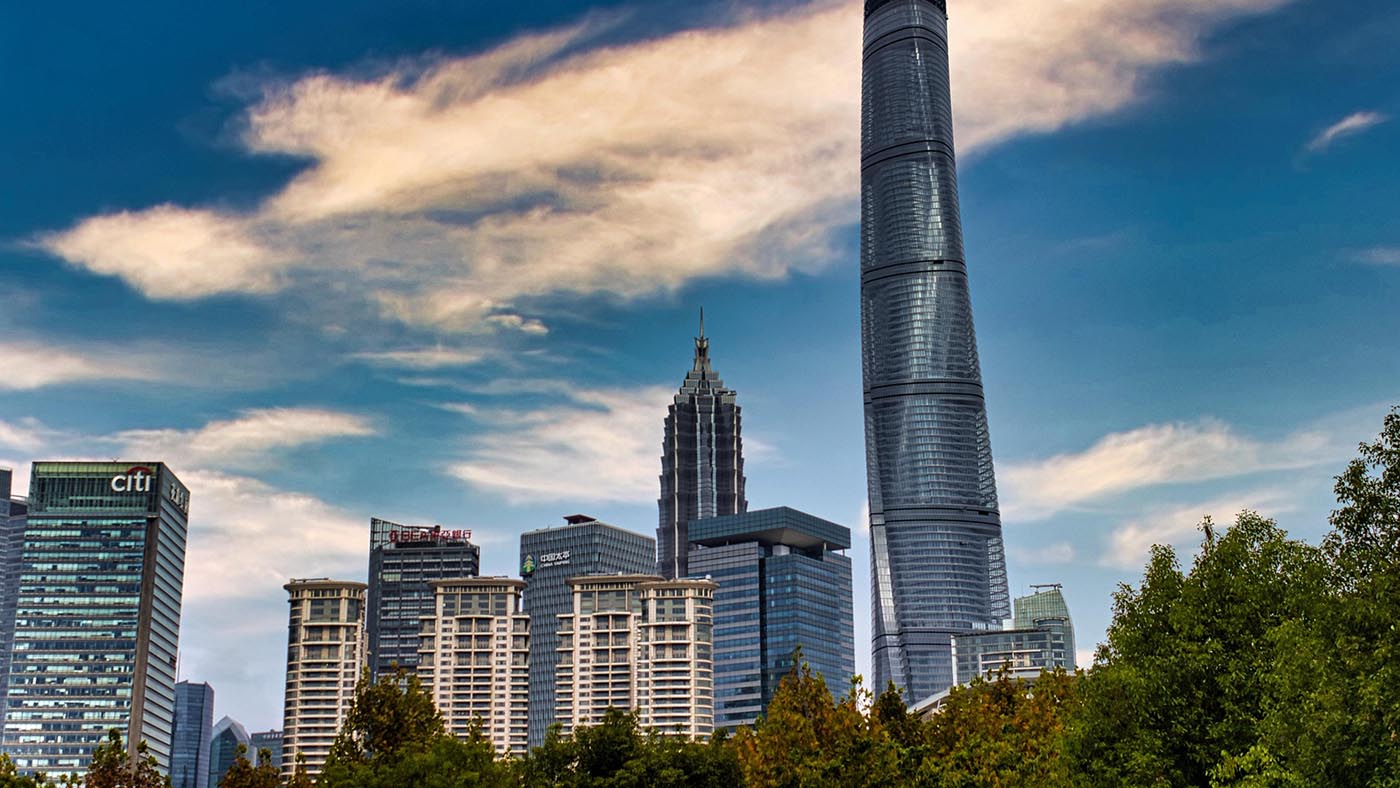
A city of steel and glass that still keeps a warm heart, Shanghai greets you with a skyline that looks like tomorrow and street life that tastes like yesterday. Trams have long gone, lilong lanes still whisper, and the metro whisks you across the river faster than you can finish a cup of milk tea. It’s big, busy, and brilliant.
If you’re planning your first visit, this guide pulls together the essentials people ask most: how to get in, move about, where to sleep, and what to eat. If you’re a returning traveller, you’ll find updated tips that make your next trip smoother, cheaper, and more delicious.
Shanghai Travel Guide: Food, Transport & Accommodation
Where you are and how to orient yourself
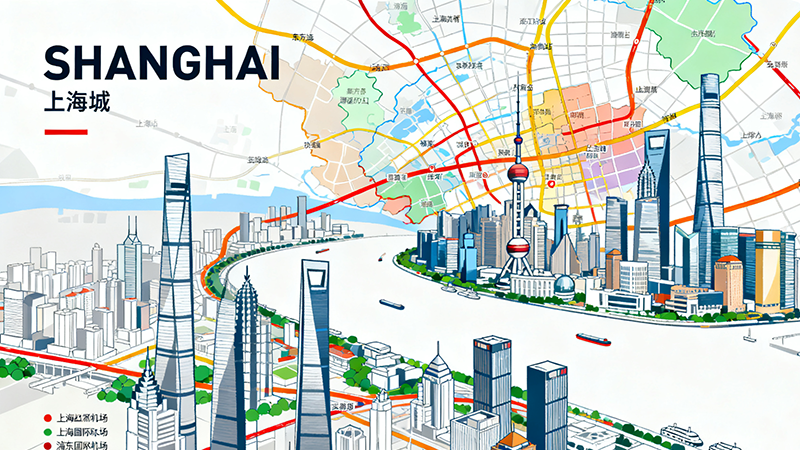
Shanghai sits on China’s central coast at the mouth of the Yangtze River, looking out toward the East China Sea. High on trade, history, and finance, it stretches across the Huangpu River, with Puxi on the west bank and Pudong on the east. The Bund faces the Lujiazui skyline like an open-air gallery of old meets new.
-
Curious about placement? A quick “Where is Shanghai” or “Shanghai On Map” search will show you the city’s coastal position.
-
Save a “Shanghai China Map” to your phone for offline use. Apps with an English “Map of Shanghai City” layer are handy when metro or 4G drops underground.
-
Puxi holds the historic centre with the French Concession, Jing’an, and Nanjing Road Shanghai. Pudong is home to Lujiazui’s towers and many business hotels.
Airports and Transportation
Two airports serve the city:
-
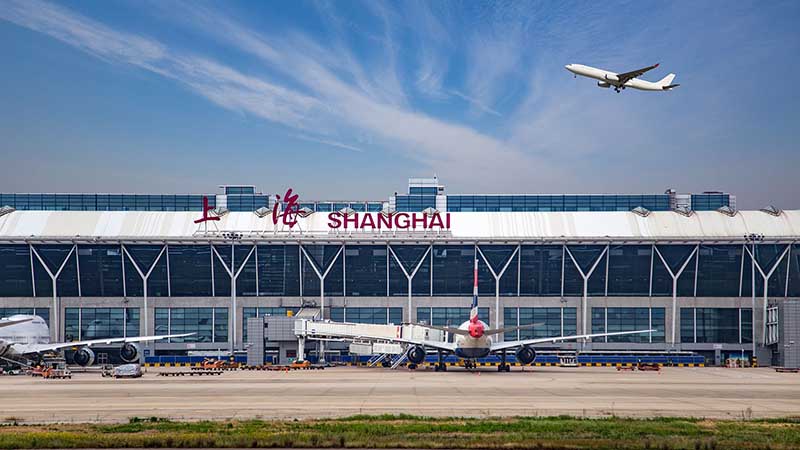
Shanghai Pudong International Airport (PVG), the main international gateway on the far east side of town.
-
Shanghai Hongqiao International Airport (SHA), handy for domestic flights and some regional routes, located on the western side near Shanghai Hongqiao Train Station.
Both are tied into the rail network. You can reach almost anywhere by metro. And for a bit of sci-fi flair, the Maglev China Shanghai runs between PVG and Longyang Road.
If you prefer to have help booked in advance, agencies like Three Bears Travel can assist with transportation planning from PVG Shanghai Pudong to city attractions and hotels.
Airport to city at a glance
|
Route |
From |
To |
Time |
Approx. cost |
Best for |
Notes |
|
Maglev China Shanghai + Metro |
Shanghai Pudong International Airport (PVG) |
Longyang Rd then citywide |
8 min Maglev + metro time |
Maglev fare varies by class, metro very cheap |
Speed and novelty |
Maglev is the fastest land link; transfer to the Shanghai Metro for your final stop |
|
Metro only (PVG) |
PVG |
Citywide |
45–70 min to central areas |
Very low |
Budget and predictability |
Lines 2 and others connect across town; avoid peak crush with luggage |
|
Taxi/Rideshare (PVG) |
PVG |
Door to door |
45–90 min |
Moderate to higher |
Late arrivals or heavy bags |
Traffic can be heavy; always use official ranks |
|
Metro (SHA) |
Shanghai Hongqiao International Airport (SHA) |
Citywide |
25–50 min |
Very low |
Most travellers |
SHA sits on Line 2 and Line 10; easy rides across central districts |
|
High speed rail |
Shanghai Hongqiao Train Station |
Suzhou, Hangzhou, Nanjing, beyond |
30–180 min |
Low to moderate |
Day trips |
Station is connected to SHA and metro; buy tickets with passport |
Tip: The Shanghai Subway Map posted in stations is bilingual, clear, and accurate. Save a copy of the Shanghai Metro Map to your phone. If you read some Chinese, the Shanghai Metro Map Chinese app can be quicker for station names and announcements.
Tickets, passes, and payments
-
Single-ride tickets are cheap and easy. Touch-screen machines accept banknotes and many cards.
-
Grab a Shanghai Public Transport Card for tap-on, tap-off convenience across metro, buses, and some taxis.
-
Mobile payments are widespread. Many visitors use international cards via Apple Pay or tap-and-go on machines that accept them. Alipay and WeChat Pay are common if you have them set up.
-
Keep a small stack of cash for corner shops or older markets.
Getting around Shanghai easily
The Shanghai Metro runs like clockwork with dense coverage, frequent trains, and clean stations. Signs and announcements come in Chinese and English. Service hours usually stretch from early morning to around 11 pm, line depending.
-
Avoid crush hour if you’re carrying suitcases. Leave an extra 10 to 15 minutes for transfers at major hubs.
-
Station names match neighbourhoods and streets. If you’re unsure, make use of the Shanghai Subway Map on the platform.
-
Taxis are plentiful. Carry your address in Chinese characters or show the pin on a “Map of Shanghai City” app. Drivers appreciate clarity.
Cycling is another fun option on quiet streets in the French Concession Shanghai and around parks. Ride-share bikes are everywhere. Always stick to the bike lanes, and watch for scooters.
Ferries cross the Huangpu between Puxi and Pudong. They’re cheap, scenic, and a nice break from the metro. If you want the view without a cruise price tag, hop on a basic commuter boat.
Accommodation in Shanghai
Shanghai Accommodation spans stately icons, plush towers, and leafy boutique hideaways. You can sleep under a crystal chandelier on the Bund or in a lane house a tramline away from your morning bao.
Neighbourhoods to consider:
-
The Bund and Nanjing Road Shanghai: grand hotels, river views, and instant access to shopping
-
French Concession Shanghai: tree-lined streets, indie cafés, galleries, boutique stays
-
Jing’an: business-friendly, upscale malls, central for metro links
-
Xintiandi Shanghai: polished dining precinct, nightlife, modern serviced apartments
-
Lujiazui in Pudong: high-rise hotels near finance towers and riverfront parks
-
North Bund and Hongkou: value stays with quick access to the river walks
Short guide to choosing your base:
-
First-timers: The Bund or Nanjing Road Shanghai for walkable icons
-
Food fans: French Concession or Xintiandi, close to dining hotspots
-
Families: Jing’an or Xintiandi for parks and larger rooms
-
Business: Lujiazui for meetings and easy airport connections
-
Nightlife: The Bund and Xintiandi for bars and late-night eats
|
Area |
Vibe |
Why stay |
Nearby |
|
The Bund |
Classic riverfront |
Heritage hotels, skyline views |
Huangpu walks, historic buildings |
|
French Concession |
Leafy and low-rise |
Boutiques, cafés, quiet lanes |
Tianzifang, Fuxing Park |
|
Jing’an |
Modern and central |
Shopping, convenient metro links |
Jing’an Temple, W Nanjing Rd |
|
Xintiandi |
Polished and social |
Dining, bars, families |
Shikumen museum, Taipingqiao Park |
|
Lujiazui (Pudong) |
Futuristic |
Business and views |
Shanghai Tower, IFC Mall |
|
Circus World |
Dazzling nightlife |
World-class acrobatic shows |
Shanghai Circus World, Zhabei Park |
Tip: Don’t miss the famous Shanghai Acrobatic Show at Shanghai Circus World for an unforgettable evening of world-class performances. It’s a favourite for visitors of all ages and a true highlight of Shanghai’s nightlife.

Booking tips:
-
Big trade fairs and holidays fill rooms quickly. Lock in flexible rates early.
-
Breakfast deals at hotels can be worth it. If not, corner bakeries open early and local soy milk shops do quick sets.
-
Ask for a higher floor for quieter nights near lively strips.
Shanghai Food & Culinary Experiences
Shanghai Cuisine wears a light touch: balance, aroma, and seasonal produce. Expect refined broths, glossy sauces, and seafood that tastes of the sea. Eating in Shanghai ranges from humble street stalls to white-tablecloth temples.
Classic Shanghainese Food to look for:
-
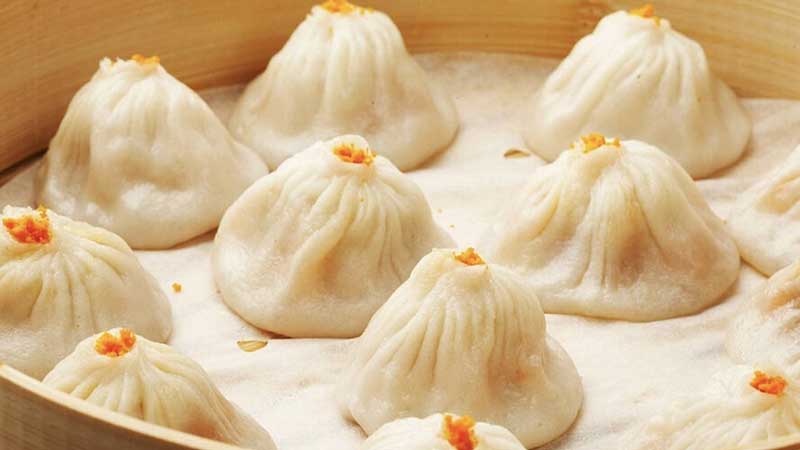
Xiaolongbao: soup dumplings, often pork, sometimes crab roe; try a vinegar and ginger dip
-
Shengjian bao: pan-fried buns with juicy filling and a crisp bottom
-
Hong shao rou: red-braised pork with caramelised sauce and soy depth
-
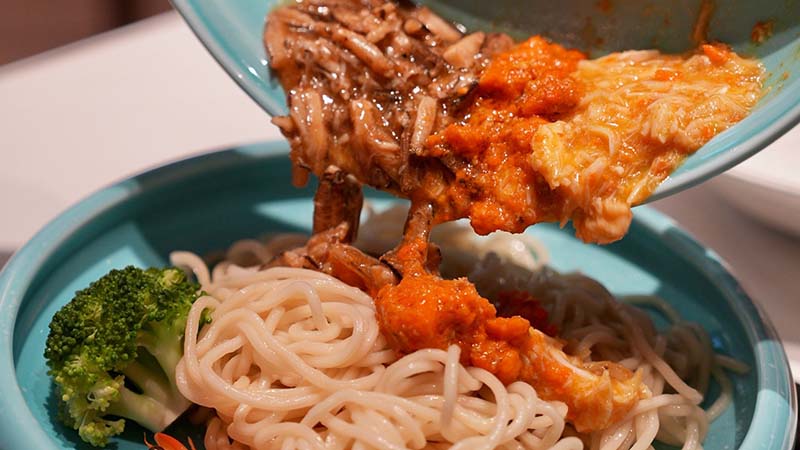
Scallion oil noodles: silky strands with shallot fragrance
-
Drunken chicken: Shaoxing wine, chilled, deeply aromatic
-
River shrimp with Longjing tea: delicate, green-tea scented
-
Hairy crab: seasonal favourite in autumn, often paired with vinegar and ginger
Food in Shanghai China also draws on regional traditions. You’ll find superb Sichuan, Hunan, Cantonese, and snacks from all corners of the country. Shanghai Restaurants run the gamut, and many accept reservations online.
Where to graze, sip, and feast:
-
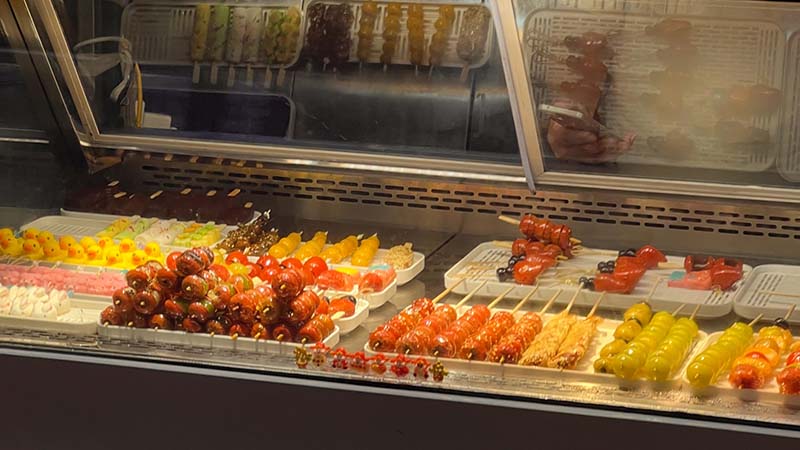
Yuyuan Garden Shanghai China and the nearby bazaar: snack streets with dumplings, pancakes, and sweets; expect crowds
-
South Yunnan Road food precinct: old-school eateries, simple menus, bold flavours
-
Wujiang Road near Nanjing West Road: vendor stalls and quick bites
-
Xintiandi Shanghai and Taikoo Li: stylish venues for business dinners and date nights
-
The Bund: Shanghai Night views with fine dining and smart-casual terraces
Shanghai Night Restaurant choices turn the city into a stage. Rooftop bars glow above the river, while late-night noodle shops hum under neon. If you’re after live music with dinner, hotel lounges near the Bund and in Jing’an often have nightly sets.
Street-food etiquette and smarts:
-
Join the queue that locals trust. High turnover means freshness.
-
Point to order if needed. Vendors are used to visitors.
-
Take small change. Some stalls don’t accept cards.
-
Tipping is not expected in restaurants or taxis.
-
If a place looks spotless and packed, you’re in good hands.
Family dining spots
-
Hotpot chains with kids’ menus and high chairs
-
Dumpling houses with open kitchens where little ones can watch the action
-
Food courts in malls around Xintiandi and Lujiazui that offer variety and clean seating
-
Parks with nearby breakfast kiosks for congee, youtiao, and soy milk
A day built around flavour
-
Breakfast: soy milk and fried dough by a neighbourhood stall in the French Concession
-
Late morning: xiaolongbao stand-up snack near Yuyuan Garden
-
Lunch: home-style spot for hong shao rou and greens
-
Afternoon: tea at a quiet house near Fuxing Park
-
Dinner: The Bund for river lights or a Xintiandi bistro with outdoor tables
-
Late: shengjian bao or scallion noodles before bed
Practical tips that save time and dollars
-
Language: Many signs are bilingual. Learn a few key phrases, and keep addresses in Chinese characters.
-
Power: China uses Type I plugs and 220V. A universal adapter is handy.
-
Connectivity: Buy a local SIM or an eSIM with data. Load an offline “Shanghai China Map” before you land.
-
Weather: Summers run hot and humid, winters can be chilly and damp. Spring and autumn are comfortable.
-
Money: Cards work in hotels and many restaurants. Keep some cash for markets and taxis that prefer notes.
-
Safety: Central areas are busy and well lit. Keep an eye on your belongings like you would in any big city.
Itineraries that pair transport, food, and neighbourhoods
Three ways to structure a short stay:
Two-day highlight hit
-
Morning day 1: The Bund promenade then cross to Lujiazui for the Shanghai Tower deck
-
Afternoon: Lunch in Pudong, ferry back to Puxi, wander the Bund’s back streets
-
Evening: Shanghai Night Restaurant with river views, then a stroll past the lights
-
Morning day 2: French Concession Shanghai lane walk, coffee and a pastry, art stop at a small gallery
-
Afternoon: Yuyuan Garden Shanghai China and the bazaar for snacks
-
Evening: Xintiandi Shanghai dinner, then catch the Shanghai Acrobatic Show at Circus World for a spectacular night out, metro back to your hotel
Food-forward weekend
-
Saturday: Wujiang Road bites, Jing’an Temple visit, tea tasting, noodle shop dinner
-
Evening: Experience the Shanghai Acrobatic Show for an unforgettable performance
-
Sunday: Dim sum brunch, craft cocktail on the Bund, late-night shengjian bao
Family-friendly loop
-
Morning: Shanghai Ocean Aquarium in Pudong
-
Lunch: Food court with multiple choices
-
Afternoon: Park time around Taipingqiao, playgrounds and shaded paths
-
Evening: Enjoy the Shanghai Acrobatic Show—fun for all ages—followed by hotpot with mild broths and a simple dessert nearby
Getting the most from the metro
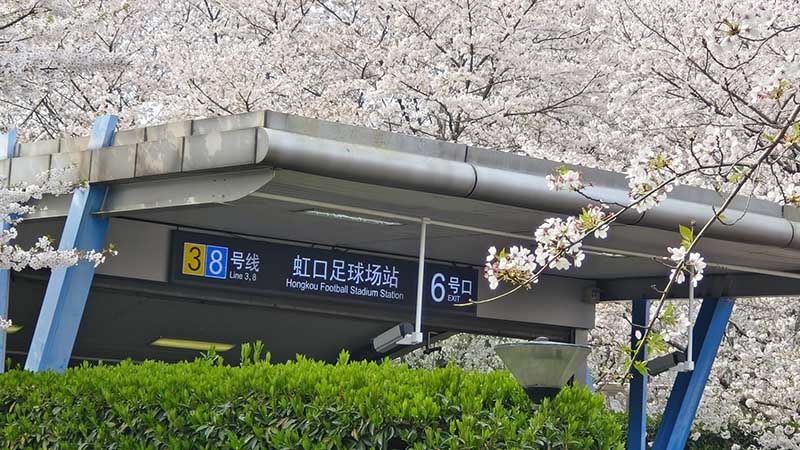
The Shanghai Metro is the single best tool for travellers. The network stretches wide, hits the major sights, and runs frequently.
-
Study the Shanghai Metro Map or the in-station Shanghai Subway Map before peak times.
-
For phone planning, search in English or switch to the Shanghai Metro Map Chinese layout if you’re comfortable with characters.
-
Keep a transit card in your pocket and a backup single ticket for out-of-service gates.
-
Stand on the right on escalators, let passengers off before boarding, and move to the centre of the carriage to make room.
A few final pointers on arrival and departure
-
PVG Shanghai Pudong sits far east. Factor in 60 to 90 minutes to the Bund by taxi in traffic. The Maglev China Shanghai halves the first leg to Longyang Road, then the metro finishes the job.
-
Shanghai Hongqiao International Airport is close to the western suburbs. Metro trips into the French Concession Shanghai and Jing’an are quick and cheap.
-
If you like arranged pickups or have complex luggage needs, having someone like Three Bears Travel organise your PVG arrival removes the guesswork.
Shanghai rewards curiosity. Give yourself time to roam a market, stand still under a plane of gingko trees, ride one extra metro stop, and say yes to something you’ve never tasted. The city meets you halfway with speed, comfort, and flavours that linger.
Frequently Asked Questions about Shanghai Travel
Embark on an adventure in Shanghai with confidence. We've gathered the answers to some of the most common questions to help you navigate this dynamic city with ease.
Is Shanghai friendly to foreigners?
Absolutely. Shanghai is one of the most international cities in China, with many locals speaking basic English, especially in hotels, restaurants, and tourist areas. Signs in English are common, and the city is known for its welcoming attitude towards visitors from New Zealand, Australia, and around the world.
How many days do I need in Shanghai?
For most Kiwi and Aussie travellers, 3 to 4 days is ideal to experience the city’s highlights—The Bund, Yu Garden, Nanjing Road, the French Concession, and a taste of local cuisine. If you want to take a day trip to nearby water towns like Zhujiajiao or Suzhou, consider adding an extra day.
What’s the best month to visit Shanghai?
The best time to visit is during spring (March–May) or autumn (September–November), when the weather is mild and comfortable. These seasons offer pleasant temperatures and less humidity, making it perfect for sightseeing and walking tours.
Is it easy to get by without speaking Chinese?
Yes, especially in central Shanghai. Many signs, menus, and metro announcements are in English. Translation apps and hotel staff can help bridge any language gaps. Most major attractions and services are foreigner-friendly.
Can I use my credit card everywhere?
International credit cards are accepted at major hotels, upscale restaurants, and shopping malls. However, smaller shops and street vendors may only accept cash or local mobile payments, so it’s wise to carry some Chinese yuan.
Is Shanghai safe for solo travellers?
Shanghai is considered very safe, even for solo travellers. The city is well-lit, public transport is reliable, and violent crime is rare. As always, keep an eye on your belongings in crowded areas.
What’s the best way to get from the airport to my hotel late at night?
Taxis and rideshare apps like Didi are available 24/7 and are the most convenient option if you arrive late. The Maglev and metro stop running around 10:30–11:00 pm.
Do I need a visa to visit Shanghai?
Most travellers from Australia and New Zealand need a visa to enter China, but Shanghai offers a 144-hour visa-free transit policy for eligible travellers transiting to a third country. Check the latest requirements before you travel.
Are there any must-see day trips from Shanghai?
Yes! Water towns like Zhujiajiao and Suzhou are popular for their canals and traditional architecture. Both are easily accessible by train or organised tour.
Can I drink the tap water in Shanghai?
It’s best to drink bottled or filtered water. Most hotels provide complimentary bottled water in rooms.
Want more China travel itineraries? Click here!
If you have any other questions, feel free to click here and get in touch with us.
If you need a personalized travel plan, feel free to click here and let us help you.