A soft clang of a bell drifts over the rooftops, incense hangs in the cool air, and the city that launched caravans across continents settles into its late afternoon calm. Xi’an’s spiritual thread runs deeper than bricks and tiles. It shows up in small acts of devotion, in the steady rhythm of drums, and in the patient way locals trace poems on warm stone with water brushes that vanish as the sun dries them away. Here, the ancient and the modern coexist in harmony—skyscrapers rise beyond centuries-old pagodas, and the pulse of a vibrant metropolis beats alongside timeless rituals.
Spiritual Xi’an: Pagodas, Temples, and Cultural Heritage
Xi’an carries a rare blend of scholarship and ritual. The city’s sacred landmarks are not museum pieces, even though their foundations reach back centuries. They are living places, with bells that still mark time, courtyards that still collect morning prayer, and pagodas that still stand as bookmarks in the story of Buddhism in East Asia. At the same time, Xi’an is a modern city, where high-speed trains glide past ancient walls and bustling shopping districts thrive beside tranquil temple gardens.
Buddhist sutras arrived here along the Silk Road, and with them a scholarly tradition that shaped monasteries and meditation halls. Daoist temples offered a different way to think about nature and balance. Islamic communities formed a vibrant presence with their own architecture and calligraphy. Walk a few blocks and you move across faiths, languages, and philosophies. It feels remarkably natural—just as it feels natural to step from a quiet temple courtyard into a lively, cosmopolitan street.
Travellers with Three Bears Travel often remark that the best moments are the unscheduled ones. A monk explaining a scripture stanza in a shadowed cloister. A retiree inscribing wisdom with a water brush in the square. A guide lowering their voice to tell the origin story of a pagoda’s name. That combination of learning and lived practice gives Xi’an its quiet magnetism, while the city’s modern comforts make every journey seamless.
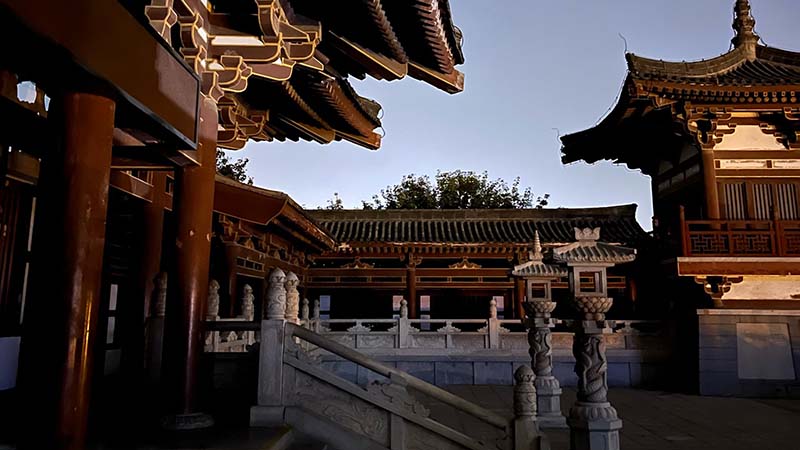
Big Wild Goose Pagoda - A Landmark of Faith
Of all the Xi’an tourist attractions, few carry the same scholarly aura as the Big Wild Goose Pagoda Xi’an China. Built in 652 during the Tang Dynasty within the grounds of Daci’en Temple, it is tied to the monk Xuanzang, the scholar who travelled to India, studied, collected scriptures and images, then returned to translate and teach. He worked here with a team, and the pagoda rose to house the precious texts and images he carried home.
The Big Pagoda Xi’an silhouette is precise and solemn. Today the brick tower stands about 64 metres, seven tiers stepping toward the sky. You can climb it by a narrow stairwell that spirals upward, the windows granting slivers of view that widen with each level. The panorama at the top is worth the effort. From here, Xi’an opens in a grid of Tang-era avenues, echoing the grandeur of the Tang Dynasty, along with modern corridors, green squares, and the glint of roof tiles after rain. The city’s skyline, dotted with both ancient towers and contemporary high-rises, is a testament to Xi’an’s harmonious blend of old and new.
On the ground, the surrounding plazas have their own rhythm. In the north square you may catch water-calligraphy in progress, a violinist testing a melody, or the popular fountain shows that draw families each evening. In the temple precinct itself, incense curls up in steady lines. The halls that guard statues of bodhisattvas and guardians have hand-polished thresholds. If you pause at those thresholds, your guide will probably share a story about Xuanzang’s translations, or about the practical engineering that keeps the ancient brickwork steady through earthquakes and seasons.
Visitor experience
-
Walking tours of the pagoda complex
-
Photography opportunities of the iconic tower
-
Insights into Buddhist traditions and history
-
Early morning visits for softer light and quieter walkways
-
Combined tickets with Daci’en Temple to maximise time on site
-
Respectful clothing recommended for entering active temple halls
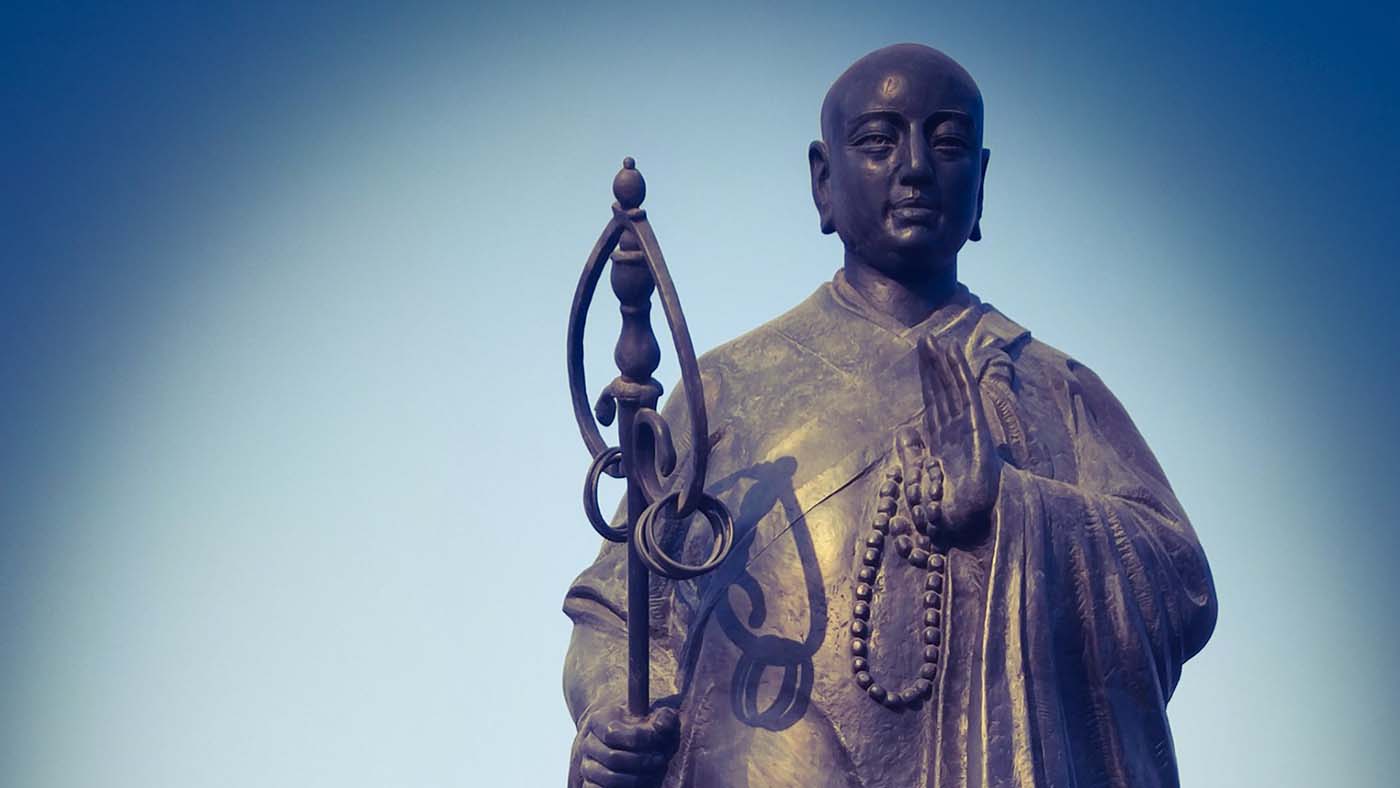
Small Wild Goose Pagoda - Tranquil Spirituality
A short distance away, the Small Wild Goose Pagoda stands inside Jianfu Temple. It dates from the late 7th to early 8th century, a product of the same Tang flowering, but it offers a different mood. This is the gentle counterpart to its better known sibling. The brickwork looks almost woven, each brick carefully placed, and the gardens surrounding the base draw birds, readers, and couples who come to sit quietly beneath pines.
There is a famous story about a vertical crack that opened after an earthquake, only to close during a later tremor. Whether you take it as legend or structural quirk, it fits the character of the place, where fragility and endurance seem to meet. Next door stands the Xi’an Museum, an excellent complement to the site, filled with sculptures, steles, and urban archaeology. Many visitors linger, not in a rush to tick boxes, because the slow pace is part of the reward.
Come early and you may hear the bell that gives a faint shiver to the air. By mid-morning the gardens feel like a retreat inside the city. The Small Wild Goose Pagoda offers a perfect pause between the intensity of the Big Pagoda and the urban buzz of the towers and markets nearby. It often surprises people how much they prefer this more modest companion. Goose Pagoda Xi’an is not a single address, after all. It is two siblings, each with a distinct voice.
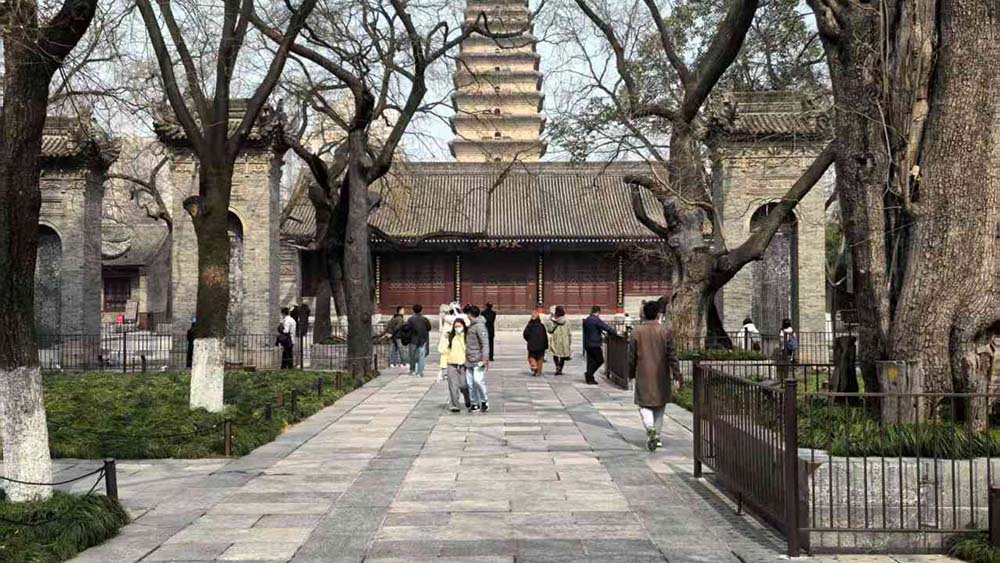
Bell Tower and Drum Tower - Cultural Icons
Stand at the Bell Tower Xi’an and you feel the geometry of the city. The Ming Dynasty placed this tower in 1384 near the city’s centre, with roads radiating outward. The Drum Tower sits a short walk west. Together they were the timekeepers of Xi’an city China, with the bell historically ringing at dawn and the drum marking the night.
The towers are more than civic clocks. From their balconies, you gain an elevated view over tiled roofs, lantern strings, and the steady flow of bicycles. Inside, you will find large instruments and displays that explain how ancient timekeeping worked, a tradition dating back to the Tang Dynasty. In the evening, the Drum Tower Xi’an China area lights up and traditional performances draw a crowd. In the side streets that run toward the Muslim Quarter you can sip tea or nibble snacks while the towers glow into the night. It is equal parts ceremony and simple pleasure.
Three Bears Travel guides often time visits to catch the late afternoon glow on the timberwork, then drift into a performance. They point out tiny details that are easy to miss, like the way brackets layer in the eaves or how the drum skin shows the marks of regular use. These towers still feel connected to daily life, not just preserved. Just steps away, modern shopping streets and lively cafés remind visitors that Xi’an is a city where tradition and innovation thrive side by side.
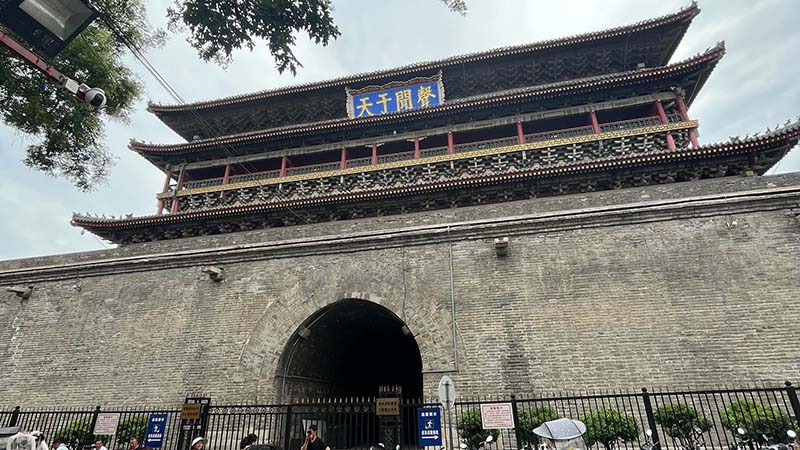
Beyond the headline sites
Spiritual Xi’an stretches well beyond the Wild Goose landmarks and the two towers. A few places often find their way into a well planned itinerary:
-
Great Mosque of Xi’an: One of China’s oldest and most beautiful mosques, a spacious complex of courtyards and prayer halls. Architecture here follows traditional Chinese lines with exquisite wooden screens and stone tablets. It is an active place of worship.
-
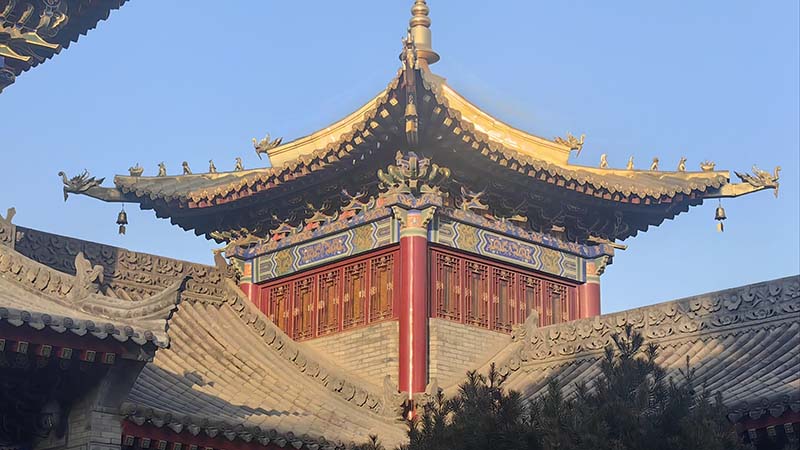
Guangren Temple: A Tibetan Buddhist temple just inside the north wall, with colourful prayer flags, detailed murals, and a calm inner yard.
-
Xingjiao Temple: Southeast of the city, known as the resting place of Xuanzang. The pagodas here carry a different intimacy, surrounded by farmland and quiet roads.
-
Ba Xian An Palace: The Temple of the Eight Immortals, a major Daoist centre with spirited incense burners and local devotees tying wishes and prayers.
Each of these settings gives a slightly different angle on faith in Xi’an Shaanxi China. The blend of scripture, stonemasonry, ritual, and community creates a fuller picture of how the city breathes.
Stories that linger
You might hear an elder tell a simple tale to a child in the square outside Daci’en Temple. A flock of geese once flew overhead when monks were short of food, landing in the temple grounds. The birds became a moral lesson. Live simply, give thanks, and act with compassion, the elder says, while the child watches the fountain arc in silver lines.
On another day, a calligrapher bends over a temporary poem written with water on sun-warmed stone. The characters dry within minutes. A guide from Three Bears Travel reads the last lines aloud in Chinese, then translates into English. The poem is about patience. It takes longer to learn than it does to write.
Inside the Small Wild Goose Pagoda grounds, a solitary figure closes their eyes and allows a bell tone to fade to silence. That single tone is a line in a longer piece that only a regular attendee hears fully. Visitors catch a few notes, and that is enough.
Visitor interaction and tips
-
Attend temple ceremonies and cultural performances
-
Photography around pagodas and tower squares
-
Best months for clear skies: April to May and September to October
-
Three Bears Travel offers knowledgeable guides to connect historical facts with real-life experiences
-
Dress for respect: covered shoulders and knees help inside active halls
-
Speak softly and avoid flash near statues and during prayer
-
Arrive early at the Big Wild Goose Pagoda for easier climbs and gentler light
-
Weekdays are calmer than weekends at the towers
-
Cash can still be handy, though many kiosks use mobile payments
-
Xi’an Metro is efficient. Dayanta Station serves the Big Wild Goose Pagoda area, Small Wild Goose Pagoda is best reached by taxi or bus from Nanshaomen Station, and Bell Tower stations sit right under the centre
-
Check site closures during public holidays and winter maintenance
-
If you burn incense, follow local guidance and avoid placing sticks in restricted burners
A quick guide to key sites
|
Site |
Era |
Tradition |
Ticket guide |
Nearest metro stop |
Best time |
A signature detail |
|
Big Wild Goose Pagoda Xi’an China |
Tang Dynasty, 7th century |
Buddhist, linked to Xuanzang and translations |
Pagoda climb and temple have separate tickets |
Dayanta Station, Line 3 and 4 |
Early morning or twilight |
North Square fountains and the pagoda’s stepped silhouette |
|
Small Wild Goose Pagoda |
Tang Dynasty, 8th century |
Buddhist, contemplative feel |
Often combined with Xi’an Museum entry, check seasonal policies |
Nanshaomen Station, Line 2, short taxi or bus after |
Morning |
Garden quiet, bell chime, brickwork textures |
|
Bell Tower Xi’an |
Ming Dynasty, 14th century |
Civic timekeeping, ritual performances |
Single ticket, combo available with Drum Tower |
Bell Tower Station, Line 2 and 6 |
Late afternoon into evening |
Panoramic city view from the balcony |
|
Drum Tower Xi’an China |
Ming Dynasty, 14th century |
Civic timekeeping, evening drum shows |
Single ticket, combo with Bell Tower |
Zhonglou Station area, short walk |
Evening |
Traditional drum performances and lantern-lit square |
|
Great Mosque |
Various periods, earliest 8th century foundations |
Islamic |
Ticketed entry for visitors, worship free |
Beiyuanmen area, walk from Bell Tower |
Late afternoon |
Stone steles and courtyards with Chinese-Islamic fusion |
|
Guangren Temple |
Qing era as a Tibetan Buddhist centre |
Tibetan Buddhist |
Ticketed |
Anyuanmen Station, then short taxi |
Mid-morning |
Prayer flags and colourful murals |
Practical patterns for a meaningful visit
A little planning sets the tone for thoughtful travel. In Xi’an China the weather can swing from dry, cold winters to hot summers with haze. Spring and autumn bring clearer skies, softer light, and comfortable temperatures. Early starts help when climbing the Wild Goose Pagoda Xi’an or making the most of the Bell Tower balconies, and they give better chances of quiet corners.
Photography etiquette matters. Many halls forbid flash, and some restrict photos entirely. Signs are clear but easy to miss, so check with staff or your guide. If a ceremony is underway, step back and let residents practice. The most memorable frames often sit just outside the doorway looking inward, where incense creates a veil and worshippers step through shafts of light.
Food and tea amplify the experience. Near the towers, sample a bowl of biangbiang noodles, or take a slow hour in a tea house where the menu reads like a poem. While that might seem like a detour from spirituality, in Xi’an it feels connected. The city has always fed body and spirit at the same table.
How Three Bears Travel shapes the day
A good guide transforms a scatter of dates and names into a living thread. Three Bears Travel pairs historians and local hosts who are comfortable moving between big-picture context and personal stories. One moment you might be hearing about the Tang Dynasty capital’s grid and how it influenced urban design. The next, your guide points out a mason’s stamp on a brick that has sat in sunshine for more than a millennium.
Typical days might start at the Big Wild Goose Pagoda and Daci’en Temple, continue to the Small Wild Goose Pagoda and Xi’an Museum for a quieter middle, then flow toward the Bell Tower and Drum Tower for late light and performances. If there is time, a detour to the Great Mosque or Guangren Temple rounds the day in a way that suits your pace. The balance of scholarship, ritual, neighbourhood texture, and the city’s modern vibrancy is the aim.
For travellers who care about the details, this approach also saves energy. Tickets, queues, and the small logistics of getting from site to site are handled in stride. That leaves mental space to actually listen to a bell tone, to read a translated stanza from a sutra, or to chat with a calligrapher as their temporary characters fade.
A city that remembers
There are moments when the scale of it all lands. The pagodas keep standing. The towers keep their watch. The streets keep channelling footsteps in lines set long ago. Within Xi’an Shaanxi China, the hours between first bell and final drum contain so many small acts of care that you begin to feel the city is looking after its own memory.
You leave one square and carry a faint scent of incense into the next alley. Someone is hanging red paper cuts in a window. Someone else is cleaning a stone stele with a soft brush. A cyclist rolls past with a package of steamed buns bunched in white cloth.
Wild Goose Pagoda Xi’an, Bell Tower Xi’an, Drum Tower Xi’an China, the Small Wild Goose Pagoda and the city’s mosques and temples sit not as isolated highlights but as neighbours that still talk to each other. That conversation is what calls people back. In Xi’an, the ancient and the modern are not in opposition—they are partners in a city that celebrates both its heritage and its future.
Want more China travel itineraries? Click here!
If you have any other questions, feel free to click here and get in touch with us.
If you need a personalized travel plan, feel free to click here and let us help you.