Imagine a place where snow-capped mountains meet endless deserts, and ancient Silk Road cities buzz with vibrant bazaars. That’s Xinjiang—a land of striking contrasts and living history. Did you know the Uygur people, Xinjiang’s largest ethnic group, have their own language, music, and even a unique style of hand-pulled noodles called laghman?
Xinjiang has been a vital crossroads for over two thousand years, thanks to the legendary Silk Road. This ancient trade network stretched from Xi’an in the east all the way to Rome in the west, connecting China with Central Asia, the Middle East, and Europe. Caravans once carried silk, spices, jade, and stories across these vast landscapes, leaving behind a rich tapestry of cultures, religions, and architecture that still shape Xinjiang today.
Exploring Xinjiang means discovering Uygur culture at every turn, from the rhythms of traditional dance to the aroma of fresh naan in the markets. With vast distances and ever-changing weather, a well-planned itinerary ensures you experience the best of this fascinating crossroads—whether you’re after adventure, culture, or simply something unforgettable.
Top Cities to Visit & Their Unmissable Sights
Xinjiang is big—about five times the size of France—so it makes sense to think in terms of regions and anchor yourself with specific cities.
-
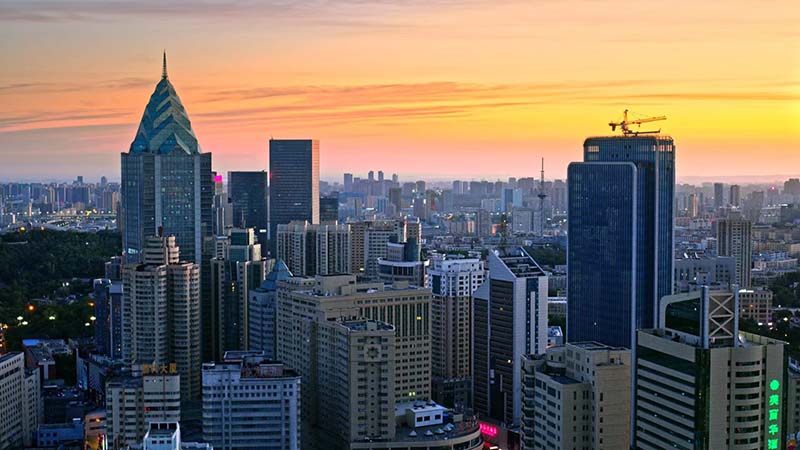
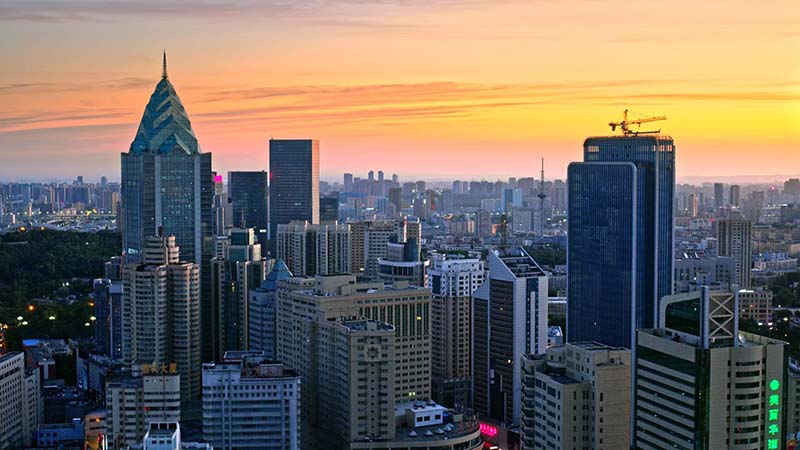
Urumqi: The bustling capital, much more than just a transit hub. Here you’ll find the Xinjiang Regional Museum, which does an excellent job of setting the historical backdrop. The Grand Bazaar is a delight of Uyghur food stalls, spice merchants, and crafts. People’s Park is perfect for a stroll and a bit of people-watching.
-
Kashi (Kashgar): Deep in the west, Kashi is an ancient city whose winding alleys and mud-brick houses set your imagination alight. Walk through the Old Town and don’t miss the Sunday livestock market—more than a sale, it’s a glimpse of centuries-old traditions. The Id Kah Mosque, one of China’s largest, draws crowds every prayer time.
-
Turpan: East of Urumqi, Turpan presents a pocket of desert and oasis magic. The Flaming Mountain blazes in the sun (and in legend), while the nearby Jiaohe Ancient City offers an open-air museum of Silk Road history. Locally grown grapes transform into sweet raisins—don’t skip a vineyard tour.
-
Hotan: Further south, Hotan is famous for its jade and silk. Markets here beat with a contagious energy, and artisans still use techniques dating back generations.
-
Altay & Yining: Head to the green north, where outdoor lovers will feel at home. Altay is homebase for trips to Kanas Lake and treks through pristine pine forests. Yining sits in the stunning Ili River Valley, where wildflowers and poplar trees frame mountain vistas.
This table gives a quick sense of the distance and travel times between major hubs:
|
Start |
Destination |
Distance (km) |
By Train |
By Air |
|
Urumqi |
Turpan |
180 |
1 hr (HSR) |
N/A |
|
Urumqi |
Kashi |
1,500 |
16 hrs |
2.5 hrs |
|
Urumqi |
Hotan |
1,900 |
19+ hrs |
3.5 hrs |
|
Urumqi |
Altay |
660 |
10 hrs* |
1 hr |
|
Urumqi |
Yining |
800 |
11 hrs* |
1.2 hrs |
|
(*Train times approximate, due to variable schedules) |
You’ll notice that flying saves time over long stretches, but train travel, especially on the high-speed rail down to Turpan, opens up scenes you’d never see from the clouds.
Natural Attractions: From Desert to Alpine Lake
Xinjiang’s landscape will dominate your memory of the trip. Anywhere you go, the scenery rapidly changes, so packing for variable Xinjiang weather makes sense.
Let’s highlight the key natural wonders:
-
Desert in Xinjiang: The Taklamakan is China’s largest desert and one of the world’s more formidable sandscapes. Consider short camel treks from Korla or Hotan, or even overnight experiences under the stars.
-
Flaming Mountain Xinjiang: These burnt-red ridges near Turpan are every bit as dramatic as their name suggests, especially at sunrise and sunset. Linked to ancient legends and the story of “Journey to the West,” the area is prime for photography.
-
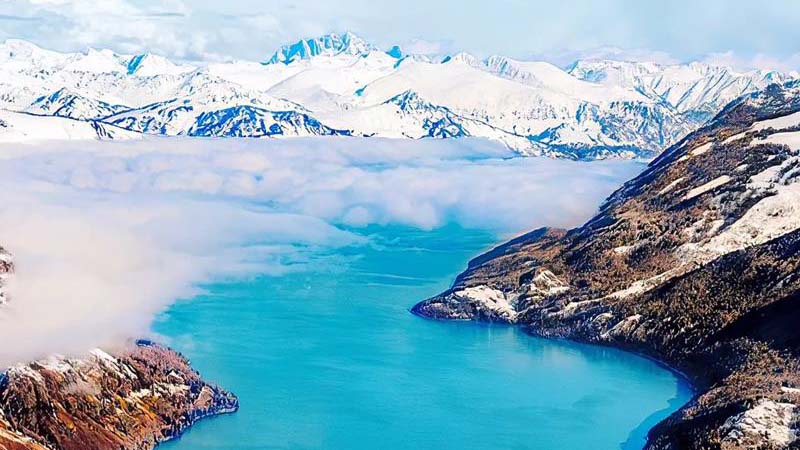
Sayram Lake Xinjiang: Up in the north-west near Yining, Sayram Lake mirrors the snow-dusted Tianshan mountains. In spring and summer, wildflowers paint the meadows, and it’s a tranquil spot for cycling or horseback riding.
-
Kanas and Hemu Villages: Altay’s Kanas Lake and nearby Hemu village give a taste of rural life, with Tuvan minority traditions and picture-book mountain forests.
-
Xinjiang Ili River Region: This river valley feels almost European thanks to its lavender fields and lush valley, with Yining as an ideal base.
-
Korla Xinjiang: The city itself isn’t a major draw, but it’s the doorway to the Bayanbulak Grasslands and Bayanbulak Swan Lake Nature Reserve—where herdsmen graze flocks on flower-dappled pastures.
Tuning your travel to the seasons really matters. Spring (April-May) sees apricot and lavender blossoms, while autumn (September-October) brings clear skies, golden poplars, and less intense heat.
Must-Try Xinjiang Cuisine
No trip to Xinjiang is complete without sampling its legendary food. The region’s cuisine reflects its Silk Road heritage, blending Central Asian and Chinese influences with local flair.
-
Laghman: Hand-pulled noodles stir-fried with lamb and vegetables, a Uygur staple.
-
Kebabs (Kawap): Skewered, charcoal-grilled lamb seasoned with cumin and spices—found sizzling at every night market.
-
Polo (Pilaf): Fragrant rice cooked with carrots, onions, and tender chunks of lamb, often served at family gatherings.
-
Naan: Crispy, sesame-topped flatbread baked in clay ovens, perfect with tea or as a snack on the go.
-
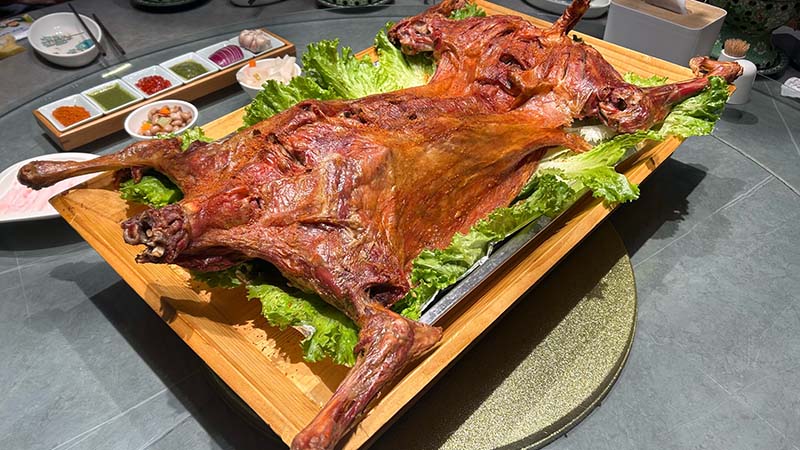
Roasted Whole Lamb: A festive dish for special occasions, slow-roasted and richly seasoned.
-
Dried Fruits and Nuts: Xinjiang’s grapes, melons, and walnuts are famous across China—don’t miss the sweet raisins from Turpan.
From street stalls to family-run restaurants, Xinjiang’s food is a journey in itself, offering bold flavours and unforgettable hospitality.
South Xinjiang vs North Xinjiang: Contrasting Characters
Xinjiang splits into north and south, each offering a different flavour of experience, with the vast Taklamakan Desert in the south providing a unique desert landscape. Local customs, landscapes, and even the weather shift as you cross from one side to the other.
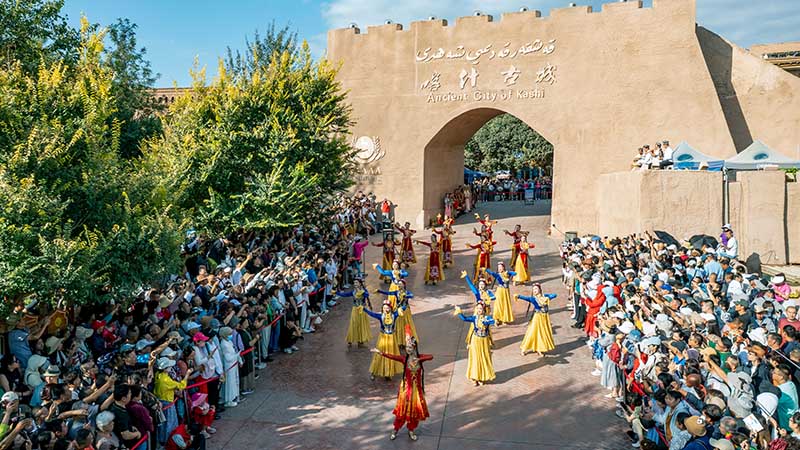
South Xinjiang is all about sand, centuries-old trading towns, and Uyghur culture on display. Kashgar and Hotan dominate, and bazaars here teem with local crafts, livestock, and hand-pulled noodles. You’ll taste cumin-heavy kebabs and see the domes of massive mosques rise above compact streets. The Taklamakan Desert forms the backdrop everywhere you look. For travellers with more time, detours to Shache and the ancient city of Yarkant expand the picture. The cultural atmosphere here is deeply traditional, with Islamic architecture, vibrant folk music, and a slower pace of life rooted in Silk Road heritage.
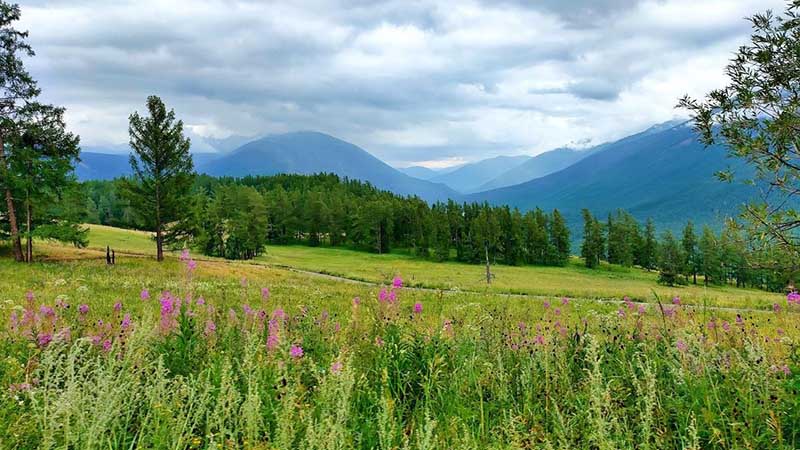
North Xinjiang flips the script, inviting you into alpine valleys, birch forests, and mountain lakes. Urumqi is modern and fast-paced, but Altay and Yining are quieter, drawing trekkers, cyclists, and anyone in need of clean, cool air. Here, Kazakh and other Central Asian cultures shape village life and cuisine. The landscape is open and green, dotted with yurts and grazing horses, and the cultural environment is more nomadic, with influences from Kazakh, Tuvan, and Mongolian traditions. Festivals, horseback sports, and a strong connection to the land define daily life.
Here’s a quick summary:
|
Feature |
South Xinjiang |
North Xinjiang |
|
Main Cities |
Kashgar, Hotan |
Urumqi, Altay, Yining |
|
Landscape |
Desert, oasis |
Alpine, steppe, lakes |
|
Key Cultures |
Uyghur, Tajik |
Kazakh, Tuvan |
|
Main Attractions |
Bazaars, mosques |
Lakes, mountains |
|
Food Focus |
Pilaf, roast lamb |
Noodles, dairy |
|
Cultural Environment |
Traditional, Islamic, Silk Road heritage |
Nomadic, Central Asian, open landscapes |
Knowing what kind of trip you want—urban cultural adventure or relaxing nature getaway—will shape your itinerary from the start.
Suggested Xinjiang Travel Itineraries
So, what does a well-rounded visit look like? Here are several Xinjiang itinerary ideas to get you started:
The Classic: Urumqi – Turpan – Kashgar (8-9 Days)
-
Day 1–2: Urumqi
-
Regional Museum, Red Mountain, Grand Bazaar
-
Day 3–4: Turpan
-
Train to Turpan, Flaming Mountain, Jiaohe Ancient City, grape valleys
-
Day 5: Return to Urumqi or direct flight to Kashgar
-
Day 6–8: Kashgar
-
Old Town, Id Kah Mosque, Sunday livestock market, side trip to Karakul Lake
-
Day 9: Optional day to travel home
Rural Escape: Urumqi – Altay – Yining – Sayram Lake (7–10 Days)
-
Days 1–2: Urumqi
-
City tour, International Bazaar
-
Days 3–5: Altay
-
Kanas Lake, Hemu Village hikes
-
Days 6–7: Yining
-
Ili river valley, lavender fields
-
Days 8: Sayram Lake
-
Cycling around the lake, mountain views
Deep South Xinjiang: Kashgar – Hotan – Korla (10 Days)
-
Days 1–3: Kashgar
-
Markets and mosques
-
Days 4–6: Hotan
-
Jade factory tours, local crafts, desert excursion
-
Days 7–9: Korla and Bayanbulak
-
Grassland visit and Swan Lake
-
Day 10: Return or sum up with extra day in one region
These outlines can stretch or shrink to suit your travel pace. If you opt for a Xinjiang tour package or Xinjiang travel package, much of the logistics land in expert hands, which is often a relief given the language barriers and transport quirks.
Making the Most with Three Bears Travel
Working with a company like Three Bears Travel simplifies even a complex Xinjiang tour. Their team puts together itineraries that balance headline sights with unscripted moments: an impromptu visit to a craftsman’s workshop, a picnic on mountain grassland, or coffee with a local family. Their guides handle the bureaucratic details at checkpoints and border crossings, allowing more time to absorb your surroundings.
What sets their Xinjiang tours apart is a flexibility tailored to your interests: want more time in markets, a detour to a hidden village, or a wildflower walk off the beaten track? They’ll shape the route to your tastes, all while managing accommodation, internal flights, and ground transport.
Practical Tips for Travelling in Xinjiang
-
Check Xinjiang weather before every move. The temperature might swing by 15°C from city to mountain pass.
-
Download your maps for offline use. Finding Wi-Fi can be a challenge in remote spots.
-
Local sim cards may be restricted. International roaming helps, but expect patchy coverage.
-
Pack layers for cool evenings, even after a hot desert day.
-
Bring cash for markets, small villages, and some taxis. ATMs are present but sometimes out of service.
-
Respect local customs in mosques and markets, especially in Uyghur-majority cities.
-
Keep your passport handy. There are regular checkpoints.
Xinjiang opens itself up most to travellers who show patience and curiosity. Each part of your Xinjiang itinerary holds different rewards, from ancient ruins to turquoise lakes and the unforgettable hospitality of its people. Every moment spent planning pays off in new sights, tastes, and friendships that expand your world.
Xinjiang Travel Itineraries FAQ
Embarking on a journey through Xinjiang promises enchanting cities, awe-inspiring landscapes, and rich cultural experiences. To make the most of your adventure, these FAQs address common queries, ensuring you’re well-prepared to explore this magnificent region.
Can Australian and New Zealand passport holders visit Xinjiang?
Yes, travellers from Australia and New Zealand can visit Xinjiang as long as they have a valid Chinese visa. There are no special restrictions for Xinjiang beyond standard Chinese entry requirements. Always check the latest travel advisories and visa policies before your trip, as regulations can change.
Is Xinjiang worth visiting?
Absolutely. Xinjiang offers a travel experience unlike anywhere else in China, blending Silk Road history, dramatic landscapes, and vibrant cultures. Whether you’re drawn by the ancient bazaars of Kashgar, the serenity of Sayram Lake, or the adventure of crossing the Taklamakan Desert, Xinjiang rewards visitors with unforgettable sights and genuine hospitality.
What should I buy in Xinjiang?
Xinjiang is famous for its unique local products. Top souvenirs include:
-
Hetian jade: Renowned for its quality and history.
-
Handwoven carpets and textiles: Uygur craftsmanship at its finest.
-
Dried fruits and nuts: Especially raisins, walnuts, and apricots from Turpan.
-
Spices and teas: Fragrant blends used in local cuisine.
-
Ethnic musical instruments: Such as the rawap or dutar.
-
Traditional hats and scarves: Colourful and practical mementos.
Is there mobile signal and data coverage in remote areas?
Major cities and most tourist sites in Xinjiang have reliable mobile signal and 4G data coverage. However, in remote regions—such as deep in the Taklamakan Desert, high mountain passes, or isolated villages—signal can be weak or unavailable. It’s advisable to download offline maps, inform someone of your travel plans, and carry a local SIM card for the best connectivity. Some travel agencies provide satellite phones for extended expeditions.
How can I experience Xinjiang’s natural wonders?
Visit the Taklamakan Desert, Flaming Mountain, Sayram Lake, and Kanas Lake to witness Xinjiang’s stunning natural beauty. Each destination offers unique landscapes, from endless sand dunes to alpine lakes and lush valleys.
What are the must-visit cities in Xinjiang?
Urumqi, Kashgar, Turpan, Hotan, Altay, and Yining are key destinations, each offering unique attractions and cultural experiences.
What are the differences between South and North Xinjiang?
South Xinjiang features desert landscapes and Uyghur culture, while North Xinjiang offers alpine scenery and Central Asian cultural influences. The cultural, culinary, and environmental contrasts make exploring both regions especially rewarding.
How long should my Xinjiang itinerary be?
Plan for at least 8–10 days to explore the main cities and attractions comfortably, adjusting based on personal interests and travel pace.
Should I book a Xinjiang travel package?
While independent travel is possible, a travel package or guided tour can ease logistics and enhance your experience, especially if language barriers are a concern. Local guides also provide valuable cultural insights and access to off-the-beaten-path experiences.
Want more China travel itineraries? Click here!
If you have any other questions, feel free to click here and get in touch with us.
If you need a personalized travel plan, feel free to click here and let us help you.