Cherry blossom season in Japan isn’t just a pretty backdrop for photos. It changes the rhythm of the country for a few short weeks, with parks filling at lunchtime, lanterns flicking on after dusk, and locals timing train rides to catch a riverbank lined with pale pink.
If you’re thinking about a cherry blossom Japan tour, the biggest difference between “we saw some blossoms” and “that was unforgettable” usually comes down to planning the flow of the days and leaving room for the weather to have its say.
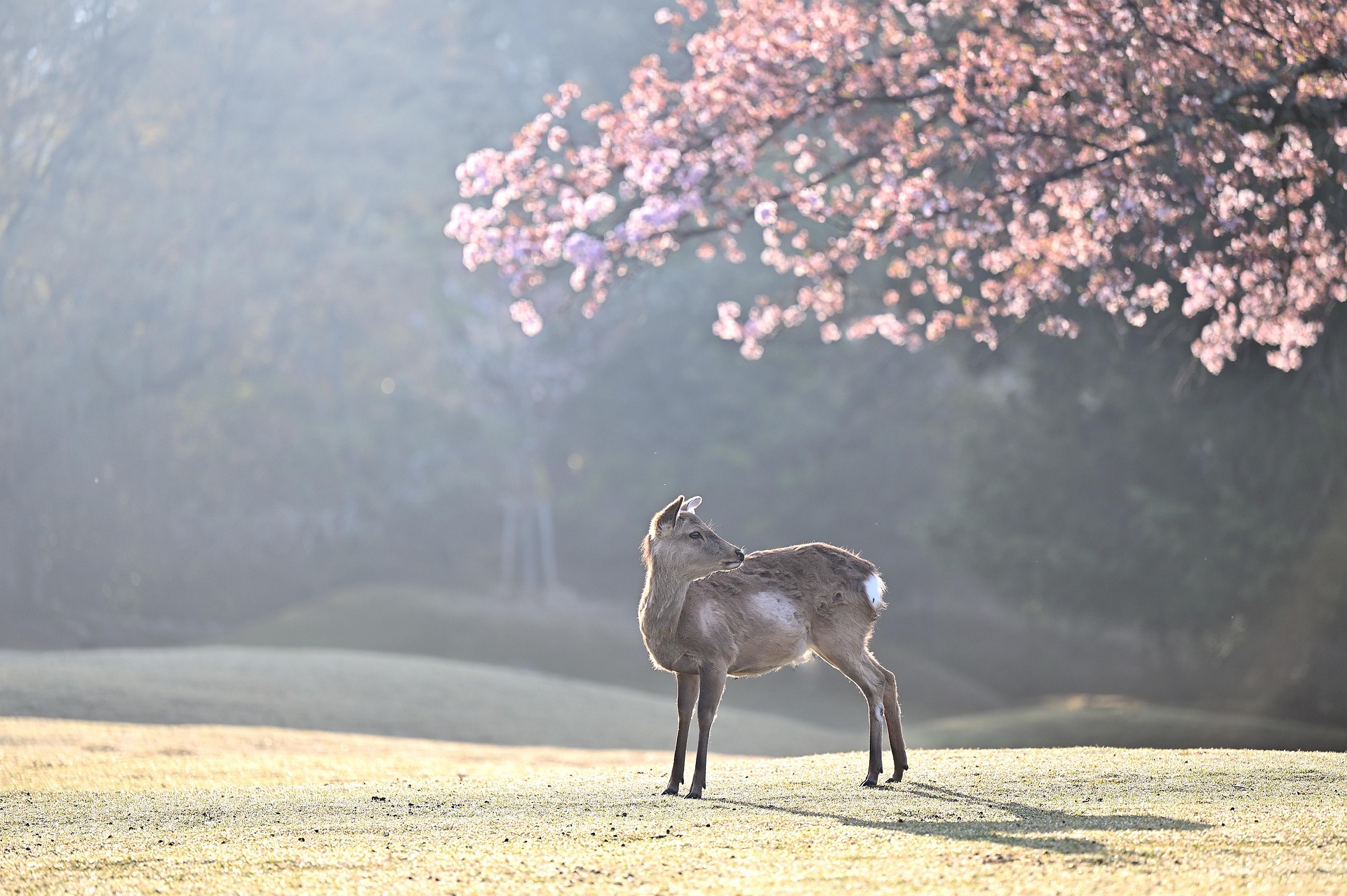
Why sakura season feels so meaningful
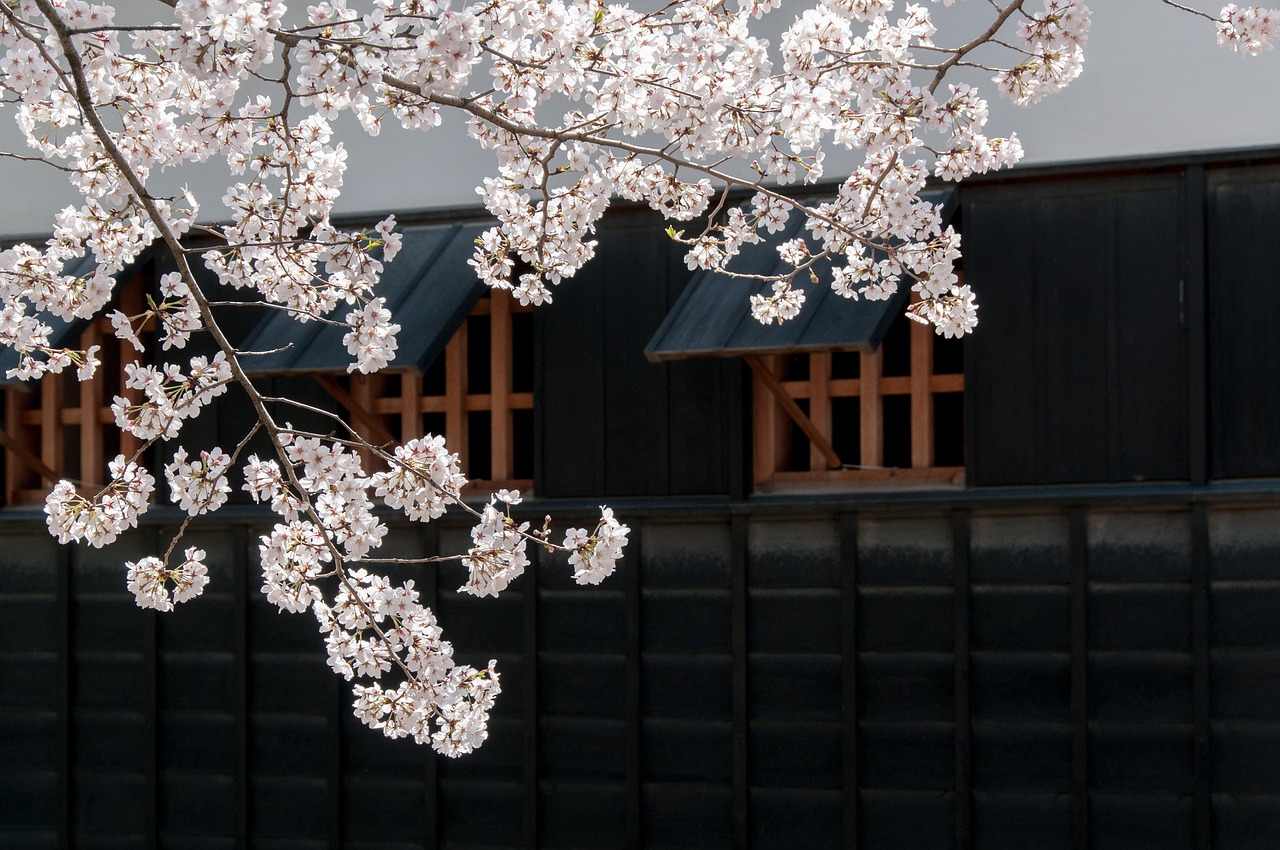
Sakura (cherry blossoms) carry a clear message in Japan: beauty is real because it doesn’t last. A single warm spell or a cold snap can shift the peak by days, and in many places the best viewing window is only about a week.
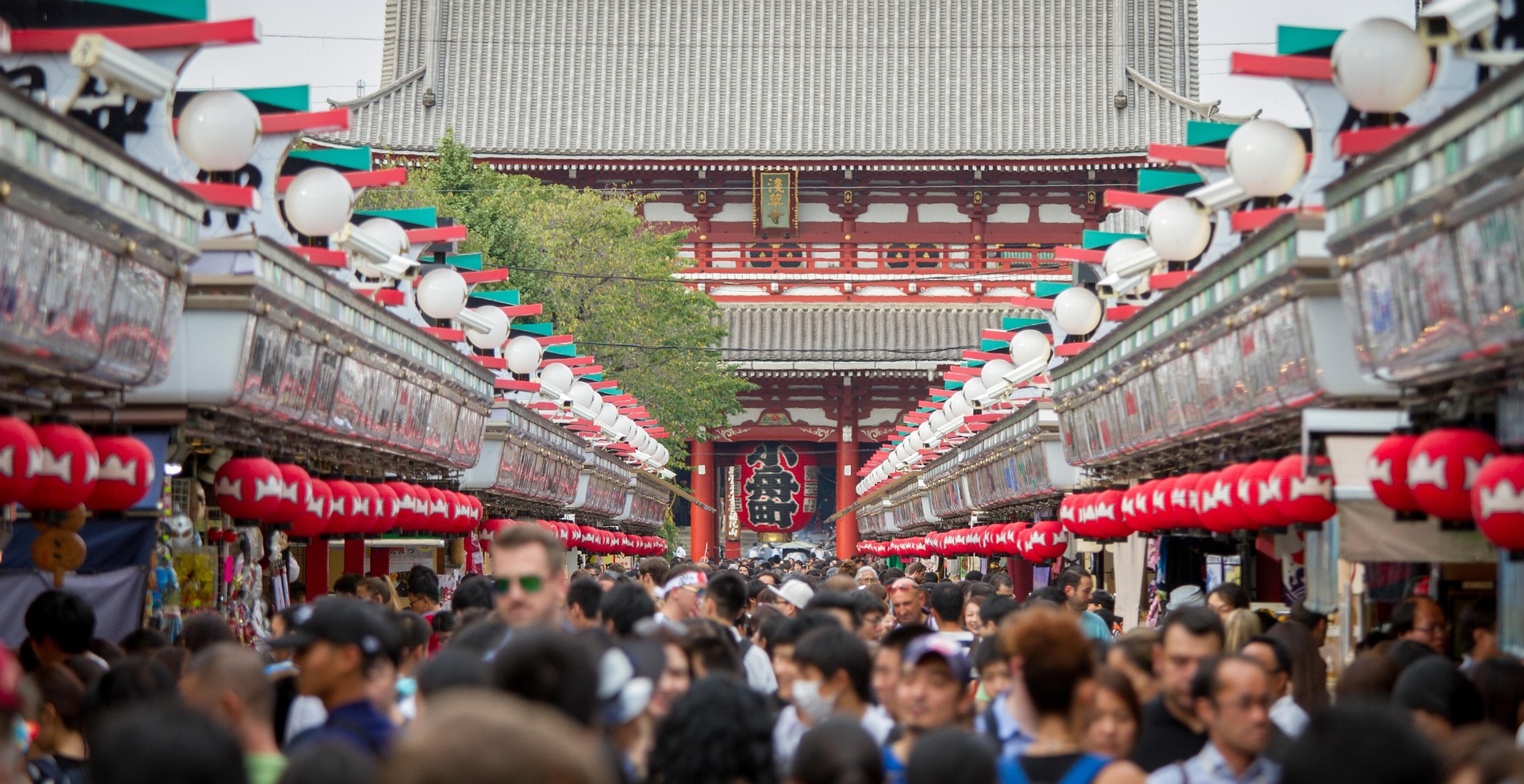
That short season shapes the whole experience. People picnic under the trees, stroll slowly instead of power-walking between sights, and book evening views to see blossoms lit up against the dark.
A well-designed cherry blossom Japan tour tends to deliver a mix of moments, not just locations:
· Soft pink streetscapes in historic neighbourhoods
· Festival energy with food stalls and lanterns
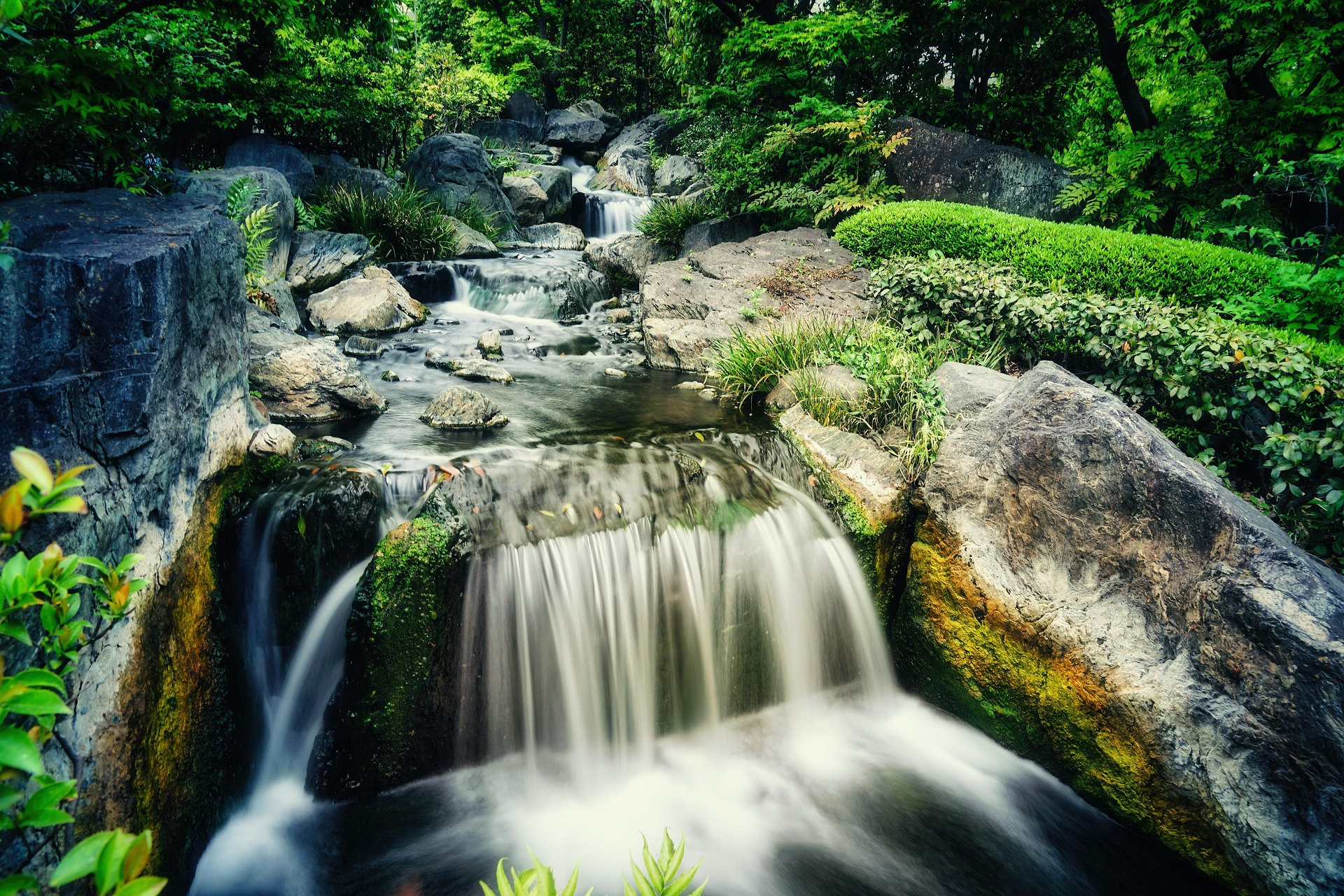
· Quiet gardens early in the morning
· Night views along rivers and castle moats
· Regional towns where the pace feels calmer
One sentence that’s worth keeping in mind: sakura season rewards travellers who plan lightly enough to be flexible.
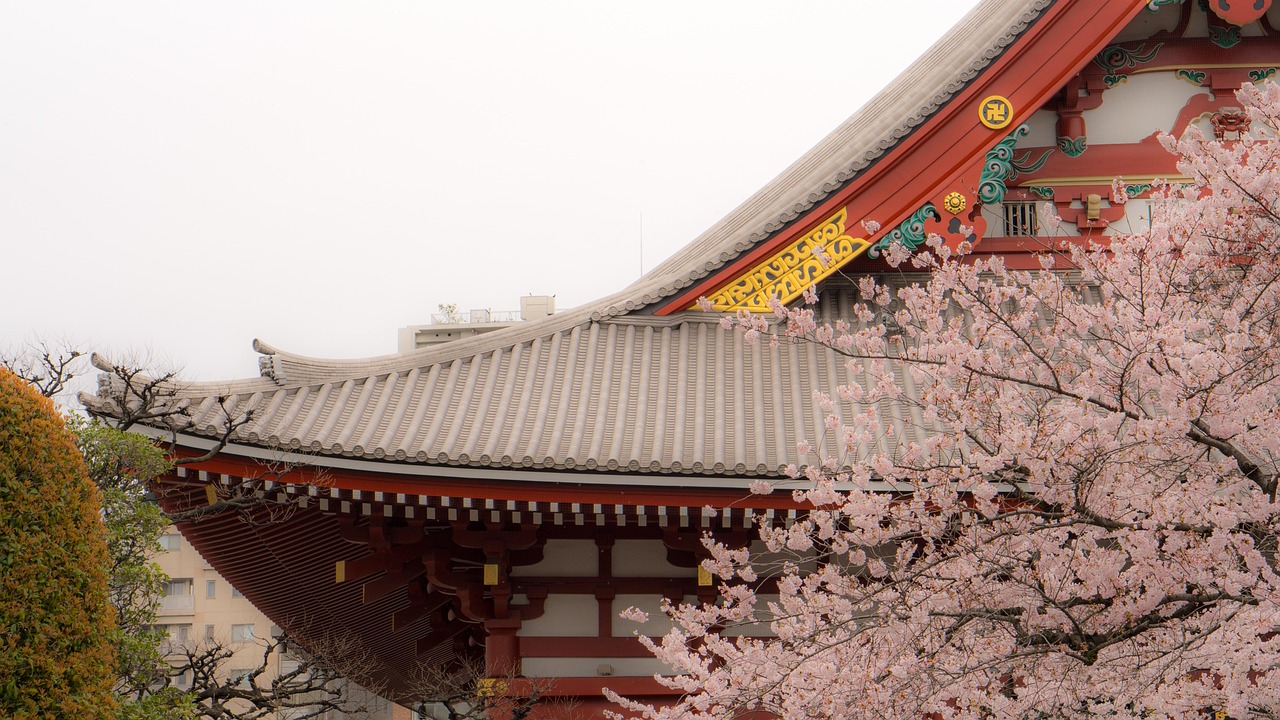
When to go: timing that matches the blooms (not the calendar)
The “best time” depends on where you want to be. Tokyo, Kyoto and Osaka often peak around late March to early April, while northern areas can bloom later.
Weather decides the exact week, so it helps to plan in a way that gives you options across regions rather than locking every day into one city.
Here’s a practical guide to typical bloom timing and what it feels like on the ground.
|
Region |
Typical blossom window (varies yearly) |
What it’s like |
Good for |
|
Tokyo and surrounds |
Late Mar to early Apr |
Big-city parks, riverside walks, busy weekends |
First-timers, short stays |
|
Kyoto and Osaka |
Late Mar to early Apr |
Classic scenes, many famous spots, high demand |
Culture, temples, photography |
|
Kanazawa and Takayama |
Early to mid Apr |
Smaller-city charm, gardens, mountain air |
Quieter pace, food lovers |
|
Northern Honshu |
Mid Apr |
Later blooms, fewer international crowds |
Flexibility, slower travel |
|
Hokkaido |
Late Apr to May |
Late season, crisp weather |
Those who missed the main peak |
If you have fixed leave dates, you can still plan well. The trick is building a route that can absorb a bloom shift of a few days by mixing cities, day trips, and a couple of “floating” sessions where you choose the best park that day.
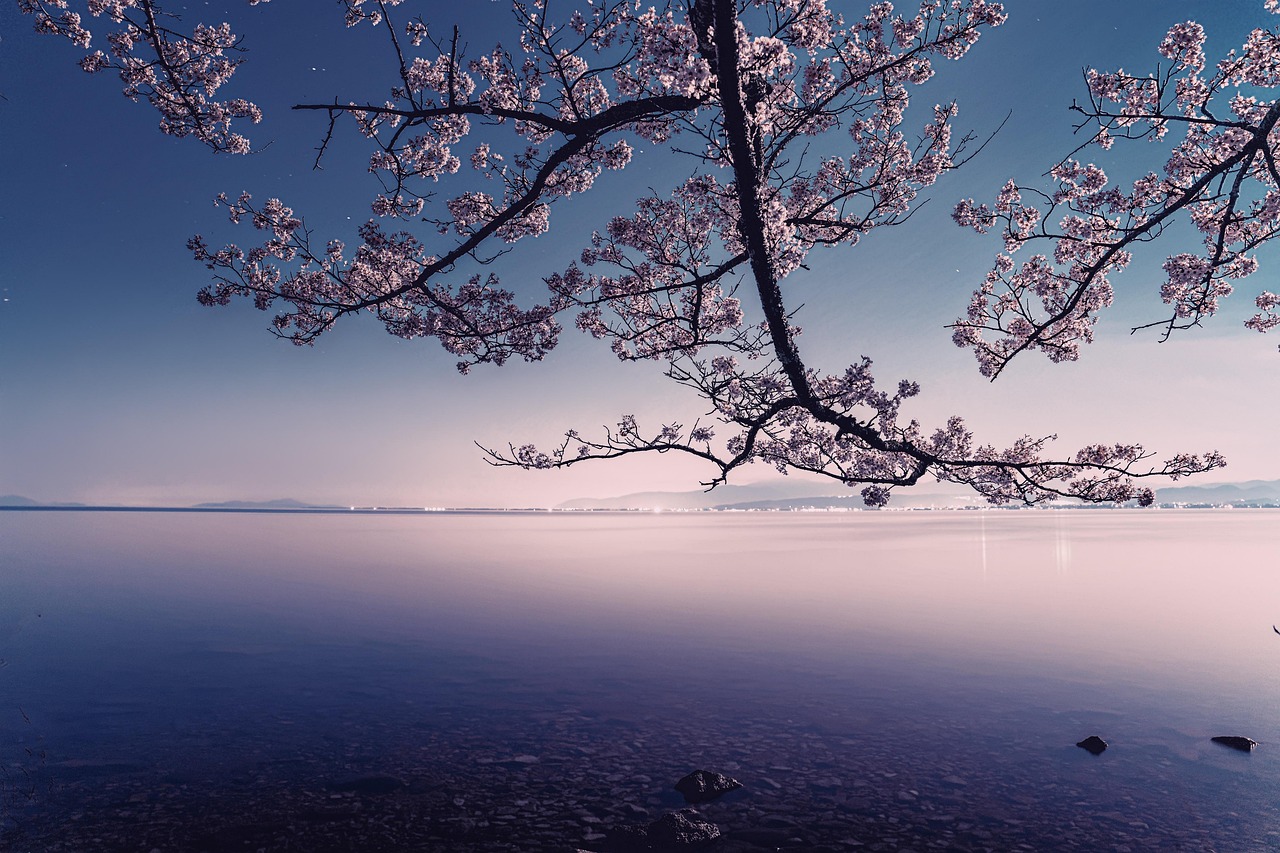
Where to see blossoms: iconic views and calmer alternatives
Tokyo is often the easiest starting point, with great viewing spots that are simple to reach by train and metro. Ueno Park brings a lively atmosphere, Shinjuku Gyoen is a favourite for space and variety, and the Meguro River is hard to beat around dusk when the lights come on.
Kyoto delivers that postcard blend of tradition and blossoms: temple gardens, stone paths, and wooden streets framed by soft colour. The Philosopher’s Path and Maruyama Park are well known for a reason, though they can be crowded at peak times.
If you want the beauty without the shoulder-to-shoulder feel, it helps to mix in locations that aren’t always on the first page of guidebooks. Castle parks in regional cities, riverside promenades in smaller towns, and garden districts outside the busiest centres can feel more personal.
A helpful approach for couples is planning “two-speed days”: one famous site early, then a quieter area later when crowds thicken.
Building an itinerary that works in real life
Cherry blossom planning often looks easy until you factor in Japan’s peak-season reality: accommodation sells early, trains get busy, and popular viewing spots can be at their most crowded when the trees are at their best.
A smooth cherry blossom Japan tour usually balances three needs: reliable logistics, blossom flexibility, and downtime. That’s hard to do if every day involves a long transit and a fixed list of must-sees.
One way to keep it comfortable is to choose fewer bases and do more short day trips, so you can react to bloom updates without repacking every night.
After you’ve chosen rough dates and regions, these checks help turn a wish list into a plan you’ll actually enjoy:
· Base cities: Pick 2 to 4 hubs with easy day-trip reach
· Blossom “buffers”: Keep 2 to 3 open sessions you can aim at the best local spot that day
· Crowd strategy: Visit famous places early, then shift to neighbourhood walks and gardens
· Comfort pacing: Limit consecutive days with long rail transfers
· Evening options: Add one or two illuminated spots to vary the feel of the trip
If you’re travelling as a pair and you value space, private guiding and a private vehicle on selected days can make a noticeable difference. It’s not about being rushed from stop to stop; it’s about having the freedom to stay longer when a place feels special, then move on before it gets too busy.
Three Bears Travel designs private, tailor-made trips for travellers, with local support and flexible planning that can be adjusted around bloom forecasts. For sakura season, that kind of support often pays off in small ways: the right hotel location, a smarter sightseeing order, and a calmer transport plan during the busiest weeks.
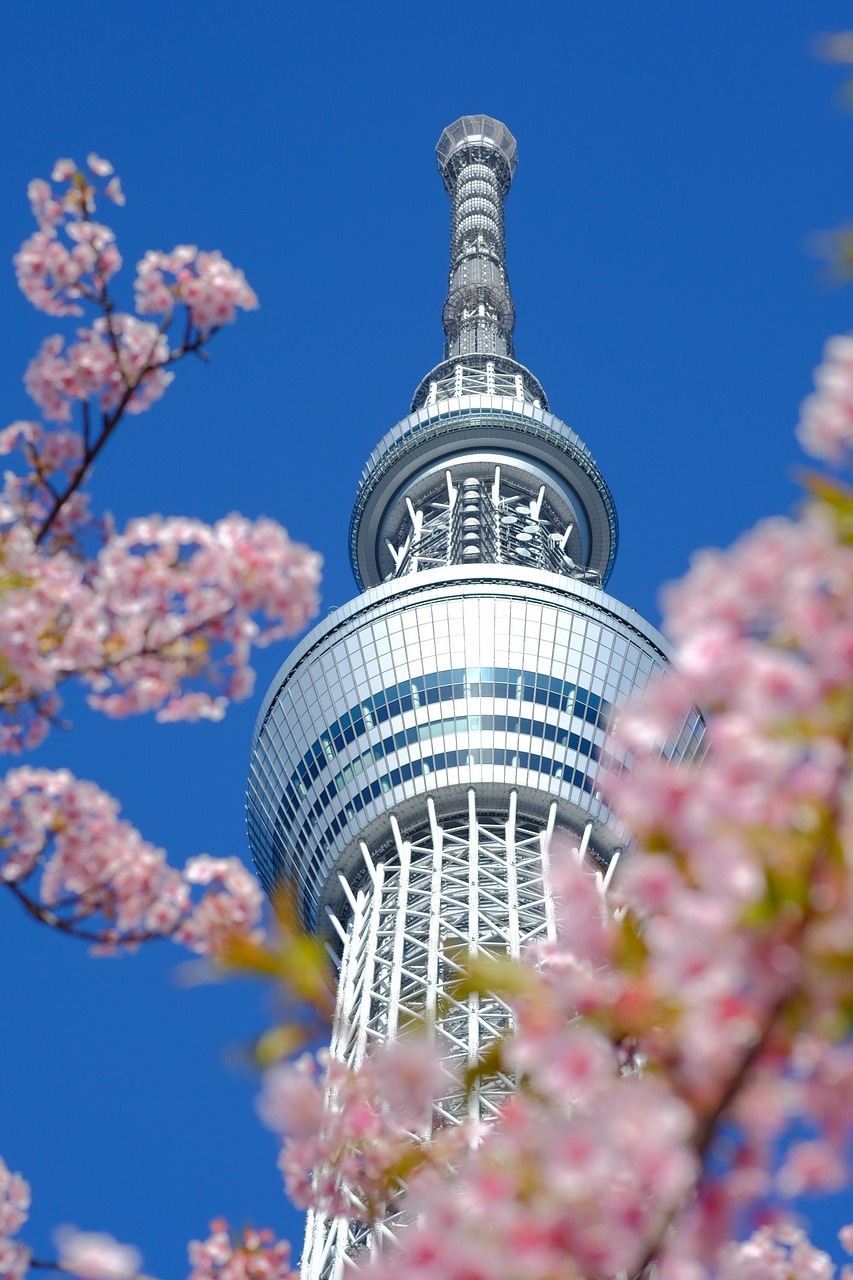
A 10-day cherry blossom itinerary example (with room to adapt)
This sample is built around the classic route, with day-trip flexibility so you can chase peak blossoms without zig-zagging across the country.
Days 1 to 3: Tokyo Arrive, settle in, then spend your first full day in a spacious garden and neighbourhood streets rather than trying to “do” the whole city. Save a riverside walk for late afternoon and early evening when the light softens and the lanterns start to glow.
On another day, plan a morning visit to a famous park, then switch to a quieter area for lunch and a slow wander. If you enjoy food, spring is a great time for seasonal sweets and limited-time café menus themed around sakura.
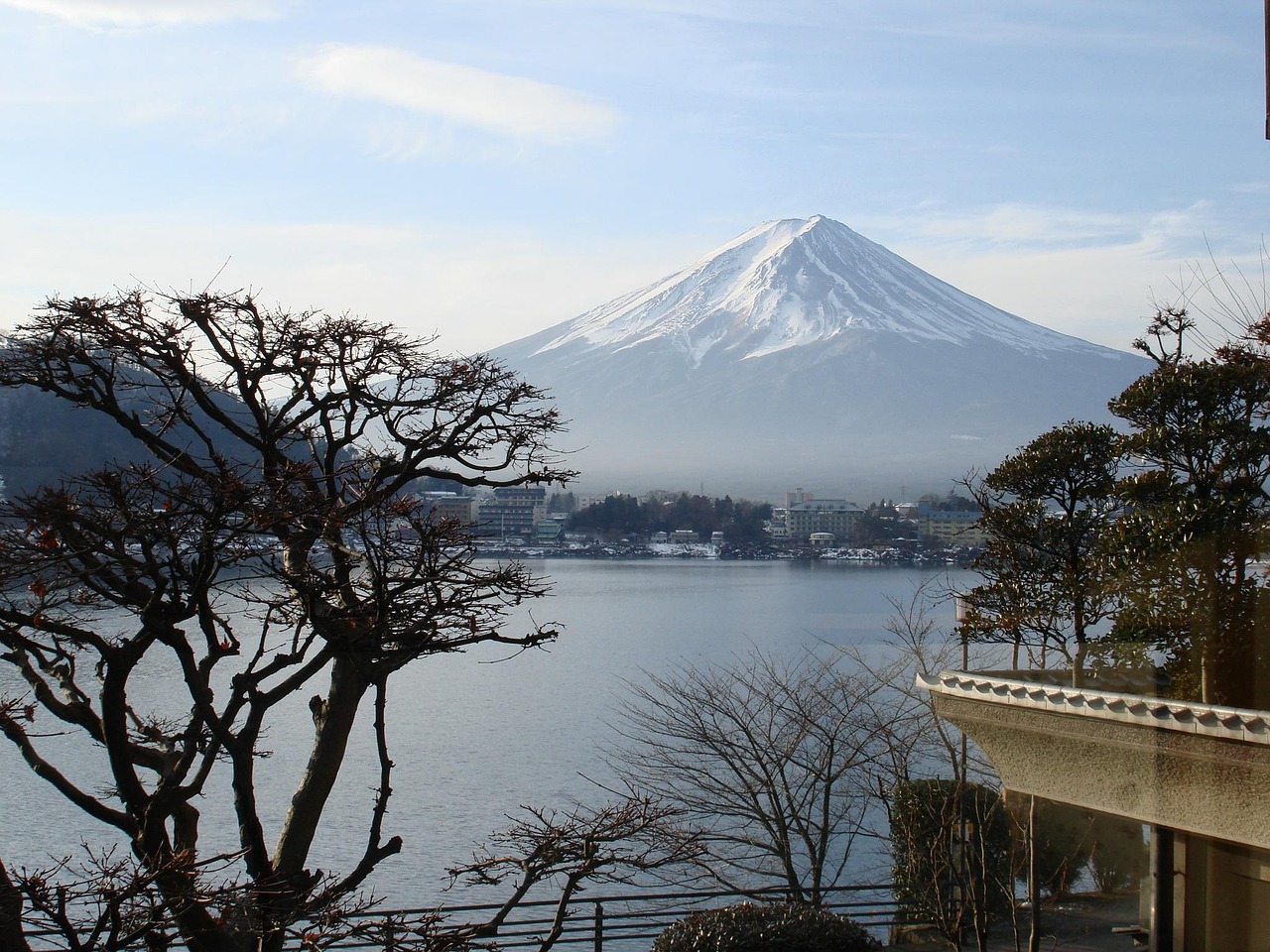
Days 4 to 5: Mount Fuji region (Hakone or Kawaguchiko) This segment adds variety: lakeside views, onsen time, and a different style of blossom scenery. Fuji doesn’t always show itself, so it helps to treat the mountain view as a bonus and focus on what’s reliable: the pace, the fresh air, and the scenery around the lakes and trails.
If you’re a photographer, this is also where starting early pays off. Mornings can be clearer, and you’ll avoid the biggest day-trip crowds.
Days 6 to 8: Kyoto with a day trip to Nara Kyoto suits “one major sight, one gentle block of time” days. Choose a temple garden or a historic path early, then spend the afternoon in smaller lanes, local cafés, and less-busy shrines.
Nara works well as a day trip for blossom views in a park setting, with the added charm of the deer and easy walking routes. Keep the day flexible so you can linger if the blossoms are peaking.
Days 9 to 10: Osaka or Kanazawa Osaka is ideal if you want food culture, bright evenings, and a more playful city feel to round out the trip. Kanazawa suits travellers who want a slightly calmer finish, with excellent gardens and traditional districts.
This last segment is also useful as a timing buffer. If blossoms peaked early in Kyoto, you might head to a later-blooming area. If the season is late, you can stay longer around Kyoto and shift the final city.
Booking and logistics in peak season
Sakura weeks put pressure on hotels first, then trains. If you want specific neighbourhoods in Tokyo or Kyoto, it’s wise to start planning well ahead.
A few practical realities to plan around:
Hotels near key parks and major stations tend to sell out early and can be priced sharply. Staying one or two stops away can be quieter and better value, while still keeping you close to the action.
Train planning matters most on transfer days. If you’re carrying luggage, it’s worth choosing travel times that avoid the busiest commuter hours.
If you’re considering cherry blossom tours with a private guide, ask how the trip is designed around bloom uncertainty and how it incorporates cherry viewing at the best locations. The strongest plans usually avoid locking every “best blossom” into a single morning, and instead build in choices so you’re not stuck if the peak arrives early or late.
What to pack for a comfortable spring trip
Spring weather can swing between warm sun and chilly evenings, and rain is always possible. Packing light still works, as long as you pack smart.
You’ll be walking a lot, and many blossom spots are best enjoyed slowly, so comfort matters more than outfits for photos.
· Layers (light knit, warm top, packable outer layer)
· Comfortable walking shoes
· Compact umbrella or light rain jacket
· Day bag with room for snacks and a drink
· Cash for stalls, small cafés, and temple entries
· A phone/camera that handles low light for evening blossom views
If you’re sensitive to pollen, it can be worth bringing your preferred medication from home, along with any masks you like using in crowded trains.
Questions people ask when planning a cherry blossom Japan tour
How far ahead should we book? For late March and early April, many travellers book 6 to 9 months ahead for the best range of hotels. If your dates are fixed, earlier planning gives you better location choices.
How long do blossoms last? In one region, peak viewing often lasts around 7 to 10 days, with earlier blooms and later petals extending the season feel. Wind and rain can shorten the peak.
What if we miss peak bloom? You can still have a great trip. Many areas have different varieties that bloom earlier or later, and spring in Japan is packed with seasonal foods, gardens, and festivals even outside the peak week.
Is it worth using a guide during sakura season? It depends on your style. Independent travel is very doable in Japan, though peak season adds pressure on logistics and timing. A private guide can be most useful for crowd-smart routing, local insight on the best viewing that day, and keeping transit days calm.
Can we avoid crowds completely? Not in the most famous spots at peak time. You can reduce them a lot by adjusting your daily rhythm, choosing a couple of quieter regions, and planning early morning visits for the headline locations.