First-time visitors often arrive with a single photograph in mind: a sea of green rising from a misted valley, sandstone peaks standing like a choir of ancient sentinels. Zhangjiajie rewards that dream and then goes further, offering a rare mix of calm paths, cliffside thrills, and viewpoints that reset your sense of scale.
It’s no wonder that Zhangjiajie’s otherworldly landscapes inspired the floating Hallelujah Mountains in the movie Avatar. Standing among these towering pillars, you’ll feel as if you’ve stepped into a cinematic world—where mist drifts between the peaks and every turn reveals a new, breathtaking vista.
There is space to breathe here. To wander slowly. To pick a ridge and watch clouds sift through the Zhangjiajie Mountains while swifts circle below your feet. For many, it’s a chance to live out an Avatar-like adventure in real life, surrounded by scenery that feels both ancient and fantastical.
Zhangjiajie: Nature, Adventure, and Scenic Wonders
This corner of Hunan is built for travellers who want variety without compromise. Days can begin on a gentle forest trail and finish with a heart-in-mouth walk on glass, thousands of metres above a canyon floor. Families will find easy boardwalks and regular park shuttles. Photographers will find foreground interest everywhere. Hikers will find steps, lots of them, but also the kind of rewards that turn sweat into stories.
Wulingyuan Scenic Area, a UNESCO World Heritage site, anchors the region. Within it sits China’s Zhangjiajie National Forest Park, the original protected zone made famous by its sandstone pillars, lush gullies, and those ethereal morning mists. Searches for Zhangjiajie National Park China often begin with a single image and end with a multi-day plan.
A perk worth noting: signage has improved, ticketing is streamlined, and local guides have refined routes that keep you away from the densest crowds while still ticking off classic sights. If you want the details handled, companies like Three Bears Travel run small-group and private itineraries that join scenic highlights with the comfort of good pacing and reliable transport.
Discover Zhangjiajie National Forest Park
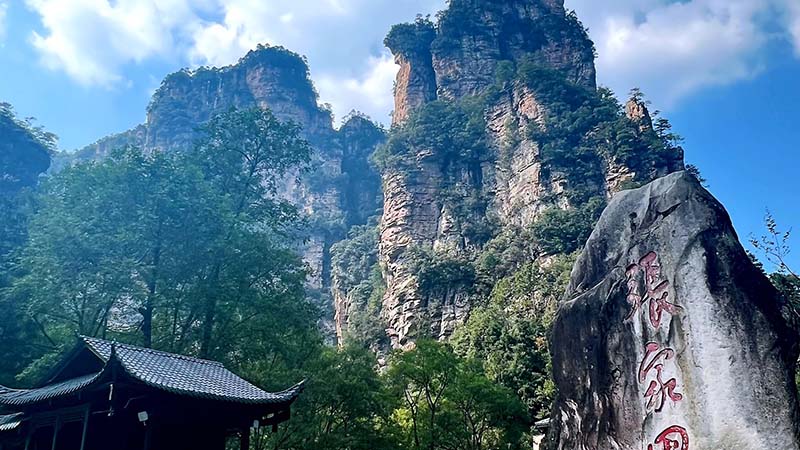
Zhangjiajie National Forest Park is where the famous stone pillars rise from forested valleys. These quartz-sandstone towers formed over millions of years, and today they create a labyrinth of ridges and ravines that feel almost otherworldly.
Expect a wide network of trails and eco-buses linking the park’s four big-ticket areas: Huangshi Village, Golden Whip Stream, Yuanjiajie, and Tianzi Mountain. You can wander boardwalks beside clear water, then catch a shuttle to a cliffside lookout in one morning. That flexibility is central to the appeal of Zhangjiajie Outdoor Activities.
-
Ticketing: Multi-day passes are common, with eco-bus transport included within the scenic area.
-
Getting around: Shuttles link entrances and key hubs, reducing backtracking.
-
Altitude: Peaks are high enough to cool you down on warm afternoons, but not high enough to cause altitude issues for most travellers.
If you are plotting your own route, start early. Misty mornings often break into clear midday views, and the first hours are the quietest. If you prefer to let someone else do the thinking, Three Bears Travel guides know when Golden Whip Stream is most tranquil and when to head up to Huangshi Village for views that stretch across wave after wave of pillars.
Best Hiking Trails and Scenic Spots
Huangshi Village sits on a high platform of stone with some of the grandest panoramas in the park. Paths loop between lookouts with names that sound poetic and feel apt once you see them. There is a cableway to help with the climb, and those who walk will find steady steps and intermittent shade.
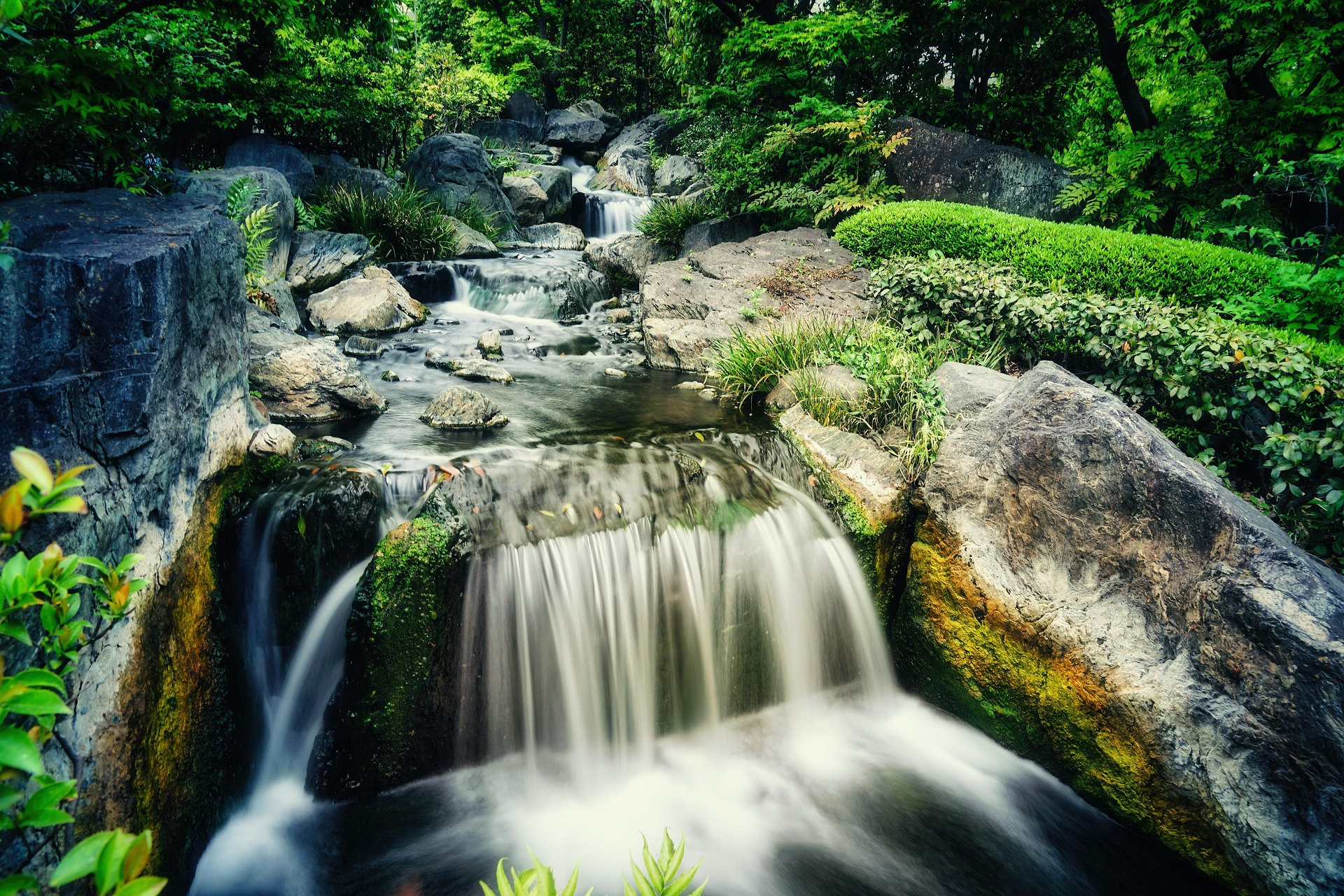
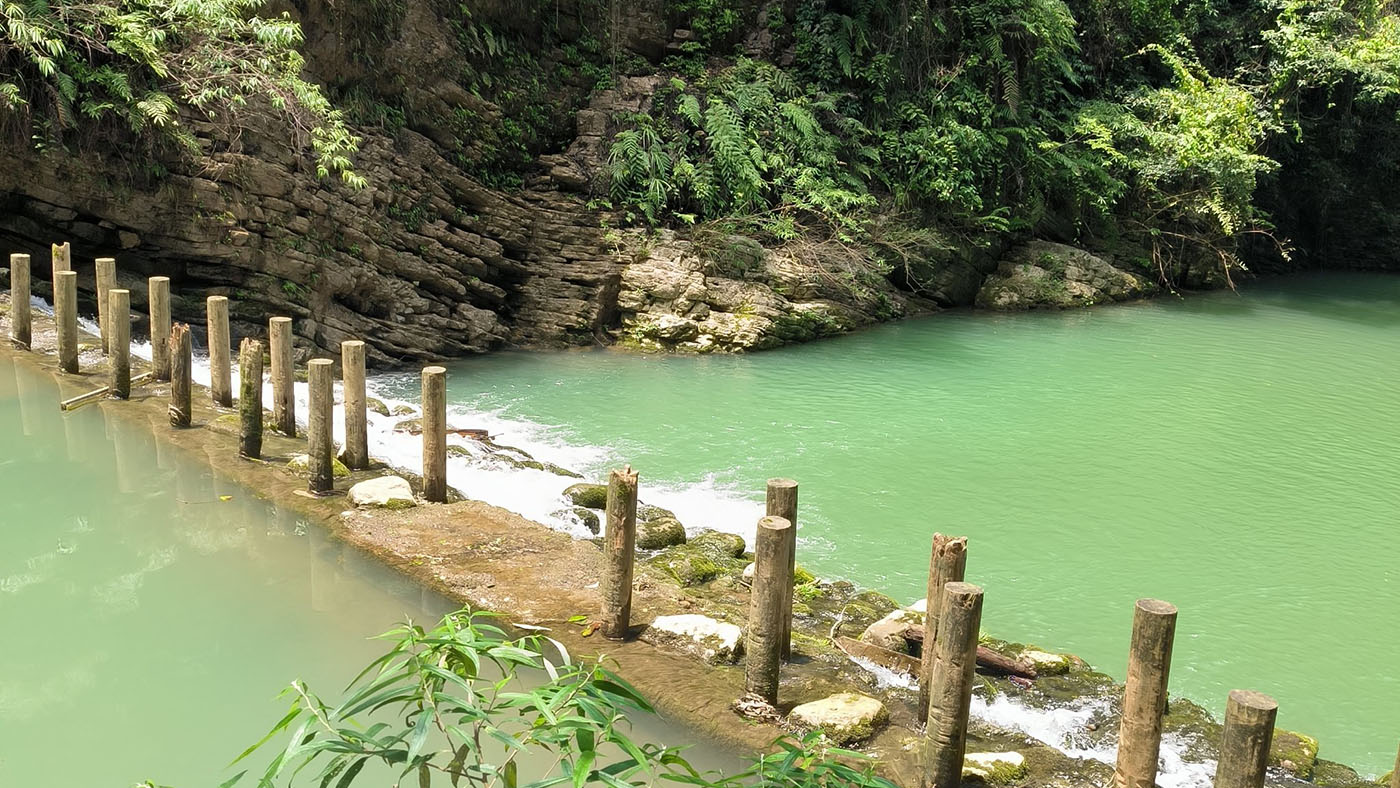
Golden Whip Stream is the gentle foil to Huangshi. A flat path follows a crystal-bright creek hemmed in by vertical walls, with macaques occasionally watching from the trees. It is a perfect warm-up or wind-down walk, and a favourite for families.
A few other names belong on your map:
-
Yuanjiajie: Home to the rock formation linked with the film Avatar, this area can be busy, though early starts keep it manageable.
-
Tianzi Mountain: High viewpoints and rolling sea-of-cloud scenes after rain.
-
Yangjiajie: Narrow staircases and bolder walking for those who like a little extra spice.
Three Bears Travel runs guided loops that string these highlights together without too many repeated steps, building a day around your walking appetite. Those keen on photography get time at quiet ledges and advice on where to wait for light.
Here is a quick snapshot to help you decide how to spend your time.
|
Area |
Style of Walk |
Time Needed |
Effort |
Known For |
Handy Tips |
|
Huangshi Village |
Loop on high platform |
2 to 4 hrs |
Moderate |
Big panoramas, classic lookouts |
Cableway up saves the legs |
|
Golden Whip Stream |
Flat creekside path |
1.5 to 3 hrs |
Easy |
Lush forest, clear water, calm vibe |
Morning light is lovely |
|
Yuanjiajie |
Viewpoints and bridges |
2 to 3 hrs |
Moderate |
Avatar-style peaks, sky bridges |
Arrive early to beat the rush |
|
Tianzi Mountain |
Viewpoints and strolls |
2 to 4 hrs |
Easy to moderate |
Sea of clouds, rolling ridgelines |
Pair with cable cars for variety |
|
Yangjiajie |
Steep staircases |
2 to 3 hrs |
Challenging |
Narrow passages, fewer crowds |
Good shoes essential |
Extra ideas to round out your plan:
-
The Bailong Elevator is a glass-faced lift set into a cliff. It is touristy, but the quick rise offers fun vantage points.
-
Boardwalks are extensive, and signage points to loop options that let you avoid out-and-back drags.
-
Wildlife includes birds and macaques. Keep snacks zipped away.
Tianmen Mountain: A Blend of Thrill and Beauty
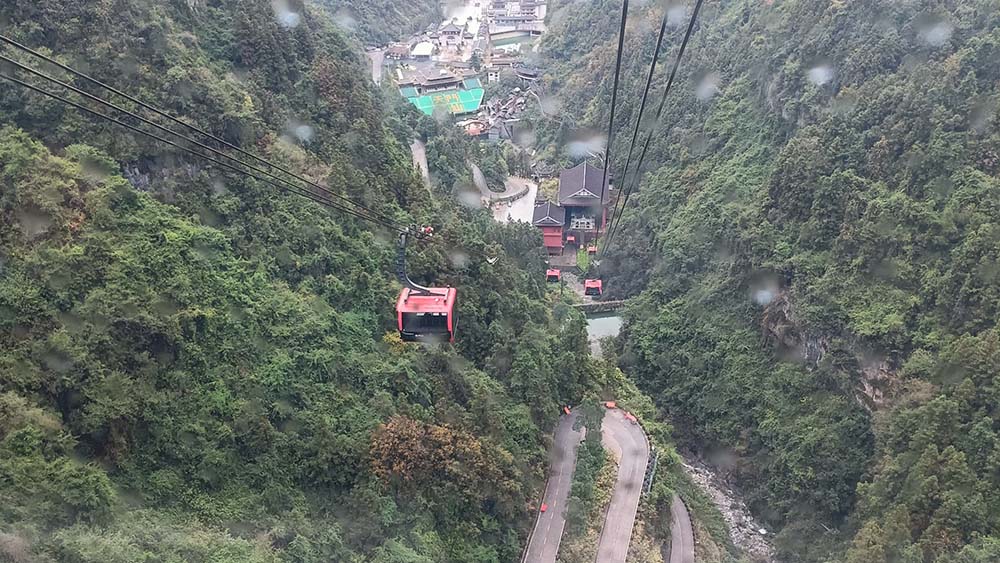
On the other side of town, Tianmen Mountain rises with its own personality. The cableway from central Zhangjiajie glides over farms and ridges to a high plateau ringed by lookouts. Once up top, cliff-hugging paths show off the sweep of the valley and the city far below. The signature natural arch, Tianmen Cave, pulls the eye and the footsteps.
The approach road, famous for its 99 bends, coils up to the base of the stone arch. Stairs then climb through the hole in the mountain for sky-filled views. When conditions run clear, it is a place that resets your sense of scale. When the clouds drop, it turns soft and atmospheric, with curls of mist wrapping around the cliffs.
Look out for:
-
Glass skywalks that stick to the cliff and set the heart racing.
-
The Tianmen Mountain Temple area for quiet walking and a little cultural context.
-
Seasonal colour shifts that change the mood from fresh spring greens to autumn gold.
Many maps and tickets refer to Tianmen Mountain Zhangjiajie Hunan China, Tianmen Mountain National Park Zhangjiajie, or Zhangjiajie Tianmen Mountain. You might also see references to Tianmen Mountain Yongding Zhangjiajie China, which simply points to the district where the mountain sits.
The Glass Bridge Adventure
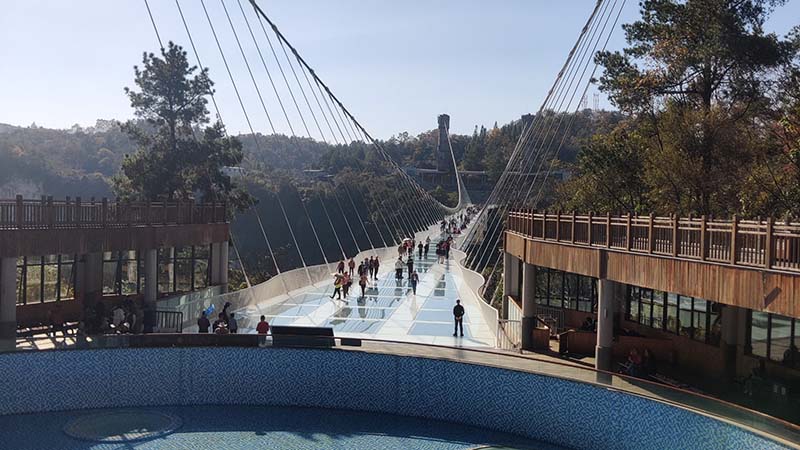
A short drive from the forest park sits the Zhangjiajie Grand Canyon and the widely shared Zhangjiajie Grand Canyon Glass Bridge. At once elegant and audacious, the span carries visitors high above a forested chasm, with glass panels underfoot that sharpen the thrill. It is a highlight on many Zhangjiajie Adventure wish lists.
People come for the views, and they stay a little longer to watch their friends take that first tentative step out over the void. Some stride, some shuffle, some grin their way across. Shoe covers protect the surface, and safety staff keep things moving smoothly.
A few planning notes:
-
Ticketing can be timed. Book in advance on busy days to secure a spot.
-
Weather can cause temporary closures. Have a plan B in case of heavy rain or high winds.
-
Photographs look dramatic late in the day when side light warms the canyon walls.
The naming can be a mouthful, but it helps with planning and searching: Zhangjiajie Glass Bridge China, China Glass Bridge Zhangjiajie, Glass Bridge China Zhangjiajie, or simply the bridge at Zhangjiajie Grand Canyon. No matter the label, the appeal is the same.
A 3-day plan that keeps the balance right
If you like structure without feeling rushed, this outline works well.
Day 1
-
Morning: Golden Whip Stream for a gentle start and time to get your bearings.
-
Midday: Shuttle to Huangshi Village. Use the cableway up and walk the loop clockwise.
-
Late afternoon: Choose a quieter lookout and settle in as the light softens.
Day 2
-
Early start: Yuanjiajie before the main rush. Photograph the famous pillar then wander lesser-known lookouts.
-
Late morning: Settle into Tianzi Mountain for grand ridge views.
-
Optional: Bailong Elevator or cable car to vary the ride and save the knees.
Day 3
-
Morning: Tianmen Mountain cableway, cliff paths, and glass skywalks.
-
Afternoon: Road of 99 bends and the stairs to Tianmen Cave.
-
Evening: If time and energy allow, cap it off with the Zhangjiajie Grand Canyon Glass Bridge.
Groups travelling with Three Bears Travel will see a similar flow, adapted to weather and fitness, with guides fine-tuning the timing to keep you in the right place at the right moment.
Photography notes to raise your hit rate
Light and conditions change quickly here, which is a good thing. You will get variety without moving very far.
-
Arrive early for rolling fog and cloud inversions at Tianzi Mountain.
-
After rain, the pillars at China’s Zhangjiajie National Forest Park steam in the sun, making for moody frames.
-
Carry a mid-zoom lens for the pillars and a wide lens for Tianmen cliff paths and the arch.
-
Neutral density filters help smooth water at Golden Whip Stream.
-
A microfibre cloth and a light rain cover are worth the tiny weight.
Tripods are allowed in most places, but crowds can build at famous lookouts. Scout a bit off-axis to find foreground elements like twisted pines and railings for scale.
Food, culture, and small pleasures
Hungry after a big walk? Local kitchens turn out warming bowls of rice noodles, mountain herbs, and Hunan-style dishes with a bit of kick. Street corners in Zhangjiajie city sell skewers and seasonal fruit. Tea houses near park gates provide a quiet sit-down while you wait for the shuttle.
Regional culture mixes Tujia traditions with modern city rhythm. Look for carved wooden screens, stilted houses in nearby villages, and local textiles that make easy-to-pack souvenirs. Guides often know small stalls with quality work and fair prices.
Practical questions answered
Are the trails suitable for kids?
-
Yes, if you pick the right sections. Golden Whip Stream and the main lookouts work well. Keep little hands away from railings on the cliff paths.
Is it all stairs?
-
Many key spots involve steps, but flats and boardwalks are common. Cable cars and lifts help you skip big ascents.
Will I need cash?
-
Cards and mobile payments are widely accepted in the city and at main gates. Keep some cash for small stalls.
What about crowds?
-
Early starts matter. So does timing lunch at off hours. A guide makes a big difference in peak seasons.
Tips for Visiting Zhangjiajie
-
Best Time to Visit: Spring and autumn for mild weather and clear skies.
-
Adventure Preparedness: Comfortable hiking shoes, light gear, and a camera are essential.
-
Guided Tours: Consider booking with Three Bears Travel to cover the best hiking trails, scenic spots, and adventure experiences efficiently.
Extra pointers that smooth the trip:
-
Weather kit: A light rain jacket, quick-dry layers, and a warm layer for viewpoints.
-
Footwear: Deep-tread shoes handle wet steps and slick rock.
-
Tickets: Aim for first-entry times on busy dates, and keep your ID handy for checks.
-
Transport: Eco-buses run frequently inside the park. In the city, taxis and rideshare apps are reliable.
-
Fitness: Build in breaks. Views keep coming, and a short rest often leads to better photos.
-
Safety: Railings are sturdy, but watch your footing in wet conditions and keep selfie sticks clear of others.
-
Eco care: Carry out rubbish, keep noise down at dawn lookouts, and avoid feeding macaques.
-
Accessibility: Cable cars and lifts open many areas to those with limited mobility. Ask at gates for current access notes.
-
Language: Staff at major stations have basic English. A phrase list and offline map help in smaller spots.
-
Power and data: A small power bank is handy. Coverage is solid in town and variable on remote ridges.
What to pack for a stress-free visit
-
Small daypack with rain cover
-
Refillable water bottle
-
Sun hat and sunscreen
-
Comfortable walking shoes with grip
-
Light fleece or windproof layer
-
Camera with spare battery and card
-
Snacks that do not crumble into wildlife temptations
-
Basic first aid and any personal meds
-
Phone with offline maps
-
Hand sanitiser and tissues
Making sense of names and places
The Zhangjiajie area contains several named zones, and guidebooks sometimes use different labels for the same spots. A few quick translations:
-
Zhangjiajie National Forest Park is the original core inside the larger Wulingyuan Scenic Area.
-
Tianmen Mountain sits south of the main forest park, accessed from Zhangjiajie city.
-
Zhangjiajie Grand Canyon lies east, home to the famous glass bridge.
You will see phrases like Visit Zhangjiajie National Forest Park or Zhangjiajie Hiking Trails used widely in travel media. All roads lead to the same happy problem: choosing between beautiful options.
Sample costs and time savers
-
City to Tianmen cableway: Minutes by taxi, and the ride itself takes around half an hour.
-
Eco-bus inside the park: Included with most tickets, frequent departures.
-
Time trade-offs: A cable car up to Huangshi Village or Tianzi Mountain saves energy for the loop walks.
If you prefer to hand the logistics to a pro, Three Bears Travel handles transfers, timed tickets for the Zhangjiajie Grand Canyon Glass Bridge, and avoids long waits at popular lifts. That bit of planning buys you an extra viewpoint or a slow coffee when others are stuck in queues.
A short list of Things to Do in Zhangjiajie
-
Wander the Golden Whip Stream boardwalk and listen for birds.
-
Stand at Huangshi Village and let the panorama sink in.
-
Ride the Bailong Elevator once, just for the grin.
-
Catch sunrise at Tianzi Mountain after a cool night breeze.
-
Walk a glass skywalk on Tianmen Mountain and lean into the thrill.
-
Step across the glass span at Zhangjiajie Grand Canyon and look down between your feet.
-
Sip tea near a park gate and watch hikers come and go with happy faces.
Zhangjiajie rewards any style of travel, whether you want quiet hours by a forest stream or high-wire memories on glass. Set your pace, pick a handful of targets, and give yourself time to linger when a view stops you in your tracks.
Zhangjiajie Attractions FAQ
Whether you are an adventurous thrill-seeker or a serene nature enthusiast, Zhangjiajie has something special waiting for you. Below are answers to some common questions to help make your trip as smooth and memorable as possible.
What is the best way to get to Zhangjiajie?
The most convenient way to reach Zhangjiajie is by flying into Zhangjiajie Hehua International Airport, which has direct flights from major Chinese cities like Beijing, Shanghai, Guangzhou, and Chengdu. Alternatively, high-speed trains connect Zhangjiajie to Changsha and other regional hubs. Private transfers and buses are also available for flexible travel.
How many days are enough for Zhangjiajie?
A minimum of 3 days is recommended to fully experience Zhangjiajie’s main attractions, including Zhangjiajie National Forest Park, Tianmen Mountain, and the Grand Canyon Glass Bridge. If you want a more relaxed pace or to explore additional scenic areas, consider extending your stay to 4–5 days.
Do you need to book Zhangjiajie tickets in advance?
It is highly advisable to book your entrance tickets to Zhangjiajie National Forest Park, Tianmen Mountain, and the Glass Bridge in advance, especially during peak seasons and holidays. Online booking ensures availability and saves time at the entrance.
Was Avatar filmed in Zhangjiajie?
While the movie "Avatar" was not filmed in Zhangjiajie, the park’s unique sandstone pillars inspired the floating Hallelujah Mountains in the film. The breathtaking scenery has since attracted fans and travelers from around the world.
What is the best time to visit Zhangjiajie?
The best time to visit Zhangjiajie is during spring (April–June) and autumn (September–November), when the weather is mild, skies are clear, and the natural scenery is at its most vibrant.
Do we need a guide in Zhangjiajie?
While it is possible to explore Zhangjiajie independently, hiring a local guide or joining a guided tour is highly recommended. Guides provide valuable insights, help with navigation, and ensure you make the most of your visit, especially in such a vast and scenic area.
How accessible is the area for those with limited mobility?
Cable cars and lifts provide access to many zones for visitors with limited mobility.
Want more China travel itineraries? Click here!
If you have any other questions, feel free to click here and get in touch with us.
If you need a personalized travel plan, feel free to click here and let us help you.